Clinical Assessment & Protocol
Typical Presentation (HPI)
EN: Loss of vibration and proprioception leading to sensory ataxia. AR: فقدان الإحساس بالاهتزاز ووضعية الجسم مما يؤدي إلى رنح حسي.
General Examination
EN: Unremarkable or not routinely indicated. AR: طبيعي أو غير مطلوب روتينياً.
Treatment Protocol
EN: Treat underlying cause (e.g., B12 deficiency, neurosyphilis). AR: علاج السبب الكامن (مثل نقص فيتامين ب12، الزهري العصبي).
Patient Education
EN: Physical therapy for gait training and balance. AR: العلاج الطبيعي لتدريب المشي والتوازن.
Systemic & Specialized Examinations
EN: S1, S2 present. No murmurs. AR: صوتا القلب الأول والثاني طبيعيان. لا توجد نفخات.
EN: Lungs clear to auscultation. AR: الرئتان صافيتان عند التسمع.
EN: Abdomen soft, non-tender. AR: البطن لين ولا يوجد ألم.
EN: Positive Romberg test; loss of position sense. AR: اختبار رومبيرج إيجابي؛ فقدان حس الوضعية.
EN: Unremarkable or not routinely indicated. AR: طبيعي أو غير مطلوب روتينياً.
EN: Unremarkable or not routinely indicated. AR: طبيعي أو غير مطلوب روتينياً.
EN: Unremarkable or not routinely indicated. AR: طبيعي أو غير مطلوب روتينياً.
EN: Unremarkable or not routinely indicated. AR: طبيعي أو غير مطلوب روتينياً.
EN: Unremarkable or not routinely indicated. AR: طبيعي أو غير مطلوب روتينياً.
Comprehensive Clinical Guide: Dorsal Column Syndrome
Dorsal Column Syndrome, clinically referred to as Posterior Cord Syndrome, is a complex neurological disorder characterized by the selective disruption of the dorsal columns within the spinal cord. This specific region of the spinal cord is responsible for the transmission of critical sensory information, including proprioception, vibration sense, and fine touch. When this pathway is compromised, patients experience profound sensory deficits that significantly impact motor coordination and daily functionality.
This guide provides an exhaustive clinical overview of the condition, intended for medical professionals, orthopedic specialists, and neurologists.
1. Clinical Definition and Overview
Dorsal Column Syndrome is not a single disease but a clinical manifestation of pathology affecting the dorsal columns (the fasciculus gracilis and fasciculus cuneatus) of the spinal cord. These columns contain ascending sensory axons that convey information from the periphery to the medulla.
Key Anatomical Focus
- Fasciculus Gracilis: Transmits sensory information from the lower extremities and lower trunk (T6 and below).
- Fasciculus Cuneatus: Transmits sensory information from the upper extremities and upper trunk (above T6).
The syndrome is characterized by the loss of discriminatory sensation, vibration, and proprioception below the level of the lesion, while pain, temperature, and motor function typically remain intact, as these are carried by the spinothalamic and corticospinal tracts, respectively.
2. Etiology and Pathophysiology
The pathophysiology of Dorsal Column Syndrome is rooted in the interruption of the dorsal white matter tracts. Understanding the root cause is essential for differential diagnosis.
Primary Etiological Categories
| Category | Common Causes |
|---|---|
| Vascular | Posterior Spinal Artery (PSA) infarction |
| Degenerative | Tabes Dorsalis (Neurosyphilis), Subacute Combined Degeneration (B12 Deficiency) |
| Traumatic | Hyperextension injuries, vertebral fractures |
| Inflammatory/Autoimmune | Multiple Sclerosis (MS), Transverse Myelitis |
| Compressive | Cervical spondylotic myelopathy, spinal tumors |
Mechanism of Injury
The dorsal columns are highly susceptible to compression and ischemia. Because the posterior spinal arteries are smaller and have less collateral circulation than the anterior spinal artery, the dorsal columns are uniquely vulnerable to hypoperfusion. In conditions like Subacute Combined Degeneration, the myelin sheath undergoes vacuolar degeneration, leading to a breakdown in signal transduction.
3. Clinical Staging and Presentation
Clinical presentation varies based on the level of the lesion and the speed of onset.
Standard Clinical Presentation
- Sensory Ataxia: The hallmark of the syndrome. Because the patient lacks proprioceptive feedback, they cannot "feel" where their limbs are in space, leading to an unsteady, wide-based gait.
- Positive Romberg Sign: Patients exhibit significant instability when standing with eyes closed, as visual input is no longer available to compensate for the loss of proprioception.
- Loss of Vibration Sense: Patients fail to detect the 128 Hz tuning fork on bony prominences.
- Paresthesia: Often described as a "pins and needles" sensation or a feeling of wearing a tight band around the torso.
- Lhermitte’s Sign: An electric shock-like sensation radiating down the spine upon neck flexion, often seen in MS or cervical spondylosis.
Clinical Grading Scale (Modified)
| Grade | Severity | Clinical Manifestation |
|---|---|---|
| 0 | Normal | No sensory deficits. |
| 1 | Mild | Subtle loss of vibration; intact gait. |
| 2 | Moderate | Sensory ataxia; positive Romberg; gait instability. |
| 3 | Severe | Complete loss of proprioception; inability to walk; falls. |
4. Key Diagnostic Tests
A systematic diagnostic approach is required to differentiate Dorsal Column Syndrome from other myelopathies.
Diagnostic Matrix
- Magnetic Resonance Imaging (MRI): The gold standard. T2-weighted images will show hyperintensity in the posterior columns.
- Somatosensory Evoked Potentials (SSEP): Essential for assessing the functional integrity of the dorsal columns. A delay or absence of cortical potentials indicates a conduction block.
- Lumbar Puncture: Used to rule out neurosyphilis (VDRL/RPR) or inflammatory markers in MS (oligoclonal bands).
- Serum Laboratory Workup: Mandatory testing for Vitamin B12 levels, copper levels, and folate, particularly in patients presenting with subacute combined degeneration.
5. Differential Diagnosis
It is critical to distinguish Dorsal Column Syndrome from conditions that mimic its sensory profile:
* Peripheral Neuropathy: Usually presents with a "stocking-glove" distribution rather than a dermatomal spinal level.
* Tabes Dorsalis: Specifically associated with tertiary syphilis; often involves Argyll Robertson pupils.
* Friedreich’s Ataxia: Presents with progressive ataxia and scoliosis; genetic in origin.
* Anterior Cord Syndrome: Characterized by loss of motor function and pain/temperature, while the dorsal columns (vibration/proprioception) remain spared.
6. Risks, Contraindications, and Prognosis
Risks of Delayed Diagnosis
Failure to identify the underlying cause—especially in cases of spinal cord compression—can lead to permanent neurological deficits. Chronic compression can lead to irreversible axonal death.
Contraindications
- Spinal Manipulation: In patients with unstable vertebral fractures or severe cervical stenosis, chiropractic manipulation is strictly contraindicated.
- MRI with Contrast: Must be used with caution in patients with severe renal impairment.
Long-Term Prognosis
Prognosis is highly dependent on the etiology.
* Nutritional Deficiencies: Excellent prognosis if treated early with high-dose B12 supplementation.
* Compression/Trauma: Prognosis depends on the timing of surgical decompression. Once wallerian degeneration occurs, recovery is limited.
* Multiple Sclerosis: Prognosis is variable and dependent on the overall disease-modifying treatment response.
7. Frequently Asked Questions (FAQ)
1. Is Dorsal Column Syndrome always permanent?
Not necessarily. If the cause is nutritional (e.g., B12 deficiency) or inflammatory (e.g., early MS), aggressive treatment can often lead to significant functional improvement.
2. Can physical therapy help?
Yes. Physical therapy is the cornerstone of rehabilitation, focusing on sensory re-education and gait training to compensate for the loss of proprioception using visual and vestibular cues.
3. What is the most common cause of posterior cord symptoms?
In the modern clinical setting, cervical spondylotic myelopathy and Vitamin B12 deficiency are the most frequently encountered causes.
4. Does the patient experience pain?
Usually, pain is not the primary symptom. The hallmark is sensory loss or abnormal sensations (paresthesia) rather than acute pain.
5. What is the "Romberg Test" and why is it important?
The Romberg test helps isolate proprioception. If a patient sways or falls when closing their eyes, it confirms that the brain is relying solely on vision because the spinal cord is failing to provide position sense.
6. Does this affect the ability to move the limbs?
Dorsal Column Syndrome specifically affects sensory pathways. Motor function (corticospinal tract) remains intact unless the lesion is broad enough to involve the lateral corticospinal tracts.
7. What is Lhermitte’s sign?
It is a transient, electric-shock-like sensation that travels down the spine when the neck is flexed forward. It is a common indicator of cervical cord irritation.
8. How is B12 deficiency linked to this syndrome?
B12 is essential for myelin synthesis. Lack of B12 leads to "Subacute Combined Degeneration," where the myelin in the dorsal columns and lateral corticospinal tracts breaks down.
9. Can MRI miss the diagnosis?
Early in the disease, MRI may appear normal. If clinical suspicion is high, SSEPs are a more sensitive tool for detecting early conduction deficits.
10. When should a patient undergo surgery?
Surgery is indicated if there is evidence of mechanical spinal cord compression (e.g., herniated disc, stenosis, tumor) that correlates with the patient's neurological deficit.
8. Clinical Management Strategies
Management must be multidisciplinary. The Orthopedic Spine Surgeon addresses structural compression, the Neurologist manages systemic or inflammatory causes, and the Physical Therapist manages long-term functional adaptation.
Rehabilitation Priorities:
- Safety: Fall prevention training is paramount due to ataxia.
- Proprioceptive Training: Utilizing sensory-rich environments (e.g., weighted vests, textured surfaces) to improve proprioceptive feedback.
- Assistive Devices: Prescription of canes or walkers to widen the base of support and provide tactile feedback to the hands.
Pharmacological Considerations:
- Neuro-modulators: Gabapentin or Pregabalin may be utilized if the patient experiences neuropathic pain or severe dysesthesia.
- Corticosteroids: Utilized in acute inflammatory phases (e.g., Transverse Myelitis or acute MS flares) to reduce edema and inflammation within the spinal canal.
9. Conclusion
Dorsal Column Syndrome serves as a critical diagnostic marker for a variety of systemic and localized spinal pathologies. While the clinical presentation of sensory ataxia and loss of vibration sense is distinct, the underlying etiology requires a rigorous investigative process. By utilizing advanced imaging and neurophysiological testing, clinicians can effectively identify the root cause, initiate targeted interventions, and improve the quality of life for patients affected by this debilitating condition.
Disclaimer: This guide is for educational and clinical reference purposes only. It does not replace professional medical judgment. Always correlate clinical findings with patient history and imaging.
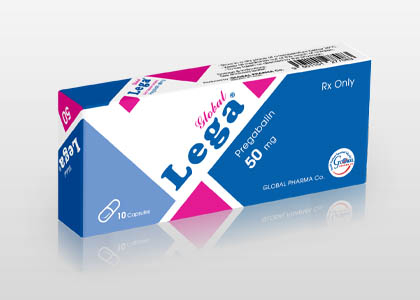
Related Clinical Integration
In the comprehensive management of Dorsal Column Syndrome, clinical intervention focuses on mitigating neuropathic pain and ensuring patient mobility through a multidisciplinary approach. Pharmacological stabilization is often achieved through the administration of Gabantin / غابانتين 400mg and Lega / ليغا 50 mg, which are essential for modulating sensory signaling and addressing the chronic discomfort associated with posterior column dysfunction. Furthermore, because patients frequently experience significant proprioceptive deficits and gait instability, the use of assistive technology such as the CAM Walker Boot (Walking Boot) / حذاء المشي الطبي (حذاء ووكر) (أدوات ومساعدات الحركة (عكازات/كراسي)) is indicated to provide necessary structural support, reduce the risk of secondary injury, and facilitate safe ambulation during the rehabilitation process.