Clinical Assessment & Protocol
Typical Presentation (HPI)
EN: Arthralgia, myalgia, and fever following chronic drug use. AR: ألم مفصلي، ألم عضلي، وحمى بعد الاستخدام المزمن للدواء.
General Examination
EN: Rash and joint tenderness. AR: طفح وإيلام مفصلي.
Treatment Protocol
EN: Discontinuation of the causative medication. AR: إيقاف الدواء المسبب.
Patient Education
EN: Avoid the drug in the future; monitor labs. AR: تجنب الدواء في المستقبل؛ مراقبة الفحوصات المخبرية.
Systemic & Specialized Examinations
EN: S1, S2 present. No murmurs. AR: صوتا القلب الأول والثاني طبيعيان. لا توجد نفخات.
EN: Lungs clear to auscultation. AR: الرئتان صافيتان عند التسمع.
EN: Abdomen soft, non-tender. AR: البطن لين ولا يوجد ألم.
EN: Alert, oriented x3. No focal deficits. AR: المريض واعي ومدرك. لا يوجد عجز عصبي بؤري.
EN: Unremarkable or not routinely indicated. AR: طبيعي أو غير مطلوب روتينياً.
EN: Unremarkable or not routinely indicated. AR: طبيعي أو غير مطلوب روتينياً.
EN: Unremarkable or not routinely indicated. AR: طبيعي أو غير مطلوب روتينياً.
EN: Unremarkable or not routinely indicated. AR: طبيعي أو غير مطلوب روتينياً.
EN: Unremarkable or not routinely indicated. AR: طبيعي أو غير مطلوب روتينياً.
Comprehensive Guide to Drug-Induced Lupus Erythematosus (DILE)
Drug-Induced Lupus Erythematosus (DILE) is a distinct clinical entity characterized by the development of a lupus-like syndrome following exposure to specific pharmacological agents. Unlike Systemic Lupus Erythematosus (SLE), which is a chronic autoimmune condition, DILE is generally considered a transient, reactive process. It represents a significant clinical challenge for orthopedic surgeons, rheumatologists, and primary care physicians, as its presentation often mimics idiopathic SLE or other systemic inflammatory conditions, potentially leading to misdiagnosis or unnecessary immunosuppressive therapy.
1. Clinical Definition and Overview
Drug-Induced Lupus (DILE) is defined as a syndrome of systemic autoimmunity that arises temporally with the administration of certain medications and resolves upon the discontinuation of the offending agent. It is categorized into three primary forms based on the causative agent:
- Classic (Hydralazine/Procainamide-type): The most well-documented form, associated with traditional high-risk medications.
- TNF-alpha Inhibitor-Induced Lupus (ATIL): A more recent and increasingly common presentation associated with biological therapies.
- Other/Minor DILE: Associated with a wide array of diverse medications, including anticonvulsants, antihypertensives, and antibiotics.
Epidemiology
The incidence of DILE is difficult to quantify due to underreporting and the variability of clinical criteria. However, it is estimated that approximately 10% of all lupus cases are drug-induced. While SLE has a strong female predilection (9:1), DILE shows a less dramatic gender skew, and the age of onset is typically older, reflecting the population most likely to be on chronic polypharmacy.
2. Pathophysiology and Mechanisms
The mechanism of DILE involves a complex interaction between the drug, the patient’s metabolic profile, and the immune system.
Genetic Predisposition
The most critical genetic factor involves the N-acetyltransferase 2 (NAT2) gene. Patients who are "slow acetylators" are significantly more prone to developing DILE when exposed to drugs like hydralazine and procainamide. Slow acetylation leads to higher serum concentrations of the drug and its metabolites, which then interact with immune cells.
Immunological Mechanisms
- Metabolic Pathway: Drugs are metabolized into reactive intermediates. These metabolites bind to cell surface proteins or nuclear antigens, creating neoantigens.
- T-Cell Alteration: Drugs may inhibit DNA methylation in T-lymphocytes. By interfering with DNA methyltransferase, these drugs cause the overexpression of genes that promote autoreactivity.
- Apoptosis and Clearance: Certain drugs may interfere with the clearance of apoptotic cells. As these cells die, nuclear antigens are exposed to the immune system, which, in the presence of the drug, triggers the production of anti-histone antibodies.
- TNF-alpha Inhibition: In the case of ATIL (Anti-TNF Induced Lupus), the mechanism is thought to involve the modulation of cytokine balances, shifting the immune system toward a Th2-mediated response and promoting the production of autoantibodies.
3. Clinical Presentation: Signs and Symptoms
The clinical presentation of DILE is often milder than idiopathic SLE, though it can mimic it closely.
Common Clinical Manifestations
- Musculoskeletal: Arthralgia and myalgia are the most common presenting symptoms (present in >90% of cases). Synovitis may occur, but erosive arthritis is rare.
- Constitutional: Fever, malaise, fatigue, and weight loss.
- Dermatological: Rashes are common in ATIL (TNF-inhibitor induced) but less frequent in classic DILE. Photosensitivity is occasionally noted.
- Serositis: Pleurisy and pericarditis occur in a subset of patients.
Comparison Table: DILE vs. Idiopathic SLE
| Feature | Drug-Induced Lupus (DILE) | Systemic Lupus (SLE) |
|---|---|---|
| Age of Onset | Usually >50 years | 15–40 years |
| Gender Ratio | Nearly 1:1 | 9:1 (Female:Male) |
| Anti-dsDNA | Rare | Common |
| Anti-Histone | Very Common (>90%) | Rare |
| Renal/CNS Involvement | Extremely Rare | Common |
| Complement Levels | Normal | Often Low |
4. Key Diagnostic Tests and Workup
Diagnostic criteria for DILE are not as formalized as the ACR or SLICC criteria for SLE, but the following approach is standard clinical practice.
Laboratory Investigations
- Anti-Histone Antibodies: The hallmark of DILE. Found in the vast majority of classic cases.
- ANA (Antinuclear Antibody): Almost universally positive in DILE, typically with a homogeneous pattern.
- Complete Blood Count (CBC): To assess for cytopenias, though these are less severe in DILE than in SLE.
- Inflammatory Markers: ESR and CRP are generally elevated.
- Complement Levels (C3, C4): Usually normal in DILE, whereas they are often depressed in active SLE.
Diagnostic Algorithm
- History: Identify the offending drug.
- Serology: Confirm positive ANA and Anti-Histone antibodies.
- Exclusion: Rule out active SLE, mixed connective tissue disease, and rheumatoid arthritis.
- Challenge: Observe for clinical improvement after the withdrawal of the suspect drug.
5. High-Risk Medications (The "Culprit" List)
The classification of drugs associated with DILE is categorized by the strength of the clinical evidence.
Group 1: High-Risk (Definite Association)
- Hydralazine: Commonly used for hypertension.
- Procainamide: Anti-arrhythmic agent.
- Isoniazid: Used for tuberculosis treatment.
- Minocycline: Often used for acne or rheumatoid arthritis.
- TNF-alpha Inhibitors: (e.g., Infliximab, Adalimumab, Etanercept).
Group 2: Moderate/Low-Risk (Possible Association)
- Anticonvulsants: Carbamazepine, Phenytoin.
- Antithyroid Drugs: Methimazole, Propylthiouracil.
- Statins: Atorvastatin, Simvastatin.
- Antifungals: Terbinafine.
6. Management and Prognosis
Acute Management
The definitive treatment for DILE is the immediate discontinuation of the offending medication. In most cases, symptoms resolve within weeks to months.
- Supportive Care: NSAIDs are the first-line treatment for arthralgia and pleurisy.
- Corticosteroids: Low-dose prednisone may be used if symptoms are severe or persistent, but this is rarely needed for long durations.
- Topical Agents: For cutaneous manifestations (common in ATIL), topical corticosteroids or calcineurin inhibitors are effective.
Long-Term Prognosis
The prognosis for DILE is excellent. Unlike idiopathic SLE, which requires lifelong monitoring for organ damage, DILE is self-limiting. Once the drug is withdrawn, the autoantibodies (Anti-Histone) usually disappear within 6 to 12 months. Patients should be counseled to avoid the causative agent for life, as recurrence can occur rapidly upon re-exposure.
7. FAQ: Frequently Asked Questions
Q1: Can DILE cause permanent organ damage?
A: Rarely. Because the condition is usually mild and self-limiting, end-organ damage (like lupus nephritis) is extremely uncommon.
Q2: How long does it take for symptoms to resolve after stopping the drug?
A: Most patients notice significant improvement within weeks. However, complete resolution of serological markers may take several months.
Q3: Are there specific genetic tests for DILE?
A: No routine genetic testing is performed, but knowing a patient’s "acetylator status" can theoretically predict risk for drugs like hydralazine.
Q4: Can I ever take the offending medication again?
A: No. Re-exposure typically leads to a much faster and more severe recurrence of symptoms.
Q5: Is DILE the same as "lupus-like syndrome"?
A: Yes, the terms are often used interchangeably to describe systemic inflammation induced by pharmacological agents.
Q6: Do I need a rheumatologist to manage DILE?
A: A rheumatologist is highly recommended to differentiate DILE from idiopathic SLE and to confirm the diagnosis through specialized serology.
Q7: Can TNF-inhibitors really cause lupus?
A: Yes, this is known as ATIL. Interestingly, these drugs are used to treat autoimmune diseases, yet they can paradoxically induce a lupus-like reaction.
Q8: Are there any lifestyle changes required?
A: Patients should practice strict sun protection, as UV exposure can exacerbate skin symptoms, even in DILE.
Q9: Does DILE increase my risk of developing true SLE later?
A: There is no strong evidence that DILE "triggers" SLE, though patients should be monitored if symptoms persist long after drug cessation.
Q10: What is the most common symptom of DILE?
A: Musculoskeletal pain, specifically arthralgias and myalgias, is the most frequently reported symptom by patients.
8. Clinical Considerations for Specialists
For orthopedic surgeons, it is vital to keep DILE on the differential diagnosis when a patient presents with sudden-onset, symmetric polyarthralgia, particularly if they are currently on antihypertensive or acne medications. Do not assume all joint pain in patients on these medications is osteoarthritis or mechanical in nature.
Summary Checklist for Clinical Practice:
- Medication Review: Always check the patient's current medication list against the known "culprit" database.
- Serologic Screening: Order an ANA and Anti-Histone antibody test immediately if DILE is suspected.
- Monitor: Check for systemic signs (fever, rash, serositis).
- Taper/Switch: Coordinate with the prescribing physician to find a safe alternative to the offending drug.
- Follow-up: Re-assess symptoms in 4–6 weeks post-discontinuation.
Disclaimer: This guide is intended for educational and clinical reference purposes for medical professionals. It does not replace individual clinical judgment or institutional protocols. Always consult current pharmacological databases for the most up-to-date drug contraindications.
Related Clinical Integration
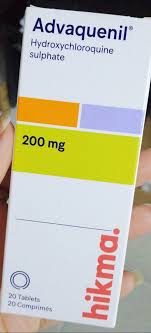
In the management of Drug-Induced Lupus, clinical decision-making requires a comprehensive understanding of both pharmacological intervention and systemic immunological responses. Patients presenting with this condition often necessitate targeted anti-inflammatory or immunomodulatory therapy, such as Prednisone / بريدنيزون 5 mg or Advaquenil 200mg 200mg, to mitigate symptomatic flares and manage underlying autoimmune activity. Furthermore, because the pathophysiology of drug-induced autoimmunity shares complex pathways with broader systemic disorders, clinicians are encouraged to review foundational concepts in Orthopedic Board Prep MCQs: Immunology, Infection & Post-Op Complications and ABOS Orthopaedic Pathology Review: Bone Tumors, Infections & Synovial Lesions | Part 22 to refine their diagnostic accuracy and better differentiate between drug-induced manifestations and primary synovial or systemic pathologies.