Clinical Assessment & Protocol
Typical Presentation (HPI)
EN: Recurrent hypercalcemia despite cervical surgery. AR: فرط كالسيوم دم متكرر رغم الجراحة العنقية.
General Examination
EN: Usually not palpable. AR: عادة لا يمكن جسه.
Treatment Protocol
EN: Surgical resection guided by sestamibi scan. AR: الاستئصال الجراحي الموجه بمسح سيستاميبي.
Patient Education
EN: AR:
Systemic & Specialized Examinations
EN: S1, S2 present. No murmurs. AR: صوتا القلب الأول والثاني طبيعيان. لا توجد نفخات.
EN: Lungs clear to auscultation. AR: الرئتان صافيتان عند التسمع.
EN: Abdomen soft, non-tender. AR: البطن لين ولا يوجد ألم.
EN: Alert, oriented x3. No focal deficits. AR: المريض واعي ومدرك. لا يوجد عجز عصبي بؤري.
EN: Unremarkable or not routinely indicated. AR: طبيعي أو غير مطلوب روتينياً.
EN: Unremarkable or not routinely indicated. AR: طبيعي أو غير مطلوب روتينياً.
EN: Unremarkable or not routinely indicated. AR: طبيعي أو غير مطلوب روتينياً.
EN: Unremarkable or not routinely indicated. AR: طبيعي أو غير مطلوب روتينياً.
EN: Unremarkable or not routinely indicated. AR: طبيعي أو غير مطلوب روتينياً.
Comprehensive Clinical Guide: Ectopic Parathyroid Adenoma
1. Introduction and Overview
An Ectopic Parathyroid Adenoma (EPA) represents a diagnostic and surgical challenge in the field of endocrine surgery and clinical endocrinology. While the standard human anatomy typically places four parathyroid glands in close proximity to the posterior aspect of the thyroid gland, the embryological development of these glands—derived from the third and fourth pharyngeal pouches—allows for significant migratory potential.
An ectopic adenoma is defined as a benign, hyperfunctioning parathyroid tumor located outside the "normal" anatomical range (the thyroid bed). Because these glands migrate along the pathway of the thymus (inferior glands) or the thyroid (superior glands) during fetal development, they can end up anywhere from the angle of the jaw to the mediastinum. Failure to recognize the possibility of an ectopic location is the primary cause of failed initial parathyroidectomy.
2. Pathophysiology and Embryological Mechanism
To understand why EPAs occur, one must review the embryology of the parathyroid glands:
- Superior Parathyroid Glands (Parathyroid IV): These arise from the fourth pharyngeal pouch. They are relatively stable in their migration, usually settling near the posterior aspect of the superior pole of the thyroid. Ectopic superior glands are rare and are typically found in the tracheoesophageal groove or retroesophageal space.
- Inferior Parathyroid Glands (Parathyroid III): These arise from the third pharyngeal pouch, sharing an origin with the thymus. As the thymus descends into the anterior mediastinum, the inferior parathyroid glands are pulled along with it. If they fail to detach during this descent, they become ectopic.
Mechanisms of Adenoma Formation
The transformation of a normal gland into an adenoma involves monoclonal proliferation, often driven by:
1. PRAD1/Cyclin D1 Overexpression: A common molecular driver in parathyroid neoplasia.
2. MEN1 Gene Mutations: Loss of heterozygosity at the MEN1 locus (11q13).
3. VDR (Vitamin D Receptor) Downregulation: Contributing to autonomous PTH secretion despite high serum calcium.
3. Clinical Staging and Grading
Unlike malignancies, EPAs are not "staged" by size or spread, but rather by anatomical classification based on the distance from the thyroid bed and the surgical complexity required for resection.
| Classification | Anatomical Location | Surgical Approach |
|---|---|---|
| Type I (Cervical) | Undescended, high in neck/carotid sheath | Standard Neck Exploration |
| Type II (Retro-esophageal) | Posterior to esophagus | Focused Lateral Exploration |
| Type III (Mediastinal) | Anterior/Posterior Mediastinum | Thoracoscopic/Sternotomy |
| Type IV (Intra-thyroidal) | Within the thyroid parenchyma | Thyroid Lobectomy |
4. Standard Presentation and Clinical Indications
Patients with an Ectopic Parathyroid Adenoma typically present with the classic signs of Primary Hyperparathyroidism (PHPT). The clinical mantra historically taught is "Stones, Bones, Abdominal Groans, and Psychic Overtones."
Symptomatology Checklist:
- Renal: Nephrolithiasis (kidney stones), nephrocalcinosis, and polyuria.
- Skeletal: Osteitis fibrosa cystica, bone pain, and pathological fractures.
- Gastrointestinal: Constipation, peptic ulcer disease, and pancreatitis.
- Neuropsychiatric: Depression, lethargy, confusion, and memory impairment.
- Cardiovascular: Hypertension and shortened QT interval on ECG.
5. Diagnostic Methodology: The Localization Algorithm
The diagnostic pathway for an ectopic adenoma is distinct because standard anatomical imaging often fails.
Tier 1: Biochemical Confirmation
- Serum Calcium: Usually elevated (>10.5 mg/dL).
- Intact PTH (iPTH): Elevated or inappropriately normal in the presence of hypercalcemia.
- 24-hour Urine Calcium: To rule out Familial Hypocalciuric Hypercalcemia (FHH).
Tier 2: Imaging Modalities
- Sestamibi Scintigraphy (Tc-99m): The gold standard for initial localization. Ectopic glands show delayed washout.
- 4D-CT Scan: A highly sensitive modality that uses contrast enhancement patterns (rapid uptake and rapid washout) to differentiate parathyroid tissue from lymph nodes.
- Neck Ultrasound: Often ineffective for ectopic glands (especially mediastinal ones) but useful for ruling out thyroid pathology.
- Selective Venous Sampling (SVS): Reserved for cases of "failed" surgery where imaging is negative. Radiologists catheterize internal jugular and thyroid veins to measure PTH levels at various points to "triangulate" the secretor.
6. Differential Diagnosis
It is critical to distinguish an EPA from other endocrine-related masses:
* Thyroid Nodules: Often mistaken for parathyroid adenomas on ultrasound.
* Lymphadenopathy: Reactive nodes in the neck can mimic adenomas on PET scans.
* Paraganglioma: Can mimic the vascularity of an adenoma.
* Ectopic Thyroid Tissue: Can be hyper-intense on scintigraphy.
7. Risks, Complications, and Contraindications
Surgical intervention is the definitive treatment but carries risks specific to the ectopic location:
- Recurrent Laryngeal Nerve (RLN) Injury: Increased risk if the adenoma is located deep in the retro-esophageal or mediastinal space.
- Hungry Bone Syndrome: Post-operative hypocalcemia occurring in patients with pre-existing severe hyperparathyroid-induced bone disease.
- Failed Exploration: The greatest risk of an ectopic adenoma is a negative initial neck exploration, necessitating a second, more invasive procedure.
- Mediastinal Hemorrhage: Rare but life-threatening complication of thoracic exploration.
8. Long-term Prognosis and Management
Following the successful resection of an EPA, the prognosis is generally excellent.
* Biochemical Success: PTH levels should drop by >50% within 10–20 minutes of resection (the "Miami Criterion").
* Bone Density: Significant improvement in bone mineral density (BMD) is typically observed within 12–24 months post-surgery.
* Renal Function: While stone formation stops, existing renal damage may be irreversible.
9. Frequently Asked Questions (FAQ)
Q1: Why is an ectopic adenoma harder to find than a normal one?
A1: Standard surgery focuses on the thyroid bed. Ectopic glands are located outside this window, often requiring mediastinoscopy or specialized lateral approaches.
Q2: What is the most common location for an ectopic inferior gland?
A2: The anterior mediastinum, usually within the thymus.
Q3: Can an ectopic adenoma be malignant?
A3: Parathyroid carcinoma is extremely rare (<1% of cases). Most ectopic adenomas are benign.
Q4: Is a 4D-CT scan always necessary?
A4: It is generally reserved for patients where the initial Sestamibi scan is negative or equivocal.
Q5: What happens if the surgeon cannot find the gland?
A5: The surgeon should terminate the procedure to avoid unnecessary trauma, perform SVS, and repeat imaging.
Q6: Does Vitamin D deficiency affect the diagnosis?
A6: Yes. Severe Vitamin D deficiency can mask hyperparathyroidism by keeping calcium levels "normal," leading to a diagnostic delay.
Q7: Can EPAs be treated with medication?
A7: Calcimimetics (e.g., Cinacalcet) can lower calcium levels but do not cure the adenoma. Surgery remains the only curative option.
Q8: What is "Hungry Bone Syndrome"?
A8: It is the rapid uptake of calcium into the bones post-surgery, leading to severe, symptomatic hypocalcemia.
Q9: How long does it take for PTH levels to normalize?
A9: PTH has a very short half-life (3–5 minutes); levels should normalize almost immediately intra-operatively.
Q10: Are there genetic syndromes associated with ectopic adenomas?
A10: Yes, patients with MEN1 or MEN2A are more likely to have multiple or ectopic glands.
10. Conclusion
The management of Ectopic Parathyroid Adenoma requires a multidisciplinary approach involving endocrinologists, radiologists, and specialized endocrine surgeons. Through the integration of advanced imaging like 4D-CT and precise intra-operative PTH monitoring, the surgical success rate for ectopic disease has significantly improved. Clinicians must maintain a high index of suspicion in patients with persistent hypercalcemia despite a "normal" neck exploration.
Disclaimer: This guide is for educational purposes for healthcare professionals and does not constitute medical advice. Always consult institutional protocols for clinical management.
Related Clinical Integration
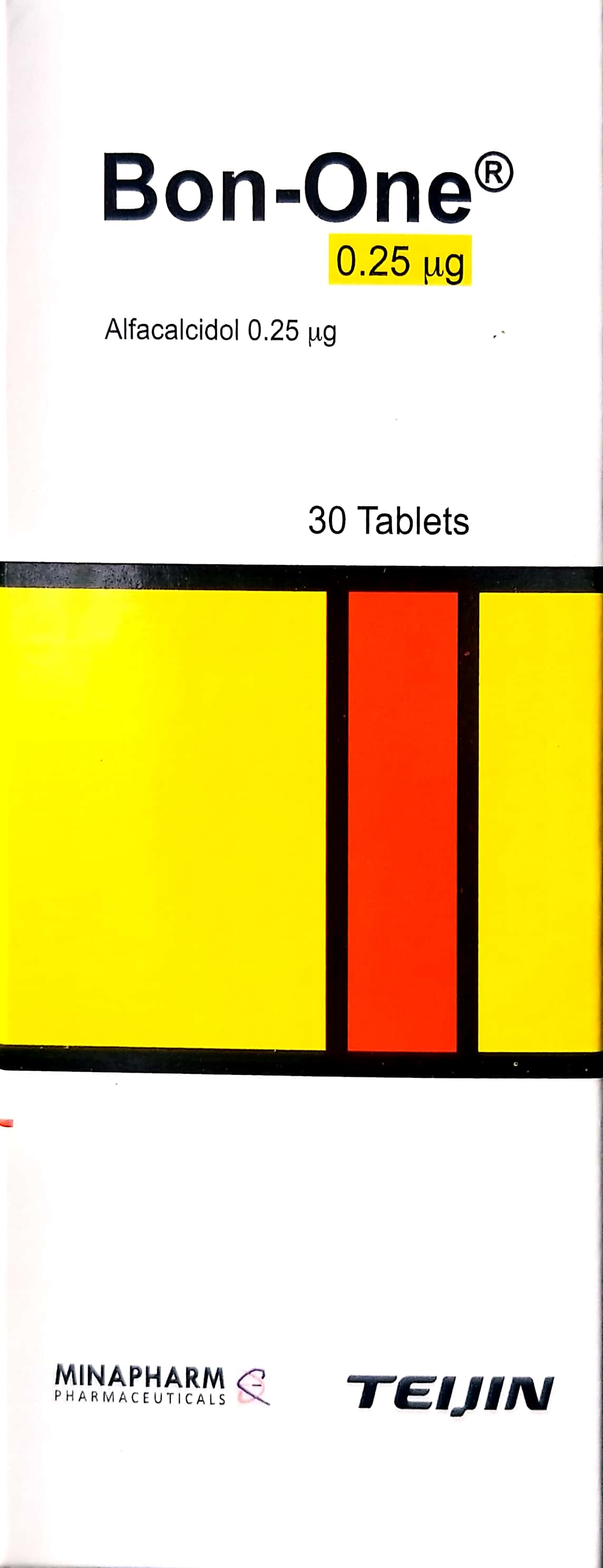
In the management of ectopic parathyroid adenoma, a multidisciplinary approach is essential to navigate the diagnostic and therapeutic challenges posed by glands located outside the standard anatomical position. Preoperative stabilization and the management of secondary hyperparathyroidism often necessitate the use of calcimimetics such as Sensipar / سينسيبار 30 mg or vitamin D analogs like Bon-one / بون-ون 0.25mcg, which help optimize metabolic profiles prior to surgical intervention. When surgical resection is indicated, surgeons frequently utilize Minimally Invasive Parathyroidectomy / استئصال الغدة جارة الدرقية طفيف التوغل (عملية كبرى في غرف العمليات) to achieve precise localization and removal, supported by specialized equipment such as Surgical Loupes (3.5x to 4.5x magnification) / عدسات مكبرة جراحية (تكبير 3.5x إلى 4.5x) for enhanced visualization, and standard retractors like the Army-Navy Retractor / مبعد آرمي-نافي or the Laparoscopic Maryland Dissector / مشرط ماريلاند بالمنظار for delicate tissue dissection in deep or atypical spaces. Clinicians are encouraged to review the pathophysiology and clinical implications of these conditions through the Master ABOS Orthopedic Board Review: Paget's, Gout, Hyperparathyroidism | Part 5 to ensure a comprehensive understanding of the skeletal and systemic manifestations associated with parathyroid dysregulation.