Clinical Assessment & Protocol
Typical Presentation (HPI)
EN: Slowly progressive appearance of asymptomatic blue-gray patches on the trunk and upper extremities. AR: ظهور بطيء لبقع زرقاء رمادية عديمة الأعراض على الجذع والأطراف العلوية.
General Examination
EN: Unremarkable or not routinely indicated. AR: طبيعي أو غير مطلوب روتينياً.
Treatment Protocol
EN: Phototherapy (Narrowband UVB) or topical tacrolimus. AR: العلاج الضوئي (أشعة فوق بنفسجية ضيقة النطاق) أو تاكروليموس الموضعي.
Patient Education
EN: Condition is benign but cosmetically concerning; sun protection is advised. AR: الحالة حميدة ولكنها تجميلية؛ ينصح بحماية الجلد من الشمس.
Systemic & Specialized Examinations
EN: S1, S2 present. No murmurs. AR: صوتا القلب الأول والثاني طبيعيان. لا توجد نفخات.
EN: Lungs clear to auscultation. AR: الرئتان صافيتان عند التسمع.
EN: Abdomen soft, non-tender. AR: البطن لين ولا يوجد ألم.
EN: Alert, oriented x3. No focal deficits. AR: المريض واعي ومدرك. لا يوجد عجز عصبي بؤري.
EN: Oval or polycyclic slate-gray macules with an erythematous border in early stages. AR: بقع رمادية بيضاوية أو متعددة الأشكال مع حواف حمامية في المراحل الأولى.
EN: Unremarkable or not routinely indicated. AR: طبيعي أو غير مطلوب روتينياً.
EN: Unremarkable or not routinely indicated. AR: طبيعي أو غير مطلوب روتينياً.
EN: Unremarkable or not routinely indicated. AR: طبيعي أو غير مطلوب روتينياً.
EN: Unremarkable or not routinely indicated. AR: طبيعي أو غير مطلوب روتينياً.
Orthopedic & Trauma Assessments
EN: Unremarkable or not routinely indicated. AR: طبيعي أو غير مطلوب روتينياً.
EN: Unremarkable or not routinely indicated. AR: طبيعي أو غير مطلوب روتينياً.
Erythema Dyschromicum Perstans (EDP): A Comprehensive Clinical Monograph
1. Introduction and Overview
Erythema Dyschromicum Perstans (EDP), historically known as "Ashy Dermatosis" or Dermatosis Cenicienta, is a rare, chronic, and acquired pigmentary disorder characterized by the insidious onset of slate-gray to bluish-gray macules and patches. First described by Ramirez in 1957, EDP presents a diagnostic challenge due to its subtle clinical appearance and its histological overlap with other interface dermatitides, most notably Lichen Planus Pigmentosus (LPP).
The condition typically affects the trunk, neck, and proximal extremities. While it is considered a benign condition in terms of systemic health, it carries significant psychological morbidity due to its chronic nature, the difficulty of treatment, and the cosmetic impact on patients with darker skin phototypes (Fitzpatrick types III-VI).
2. Etiology and Pathophysiology
The exact etiology of EDP remains elusive, though it is widely categorized as a form of lichenoid tissue reaction. Current medical consensus suggests a multifactorial origin involving genetic predisposition, immunological dysfunction, and environmental triggers.
Pathophysiological Mechanisms
The hallmark of EDP is a vacuolar interface dermatitis. The mechanism follows a distinct cascade:
1. Cytotoxic T-Cell Activation: CD8+ T-lymphocytes infiltrate the dermo-epidermal junction.
2. Basal Layer Damage: These lymphocytes induce apoptosis of basal keratinocytes, likely via the release of granzyme B and perforin.
3. Pigment Incontinence: As the basal layer is destroyed, melanin pigment drops into the papillary dermis.
4. Dermal Macrophage Phagocytosis: Dermal melanophages engulf the free melanin, leading to the characteristic "ashy" or slate-gray hue due to the Tyndall effect.
Potential Triggers
| Category | Potential Etiological Factors |
|---|---|
| Chemical/Drug | Contrast media, sulfonamides, ammonium nitrate, benzodiazepines |
| Infectious | Helicobacter pylori, Hepatitis C virus, Mycobacterium tuberculosis |
| Environmental | Pesticide exposure, UV radiation, heavy metals |
| Genetic | HLA-DR4, HLA-DQB1*0301 (suggests MHC class II association) |
3. Clinical Presentation and Staging
EDP is clinically categorized into two primary phases: the Active Phase and the Residual Phase.
The Active Phase
- Lesion Appearance: Small, erythematous, or slightly raised papules or macules with a distinct, often elevated, erythematous border.
- Distribution: Symmetrical distribution on the trunk, neck, and proximal arms.
- Symptomatology: Patients may report mild pruritus, particularly during the early, inflammatory stages.
The Residual Phase
- Lesion Appearance: The erythema fades, leaving behind the characteristic slate-gray or ash-colored hyperpigmentation.
- Progression: Lesions tend to expand peripherally over months or years, often coalescing into large, confluent patches.
- Stability: Once the active border disappears, the pigmentation can persist indefinitely, showing little to no tendency for spontaneous resolution.
4. Differential Diagnosis
Due to the clinical presentation of gray-blue patches, clinicians must differentiate EDP from several other pigmentary disorders.
| Diagnosis | Key Distinguishing Features |
|---|---|
| Lichen Planus Pigmentosus (LPP) | Typically involves sun-exposed areas and intertriginous folds; often associated with oral lichen planus. |
| Fixed Drug Eruption | Usually episodic; lesions recur in the exact same location after drug re-exposure. |
| Post-Inflammatory Hyperpigmentation | History of antecedent cutaneous inflammation or trauma is usually present. |
| Macular Amyloidosis | Characterized by a "rippled" pattern and intense pruritus; histology shows amyloid deposits. |
| Addison’s Disease | Diffuse hyperpigmentation, primarily in mucous membranes and palmar creases; systemic symptoms present. |
5. Diagnostic Approach and Key Tests
Diagnosis is primarily clinical, but histological confirmation is essential to exclude mimics.
Histopathology
A 4mm punch biopsy from the active border is the gold standard. Key findings include:
* Epidermis: Hyperkeratosis and atrophy of the epidermis with vacuolar degeneration of the basal layer.
* Dermis: A band-like or lichenoid infiltrate of lymphocytes and histiocytes in the upper dermis.
* Pigment: Significant pigment incontinence and an abundance of dermal melanophages.
Laboratory Workup
While there are no specific biomarkers for EDP, the following is recommended to rule out underlying systemic triggers:
1. Complete Blood Count (CBC) and CMP: To assess baseline health.
2. Serology: Hepatitis C screening and H. pylori breath/stool testing.
3. Autoimmune Panel: ANA (Antinuclear Antibody) to rule out SLE or other connective tissue diseases.
6. Treatment Modalities and Management
Managing EDP is notoriously difficult, as the condition is often recalcitrant to standard therapies. Treatment is aimed at halting the active inflammatory border.
Pharmacological Interventions
- Topical Corticosteroids: High-potency steroids may reduce erythema in the early stages but rarely affect established gray pigmentation.
- Calcineurin Inhibitors: Tacrolimus 0.1% ointment has shown utility in reducing the inflammatory border.
- Systemic Agents:
- Dapsone: Often considered the first-line systemic treatment due to its anti-inflammatory and anti-neutrophilic properties.
- Clofazimine: Historically used for leprosy, it has demonstrated success in EDP by modulating the immune response.
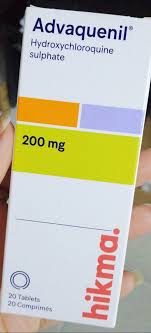
- Hydroxychloroquine: Used for its immunomodulatory effects in chronic lichenoid conditions.
Procedural Interventions
- Chemical Peels: Glycolic acid or TCA peels may help with cosmetic appearance but carry a risk of exacerbating the underlying inflammation.
- Laser Therapy: Q-switched Nd:YAG lasers have been attempted; however, results are inconsistent, and there is a significant risk of post-inflammatory hyperpigmentation.
7. Prognosis and Long-Term Outlook
EDP is a chronic, non-lethal condition. The prognosis regarding systemic health is excellent, as the disease does not involve internal organs. However, the prognosis for complete clearance is guarded.
- Spontaneous Resolution: Rare, though some patients note a gradual lightening of lesions after many years.
- Psychosocial Impact: The visible nature of the disease can lead to significant anxiety, depression, and social withdrawal. Holistic management must include psychological support.
- Malignant Transformation: There is no evidence suggesting that EDP is a precursor to cutaneous malignancy.
8. Frequently Asked Questions (FAQ)
1. Is Erythema Dyschromicum Perstans contagious?
No. EDP is a non-infectious, acquired inflammatory condition. It cannot be transmitted through skin-to-skin contact.
2. Can diet affect the progression of EDP?
There is no clinical evidence linking specific diets to the progression of EDP. However, maintaining a balanced diet is recommended for general skin health.
3. Does the "ashy" color ever go away?
Unfortunately, the gray pigmentation is often permanent. Treatment focuses on stopping the active phase to prevent further expansion of the patches.
4. Is EDP the same as Lichen Planus Pigmentosus?
They are closely related and share histological features. Many experts believe they exist on a clinical spectrum, but they are often categorized separately due to differences in distribution and clinical presentation.
5. Are there any triggers I should avoid?
While triggers are individualized, it is prudent to avoid unnecessary exposure to known contact allergens, heavy metals, and, when possible, excessive UV radiation.
6. Can EDP be cured with laser treatments?
Laser treatment is controversial. While it can reduce pigment, it can also stimulate the inflammatory process, potentially worsening the condition. It should only be performed by experienced dermatologists.
7. Is EDP associated with internal organ disease?
No. EDP is restricted to the skin. It is not a sign of internal systemic disease, although screening for infections like H. pylori is standard practice.
8. How do I differentiate EDP from a simple birthmark?
Birthmarks are usually present at birth or early childhood and remain stable. EDP is an acquired condition that develops later in life and typically exhibits an active, shifting border.
9. What is the role of sunscreen in EDP?
UV radiation is a known trigger for pigmentary disorders. Broad-spectrum sunscreen is highly recommended to prevent further darkening of existing patches and to protect the skin barrier.
10. Can I wear makeup to cover the lesions?
Yes. Medical-grade camouflage makeup is an excellent tool for improving the quality of life and self-esteem of patients with EDP.
9. Clinical Conclusion
Erythema Dyschromicum Perstans remains one of the most enigmatic pigmentary disorders in dermatology. While the prognosis for physical health is positive, the therapeutic landscape remains limited. The focus of modern clinical management is early recognition, biopsy confirmation, and the judicious use of anti-inflammatory agents to stabilize the active border. Further research into the genetic markers of the disease may eventually lead to targeted biological therapies, offering hope for those burdened by this persistent and cosmetically challenging condition.
Disclaimer: This guide is for educational and informational purposes only. It does not constitute medical advice, diagnosis, or treatment. Always seek the advice of a board-certified dermatologist or qualified healthcare provider with any questions regarding a medical condition.
Related Clinical Integration
In the management of Erythema Dyschromicum Perstans, a definitive diagnosis is typically established through a Skin Biopsy for Nerve Fiber Density / خزعة الجلد لتحديد كثافة الألياف العصبية (عملية صغرى في العيادة), which requires the use of a Punch biopsy tool (various sizes) OR Scalpel (#15 blade) / أداة خزعة بالثقب (بأحجام مختلفة) أو مشرط (شفرة رقم 15) to obtain high-quality histopathological samples for differential analysis. While advanced surgical tools such as the Harmonic Scalpel / مشرط هارمونيك are generally reserved for complex excisional procedures rather than routine diagnostic sampling, they remain part of our broader dermatological surgical inventory. Once the diagnosis is confirmed, clinicians may initiate therapeutic interventions, including the administration of Advaquenil 200mg 200mg, to manage the inflammatory components and pigmentary changes associated with this chronic condition.