Clinical Assessment & Protocol
Typical Presentation (HPI)
EN: Patient reports new bumps appearing on the trunk and limbs over months. AR: المريض يشتكي من ظهور نتوءات جديدة على الجذع والأطراف على مدى أشهر.
General Examination
EN: Unremarkable or not routinely indicated. AR: طبيعي أو غير مطلوب روتينياً.
Treatment Protocol
EN: Phototherapy (PUVA) or systemic immunosuppressants. AR: العلاج الضوئي (PUVA) أو مثبطات المناعة الجهازية.
Patient Education
EN: Long-term monitoring for systemic associations. AR: مراقبة طويلة الأمد للارتباطات الجهازية.
Systemic & Specialized Examinations
EN: S1, S2 present. No murmurs. AR: صوتا القلب الأول والثاني طبيعيان. لا توجد نفخات.
EN: Lungs clear to auscultation. AR: الرئتان صافيتان عند التسمع.
EN: Abdomen soft, non-tender. AR: البطن لين ولا يوجد ألم.
EN: Alert, oriented x3. No focal deficits. AR: المريض واعي ومدرك. لا يوجد عجز عصبي بؤري.
EN: Widespread annular plaques and papules. AR: لويحات وحطاطات حلقية واسعة الانتشار.
EN: Unremarkable or not routinely indicated. AR: طبيعي أو غير مطلوب روتينياً.
EN: Unremarkable or not routinely indicated. AR: طبيعي أو غير مطلوب روتينياً.
EN: Unremarkable or not routinely indicated. AR: طبيعي أو غير مطلوب روتينياً.
EN: Unremarkable or not routinely indicated. AR: طبيعي أو غير مطلوب روتينياً.
Clinical Guide: Generalized Granuloma Annulare (GGA)
1. Comprehensive Introduction & Overview
Generalized Granuloma Annulare (GGA) represents a distinct, chronic, and often recalcitrant variant of the broader granuloma annulare (GA) spectrum. While localized GA typically presents as solitary or few annular plaques, GGA is defined by the widespread distribution of lesions, typically involving more than 10 sites or covering significant body surface area, including the trunk, extremities, and occasionally the palms and soles.
Clinically, GGA is characterized by the eruption of numerous small, skin-colored, erythematous, or violaceous papules that may coalesce into annular configurations with central clearing. Unlike the localized form, which often undergoes spontaneous resolution in children, GGA is notoriously persistent, frequently affecting adults in the fourth to sixth decades of life, and is often associated with underlying metabolic dysregulation, most notably diabetes mellitus and thyroid disease.
This guide serves as a clinical reference for dermatologists, rheumatologists, and primary care physicians tasked with the diagnosis and management of this complex inflammatory dermatosis.
2. Pathophysiology and Etiology: The Mechanisms of GGA
The precise etiology of Generalized Granuloma Annulare remains elusive; however, it is currently categorized as a T-cell-mediated delayed-type hypersensitivity reaction. The pathogenesis involves a complex interplay between cell-mediated immunity and localized connective tissue degradation.
The Mechanism of Action
- Antigenic Trigger: A putative antigen—potentially an exogenous trigger or an endogenous alteration in collagen—initiates a response.
- T-Lymphocyte Recruitment: CD4+ Th1 lymphocytes infiltrate the dermis, releasing pro-inflammatory cytokines, specifically Interferon-gamma (IFN-γ) and Tumor Necrosis Factor-alpha (TNF-α).
- Macrophage Activation: These cytokines recruit macrophages, which transform into histiocytes.
- Collagenolysis: Activated histiocytes release matrix metalloproteinases (MMPs), leading to the degradation of dermal collagen and the deposition of mucin (hyaluronic acid).
- Granuloma Formation: The resulting necrobiotic collagen, surrounded by palisading histiocytes, creates the classic "ring" structure observed clinically.
Associated Systemic Factors
While GA is a cutaneous condition, GGA shows a stronger correlation with systemic comorbidities than its localized counterpart:
* Diabetes Mellitus: Frequent association, though the correlation with glycemic control is inconsistent.
* Hyperlipidemia: Specifically elevated LDL and triglycerides.
* Thyroid Disorders: Hashimoto’s thyroiditis and other autoimmune thyroid conditions.
* Malignancy: Rare reports exist linking GGA to solid tumors or hematologic malignancies (paraneoplastic GA).
3. Clinical Presentation and Diagnostic Criteria
GGA presents with a high degree of clinical polymorphism. The hallmark is the widespread dissemination of papules.
Clinical Staging and Grading
There is no universally accepted "staging" system for GGA, but clinicians often grade severity based on:
* Extent: Percentage of Body Surface Area (BSA) affected.
* Configuration: Papular vs. Annular vs. Patch-like.
* Symptomatology: Presence of pruritus or tenderness (common in GGA, unlike localized GA).
Diagnostic Table: GGA vs. Localized GA
| Feature | Localized GA | Generalized GA (GGA) |
|---|---|---|
| Distribution | Distal extremities | Trunk, proximal extremities, diffuse |
| Lesion Count | Usually < 5 | Usually > 10–20 |
| Onset Age | Childhood/Young Adult | Adults (40–60 years) |
| Spontaneous Resolution | Common | Rare |
| Systemic Association | Low | Higher (Diabetes, Thyroid) |
4. Differential Diagnosis
Distinguishing GGA from other annular dermatoses is critical to avoiding inappropriate therapeutic interventions.
- Necrobiosis Lipoidica (NL): Typically involves the shins; lesions are more sclerotic with prominent telangiectasia and yellow-brown atrophy.
- Annular Sarcoidosis: Often presents with indurated, "apple-jelly" colored plaques; biopsy reveals "naked" granulomas (lack of peripheral inflammatory infiltrate).
- Tinea Corporis: Usually unilateral or asymmetric, scaling at the advancing border, and KOH positive for fungal elements.
- Subacute Cutaneous Lupus Erythematosus (SCLE): Photosensitive distribution, positive ANA/Ro/La antibodies, and interface dermatitis on histology.
- Erythema Annulare Centrifugum (EAC): Characterized by a "trailing scale" and rapid migration of borders.
5. Key Diagnostic Tests and Procedures
Diagnosis is primarily clinical, but confirmation via biopsy is standard practice in generalized presentations.
Histopathology
- Necrobiotic Collagen: Areas of degenerated collagen fibers in the dermis.
- Palisading Histiocytes: A "fence" of histiocytes surrounding the necrobiotic center.
- Mucin Deposition: Confirmed with Alcian Blue or colloidal iron stains.
- Absence of Infection: Periodic acid-Schiff (PAS) stain to exclude fungal pathogens.
Recommended Lab Workup
Given the systemic associations, the following are recommended for all new GGA patients:
* Fasting Blood Glucose / HbA1c: To rule out undiagnosed diabetes.
* Lipid Panel: To assess for dyslipidemia.
* Thyroid Function Tests (TSH/T4): To exclude thyroid dysfunction.
* Complete Blood Count (CBC) & ESR/CRP: To assess for systemic inflammatory markers.
6. Management and Therapeutic Indications
GGA is often resistant to topical therapies. Systemic intervention is frequently required.
First-Line Therapies
- Potent Topical Steroids: Clobetasol propionate under occlusion for localized clusters.
- Intralesional Triamcinolone: Effective for solitary, symptomatic plaques.
Second-Line/Systemic Therapies
- Phototherapy (NB-UVB): Often the first-line systemic approach; requires multiple sessions per week.
- Hydroxychloroquine: Modulates the immune response; requires baseline ophthalmologic exam.
- Dapsone: Effective due to anti-neutrophilic and anti-inflammatory properties.
- Methotrexate: Immunosuppressive agent for recalcitrant cases.
Emerging/Third-Line Therapies
- TNF-alpha Inhibitors: (e.g., Adalimumab, Infliximab) used in severe, refractory cases.
- JAK Inhibitors: (e.g., Tofacitinib) currently under investigation for refractory granulomatous diseases.
7. Risks, Side Effects, and Contraindications
When employing systemic treatments for GGA, clinicians must consider the following:
- Corticosteroids: Risks include skin atrophy, telangiectasia, and systemic hypothalamic-pituitary-adrenal (HPA) axis suppression.
- Hydroxychloroquine: Retinal toxicity is the primary concern; necessitates annual dilated eye exams.
- Methotrexate: Requires monitoring of LFTs (liver function tests), CBC (bone marrow suppression), and avoidance of alcohol.
- TNF-alpha Inhibitors: Increased risk of serious infection, reactivation of latent tuberculosis, and rare demyelinating conditions.
8. Frequently Asked Questions (FAQ)
1. Is Generalized Granuloma Annulare contagious?
No. GGA is an inflammatory, non-infectious condition. It cannot be transmitted through touch or environmental contact.
2. Is GGA a sign of cancer?
While "paraneoplastic" GA exists, it is extremely rare. However, a sudden onset of widespread skin lesions in an older adult always warrants a thorough physical examination and age-appropriate cancer screening.
3. Does weight loss help GGA?
In patients with associated metabolic syndrome or diabetes, weight management and glycemic control can sometimes stabilize the disease, though they rarely result in total remission.
4. Why does the skin look "ringed"?
The ring structure is a visual representation of the body's immune system trying to isolate and "wall off" the damaged collagen in the center of the lesion.
5. Can GGA be cured?
GGA is considered a chronic, relapsing condition. While long-term remission is possible with treatment, the potential for recurrence remains high.
6. Does sunlight help or hurt GGA?
Most patients find that narrowband UVB phototherapy helps, but unprotected sun exposure may exacerbate some inflammatory dermatoses. Controlled, medical phototherapy is preferred over tanning beds.
7. What is the difference between GA and Necrobiosis Lipoidica?
While both are granulomatous, NL is more strongly associated with diabetes, has a predilection for the shins, and often exhibits significant skin atrophy and vascular changes.
8. Are there dietary changes that improve GGA?
There is no specific "GA diet." However, a low-glycemic index diet is recommended for patients with underlying insulin resistance or diabetes.
9. Can I use over-the-counter creams?
OTC hydrocortisone is generally too weak for GGA. Prescription-strength topical steroids or specialized systemic treatments are required for meaningful improvement.
10. Does GGA cause scarring?
Typically, no. GA usually heals without scarring or atrophy. However, post-inflammatory hyperpigmentation (PIH) is common, especially in darker skin tones.
9. Long-Term Prognosis and Monitoring
The long-term prognosis for Generalized Granuloma Annulare is generally favorable regarding systemic health, provided that underlying metabolic conditions are managed. The primary burden is cosmetic and psychological.
Monitoring Strategy
- Quarterly Visits: To assess treatment response and adjust systemic doses.
- Annual Screening: For patients on long-term methotrexate or hydroxychloroquine.
- Metabolic Maintenance: Annual HbA1c and lipid screening to ensure no development of overt diabetes or cardiovascular risk.
Conclusion
Generalized Granuloma Annulare is a complex dermatologic manifestation that requires a multidisciplinary approach. By understanding the underlying inflammatory pathways, clinicians can transition from simple palliative care to targeted immunomodulatory strategies, significantly improving the quality of life for patients afflicted with this persistent condition.
Disclaimer: This guide is intended for clinical educational purposes and does not replace professional medical judgment. Always tailor treatment plans to individual patient health profiles and local clinical guidelines.
Related Clinical Integration
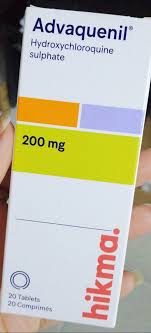
In the management of Generalized Granuloma Annulare, a multidisciplinary approach is essential to address both systemic inflammation and localized cutaneous manifestations. Clinicians often utilize Advaquenil 200mg 200mg as a therapeutic intervention to modulate the immune response, while refractory or widespread lesions may necessitate Phototherapy (Bili Lights) / العلاج الضوئي (أضواء البيليروبين) (برنامج إعادة التأهيل) to induce localized remission and improve skin barrier integrity. Furthermore, because patients with chronic inflammatory dermatoses may present with secondary complications or require differential diagnosis from other inflammatory processes, practitioners should consult Hand Infections: Principles, Diagnosis, and Surgical Management to ensure accurate clinical assessment and to distinguish granulomatous patterns from infectious etiologies.