Clinical Assessment & Protocol
Typical Presentation (HPI)
EN: Patient presents with intermittent pellagra-like skin rash, photosensitivity, and episodes of cerebellar ataxia. AR: مريض يعاني من طفح جلدي متقطع يشبه البلاغرا، وحساسية للضوء، ونوبات من الرنح المخيخي.
General Examination
EN: Neurological examination showing gait instability and dermis showing scaly, hyperpigmented rashes in sun-exposed areas. AR: الفحص العصبي يظهر عدم استقرار في المشية والجلد يظهر طفحاً قشرياً مفرط التصبغ في المناطق المعرضة للشمس.
Treatment Protocol
EN: High-protein diet and oral nicotinamide supplementation. AR: نظام غذائي عالي البروتين ومكملات النيكوتيناميد عن طريق الفم.
Patient Education
EN: Avoidance of direct sun exposure and consistent protein intake to prevent metabolic crisis. AR: تجنب التعرض المباشر للشمس وتناول البروتين بشكل ثابت لمنع الأزمات الأيضية.
Systemic & Specialized Examinations
EN: S1, S2 present. No murmurs. AR: صوتا القلب الأول والثاني طبيعيان. لا توجد نفخات.
EN: Lungs clear to auscultation. AR: الرئتان صافيتان عند التسمع.
EN: Abdomen soft, non-tender. AR: البطن لين ولا يوجد ألم.
EN: Alert, oriented x3. No focal deficits. AR: المريض واعي ومدرك. لا يوجد عجز عصبي بؤري.
EN: Unremarkable or not routinely indicated. AR: طبيعي أو غير مطلوب روتينياً.
EN: Unremarkable or not routinely indicated. AR: طبيعي أو غير مطلوب روتينياً.
EN: Unremarkable or not routinely indicated. AR: طبيعي أو غير مطلوب روتينياً.
EN: Unremarkable or not routinely indicated. AR: طبيعي أو غير مطلوب روتينياً.
EN: Unremarkable or not routinely indicated. AR: طبيعي أو غير مطلوب روتينياً.
Hartnup Disease: A Comprehensive Clinical Monograph
1. Comprehensive Introduction & Overview
Hartnup disease is a rare, autosomal recessive metabolic disorder characterized by the impaired transport of neutral amino acids (specifically tryptophan) in the proximal renal tubules and the absorptive cells of the small intestine. First described in 1956 by Baron et al. in a family named "Hartnup," this condition manifests as a pellagra-like dermatosis, cerebellar ataxia, and neuropsychiatric symptoms, primarily due to the secondary deficiency of niacin (vitamin B3), which is synthesized from tryptophan.
While the biochemical defect is present from birth, the clinical phenotype is highly variable. Many individuals remain asymptomatic throughout their lives, while others present with episodic exacerbations often triggered by metabolic stress, poor nutrition, or systemic illness. Understanding Hartnup disease requires a deep appreciation for the SLC6A19 gene, the neutral amino acid transporter (B0AT1), and the intricate relationship between amino acid metabolism and vitamin B3 homeostasis.
2. Technical Specifications & Pathophysiology
The Molecular Mechanism
The core defect in Hartnup disease lies in the SLC6A19 gene, which encodes the B0AT1 transporter. This sodium-dependent, chloride-independent neutral amino acid transporter is expressed predominantly in the brush border membrane of the renal proximal tubule and the small intestine.
- Renal Impact: The kidney fails to reabsorb neutral amino acids (alanine, serine, threonine, valine, leucine, isoleucine, phenylalanine, tyrosine, tryptophan, and histidine) from the glomerular filtrate. This leads to massive neutral aminoaciduria.
- Gastrointestinal Impact: The intestine fails to absorb these same amino acids from dietary protein.
- The Tryptophan-Niacin Axis: The most clinically significant consequence is the deficiency of tryptophan. Tryptophan is a precursor for the endogenous synthesis of nicotinamide (niacin/vitamin B3). When tryptophan absorption is compromised, the body cannot synthesize sufficient niacin, leading to symptoms mimicking pellagra.
Pathophysiological Cascade
| Stage | Mechanism | Clinical Result |
|---|---|---|
| Primary Defect | SLC6A19 mutation | Defective B0AT1 transport |
| Nutrient Loss | Renal/GI malabsorption | Neutral aminoaciduria & fecal excretion |
| Metabolic Shift | Decreased Tryptophan | Reduced Nicotinamide synthesis |
| End-Organ Damage | NAD+/NADP+ depletion | Dermatitis, Ataxia, Psychosis |
3. Clinical Indications, Presentation, and Staging
Standard Presentation
The classic triad of Hartnup disease includes:
1. Dermatitis: A photosensitive, pellagra-like rash occurring on sun-exposed areas. It is typically red, scaly, and may become crusted or hyperpigmented.
2. Neurological Dysfunction: Intermittent cerebellar ataxia, including gait instability, tremors, and nystagmus.
3. Psychiatric Manifestations: Emotional lability, anxiety, hallucinations, and occasionally delirium.
Clinical Staging
While there is no formal "staging" system, clinicians often categorize the condition by symptom severity:
- Subclinical/Asymptomatic: The majority of patients. Diagnosed only via biochemical screening or family history.
- Mild/Episodic: Occasional rashes or mild dizziness triggered by high-stress states or dietary insufficiency.
- Severe/Acute: Overt pellagra symptoms, persistent ataxia, and cognitive decline, requiring immediate nutritional intervention.
Differential Diagnosis
It is critical to distinguish Hartnup disease from other conditions presenting with similar neurological or dermatological findings:
- Pellagra (Dietary Niacin Deficiency): Clinically identical, but biochemical testing will reveal normal amino acid levels in urine.
- Cerebellar Ataxias: Including spinocerebellar degeneration or Friedreich’s ataxia.
- Maple Syrup Urine Disease (MSUD): While also an amino acid disorder, MSUD presents with metabolic acidosis and a distinct sweet odor, unlike the neutral aminoaciduria of Hartnup.
- Carcinoid Syndrome: Can cause tryptophan diversion, leading to niacin deficiency.
4. Diagnostics and Testing
Key Diagnostic Tests
Diagnosis is confirmed through a combination of chromatography and genetic analysis.
- Urine Amino Acid Chromatography: The gold standard. It reveals a characteristic pattern of massive generalized neutral aminoaciduria (specifically: alanine, serine, threonine, valine, leucine, isoleucine, phenylalanine, tyrosine, tryptophan, and histidine).
- Indicanuria: Increased levels of indican in the urine, caused by the bacterial degradation of unabsorbed tryptophan in the gut.
- Molecular Genetic Testing: Sequencing of the SLC6A19 gene to identify homozygous or compound heterozygous mutations.
- Serum Amino Acids: Usually normal or slightly low due to compensatory mechanisms.
5. Risks, Contraindications, and Management
Management Strategy
The prognosis for Hartnup disease is excellent, provided the condition is recognized early. Management is supportive and focuses on bypassing the metabolic block.
- High-Protein Diet: Ensures that even with reduced transport efficiency, the absolute amount of absorbed amino acids is sufficient.
- Niacin Supplementation: Nicotinamide (50–200 mg/day) is the standard of care to replace the deficit caused by poor tryptophan absorption.
- Photoprotection: Use of high-SPF sunscreens and protective clothing to manage the photosensitive dermatitis.
- Avoidance of Triggers: Sulfonamides and other drugs that may inhibit amino acid transport or exacerbate metabolic stress should be used with caution.
Long-term Prognosis
With consistent niacin supplementation and adequate nutrition, the neurological and dermatological symptoms typically resolve completely. Most patients live a normal life expectancy. If left untreated, severe neurological damage or chronic malnutrition may occur, though this is rare in modern clinical settings.
6. Massive FAQ Section
1. Is Hartnup disease curable?
It is not "cured" in the sense of fixing the gene, but it is highly treatable. With proper supplementation, patients can lead completely normal, symptom-free lives.
2. Is Hartnup disease fatal?
In modern medical settings, it is rarely fatal. Death would only occur in extreme cases of untreated severe malnutrition or secondary complications from neurological impairment.
3. Does Hartnup disease affect life expectancy?
No. With proper dietary management and niacin supplementation, patients have a normal life expectancy.
4. How is the disease inherited?
It follows an autosomal recessive pattern. Both parents must be carriers for a child to be affected. There is a 25% chance of the disease in each pregnancy if both parents are carriers.
5. Why is the rash only on sun-exposed skin?
The rash is a photosensitive dermatitis. The metabolic deficiency of niacin impairs the skin’s ability to repair damage caused by ultraviolet (UV) light, leading to the pellagra-like appearance.
6. Can I eat whatever I want if I take niacin?
While niacin is the primary treatment, a balanced, high-protein diet is essential to ensure the body receives enough essential amino acids that are not being absorbed properly in the gut.
7. Is there a way to prevent the disease in an unborn child?
No, it is a genetic condition. However, pre-conception genetic counseling can help parents understand the risks of transmission.
8. Are there any medications I should avoid?
Certain drugs like sulfonamides can interfere with amino acid absorption or exacerbate the condition. Always consult an expert metabolic specialist before starting new medications.
9. Can Hartnup disease cause intellectual disability?
If left untreated during childhood, severe and prolonged nutritional deficiencies can potentially lead to developmental delays or cognitive impairment. Early detection is key.
10. Do I need to see a specialist for this?
Yes, management of Hartnup disease should be overseen by a metabolic geneticist or a metabolic dietitian who specializes in amino acid disorders.
7. Clinical Summary Table: Quick Reference
| Feature | Description |
|---|---|
| Gene | SLC6A19 |
| Inheritance | Autosomal Recessive |
| Defect | Impaired B0AT1 neutral amino acid transporter |
| Diagnostic Marker | Massive neutral aminoaciduria |
| Primary Treatment | Niacin/Nicotinamide supplementation |
| Dietary Focus | High protein diet |
| Prognosis | Excellent with adherence |
8. Conclusion for Medical Professionals
Hartnup disease remains a classic example of how a specific genetic defect in nutrient transport can cascade into a systemic clinical syndrome. While the biochemical signature (neutral aminoaciduria) is permanent, the clinical phenotype is highly responsive to dietary and pharmacological intervention. As an orthopedic or clinical specialist, it is vital to keep this condition in the differential when evaluating patients with "unexplained" photosensitive rashes, episodic ataxia, or psychiatric symptoms, particularly when these symptoms correlate with periods of nutritional or metabolic stress. Early identification via urine chromatography remains the most effective tool in preventing the long-term sequelae of this condition.
Related Clinical Integration
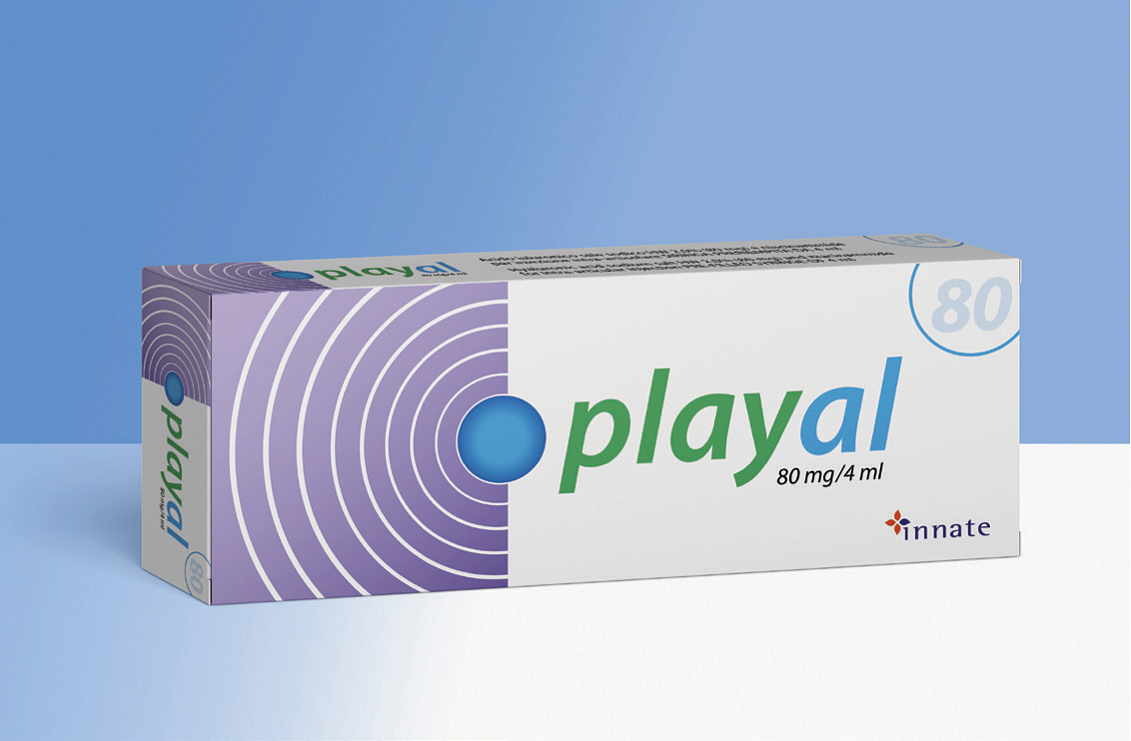
In the clinical management of Hartnup disease, the primary therapeutic strategy focuses on addressing the underlying niacin deficiency resulting from impaired neutral amino acid transport. Because patients often present with pellagra-like dermatological and neurological manifestations due to this metabolic disruption, clinicians must prioritize nutritional supplementation and symptom stabilization. In our hospital system, we facilitate this care pathway by integrating the prescription of Playal / بلايال 80mg + 20mg, which serves as a critical pharmacological intervention to support metabolic requirements and mitigate the systemic effects of the disorder. By utilizing Playal / بلايال 80mg + 20mg within a structured treatment protocol, our medical team ensures that patients receive standardized, evidence-based support to manage the chronic sequelae associated with this rare genetic condition.