Clinical Assessment & Protocol
Typical Presentation (HPI)
EN: Intermittent photosensitive rash, cerebellar ataxia, and emotional lability. AR: طفح جلدي حساس للضوء متقطع، رنح مخيخي، وتقلب عاطفي.
General Examination
EN: Neutral aminoaciduria detected on urine chromatography. AR: بيلة حمضية أمينية متعادلة مكتشفة في كروماتوغرافيا البول.
Treatment Protocol
EN: High protein diet and nicotinamide supplementation. AR: حمية عالية البروتين ومكملات النيكوتيناميد.
Patient Education
EN: Avoidance of excessive sun exposure and maintenance of adequate protein intake. AR: تجنب التعرض المفرط للشمس والحفاظ على تناول كافٍ من البروتين.
Systemic & Specialized Examinations
EN: S1, S2 present. No murmurs. AR: صوتا القلب الأول والثاني طبيعيان. لا توجد نفخات.
EN: Lungs clear to auscultation. AR: الرئتان صافيتان عند التسمع.
EN: Abdomen soft, non-tender. AR: البطن لين ولا يوجد ألم.
EN: Alert, oriented x3. No focal deficits. AR: المريض واعي ومدرك. لا يوجد عجز عصبي بؤري.
EN: Unremarkable or not routinely indicated. AR: طبيعي أو غير مطلوب روتينياً.
EN: Unremarkable or not routinely indicated. AR: طبيعي أو غير مطلوب روتينياً.
EN: Unremarkable or not routinely indicated. AR: طبيعي أو غير مطلوب روتينياً.
EN: Unremarkable or not routinely indicated. AR: طبيعي أو غير مطلوب روتينياً.
EN: Unremarkable or not routinely indicated. AR: طبيعي أو غير مطلوب روتينياً.
Comprehensive Clinical Guide: Hartnup-like Disorder (Tryptophan Malabsorption)
1. Introduction and Overview
Hartnup-like disorder, clinically categorized as a form of neutral aminoaciduria, represents a rare metabolic impairment involving the transport of neutral amino acids. While the classic Hartnup disease is an autosomal recessive disorder caused by mutations in the SLC6A19 gene (encoding the B0AT1 transporter), "Hartnup-like" presentations often encompass secondary malabsorption syndromes or phenocopies where tryptophan and other monoaminocarboxylic amino acids are lost via renal or intestinal pathways.
Tryptophan is a critical essential amino acid, serving as the primary precursor for the synthesis of nicotinamide (Vitamin B3), serotonin, and melatonin. When systemic bioavailability of tryptophan is compromised, the patient enters a state of functional pellagra—a condition characterized by dermatitis, diarrhea, and dementia. This guide serves as an authoritative resource for clinicians navigating the diagnostic and therapeutic complexities of tryptophan malabsorption.
2. Deep-Dive: Etiology and Pathophysiology
The Molecular Mechanism
At the cellular level, the reabsorption of neutral amino acids (tryptophan, alanine, asparagine, glutamine, histidine, isoleucine, leucine, phenylalanine, serine, threonine, tyrosine, and valine) occurs primarily in the proximal convoluted tubule of the kidney and the brush border membrane of the small intestine.
- The SLC6A19 Transporter: In classical Hartnup disease, the B0AT1 transporter is defective. In "Hartnup-like" disorders, the mechanism may involve an environmental trigger, such as gut dysbiosis, chronic inflammatory bowel disease, or pharmacological interference that disrupts the electrochemical gradient required for secondary active transport.
- The Tryptophan-Niacin Axis: Under normal physiological conditions, approximately 1–2% of dietary tryptophan is converted into nicotinamide. When tryptophan transport is inhibited, the endogenous synthesis of NAD+ (Nicotinamide Adenine Dinucleotide) drops precipitously. This leads to profound cellular energy failure, particularly in tissues with high metabolic turnover, such as the skin and the central nervous system.
Pathophysiological Cascade
| Stage | Physiological Impact | Clinical Manifestation |
|---|---|---|
| Stage 1: Depletion | Serum tryptophan levels drop below critical thresholds. | Asymptomatic / Subtle fatigue. |
| Stage 2: Metabolic Shift | NAD+ deficiency affects PARP and Sirtuin activity. | Photosensitivity, glossitis. |
| Stage 3: Neuro-Dermatological | Impaired serotonin/melatonin synthesis. | Ataxia, psychosis, dermatitis. |
3. Clinical Indications and Presentation
Standard Presentation
The clinical phenotype is highly variable, often exacerbated by physiological stress, infection, or poor nutritional intake. Clinicians should maintain a high index of suspicion in patients presenting with the classic "Pellagra Triad":
- Dermatitis: A photosensitive, erythematous, scaly rash often appearing on sun-exposed surfaces (the "Casal necklace" around the neck is a hallmark sign).
- Diarrhea: Chronic or intermittent intestinal distress, often resulting in further malabsorption.
- Dementia/Neurological: Cerebellar ataxia, emotional lability, hallucinations, and cognitive impairment.
Diagnostic Workup and Testing
To differentiate Hartnup-like disorders from other malabsorption syndromes, the following diagnostic pipeline is recommended:
- Quantitative Urinary Amino Acid Analysis: The gold standard. Look for massive excretion of neutral amino acids (especially tryptophan, phenylalanine, and leucine) while maintaining normal levels of proline and hydroxyproline (which differentiates it from generalized Fanconi syndrome).
- Plasma Amino Acid Profile: Typically reveals low to low-normal levels of neutral amino acids, confirming a deficit in systemic pool availability.
- Fractional Excretion Analysis: Calculating the fractional excretion of amino acids to confirm a renal tubular origin versus an intestinal malabsorption source.
4. Differential Diagnosis Table
| Diagnosis | Key Distinguishing Feature |
|---|---|
| Classic Hartnup Disease | SLC6A19 genetic mutation; usually presents in childhood. |
| Fanconi Syndrome | Generalized proximal tubule dysfunction (includes glucose, phosphate, and bicarbonate loss). |
| Carcinoid Syndrome | Increased serotonin synthesis consumes tryptophan; urinary 5-HIAA is elevated. |
| Pellagra (Dietary) | Primary Vitamin B3 deficiency without the signature aminoaciduria. |
| Celiac Disease | Villous atrophy; usually presents with iron/folate deficiency alongside symptoms. |
5. Risks, Side Effects, and Contraindications
Risks of Untreated Tryptophan Malabsorption
- Neurological Irreversibility: Prolonged absence of tryptophan-derived neurotransmitters can lead to permanent cognitive decline.
- Secondary Infection: Dermatitis lesions are prone to bacterial superinfection.
- Growth Retardation: In pediatric patients, failure to thrive is a significant risk due to the loss of essential amino acids.
Contraindications in Management
- Avoid Photosensitizing Medications: Drugs like tetracyclines or sulfonamides can exacerbate the dermatological symptoms of Hartnup-like disorders.
- Avoid Low-Protein Diets: Unless under strict metabolic supervision, restricting protein will exacerbate the underlying deficiency.
- Caution with High-Dose Supplementation: Megadoses of isolated amino acids (other than tryptophan/niacin) may competitively inhibit the residual transport capacity of the remaining functional transporters.
6. Long-Term Prognosis and Management
The prognosis for Hartnup-like disorder is generally excellent if detected early. The core management strategy involves:
1. High-Protein Diet: Ensuring an abundance of amino acids to compensate for renal/intestinal loss.
2. Nicotinamide Supplementation: Providing the end-product (Vitamin B3) bypasses the need for tryptophan-to-niacin conversion, effectively resolving the pellagra-like symptoms.
3. Photoprotection: Rigorous use of SPF and protective clothing to manage the cutaneous manifestations.
4. Regular Monitoring: Annual assessment of cognitive function and neurological status.
7. Massive FAQ Section
1. Is Hartnup-like disorder curable?
While the underlying transport defect may be permanent, the clinical symptoms are entirely manageable with dietary modification and supplementation. Most patients lead normal, healthy lives with proper adherence.
2. Can this disorder be detected via newborn screening?
Yes, expanded newborn screening protocols that include tandem mass spectrometry can detect the elevated amino acids in urine, though it is not a universal standard in all countries.
3. Does this condition lead to permanent mental disability?
Only if left untreated for extended periods during critical developmental windows. Early intervention prevents neurological damage.
4. Why is the rash only on sun-exposed skin?
Tryptophan deficiency leads to impaired NAD+ production, which is essential for DNA repair in skin cells. UV radiation damages skin DNA; without sufficient NAD+, the skin cannot repair itself, leading to inflammation and lesions.
5. Are there specific foods to avoid?
There are no specific "forbidden" foods, but patients should avoid processed foods with low nutritional density. A high-protein diet is encouraged to ensure enough amino acids are absorbed despite the "leaky" transport system.
6. Is this the same as having a serotonin deficiency?
It is related. Because tryptophan is the precursor to serotonin, patients may experience mood disorders. However, the pellagra symptoms (skin and gut) are primarily driven by the NAD+ deficiency.
7. How often should I see a specialist?
Initially, quarterly visits with a metabolic nutritionist and a neurologist are recommended. Once stable, annual check-ups are usually sufficient.
8. Is it safe to take 5-HTP supplements?
Always consult with a metabolic specialist. While 5-HTP can boost serotonin, it does not solve the underlying nicotinamide deficiency, which is the primary metabolic threat.
9. Can stress trigger an episode?
Yes. Physiological stress increases the metabolic demand for NAD+. During illness or surgery, the body may exhaust its limited reserves, triggering a sudden flare-up of symptoms.
10. Is Hartnup-like disorder the same as "Blue Diaper Syndrome"?
Blue Diaper Syndrome is a specific variant of tryptophan malabsorption where intestinal bacteria break down unabsorbed tryptophan into indole, which is then oxidized to indican (a blue pigment) in the urine. It is a subset of the broader Hartnup-like spectrum.
8. Clinical Summary for Practitioners
In summary, Hartnup-like disorder is a complex metabolic state requiring a multidisciplinary approach. The clinician’s role is to ensure the patient maintains a positive nitrogen balance through protein-rich nutrition and to provide adequate niacin supplementation to bypass the enzymatic block. By maintaining high systemic levels of essential amino acids, the deleterious effects of renal or intestinal transport failure are effectively mitigated, ensuring a favorable long-term quality of life for the patient.
Disclaimer: This document is intended for educational and clinical guidance purposes. It does not replace the judgment of a qualified medical professional. Always consult the latest clinical guidelines and laboratory reference ranges when managing metabolic disorders.
Related Clinical Integration
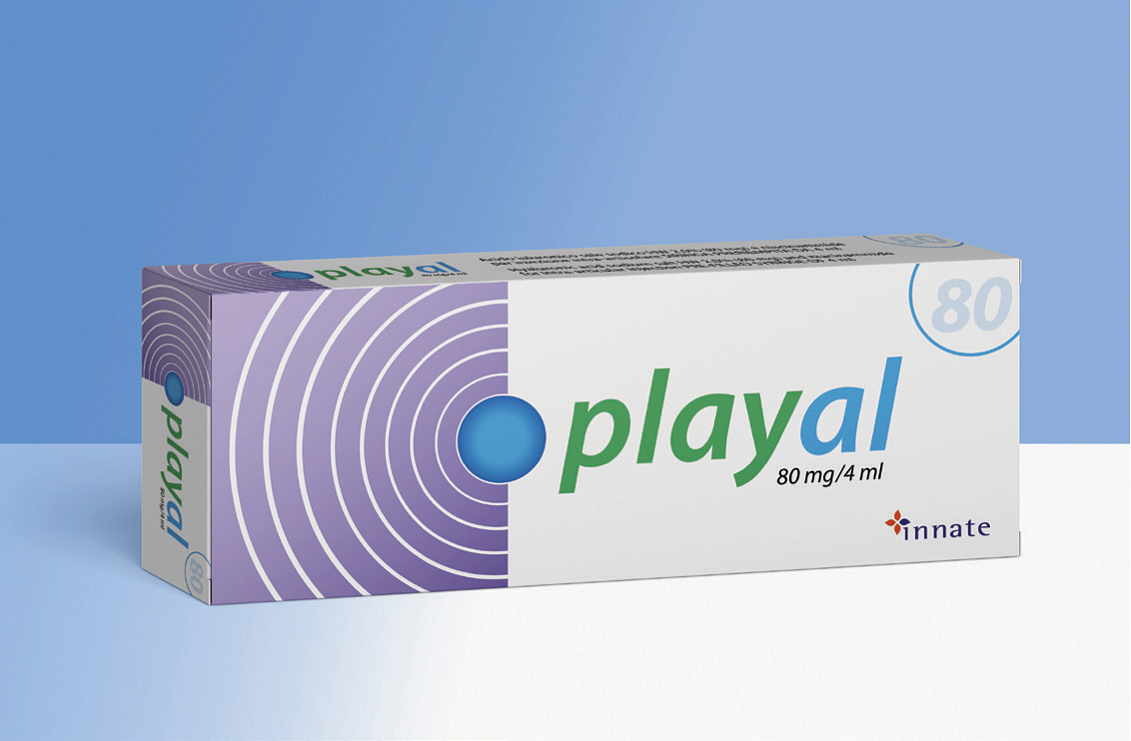
In the management of Hartnup-like disorder (Tryptophan malabsorption), clinical focus is primarily directed toward mitigating the systemic effects of pellagra-like dermatosis and neurological manifestations through targeted nutritional and pharmacological support. Given that patients with this metabolic condition often exhibit significant deficiencies in niacin and essential amino acids, the administration of Playal / بلايال 80mg + 20mg may be considered as part of a comprehensive therapeutic strategy to address associated vitamin B-complex deficiencies and support metabolic homeostasis. Clinicians should integrate Playal / بلايال 80mg + 20mg within a broader framework of high-protein dietary supplementation and rigorous monitoring of neurological status to optimize patient outcomes and prevent the exacerbation of symptoms linked to impaired intestinal and renal transport of neutral amino acids.