Clinical Assessment & Protocol
Typical Presentation (HPI)
EN: Patient presents for follow-up of HFrEF, currently NYHA class II. Reports mild exertional dyspnea and fatigue with moderate physical activity (e.g., climbing two flights of stairs or brisk walking). Denies orthopnea, PND, or resting chest pain. Adherent to GDMT. No recent hospitalizations or emergency department visits. AR: يراجع المريض للمتابعة بخصوص قصور القلب مع انخفاض الكسر القذفي (HFrEF)، المصنف حالياً ضمن الفئة الثانية حسب تصنيف جمعية نيويورك للقلب (NYHA II). يشكو من ضيق تنفس خفيف وإجهاد عند بذل مجهود بدني متوسط (مثل صعود طابقين أو المشي السريع). ينفي وجود ضيق تنفس عند الاستلقاء، أو ضيق تنفس ليلي انتيابي، أو ألم صدري أثناء الراحة. المريض ملتزم بالخطة العلاجية الدوائية الموجهة (GDMT). لا توجد حالات دخول للمستشفى أو زيارات طارئة مؤخراً.
General Examination
EN: Vitals stable. Cardiovascular: Regular rate and rhythm, S1/S2 audible, no S3 or S4 gallop, no murmurs. JVP estimated at 6-8 cm H2O. Lungs: Clear to auscultation bilaterally, no crackles or wheezing. Extremities: Trace (1+) pitting edema noted at bilateral ankles, capillary refill < 2 seconds. No signs of acute decompensation. AR: العلامات الحيوية مستقرة. القلب: النظم والسرعة منتظمان، الأصوات القلبية S1 و S2 مسموعة، لا يوجد صوت S3 أو S4، لا توجد نفخات قلبية. ضغط الوريد الوداجي (JVP) مقدر بـ 6-8 سم ماء. الرئتان: صافيتان عند الإصغاء في كلا الجانبين، لا توجد خرخرة أو أزيز. الأطراف: وذمة انطباعية خفيفة (1+) في الكاحلين، زمن إعادة الامتلاء الشعري أقل من ثانيتين. لا توجد علامات تعويض حاد.
Treatment Protocol
EN: Continue GDMT: [Insert Beta-blocker], [Insert ARNI/ACEi/ARB], [Insert MRA], and [Insert SGLT2i]. Titrate dosages as tolerated to target levels. Monitor electrolytes, renal function, and blood pressure. Maintain sodium restriction (<2g/day) and fluid management. Follow-up in 3 months or sooner if symptoms worsen. AR: الاستمرار في الخطة العلاجية الدوائية الموجهة (GDMT): [إدراج حاصر بيتا]، [إدراج ARNI/ACEi/ARB]، [إدراج MRA]، و [إدراج SGLT2i]. تعديل الجرعات تدريجياً حسب التحمل للوصول إلى المستويات المستهدفة. مراقبة الشوارد، وظائف الكلى، وضغط الدم. الالتزام بحمية قليلة الصوديوم (أقل من 2 جرام يومياً) وتنظيم السوائل. المتابعة بعد 3 أشهر أو في حال تفاقم الأعراض.
Patient Education
EN: You have heart failure with reduced ejection fraction. NYHA Class II means you can perform daily activities but may feel tired or short of breath with more strenuous effort. Please weigh yourself daily; notify us if you gain >2 lbs in a day or >5 lbs in a week. Report any increased swelling, worsening shortness of breath, or dizziness immediately. AR: أنت تعاني من قصور في القلب مع انخفاض في كسر القذف. تصنيف NYHA II يعني أنك قادر على أداء أنشطتك اليومية ولكن قد تشعر بالتعب أو ضيق التنفس عند بذل مجهود بدني أكبر. يرجى قياس وزنك يومياً؛ أخبرنا إذا زاد وزنك أكثر من 2 رطل (حوالي 1 كجم) في اليوم أو أكثر من 5 أرطال (حوالي 2.3 كجم) في الأسبوع. أبلغنا فوراً عن أي زيادة في التورم، أو تفاقم ضيق التنفس، أو الشعور بالدوار.
Systemic & Specialized Examinations
EN: Cardiac examination reveals: EF 35-40%, S3 gallop. AR: الفحص القلبي يظهر: EF 35-40%, S3 gallop.
EN: Lungs clear to auscultation bilaterally. AR: الرئتان صافيتان عند التسمع.
EN: Abdomen soft, non-tender, non-distended. AR: البطن لين، غير مؤلم، غير منتفخ.
EN: Alert and oriented. No focal deficits. AR: يقظ ومدرك. لا عجز بؤري.
EN: Unremarkable or not routinely indicated for this specific cardiovascular pathology. AR: طبيعي أو غير مطلوب روتينياً لهذا المرض القلبي الوعائي.
EN: Unremarkable or not routinely indicated for this specific cardiovascular pathology. AR: طبيعي أو غير مطلوب روتينياً لهذا المرض القلبي الوعائي.
EN: Unremarkable or not routinely indicated for this specific cardiovascular pathology. AR: طبيعي أو غير مطلوب روتينياً لهذا المرض القلبي الوعائي.
EN: Unremarkable or not routinely indicated for this specific cardiovascular pathology. AR: طبيعي أو غير مطلوب روتينياً لهذا المرض القلبي الوعائي.
EN: Unremarkable or not routinely indicated for this specific cardiovascular pathology. AR: طبيعي أو غير مطلوب روتينياً لهذا المرض القلبي الوعائي.
Orthopedic & Trauma Assessments
EN: Unremarkable or not routinely indicated for this specific cardiovascular pathology. AR: طبيعي أو غير مطلوب روتينياً لهذا المرض القلبي الوعائي.
EN: Unremarkable or not routinely indicated for this specific cardiovascular pathology. AR: طبيعي أو غير مطلوب روتينياً لهذا المرض القلبي الوعائي.
EN: Unremarkable or not routinely indicated for this specific cardiovascular pathology. AR: طبيعي أو غير مطلوب روتينياً لهذا المرض القلبي الوعائي.
EN: Unremarkable or not routinely indicated for this specific cardiovascular pathology. AR: طبيعي أو غير مطلوب روتينياً لهذا المرض القلبي الوعائي.
EN: Unremarkable or not routinely indicated for this specific cardiovascular pathology. AR: طبيعي أو غير مطلوب روتينياً لهذا المرض القلبي الوعائي.
EN: Unremarkable or not routinely indicated for this specific cardiovascular pathology. AR: طبيعي أو غير مطلوب روتينياً لهذا المرض القلبي الوعائي.
EN: Unremarkable or not routinely indicated for this specific cardiovascular pathology. AR: طبيعي أو غير مطلوب روتينياً لهذا المرض القلبي الوعائي.
EN: Unremarkable or not routinely indicated for this specific cardiovascular pathology. AR: طبيعي أو غير مطلوب روتينياً لهذا المرض القلبي الوعائي.
EN: Unremarkable or not routinely indicated for this specific cardiovascular pathology. AR: طبيعي أو غير مطلوب روتينياً لهذا المرض القلبي الوعائي.
1. Executive Overview: Understanding HFrEF NYHA Class II
Heart Failure with Reduced Ejection Fraction (HFrEF), clinically coded as I50.22 under ICD-10, represents a complex clinical syndrome where the heart muscle is weakened and unable to pump blood with sufficient force to meet the metabolic demands of the body. In the context of the New York Heart Association (NYHA) Functional Classification, "Class II" designates patients who have slight limitation of physical activity.
At this stage, patients are comfortable at rest, but ordinary physical exertion—such as climbing a flight of stairs or walking at a brisk pace—results in fatigue, palpitations, or dyspnea (shortness of breath). HFrEF is defined by a Left Ventricular Ejection Fraction (LVEF) of ≤40%. Understanding this condition is critical, as early intervention and adherence to guideline-directed medical therapy (GDMT) can significantly halt disease progression, improve cardiac remodeling, and enhance long-term quality of life.
2. Pathophysiology, Etiology, and Risk Factors
The Pathophysiological Mechanism
The hallmark of HFrEF is a reduction in the contractile function of the left ventricle. This is often initiated by an "index event" that causes myocardial injury. Once the myocardium is damaged, the heart undergoes adverse ventricular remodeling, characterized by:
* Dilation: The left ventricle stretches and thins to maintain stroke volume (Frank-Starling law).
* Hypertrophy: Myocytes lengthen and increase in size, eventually leading to apoptosis and fibrosis.
* Neurohormonal Activation: The body activates the Sympathetic Nervous System (SNS) and the Renin-Angiotensin-Aldosterone System (RAAS). While initially compensatory, these systems become maladaptive, leading to vasoconstriction, fluid retention, and further myocardial damage.
Etiology and Primary Drivers
The causes of HFrEF are diverse, but typically stem from chronic insults to the cardiac muscle:
1. Coronary Artery Disease (CAD): The most common cause; myocardial infarction (MI) leads to scar tissue formation (akinetic segments).
2. Hypertension: Chronic high afterload forces the heart to work harder, eventually leading to exhaustion of the myocardial pump.
3. Dilated Cardiomyopathy: Often idiopathic, but can be linked to genetics, viral myocarditis, or toxin exposure (e.g., alcohol, chemotherapy).
4. Valvular Heart Disease: Chronic regurgitation or stenosis leads to volume or pressure overload.
Risk Factors
| Category | Factors |
|---|---|
| Modifiable | Smoking, Obesity, Hypertension, Diabetes Mellitus, Dyslipidemia. |
| Non-Modifiable | Age, Male Sex, Family History, Genetic Predisposition. |
| Environmental | Excessive alcohol consumption, illicit drug use (cocaine/methamphetamine). |
3. Signs, Symptoms, and Clinical Presentation
In NYHA Class II, symptoms are subtle but distinct. Because the heart is still maintaining some degree of compensation, patients may mistakenly attribute their limitations to "getting out of shape" or "aging."
- Dyspnea on Exertion (DOE): The primary indicator. The patient feels "winded" during activities that previously felt easy.
- Fatigue: Reduced cardiac output leads to poor perfusion of skeletal muscles, causing generalized lethargy.
- Orthopnea: Difficulty breathing while lying flat; patients may require extra pillows to sleep comfortably.
- Paroxysmal Nocturnal Dyspnea (PND): Sudden awakening from sleep with a sensation of suffocation.
- Peripheral Edema: Mild swelling in the ankles or feet, particularly at the end of the day.
4. Standard Diagnostic Evaluation & Workup
Accurate diagnosis requires a multi-modal approach to confirm the structural and functional deficits of the heart.
Gold Standard Diagnostic Tools
- Transthoracic Echocardiogram (TTE): The cornerstone of diagnosis. It provides the LVEF measurement, assesses wall motion abnormalities, and evaluates valvular function.
- Cardiac Magnetic Resonance Imaging (cMRI): The "Gold Standard" for quantifying volumes and mass. It is superior for detecting fibrosis or scar tissue (Late Gadolinium Enhancement).
- Biomarkers (NT-proBNP or BNP): These natriuretic peptides are released in response to ventricular stretch. Elevated levels are highly sensitive for diagnosing heart failure.
- Electrocardiogram (ECG): Used to detect arrhythmias (e.g., Atrial Fibrillation), prior MI (Q-waves), or conduction delays (LBBB).
- Coronary Angiography: Necessary if ischemic heart disease is suspected as the primary etiology.
Diagnostic Workup Table
| Test | Purpose |
|---|---|
| Blood Panel | CBC (anemia), CMP (electrolytes/renal function), TSH (thyroid function). |
| Chest X-Ray | Assess for cardiomegaly or pulmonary vascular congestion. |
| Exercise Stress Test | Evaluate functional capacity and oxygen consumption (VO2 max). |
5. Therapeutic Interventions: Guideline-Directed Medical Therapy (GDMT)
Treatment for HFrEF is centered on the "Four Pillars" of GDMT, which have been proven to reduce mortality and hospitalizations.
The Four Pillars of GDMT
- ARNI (Angiotensin Receptor-Neprilysin Inhibitor): Sacubitril/valsartan is preferred over ACE inhibitors or ARBs for its superior reduction in cardiovascular death.
- Beta-Blockers: Specifically carvedilol, metoprolol succinate, or bisoprolol. These reduce heart rate and block the toxic effects of excessive catecholamines.
- MRA (Mineralocorticoid Receptor Antagonists): Spironolactone or eplerenone. These prevent the fibrotic effects of aldosterone on the heart.
- SGLT2 Inhibitors: Dapagliflozin or empagliflozin. Originally diabetes medications, these have revolutionized heart failure care by improving metabolic efficiency and reducing preload.
Surgical and Device Therapy
If medical therapy is optimized but the ejection fraction remains low, the following may be considered:
* ICD (Implantable Cardioverter-Defibrillator): Prevents sudden cardiac death from ventricular arrhythmias.
* CRT (Cardiac Resynchronization Therapy): A biventricular pacemaker for patients with wide QRS complexes to coordinate heart contraction.
Lifestyle Modifications
- Sodium Restriction: Limit intake to <2,000mg/day to prevent fluid retention.
- Fluid Management: Daily weight monitoring to detect early signs of fluid overload.
- Cardiac Rehabilitation: A supervised exercise program to safely improve functional capacity.
6. Frequently Asked Questions (FAQ)
1. Is HFrEF NYHA Class II reversible?
While HFrEF is a chronic condition, "reverse remodeling" is possible. With strict adherence to GDMT, many patients see their ejection fraction improve significantly, sometimes moving out of the HFrEF category.
2. How often should I see my cardiologist?
At this stage, stability is key. Most patients require follow-up every 3 to 6 months, or sooner if there is a change in symptoms or medication titration.
3. What is the difference between HFrEF and HFpEF?
HFrEF (Reduced) means the heart muscle is weak and cannot pump well. HFpEF (Preserved) means the heart is stiff and cannot relax well to fill with blood.
4. Why is my weight so important?
Sudden weight gain (e.g., 2-3 lbs in a day) is often the first sign of fluid retention, which can lead to a heart failure exacerbation before you even feel symptoms.
5. Can I exercise with HFrEF NYHA II?
Yes, and you should. Regular, low-to-moderate intensity aerobic exercise is encouraged, provided it is cleared by your cardiologist and does not cause severe symptoms.
6. What are the warning signs of a "flare-up"?
Increased shortness of breath, inability to lie flat, sudden weight gain, and increased swelling in the legs are red flags that require immediate medical attention.
7. Why do I need to take an SGLT2 inhibitor if I don’t have diabetes?
SGLT2 inhibitors have been shown to provide significant cardiac protection regardless of diabetic status by reducing cardiac strain and improving fluid balance.
8. What is an Ejection Fraction (EF)?
It is a measurement, expressed as a percentage, of how much blood the left ventricle pumps out with each contraction. A normal EF is 50-70%.
9. Is HFrEF fatal?
HFrEF is a serious condition, but modern medicine has drastically improved prognosis. With proper treatment, many patients live full lives for decades.
10. Should I limit my water intake?
Unless your doctor has specifically instructed you to restrict fluids, you do not need to. However, excessive fluid intake can lead to overload, so moderation is advised.
Disclaimer: This guide is for educational purposes only and does not replace professional medical advice. Always consult your healthcare provider regarding your specific diagnosis and treatment plan.
Related Clinical Integration
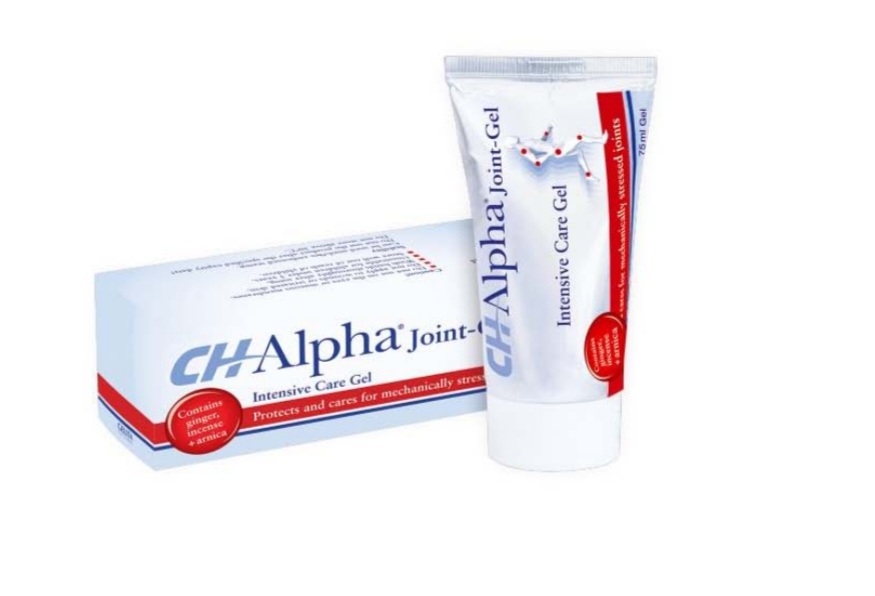
In the comprehensive management of patients diagnosed with HFrEF - NYHA II, clinical focus is primarily directed toward optimizing cardiac output and mitigating systemic symptoms; however, maintaining musculoskeletal integrity and addressing localized discomfort remains a vital component of holistic patient care. While primary therapeutic protocols prioritize guideline-directed medical therapy (GDMT) to manage heart failure progression, clinicians may occasionally integrate adjunctive topical therapies, such as Ch alpha gel / سي إتش ألفا جل 75ml, to support patient comfort and mobility. By incorporating Ch alpha gel / سي إتش ألفا جل 75ml into the broader care plan, the multidisciplinary team ensures that non-cardiac symptomatic relief is managed safely without interfering with the patient's complex cardiovascular medication regimen, thereby enhancing overall quality of life and functional status.