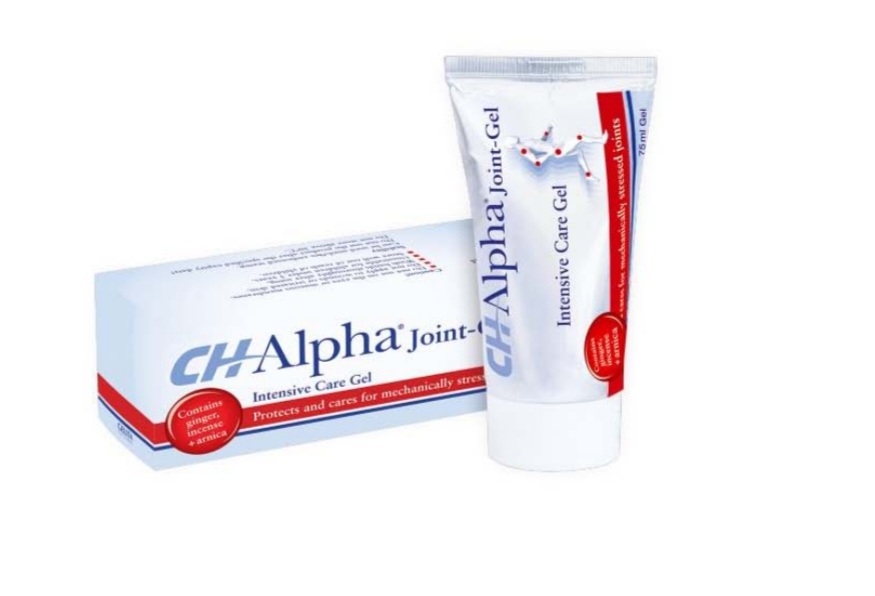

Introduction to CH-Alpha Gel: Advanced Topical Support
Joint health is a cornerstone of mobility and quality of life. As we age or subject our joints to repetitive mechanical stress, the structural integrity of articular cartilage can degrade. CH-Alpha Gel represents a specialized topical formulation designed to support the musculoskeletal system. Unlike oral systemic supplements that must undergo first-pass metabolism, CH-Alpha Gel is engineered for targeted application, providing localized support to tissues surrounding joints, tendons, and ligaments.
This guide provides a clinical-grade overview of CH-Alpha Gel, examining its biological mechanisms, pharmacological profile, and practical application in orthopedic recovery and maintenance.
Understanding the Mechanism of Action
To understand how CH-Alpha Gel functions, one must first understand the physiology of joint connective tissue. The extracellular matrix of cartilage and the collagen fibers in tendons rely heavily on the presence of bioactive collagen peptides and synergistic ingredients to maintain elasticity and structural resilience.
Percutaneous Absorption and Bioavailability
CH-Alpha Gel utilizes a specialized delivery system designed to facilitate the transport of active ingredients through the stratum corneum. Once applied, the gel creates a micro-environment that allows for:
- Localized Concentration: By applying the gel directly to the site of discomfort (e.g., knee, elbow, or shoulder), the active components achieve higher concentrations in the local dermal and subcutaneous layers than would be possible through systemic distribution alone.
- Stimulation of Fibroblasts: The components within the gel are hypothesized to interact with local fibroblast receptors, encouraging the synthesis of endogenous collagen and extracellular matrix proteins.
- Reduction of Local Inflammatory Markers: Through the modulation of localized microcirculation, the gel helps in the dissipation of metabolic waste products that often accumulate in inflamed joint tissues.
Clinical Indications and Usage
CH-Alpha Gel is primarily indicated for individuals experiencing localized joint stress, athletic strain, or age-related connective tissue discomfort.
Primary Indications
| Condition | Clinical Rationale |
|---|---|
| Osteoarthritis Support | Helps soothe joints affected by cartilage wear. |
| Athletic Overuse | Addresses micro-trauma in tendons and ligaments. |
| Post-Surgical Recovery | Supports localized tissue healing after orthopedic interventions. |
| Age-Related Stiffness | Enhances joint mobility via topical stimulation. |
Application Guidelines
For optimal clinical results, adherence to a consistent application protocol is essential.
- Preparation: Clean and dry the skin area overlying the target joint.
- Application: Apply a thin layer of CH-Alpha Gel to the skin.
- Massage: Gently massage the gel into the skin until it is fully absorbed. The mechanical action of massage further enhances localized blood flow.
- Frequency: Typically recommended for use 2–3 times daily, depending on the severity of the symptoms.
Pharmacokinetics and Absorption Profile
While topical gels do not enter the bloodstream in the same manner as oral medications, they follow a distinct pharmacokinetic path:
- Absorption: The gel’s base is formulated to be non-greasy, ensuring rapid penetration through the dermal layers.
- Distribution: Once absorbed, active ingredients are distributed primarily to the local connective tissues, synovial membranes, and periarticular structures.
- Metabolism: Local enzymes metabolize the active peptides, which are then utilized by local cells to support the regeneration of the connective tissue matrix.
- Excretion: Minimal systemic absorption means that renal or hepatic clearance pathways are not significantly taxed, making this a favorable option for patients with multi-morbidity.
Risks, Side Effects, and Contraindications
While CH-Alpha Gel is generally well-tolerated, clinical vigilance is required, particularly regarding skin sensitivity.
Contraindications
- Hypersensitivity: Individuals with a known allergy to any of the components (collagen derivatives, herbal extracts, or excipients) should avoid use.
- Broken Skin: Do not apply to open wounds, infected skin, or severe rashes.
- Mucous Membranes: Avoid contact with eyes, mouth, and other sensitive mucosal areas.
Potential Side Effects
Most side effects are localized and mild:
* Contact Dermatitis: Redness, itching, or minor burning at the site of application.
* Allergic Reactions: Rare instances of hives or rashes; if this occurs, discontinue use immediately.
Pregnancy, Lactation, and Pediatric Use
- Pregnancy/Lactation: While topical application poses lower systemic risk, clinical studies on the use of this specific formulation during pregnancy are limited. It is recommended to consult with an obstetrician before use.
- Pediatrics: Use in children should be supervised by a healthcare professional, as pediatric skin permeability differs from that of adults.
Overdose and Safety Management
Due to the topical nature of CH-Alpha Gel, the risk of "overdose" in the traditional pharmacological sense is negligible. However, excessive application may lead to skin irritation.
- In case of skin irritation: Wash the area thoroughly with mild soap and water.
- In case of accidental ingestion: While the ingredients are generally non-toxic, ingestion can cause gastrointestinal distress. Contact a poison control center if a significant amount is swallowed.
Frequently Asked Questions (FAQ)
1. How long does it take to see results with CH-Alpha Gel?
Results vary by individual. Most users report a soothing sensation within days, while structural support for joints typically becomes noticeable after 4–8 weeks of consistent daily use.
2. Can I use CH-Alpha Gel with oral supplements?
Yes. CH-Alpha Gel is often used in conjunction with oral collagen supplements to provide both systemic and localized support.
3. Is CH-Alpha Gel suitable for all types of joint pain?
It is designed for structural/connective tissue discomfort. It is not a substitute for medical intervention in cases of acute fractures, dislocations, or severe joint infections.
4. Does the gel leave a residue?
The formulation is designed for rapid absorption, leaving minimal to no residue on the skin or clothing.
5. Can I apply heat after using the gel?
It is generally recommended to wait until the gel has been fully absorbed (usually 5–10 minutes) before applying heating pads or bandages.
6. Is it safe for elderly patients?
Yes, it is often recommended for elderly patients as it avoids the drug-drug interactions associated with systemic anti-inflammatory medications.
7. Does this contain NSAIDs?
No, CH-Alpha Gel is typically formulated with collagen-supportive nutrients and botanical extracts, distinguishing it from topical NSAID gels.
8. Can I use it on my face?
No, this product is formulated for musculoskeletal application, typically on larger joints like knees, shoulders, and hips.
9. What should I do if I have a skin reaction?
Wash the area immediately. If the redness or irritation persists for more than 24 hours, consult your primary care physician or a dermatologist.
10. How should I store the gel?
Store in a cool, dry place away from direct sunlight and extreme temperatures to maintain the stability of the active ingredients.
Conclusion: An Integrated Approach to Joint Health
CH-Alpha Gel stands as a sophisticated topical tool for those looking to manage joint comfort and structural health. By combining localized delivery with specific bioactive ingredients, it provides a non-invasive, low-risk method to complement other orthopedic treatments. As with any medical product, consistent usage and monitoring of skin response are the keys to achieving the best possible clinical outcomes. Always consult with a healthcare professional to integrate this gel into a broader, comprehensive joint health strategy.