Clinical Assessment & Protocol
Typical Presentation (HPI)
EN: Sharp, stabbing pain wrapping around the chest wall. AR: ألم حاد يشبه الطعن يلتف حول جدار الصدر.
General Examination
EN: Tenderness on palpation of the intercostal space and sensory alterations in a band-like distribution. AR: إيلام عند جس الحيز الوربي وتغيرات حسية في توزيع يشبه الشريط.
Treatment Protocol
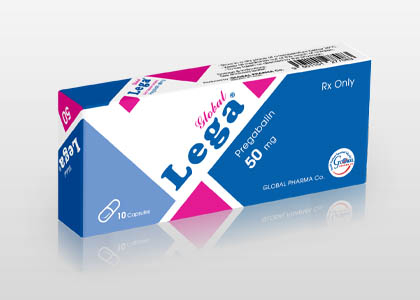
EN: Intercostal nerve blocks, neuropathic pain medication, and thoracic mobility exercises. AR: حقن العصب الوربي، أدوية الألم العصبي، وتمارين حركية الصدر.
Patient Education
EN: Emphasize diaphragmatic breathing to manage pain response. AR: التأكيد على التنفس الحجابي لإدارة استجابة الألم.
Systemic & Specialized Examinations
EN: S1, S2 present. No murmurs. AR: صوتا القلب الأول والثاني طبيعيان. لا توجد نفخات.
EN: Lungs clear to auscultation. AR: الرئتان صافيتان عند التسمع.
EN: Abdomen soft, non-tender. AR: البطن لين ولا يوجد ألم.
EN: Alert, oriented x3. No focal deficits. AR: المريض واعي ومدرك. لا يوجد عجز عصبي بؤري.
EN: Unremarkable or not routinely indicated. AR: طبيعي أو غير مطلوب روتينياً.
EN: Unremarkable or not routinely indicated. AR: طبيعي أو غير مطلوب روتينياً.
EN: Unremarkable or not routinely indicated. AR: طبيعي أو غير مطلوب روتينياً.
EN: Unremarkable or not routinely indicated. AR: طبيعي أو غير مطلوب روتينياً.
EN: Unremarkable or not routinely indicated. AR: طبيعي أو غير مطلوب روتينياً.
Comprehensive Clinical Guide: Intercostal Neuralgia
1. Introduction and Clinical Overview
Intercostal neuralgia is a neuropathic pain syndrome characterized by sharp, stabbing, burning, or aching pain along the distribution of one or more intercostal nerves. These nerves, which emerge from the thoracic spinal cord (T1–T11), run beneath the ribs, providing sensory and motor innervation to the intercostal muscles, pleura, and overlying skin.
While often misdiagnosed as musculoskeletal strain, cardiac pathology, or gastrointestinal distress, intercostal neuralgia represents a distinct clinical entity involving irritation, entrapment, or damage to the intercostal nerve. The pain is typically unilateral and follows a dermatomal distribution, often wrapping around the chest wall in a "band-like" fashion. Given its potential to mimic life-threatening conditions like myocardial infarction or pulmonary embolism, accurate clinical differentiation is paramount for the orthopedic and pain management specialist.
2. Etiology and Pathophysiology
Etiology
The causes of intercostal neuralgia are multifactorial, categorized broadly into mechanical, inflammatory, and iatrogenic origins:
- Iatrogenic/Post-Surgical: The most common cause, particularly following thoracotomy, mastectomy, or chest tube insertion, where nerves are stretched, severed, or compressed by scar tissue.
- Infectious: Post-herpetic neuralgia (PHN) following a shingles (varicella-zoster) outbreak is a frequent trigger.
- Mechanical/Structural: Rib fractures, costochondritis, thoracic disc herniation, or nerve entrapment within the intercostal muscles.
- Neoplastic: Direct infiltration of the nerve by primary or metastatic thoracic tumors.
- Idiopathic: In many clinical presentations, the underlying cause remains elusive despite extensive workup.
Pathophysiology
The pathology centers on Peripheral Sensitization. When an intercostal nerve is injured, there is an upregulation of sodium channels at the site of damage, leading to ectopic impulse generation. Over time, this chronic barrage of afferent input to the dorsal horn of the spinal cord leads to Central Sensitization, where the central nervous system becomes hyper-responsive to non-painful stimuli (allodynia) or exaggerated response to painful stimuli (hyperalgesia).
3. Clinical Staging and Presentation
Standard Clinical Presentation
Patients typically present with:
* Quality of Pain: Sharp, stabbing, "electric shock-like" sensations.
* Distribution: Unilateral, radiating along the rib cage.
* Aggravating Factors: Deep inspiration, coughing, sneezing, laughing, or twisting the torso.
* Associated Symptoms: Allodynia (pain from light touch, such as clothing brushing against the skin).
Clinical Grading Scale (Proposed)
While no universal staging system exists, clinicians often utilize a functional impairment scale:
| Grade | Severity | Clinical Characteristics |
|---|---|---|
| I | Mild | Intermittent pain, manageable with OTC analgesics, no sleep disturbance. |
| II | Moderate | Constant or frequent pain, requires prescription neuropathic agents, minor lifestyle modification. |
| III | Severe | Debilitating pain, significant sleep disturbance, requires interventional procedures. |
| IV | Refractory | Intractable pain, failure of multiple modalities, potential for psychological comorbidities. |
4. Differential Diagnosis
Because the thorax contains vital organs, the differential diagnosis must exclude life-threatening conditions first.
- Cardiac: Myocardial infarction, angina pectoris, pericarditis.
- Pulmonary: Pleurisy, pulmonary embolism, pneumothorax.
- Gastrointestinal: GERD, cholecystitis, peptic ulcer disease.
- Orthopedic/Musculoskeletal: Costochondritis (Tietze syndrome), rib fractures, thoracic radiculopathy, myofascial pain syndrome.
5. Diagnostic Testing Protocols
A thorough diagnostic workup is essential to rule out occult pathology:
- Clinical Examination: Assessment for sensory deficits, trigger points (Carnett’s sign to differentiate abdominal wall pain from visceral pain), and dermatomal mapping.
- Imaging:
- Chest X-ray: To rule out rib fractures or pleural effusions.
- MRI Thoracic Spine: To evaluate for nerve root compression or herniated discs.
- CT Chest: To exclude malignant infiltration or masses.
- Electrophysiological Studies: Nerve conduction studies (NCS) and Electromyography (EMG) may show denervation in the intercostal muscles, though these are technically difficult to perform in this region.
- Diagnostic Nerve Block: The gold standard for confirmation. An ultrasound-guided intercostal nerve block with local anesthetic. If the pain resolves, the diagnosis of intercostal neuralgia is confirmed.
6. Management and Therapeutic Interventions
Conservative Management
- Pharmacotherapy: Gabapentinoids (Gabapentin, Pregabalin), Tricyclic Antidepressants (Amitriptyline), or SNRIs (Duloxetine).
- Topicals: Lidocaine patches (5%) or Capsaicin cream.
Interventional Management
- Intercostal Nerve Blocks (INB): Injection of local anesthetic and corticosteroids near the nerve.
- Pulsed Radiofrequency (PRF) Ablation: A neuromodulatory technique that uses electromagnetic fields to inhibit pain signaling without causing permanent thermal nerve destruction.
- Cryoablation: Freezing the nerve to provide longer-lasting analgesia (often used in post-thoracotomy pain).
- Spinal Cord Stimulation (SCS): Reserved for severe, refractory cases where other interventions have failed.
7. Risks, Side Effects, and Contraindications
All interventional procedures carry inherent risks:
* Pneumothorax: The most significant risk of thoracic interventions. Requires immediate identification and treatment.
* Hematoma/Bleeding: Risk is elevated in patients on anticoagulant therapy.
* Infection: Localized cellulitis or deep space infection.
* Neuritis: Temporary increase in pain following nerve block procedures.
* Contraindications: Active systemic infection, coagulopathy, or patient refusal.
8. Long-Term Prognosis
The prognosis for intercostal neuralgia depends on the etiology. Post-surgical intercostal neuralgia can persist for years if nerve damage is permanent. However, with a multimodal approach—integrating physical therapy, pharmacological management, and interventional pain techniques—most patients achieve significant functional improvement. Early diagnosis and intervention are the strongest predictors of positive outcomes, preventing the transition from acute to chronic central sensitization.
9. Frequently Asked Questions (FAQ)
Q1: Can intercostal neuralgia be mistaken for a heart attack?
Yes. The radiation of pain to the chest wall often mimics angina. If you have sudden, crushing chest pain associated with shortness of breath or radiating to the jaw/arm, always seek emergency care first.
Q2: Is physical therapy helpful?
Yes. Physical therapy focuses on thoracic mobility, postural correction, and desensitization techniques.
Q3: How long does an intercostal nerve block last?
The duration varies. The initial anesthetic may last hours; the steroid component may provide weeks to months of relief.
Q4: Is it permanent?
Not necessarily. Many cases, especially those linked to minor trauma or inflammation, resolve with time and conservative treatment.
Q5: Why is my clothes touching my skin painful?
This is known as allodynia, a hallmark of neuropathic pain where the nervous system misinterprets light touch as a painful stimulus.
Q6: Can stress cause intercostal neuralgia?
Stress does not cause the nerve damage itself, but it can significantly lower the pain threshold, making existing neuralgia feel much more intense.
Q7: What is the risk of a lung puncture during a nerve block?
With modern ultrasound guidance, the risk is extremely low, generally less than 1% in experienced hands.
Q8: Can I treat this with just heat or ice?
Heat and ice can provide temporary symptomatic relief for muscle-related components, but they do not treat the underlying nerve pathology.
Q9: Does smoking affect recovery?
Yes. Smoking impairs microvascular circulation, which can delay nerve healing and exacerbate inflammation.
Q10: Are there any specific exercises I should avoid?
Avoid high-impact activities or heavy lifting that causes thoracic twisting until you have been cleared by your clinician.
10. Conclusion
Intercostal neuralgia represents a challenging clinical condition that requires a highly specialized approach. By systematically ruling out visceral pathology and employing a targeted, step-wise management strategy—ranging from neuropathic stabilization to ultrasound-guided interventions—clinicians can significantly improve the quality of life for their patients. Always prioritize the exclusion of secondary, systemic causes before initiating long-term nerve-specific therapies.