Clinical Assessment & Protocol
Typical Presentation (HPI)
EN: Patient complains of gradual hair loss and scalp burning sensation. AR: يشكو المريض من تساقط تدريجي للشعر وإحساس بالحرق في فروة الرأس.
General Examination
EN: Unremarkable or not routinely indicated. AR: طبيعي أو غير مطلوب روتينياً.
Treatment Protocol
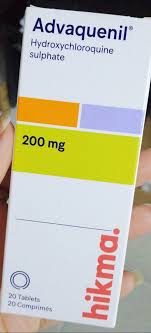
EN: Hydroxychloroquine, topical potent steroids, or intralesional steroids. AR: هيدروكسي كلوروكين، ستيرويدات موضعية قوية، أو ستيرويدات داخل الآفة.
Patient Education
EN: Early intervention is critical to prevent irreversible scarring. AR: التدخل المبكر حاسم لمنع التندب غير القابل للعكس.
Systemic & Specialized Examinations
EN: S1, S2 present. No murmurs. AR: صوتا القلب الأول والثاني طبيعيان. لا توجد نفخات.
EN: Lungs clear to auscultation. AR: الرئتان صافيتان عند التسمع.
EN: Abdomen soft, non-tender. AR: البطن لين ولا يوجد ألم.
EN: Alert, oriented x3. No focal deficits. AR: المريض واعي ومدرك. لا يوجد عجز عصبي بؤري.
EN: Perifollicular erythema and scaling, leading to permanent hair loss. AR: احمرار ووسوف حول الجريب، تؤدي إلى تساقط شعر دائم.
EN: Unremarkable or not routinely indicated. AR: طبيعي أو غير مطلوب روتينياً.
EN: Unremarkable or not routinely indicated. AR: طبيعي أو غير مطلوب روتينياً.
EN: Unremarkable or not routinely indicated. AR: طبيعي أو غير مطلوب روتينياً.
EN: Unremarkable or not routinely indicated. AR: طبيعي أو غير مطلوب روتينياً.
Orthopedic & Trauma Assessments
EN: Unremarkable or not routinely indicated. AR: طبيعي أو غير مطلوب روتينياً.
EN: Unremarkable or not routinely indicated. AR: طبيعي أو غير مطلوب روتينياً.
Comprehensive Clinical Guide: Lichen Planopilaris (LPP)
Lichen Planopilaris (LPP) represents a challenging, chronic, and potentially disfiguring form of primary cicatricial (scarring) alopecia. As an expert in clinical dermatology and trichology, it is imperative to recognize that LPP is essentially a follicular variant of lichen planus. It is characterized by the progressive, irreversible destruction of hair follicles, replaced by fibrous connective tissue, leading to permanent hair loss.
This guide serves as a definitive clinical resource for medical professionals to understand the mechanisms, diagnostic pathways, and management strategies associated with LPP.
1. Clinical Definition and Overview
Lichen Planopilaris is an inflammatory condition that specifically targets the infundibulum and isthmus of the hair follicle. It is categorized under the umbrella of lymphocytic primary cicatricial alopecias. The condition primarily affects middle-aged women, though it can occur in any demographic.
Epidemiological Snapshot
- Prevalence: Most common in women aged 40–60.
- Clinical Hallmark: Perifollicular erythema (redness) and hyperkeratosis (scaling) around the hair follicle openings.
- Progression: Slow, insidious, and often punctuated by flares of burning, pruritus, or tenderness.
2. Etiology and Pathophysiology
The exact trigger for LPP remains idiopathic, though the prevailing consensus in modern immunology points toward a T-cell-mediated autoimmune process.
The Pathophysiological Mechanism
The pathogenesis involves a complex interplay between the immune system and the follicular stem cell niche.
1. Antigen Presentation: It is hypothesized that an unknown antigen (potentially an autoantigen or an exogenous trigger) is presented to CD8+ cytotoxic T-lymphocytes.
2. Cytokine Cascade: Activation of these T-cells leads to the release of pro-inflammatory cytokines, specifically Interferon-gamma (IFN-γ).
3. Stem Cell Destruction: The inflammation targets the bulge region of the hair follicle—the site of follicular stem cells. Destruction of these cells renders the follicle incapable of regeneration.
4. Fibrosis: As the follicular epithelium is destroyed, the body replaces the structure with dense, collagenous scar tissue, resulting in permanent alopecia.
3. Clinical Staging and Grading
To effectively manage LPP, clinicians must utilize standardized tools to assess disease activity. The most widely accepted metric is the Lichen Planopilaris Activity Index (LPPAI).
| Component | Description |
|---|---|
| Erythema | Intensity of perifollicular redness (0–3 scale). |
| Scaling | Degree of perifollicular hyperkeratosis (0–3 scale). |
| Symptoms | Patient-reported burning, pain, or pruritus (0–3 scale). |
| Hair Pull Test | Assessment of hair fragility in affected zones. |
Clinical Presentation
- Early Stage: Perifollicular scaling and erythema. Patients often report "soreness" of the scalp.
- Mid Stage: Patchy areas of hair loss, often coalescing into larger, irregular zones.
- Late/End Stage: Smooth, shiny, atrophic skin with an absolute absence of follicular ostia.
4. Differential Diagnosis
Distinguishing LPP from other scarring alopecias is critical, as treatment modalities vary significantly.
Primary Differentials
- Frontal Fibrosing Alopecia (FFA): Often considered a variant of LPP, it presents as a recession of the frontotemporal hairline with loss of eyebrows.
- Discoid Lupus Erythematosus (DLE): Presents with deeper atrophy and often shows distinct pigmentary changes (hypo/hyperpigmentation).
- Central Centrifugal Cicatricial Alopecia (CCCA): Typically starts at the vertex and is more common in patients of African descent.
- Alopecia Areata: A non-scarring alopecia; follicles remain intact, and the skin surface is typically normal.
5. Diagnostic Testing Protocols
A diagnosis of LPP is often clinical, but confirmation via invasive testing is standard practice to exclude mimics.
Key Diagnostic Procedures
- Scalp Biopsy: The gold standard. Two 4mm punch biopsies are recommended—one for horizontal sectioning (to assess follicle count) and one for vertical sectioning (to see the inflammatory infiltrate).
- Dermoscopy (Trichoscopy): Essential non-invasive diagnostic tool.
- Key Findings: Perifollicular "white/gray" scaling, "target pattern" around follicles, and absence of follicular openings in advanced stages.
- Direct Immunofluorescence (DIF): Often shows globular deposits of IgM and fibrinogen at the dermo-epidermal junction, supporting the diagnosis of lichenoid tissue reaction.
6. Management and Therapeutic Indications
The goal of treatment is to halt disease progression. Hair that has already scarred cannot be regrown.
First-Line Treatment
- Topical Corticosteroids: High-potency steroids (e.g., Clobetasol propionate) applied to active areas.
- Intralesional Corticosteroids: Triamcinolone acetonide injections every 4–6 weeks for localized inflammation.
Second-Line Treatment
- Hydroxychloroquine: Often the systemic treatment of choice. Requires baseline ophthalmic screening.
- Oral Retinoids: Acitretin or Isotretinoin have shown efficacy in stabilizing follicular hyperkeratosis.
- Tetracycline Antibiotics: Doxycycline or Minocycline for their anti-inflammatory properties.
7. Risks, Contraindications, and Long-Term Prognosis
Risks and Side Effects
- Systemic Steroids: Risk of weight gain, hyperglycemia, and bone density loss.
- Hydroxychloroquine: Potential for retinal toxicity; mandates annual eye exams.
- Retinoids: Teratogenicity (strict avoidance in pregnancy), mucocutaneous dryness, and elevation of liver enzymes.
Long-Term Prognosis
LPP is characterized by "burnout." After years of activity, the inflammation may spontaneously subside. However, the resulting scarring is permanent. Early intervention is the only factor that correlates with the preservation of hair density.
8. Frequently Asked Questions (FAQ)
1. Is Lichen Planopilaris contagious?
No. LPP is an autoimmune-mediated inflammatory condition. It cannot be transmitted through contact, sharing combs, or any other physical interaction.
2. Can I regrow hair lost to LPP?
Unfortunately, no. Once the hair follicle has been destroyed and replaced by scar tissue (cicatricial alopecia), the hair cannot grow back. Treatment focuses on stopping further loss.
3. What is the role of diet in LPP?
While no specific diet cures LPP, an anti-inflammatory diet (rich in Omega-3 fatty acids and antioxidants) may help manage systemic inflammation, though it is not a primary treatment.
4. Is LPP the same as Frontal Fibrosing Alopecia?
FFA is widely considered a clinical variant of LPP. While they share the same pathology, FFA is distinct in its specific pattern of hairline recession and eyebrow involvement.
5. How often should I have a biopsy?
A biopsy is usually performed once to confirm the diagnosis. Subsequent monitoring is typically done via clinical examination and serial trichoscopy.
6. Will stress trigger an LPP flare?
Many patients report that stress exacerbates their symptoms. While stress is not the primary cause, it can influence the immune system and potentially worsen inflammatory flares.
7. Can hair transplants be performed on LPP patients?
Generally, no. Transplanting hair into an area with active LPP is contraindicated, as the inflammation will likely destroy the donor grafts. Surgery is only considered after the disease has been clinically inactive for several years.
8. Does LPP affect other parts of the body?
Yes. Approximately 20–30% of patients with LPP may have classic lichen planus on the skin, nails, or oral mucosa.
9. How do I know if my LPP is "active"?
Signs of activity include increased burning, itching, tenderness, or the presence of visible redness and scaling around the hair follicles.
10. What is the most effective way to monitor my progress?
The best way is to see a board-certified dermatologist for serial photography and trichoscopy. Keeping a symptom diary regarding pain or itch levels is also highly recommended.
Clinical Summary for Practitioners
Lichen Planopilaris requires a nuanced, patient-centered approach. Because the disease is chronic and emotionally taxing, the clinician must balance aggressive anti-inflammatory therapy with the risk of systemic side effects. Always prioritize long-term stabilization over short-term cosmetic fixes, and ensure the patient understands that the primary goal is the preservation of existing follicles.
Disclaimer: This guide is intended for educational purposes for medical professionals and does not constitute individual medical advice. Always defer to current clinical guidelines and institutional protocols.
Related Clinical Integration
In the management of Lichen Planopilaris, a precise clinical approach is essential for halting follicular inflammation and preventing permanent scarring alopecia. Diagnostic confirmation often necessitates a Punch biopsy tool (various sizes) OR Scalpel (#15 blade) / أداة خزعة بالثقب (بأحجام مختلفة) أو مشرط (شفرة رقم 15) to obtain histopathological evidence of interface dermatitis. Once the diagnosis is established, therapeutic intervention typically involves the administration of Corticosteroids / الكورتيكوستيرويدات Standard to suppress acute inflammatory responses, often supplemented by long-term maintenance therapy with Advaquenil 200mg 200mg to stabilize the condition and preserve follicular viability.