Clinical Assessment & Protocol
Typical Presentation (HPI)
EN: Patient presents for evaluation of elevated Lipoprotein(a) [Lp(a)] levels. History significant for [premature ASCVD / family history of early cardiovascular events]. Patient denies current symptoms of angina, claudication, or transient ischemic attack. Assessment focuses on global cardiovascular risk stratification, including lipid profile, blood pressure, and glycemic control. AR: يراجع المريض لتقييم مستويات البروتين الدهني (أ) [Lp(a)] المرتفعة. التاريخ المرضي يتضمن [أمراض القلب والأوعية الدموية المبكرة / تاريخ عائلي لأحداث قلبية مبكرة]. ينفي المريض وجود أعراض حالية للذبحة الصدرية، أو العرج المتقطع، أو النوبات الإقفارية العابرة. يركز التقييم على تصنيف مخاطر القلب والأوعية الدموية الشامل، بما في ذلك ملف الدهون، وضغط الدم، وضبط مستوى السكر في الدم.
General Examination
EN: Cardiovascular exam: Regular rate and rhythm, S1/S2 present, no murmurs, rubs, or gallops. Carotid upstrokes brisk without bruits. Peripheral pulses 2+ bilaterally, no edema. Skin exam: No evidence of xanthomas or xanthelasma. Neurological exam: Non-focal. AR: فحص القلب والأوعية الدموية: معدل ونظم القلب منتظم، أصوات القلب S1/S2 مسموعة، لا توجد لغطات أو احتكاكات أو أصوات إضافية. نبض الشريان السباتي قوي ولا توجد لغطات وعائية. النبض المحيطي 2+ في الطرفين، لا يوجد وذمة. فحص الجلد: لا توجد علامات لوجود أورام صفراء (Xanthomas) أو لويحات صفراء (Xanthelasma). الفحص العصبي: سليم ولا توجد علامات بؤرية.
Treatment Protocol
EN: Management plan: 1. Aggressive optimization of LDL-C to target levels via high-intensity statin therapy and/or ezetimibe. 2. Strict control of blood pressure and glycemic status. 3. Lifestyle modification: Mediterranean-style diet and regular aerobic exercise. 4. Aspirin therapy [if indicated for primary/secondary prevention]. 5. Periodic monitoring of Lp(a) and lipid panel. AR: خطة العلاج: 1. التحسين المكثف لمستويات الكوليسترول الضار (LDL-C) للوصول إلى المستويات المستهدفة عبر العلاج بالستاتين عالي الكثافة و/أو إيزيتيميب. 2. الضبط الصارم لضغط الدم ومستوى السكر. 3. تعديل نمط الحياة: اتباع نظام غذائي على طراز البحر الأبيض المتوسط وممارسة التمارين الهوائية بانتظام. 4. العلاج بالأسبرين [إذا كان مستطباً للوقاية الأولية أو الثانوية]. 5. المراقبة الدورية لمستويات Lp(a) وملف الدهون.
Patient Education
EN: Lipoprotein(a) is a genetically determined lipid particle that increases cardiovascular risk. It cannot be significantly lowered by diet or exercise alone. Treatment focuses on reducing your overall risk by aggressively managing other factors like LDL cholesterol, blood pressure, and smoking cessation. Regular follow-up is essential to monitor your cardiovascular health. AR: البروتين الدهني (أ) هو جزيء دهني محدد وراثياً يزيد من مخاطر الإصابة بأمراض القلب والأوعية الدموية. لا يمكن خفض مستوياته بشكل كبير عن طريق النظام الغذائي أو ممارسة الرياضة فقط. يركز العلاج على تقليل المخاطر الإجمالية من خلال الإدارة المكثفة للعوامل الأخرى مثل كوليسترول LDL، وضغط الدم، والإقلاع عن التدخين. المتابعة الدورية ضرورية لمراقبة صحة القلب والأوعية الدموية.
Systemic & Specialized Examinations
EN: Cardiac examination reveals: Lp(a) >50 mg/dL. AR: الفحص القلبي يظهر: Lp(a) >50 mg/dL.
EN: Lungs clear to auscultation bilaterally. AR: الرئتان صافيتان عند التسمع.
EN: Abdomen soft, non-tender, non-distended. AR: البطن لين، غير مؤلم، غير منتفخ.
EN: Alert and oriented. No focal deficits. AR: يقظ ومدرك. لا عجز بؤري.
EN: Unremarkable or not routinely indicated for this specific cardiovascular pathology. AR: طبيعي أو غير مطلوب روتينياً لهذا المرض القلبي الوعائي.
EN: Unremarkable or not routinely indicated for this specific cardiovascular pathology. AR: طبيعي أو غير مطلوب روتينياً لهذا المرض القلبي الوعائي.
EN: Unremarkable or not routinely indicated for this specific cardiovascular pathology. AR: طبيعي أو غير مطلوب روتينياً لهذا المرض القلبي الوعائي.
EN: Unremarkable or not routinely indicated for this specific cardiovascular pathology. AR: طبيعي أو غير مطلوب روتينياً لهذا المرض القلبي الوعائي.
EN: Unremarkable or not routinely indicated for this specific cardiovascular pathology. AR: طبيعي أو غير مطلوب روتينياً لهذا المرض القلبي الوعائي.
Orthopedic & Trauma Assessments
EN: Unremarkable or not routinely indicated for this specific cardiovascular pathology. AR: طبيعي أو غير مطلوب روتينياً لهذا المرض القلبي الوعائي.
EN: Unremarkable or not routinely indicated for this specific cardiovascular pathology. AR: طبيعي أو غير مطلوب روتينياً لهذا المرض القلبي الوعائي.
EN: Unremarkable or not routinely indicated for this specific cardiovascular pathology. AR: طبيعي أو غير مطلوب روتينياً لهذا المرض القلبي الوعائي.
EN: Unremarkable or not routinely indicated for this specific cardiovascular pathology. AR: طبيعي أو غير مطلوب روتينياً لهذا المرض القلبي الوعائي.
EN: Unremarkable or not routinely indicated for this specific cardiovascular pathology. AR: طبيعي أو غير مطلوب روتينياً لهذا المرض القلبي الوعائي.
EN: Unremarkable or not routinely indicated for this specific cardiovascular pathology. AR: طبيعي أو غير مطلوب روتينياً لهذا المرض القلبي الوعائي.
EN: Unremarkable or not routinely indicated for this specific cardiovascular pathology. AR: طبيعي أو غير مطلوب روتينياً لهذا المرض القلبي الوعائي.
EN: Unremarkable or not routinely indicated for this specific cardiovascular pathology. AR: طبيعي أو غير مطلوب روتينياً لهذا المرض القلبي الوعائي.
EN: Unremarkable or not routinely indicated for this specific cardiovascular pathology. AR: طبيعي أو غير مطلوب روتينياً لهذا المرض القلبي الوعائي.
1. Executive Overview: Understanding Lipoprotein(a) Excess
Lipoprotein(a), commonly abbreviated as Lp(a), is a complex low-density lipoprotein particle that represents a significant, genetically determined, and often overlooked independent risk factor for atherosclerotic cardiovascular disease (ASCVD). Clinically categorized under ICD-10 code E78.41, Lipoprotein(a) excess refers to elevated serum concentrations of this specific particle, which significantly increases the lifetime risk of myocardial infarction, ischemic stroke, and aortic valve stenosis.
Unlike traditional cholesterol markers like LDL-C, which are heavily influenced by lifestyle and diet, Lp(a) levels are primarily governed by the LPA gene. Because it is largely resistant to standard statin therapy, it remains a "stealth" risk factor for many patients. Recognizing and managing Lp(a) excess is a critical component of modern preventative cardiology, requiring a shift from general lipid management to targeted, high-risk stratification.
2. Pathophysiology, Etiology, and Risk Factors
The Pathophysiological Mechanism
The structural uniqueness of Lp(a) is the primary driver of its pathogenicity. Lp(a) consists of an LDL-like particle covalently bound to a unique glycoprotein called apolipoprotein(a) [Apo(a)]. The Apo(a) component contains "kringle" domains, one of which (kringle IV type 2) varies in size due to genetic polymorphisms.
Lp(a) promotes cardiovascular disease through three primary mechanisms:
1. Pro-atherogenic: Like LDL, it deposits cholesterol into the arterial wall, initiating plaque formation.
2. Pro-thrombotic: Due to its structural similarity to plasminogen, Lp(a) competes with plasminogen for binding sites on fibrin, inhibiting fibrinolysis (the breakdown of blood clots).
3. Pro-inflammatory: Lp(a) carries oxidized phospholipids (OxPL), which induce inflammation within the endothelium, accelerating the progression of atherosclerosis.
Etiology and Genetics
The concentration of Lp(a) in the blood is 70% to 90% genetically determined. It is an autosomal co-dominant trait. Variations in the LPA gene, specifically the number of kringle IV type 2 repeats, determine how much protein the liver synthesizes. Because it is genetic, levels remain relatively stable throughout an individual’s life, starting from early childhood.
Risk Factors for High Lp(a)
- Family History: A strong history of premature coronary artery disease (CAD) in first-degree relatives.
- Ethnicity: Individuals of South Asian and African descent often exhibit higher baseline levels of Lp(a).
- Genetic Predisposition: Presence of specific LPA gene variants.
3. Signs, Symptoms, and Clinical Presentation
Lp(a) excess is largely asymptomatic until a major cardiovascular event occurs. There are no physical stigmata (unlike the tendon xanthomas seen in Familial Hypercholesterolemia). However, clinicians should maintain a high index of suspicion in patients presenting with:
- Premature ASCVD: Myocardial infarction or coronary artery disease occurring before age 55 in men or 65 in women.
- Recurrent Cardiovascular Events: Patients who experience heart attacks or strokes despite having "normal" or well-controlled LDL-C levels.
- Calcific Aortic Valve Stenosis: Lp(a) is a known driver of valve calcification; early-onset stenosis is a clinical red flag.
- Family History of Sudden Cardiac Death: Specifically, unexplained cardiac events in family members.
4. Standard Diagnostic Evaluation & Workup
The diagnosis of Lipoprotein(a) excess is achieved through specialized blood testing. Because Lp(a) levels are not part of a standard lipid panel, it must be ordered specifically.
Diagnostic Criteria
| Category | Clinical Interpretation |
|---|---|
| Normal | < 30 mg/dL (or < 75 nmol/L) |
| Borderline High | 30 – 50 mg/dL |
| High Risk | > 50 mg/dL (or > 125 nmol/L) |
Gold Standard Testing
The consensus among lipidologists is to measure Lp(a) using an isoform-insensitive assay. Because the size of the Lp(a) molecule varies between individuals, older mass-based assays (mg/dL) can be misleading. Molar-based assays (nmol/L) are now the gold standard for clinical decision-making.
Clinical Workup Protocol
- One-time Screening: The ACC/AHA and ESC guidelines recommend at least one measurement in all adults.
- Cascade Screening: If a patient is found to have elevated Lp(a), testing of first-degree relatives is mandatory.
- Advanced Imaging: For patients with elevated Lp(a) and intermediate risk, a Coronary Artery Calcium (CAC) score is recommended to assess the actual burden of atherosclerotic plaque.
5. Therapeutic Interventions
Managing Lp(a) excess is a challenge because it does not respond to diet, exercise, or standard statin therapy. In fact, some studies suggest that statins may slightly increase Lp(a) levels, though the net cardiovascular benefit of statins far outweighs this effect.
Pharmacotherapy
- Aggressive LDL-C Lowering: The primary strategy is to lower all other modifiable cardiovascular risk factors. By aggressively lowering LDL-C (often using PCSK9 inhibitors), the "total atherogenic burden" is reduced, which helps mitigate the risk posed by the elevated Lp(a).
- PCSK9 Inhibitors: While they do not "treat" Lp(a) directly, they have been shown to lower Lp(a) levels by 20–30% and are currently the only approved agents that demonstrate a reduction in Lp(a) while improving outcomes in high-risk patients.
- Niacin: Historically used, but no longer recommended due to lack of outcome benefits and significant side-effect profiles.
- Emerging Therapies: Antisense oligonucleotides (ASOs) and small interfering RNA (siRNA) therapies targeting the LPA gene are currently in Phase 3 clinical trials and represent the future of direct Lp(a) lowering.
Lifestyle and Surgical Interventions
- Strict Lipid Management: Maintain a heart-healthy diet to keep LDL, triglycerides, and blood pressure in the optimal range.
- Smoking Cessation: Essential, as smoking compounds the pro-thrombotic risks of Lp(a).
- Lipoprotein Apheresis: In extreme cases of progressive cardiovascular disease where Lp(a) is significantly elevated (>100 mg/dL), weekly or bi-weekly apheresis (a dialysis-like procedure) may be employed to physically remove Lp(a) from the blood.
6. Frequently Asked Questions (FAQ)
1. Is Lipoprotein(a) the same as "bad" cholesterol (LDL)?
No. While they share similarities, Lp(a) is a distinct particle that is primarily inherited. It is more "sticky" and prone to causing inflammation and clots than standard LDL.
2. Can I lower my Lp(a) with diet and exercise?
Unfortunately, no. Lp(a) is genetically determined. Lifestyle changes are crucial for your overall heart health, but they generally do not significantly alter your Lp(a) levels.
3. Does taking a statin help with Lp(a)?
Statins do not lower Lp(a) effectively, but they are still necessary. They lower your other cholesterol levels, which reduces your total risk of having a heart attack.
4. At what age should I get tested for Lp(a)?
Most guidelines suggest a one-time screening for all adults, ideally as part of a routine cardiovascular risk assessment.
5. What is the most dangerous aspect of high Lp(a)?
The combination of being pro-atherogenic (building plaque) and pro-thrombotic (causing clots) makes it a potent driver of premature heart attacks and strokes.
6. If my Lp(a) is high, does it mean I will definitely have a heart attack?
No. It is a risk factor, not a diagnosis of disease. Managing other risks like blood pressure, diabetes, and LDL cholesterol can significantly reduce your chances of an event.
7. Should my children be tested?
Because Lp(a) is genetic, it is often recommended to test first-degree relatives of patients with significantly elevated levels.
8. What is Lipoprotein Apheresis?
It is a procedure similar to dialysis that removes Lp(a) particles directly from the bloodstream. It is reserved for patients with very high levels and severe, recurrent cardiovascular disease.
9. Are there new medications coming to treat Lp(a)?
Yes. Several pharmaceutical companies are currently testing gene-silencing medications (siRNA) that specifically target the liver to stop the production of Lp(a).
10. How often should I have my Lp(a) levels checked?
Because Lp(a) is genetically stable, it typically only needs to be measured once in a lifetime. Repeat testing is usually unnecessary unless there is a clinical change in treatment strategy.
Disclaimer: This guide is for educational purposes only and does not constitute medical advice. If you suspect you have elevated Lipoprotein(a), please consult a board-certified cardiologist to discuss your specific risk profile and management plan.
Related Clinical Integration
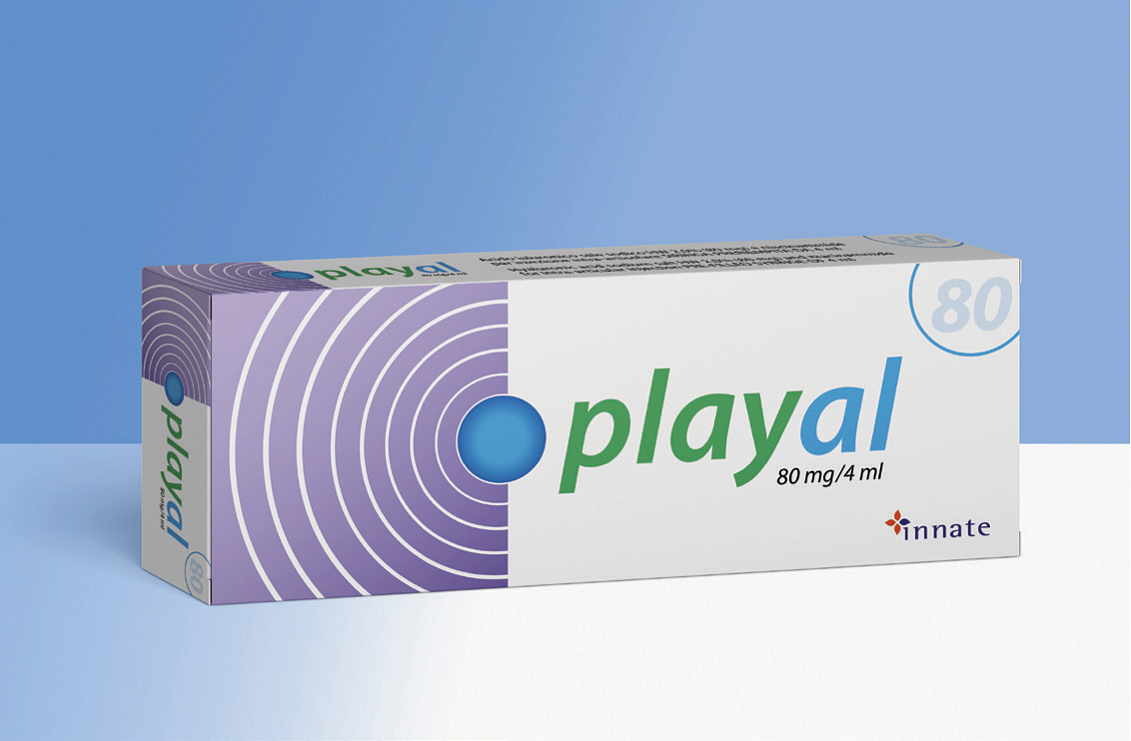
In the modern clinical management of Lipoprotein(a) Excess, therapeutic strategies focus on aggressive lipid-lowering protocols to mitigate the heightened cardiovascular risk associated with elevated Lp(a) levels. While Lipoprotein(a) is largely genetically determined and resistant to standard statin therapy, clinicians often employ combination pharmacotherapy to optimize the overall lipid profile and reduce secondary atherosclerotic burden. In this context, the administration of Playal / بلايال 80mg + 20mg serves as a critical component of a comprehensive cardiovascular risk reduction strategy, ensuring that comorbid dyslipidemia is strictly controlled to prevent synergistic complications in patients already predisposed to premature vascular disease.