Clinical Assessment & Protocol
Typical Presentation (HPI)
EN: Patient presents for evaluation of dyslipidemia, specifically noted low HDL-cholesterol levels. Denies chest pain, palpitations, or exertional dyspnea. Review of systems negative for symptoms of metabolic syndrome, hypothyroidism, or secondary causes of lipid abnormalities. Patient reports [sedentary/active] lifestyle and [non-contributory/significant] family history of premature coronary artery disease. AR: يراجع المريض لتقييم خلل شحميات الدم، مع ملاحظة انخفاض مستويات الكوليسترول الحميد (HDL). ينفي المريض وجود ألم في الصدر، خفقان، أو ضيق تنفس جهدي. مراجعة الأجهزة سلبية لأعراض متلازمة التمثيل الغذائي، قصور الغدة الدرقية، أو الأسباب الثانوية لاضطرابات الدهون. يشير المريض إلى نمط حياة [خامل/نشط] وتاريخ عائلي [غير ذي صلة/هام] للإصابة المبكرة بأمراض الشرايين التاجية.
General Examination
EN: General: Patient is in no acute distress. Cardiovascular: Regular rate and rhythm, S1/S2 normal, no murmurs, rubs, or gallops. Carotid pulses 2+ bilaterally without bruits. Extremities: No peripheral edema, pulses symmetric. Abdominal: No hepatosplenomegaly. BMI: [Value] kg/m². Waist circumference: [Value] cm. AR: الحالة العامة: المريض لا يعاني من أي ضائقة حادة. القلب والأوعية الدموية: النظم والنبض منتظم، أصوات القلب (S1/S2) طبيعية، لا توجد لغط أو احتكاك أو أصوات إضافية. نبض الشريان السباتي 2+ على الجانبين بدون لغط. الأطراف: لا يوجد وذمة محيطية، النبض متماثل. البطن: لا يوجد تضخم في الكبد أو الطحال. مؤشر كتلة الجسم: [القيمة] كجم/م². محيط الخصر: [القيمة] سم.
Treatment Protocol
EN: Initiate therapeutic lifestyle changes (TLC) including aerobic exercise (150 min/week) and smoking cessation if applicable. Dietary modification: emphasize intake of monounsaturated fats, omega-3 fatty acids, and high-fiber foods. Re-evaluate lipid panel in 3 months. Consider pharmacotherapy (e.g., statins, fibrates, or niacin) if global cardiovascular risk remains elevated despite lifestyle optimization. AR: البدء بتغييرات نمط الحياة العلاجية (TLC) بما في ذلك التمارين الهوائية (150 دقيقة/أسبوع) والإقلاع عن التدخين إذا لزم الأمر. تعديل النظام الغذائي: التركيز على تناول الدهون الأحادية غير المشبعة، أحماض أوميغا 3 الدهنية، والأطعمة الغنية بالألياف. إعادة تقييم ملف الدهون خلال 3 أشهر. النظر في العلاج الدوائي (مثل الستاتينات، الفايبرات، أو النياسين) إذا ظل خطر الإصابة بأمراض القلب والأوعية الدموية مرتفعاً على الرغم من تحسين نمط الحياة.
Patient Education
EN: HDL is the "good" cholesterol that helps remove excess cholesterol from your bloodstream. Low levels increase cardiovascular risk. Focus on increasing physical activity, maintaining a healthy weight, and avoiding trans fats. Limit refined carbohydrates and alcohol intake. Consistency in lifestyle changes is essential for long-term improvement of your lipid profile. AR: الكوليسترول الحميد (HDL) هو الكوليسترول "الجيد" الذي يساعد في إزالة الكوليسترول الزائد من مجرى الدم. المستويات المنخفضة تزيد من خطر الإصابة بأمراض القلب. ركز على زيادة النشاط البدني، الحفاظ على وزن صحي، وتجنب الدهون المتحولة. قلل من تناول الكربوهيدرات المكررة والكحول. الاستمرارية في تغيير نمط الحياة ضرورية للتحسن طويل الأمد في ملف الدهون الخاص بك.
Systemic & Specialized Examinations
EN: Cardiac examination reveals: Insulin resistance pattern. AR: الفحص القلبي يظهر: Insulin resistance pattern.
EN: Lungs clear to auscultation bilaterally. AR: الرئتان صافيتان عند التسمع.
EN: Abdomen soft, non-tender, non-distended. AR: البطن لين، غير مؤلم، غير منتفخ.
EN: Alert and oriented. No focal deficits. AR: يقظ ومدرك. لا عجز بؤري.
EN: Unremarkable or not routinely indicated for this specific cardiovascular pathology. AR: طبيعي أو غير مطلوب روتينياً لهذا المرض القلبي الوعائي.
EN: Unremarkable or not routinely indicated for this specific cardiovascular pathology. AR: طبيعي أو غير مطلوب روتينياً لهذا المرض القلبي الوعائي.
EN: Unremarkable or not routinely indicated for this specific cardiovascular pathology. AR: طبيعي أو غير مطلوب روتينياً لهذا المرض القلبي الوعائي.
EN: Unremarkable or not routinely indicated for this specific cardiovascular pathology. AR: طبيعي أو غير مطلوب روتينياً لهذا المرض القلبي الوعائي.
EN: Unremarkable or not routinely indicated for this specific cardiovascular pathology. AR: طبيعي أو غير مطلوب روتينياً لهذا المرض القلبي الوعائي.
Orthopedic & Trauma Assessments
EN: Unremarkable or not routinely indicated for this specific cardiovascular pathology. AR: طبيعي أو غير مطلوب روتينياً لهذا المرض القلبي الوعائي.
EN: Unremarkable or not routinely indicated for this specific cardiovascular pathology. AR: طبيعي أو غير مطلوب روتينياً لهذا المرض القلبي الوعائي.
EN: Unremarkable or not routinely indicated for this specific cardiovascular pathology. AR: طبيعي أو غير مطلوب روتينياً لهذا المرض القلبي الوعائي.
EN: Unremarkable or not routinely indicated for this specific cardiovascular pathology. AR: طبيعي أو غير مطلوب روتينياً لهذا المرض القلبي الوعائي.
EN: Unremarkable or not routinely indicated for this specific cardiovascular pathology. AR: طبيعي أو غير مطلوب روتينياً لهذا المرض القلبي الوعائي.
EN: Unremarkable or not routinely indicated for this specific cardiovascular pathology. AR: طبيعي أو غير مطلوب روتينياً لهذا المرض القلبي الوعائي.
EN: Unremarkable or not routinely indicated for this specific cardiovascular pathology. AR: طبيعي أو غير مطلوب روتينياً لهذا المرض القلبي الوعائي.
EN: Unremarkable or not routinely indicated for this specific cardiovascular pathology. AR: طبيعي أو غير مطلوب روتينياً لهذا المرض القلبي الوعائي.
EN: Unremarkable or not routinely indicated for this specific cardiovascular pathology. AR: طبيعي أو غير مطلوب روتينياً لهذا المرض القلبي الوعائي.
1. Executive Overview: Understanding Low HDL Cholesterol
High-density lipoprotein (HDL) is frequently referred to in clinical literature as "good cholesterol" due to its critical role in reverse cholesterol transport (RCT). Unlike low-density lipoprotein (LDL), which deposits cholesterol into arterial walls, HDL acts as a biological scavenger, removing excess cholesterol from peripheral tissues and transporting it back to the liver for excretion or recycling.
Low HDL cholesterol (ICD-10: E78.6), medically defined as serum HDL levels falling below 40 mg/dL (1.0 mmol/L) in men and 50 mg/dL (1.3 mmol/L) in women, is a significant, independent cardiovascular risk factor. While historically clinical focus was heavily weighted toward lowering LDL, modern cardiology emphasizes the "HDL hypothesis"—the premise that suboptimal HDL levels contribute to accelerated atherosclerosis, endothelial dysfunction, and a heightened risk of major adverse cardiovascular events (MACE), including myocardial infarction and stroke.
2. Pathophysiology, Etiology, and Risk Factors
The Pathophysiological Mechanism
The primary function of HDL is the mediation of reverse cholesterol transport. In a healthy state, ApoA-I (the primary protein component of HDL) interacts with the ABCA1 transporter on the surface of macrophages to efflux cholesterol. When HDL levels are pathologically low, this clearance mechanism is impaired. This leads to:
* Accumulation of foam cells: Macrophages engorged with cholesterol remain in the subendothelial space, promoting plaque progression.
* Endothelial Dysfunction: HDL exerts anti-inflammatory, anti-oxidative, and anti-thrombotic effects on the vascular endothelium. A deficiency removes this protective shield.
* Pro-atherogenic milieu: Low HDL is often coupled with elevated triglycerides and small, dense LDL particles, a triad known as the "atherogenic lipid triad."
Etiology and Risk Factors
Low HDL is rarely a primary disease; it is usually secondary to systemic metabolic dysregulation or genetic predisposition.
| Category | Primary Drivers |
|---|---|
| Lifestyle Factors | Sedentary behavior, obesity, smoking, and high intake of trans-fats. |
| Metabolic Factors | Type 2 Diabetes, insulin resistance, and metabolic syndrome. |
| Genetic/Secondary | Familial hypoalphalipoproteinemia, Tangier disease, and ApoA-I mutations. |
| Pharmacological | Use of beta-blockers, anabolic steroids, or progestins. |
3. Signs, Symptoms, and Clinical Presentation
Low HDL cholesterol is inherently asymptomatic. Patients rarely present with physical stigmata directly linked to the low HDL level itself. Instead, the clinical presentation is characterized by the complications of the underlying dyslipidemia or the associated metabolic syndrome.
Clinical suspicion should be high in patients presenting with:
* Premature Atherosclerosis: Angina pectoris, claudication, or transient ischemic attacks (TIAs).
* Metabolic Syndrome Stigmata: Central obesity (increased waist circumference), acanthosis nigricans (suggesting insulin resistance), and hypertension.
* Secondary Signs: Xanthomas or xanthelasmas (though these are more commonly associated with elevated LDL or triglycerides, they signify severe lipid metabolism disorders).
4. Standard Diagnostic Evaluation & Workup
The diagnosis of low HDL is established through a standardized Lipid Profile (Lipid Panel).
Diagnostic Criteria
To ensure clinical accuracy, patients must be in a fasting state (8–12 hours) prior to blood collection. The gold standard assessment includes:
1. Total Cholesterol: Measures all circulating cholesterol.
2. HDL-C: Quantifies the high-density lipoprotein fraction.
3. LDL-C: Calculated via the Friedewald equation (Total Cholesterol - HDL - [Triglycerides/5]). Note: This is inaccurate if triglycerides exceed 400 mg/dL.
4. Triglycerides: Elevated levels (>150 mg/dL) are strongly inversely correlated with HDL levels.
Advanced Diagnostic Assays
In cases of refractory low HDL or suspected genetic dyslipidemias, the following may be utilized:
* Apolipoprotein A-I (ApoA-I) Testing: Direct measurement of the structural protein of HDL.
* NMR Lipoprotein Particle Profile: Provides a detailed breakdown of particle size and concentration, offering a more nuanced view of cardiovascular risk than standard cholesterol counts.
* Coronary Artery Calcium (CAC) Scoring: A non-contrast CT scan used to quantify the burden of atherosclerosis, helping to risk-stratify patients with low HDL.
5. Therapeutic Interventions
Management of low HDL focuses on lifestyle modification as the first-line intervention, followed by targeted pharmacotherapy if cardiovascular risk remains elevated.
Lifestyle Modification
- Aerobic Exercise: Moderate-to-vigorous physical activity (150+ minutes/week) is the most potent non-pharmacological method to increase HDL levels.
- Dietary Adjustments: Replacing saturated and trans-fats with monounsaturated and polyunsaturated fats (e.g., Mediterranean diet).
- Smoking Cessation: Smoking impairs the function of LCAT (lecithin-cholesterol acyltransferase), an enzyme crucial for HDL maturation.
Pharmacotherapy
While historical treatments like Niacin and CETP inhibitors have largely fallen out of favor due to limited clinical benefit in outcome trials, the following are standard:
* Statins: While primarily for LDL reduction, they provide moderate cardiovascular protection in patients with concurrent low HDL.
* Fibrates: Indicated primarily for high triglycerides, they can modestly increase HDL, though they are not recommended solely for HDL elevation.
* PCSK9 Inhibitors: Reserved for high-risk patients who fail to reach LDL targets despite aggressive statin therapy.
6. Frequently Asked Questions (FAQ)
1. Is low HDL a disease or a symptom?
Low HDL is typically a metabolic biomarker or a symptom of an underlying systemic issue, such as insulin resistance or genetic lipid disorders, rather than a standalone disease.
2. Can I raise my HDL through diet alone?
While diet (specifically healthy fats like omega-3s and olive oil) helps, exercise is significantly more effective at increasing HDL levels than dietary changes alone.
3. Does low HDL mean I will have a heart attack?
Not necessarily. Low HDL is a risk factor, not a guarantee. Your overall cardiovascular risk is calculated using tools like the ASCVD Risk Estimator, which considers age, blood pressure, smoking status, and LDL levels.
4. Why don't doctors prescribe Niacin anymore?
Major clinical trials (such as AIM-HIGH and HPS2-THRIVE) demonstrated that while Niacin raises HDL, it did not significantly reduce the risk of heart attacks or strokes compared to statin therapy alone, and it carries significant side effects.
5. What is the difference between HDL-C and ApoA-I?
HDL-C measures the amount of cholesterol carried by HDL particles. ApoA-I is the protein that makes up the HDL particle. In some patients, HDL-C is low, but particle function remains adequate.
6. Does alcohol consumption help raise HDL?
While moderate alcohol intake is associated with higher HDL, medical professionals do not recommend increasing alcohol consumption to improve lipid profiles due to associated risks like liver disease, cancer, and hypertension.
7. What is the relationship between diabetes and low HDL?
Insulin resistance increases the activity of Cholesteryl Ester Transfer Protein (CETP), which facilitates the exchange of cholesterol from HDL to VLDL, resulting in lower HDL levels.
8. Can genetics cause low HDL?
Yes. Conditions like Familial Hypoalphalipoproteinemia can cause lifelong low HDL, often requiring more aggressive management of other risk factors.
9. Is there a "too high" level for HDL?
Extremely high HDL levels (>90 mg/dL) are rare and can sometimes paradoxically increase cardiovascular risk, though this is currently a subject of intense research.
10. How often should I have my lipid profile checked?
For most adults, a lipid panel every 4–6 years is sufficient. However, if you have been diagnosed with low HDL, your physician will likely recommend testing every 6–12 months to monitor the impact of lifestyle or therapeutic changes.
Long-Term Prognosis
The prognosis for individuals with low HDL is highly dependent on the control of other cardiovascular risk factors. When low HDL is managed through a holistic approach—specifically by optimizing blood pressure, controlling blood glucose, and maintaining a healthy body mass index—the risk of adverse cardiovascular outcomes can be significantly mitigated. Patients are encouraged to work closely with their primary care provider or cardiologist to develop a personalized risk-reduction plan.
Related Clinical Integration
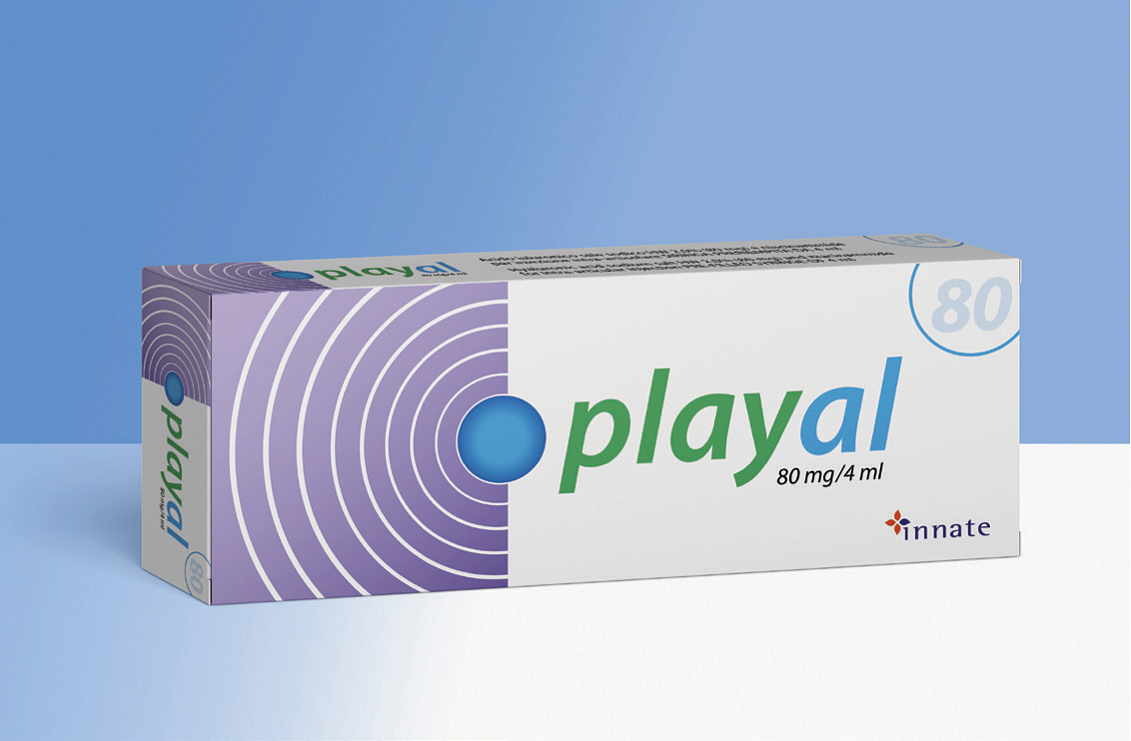
In the clinical management of patients presenting with low high-density lipoprotein (HDL) cholesterol, the primary therapeutic objective is to mitigate overall cardiovascular risk through comprehensive lipid-lowering strategies. While low HDL is often a marker of metabolic dysregulation, clinicians frequently prescribe Statins / الستاتينات Standard to aggressively reduce low-density lipoprotein (LDL) levels, thereby lowering the cumulative atherogenic burden. In cases where patients require a more robust, multi-modal approach to lipid profile optimization, combination therapies such as Playal / بلايال 80mg + 20mg may be indicated to achieve synergistic efficacy in stabilizing vascular health and preventing major adverse cardiovascular events.