Clinical Assessment & Protocol
Typical Presentation (HPI)
EN: Patient presents for evaluation of multisystem involvement consistent with Lowe Syndrome. History significant for congenital bilateral cataracts, infantile hypotonia, and failure to thrive. Caregiver reports polyuria, polydipsia, and episodes of metabolic acidosis suggestive of proximal renal tubular dysfunction (Fanconi syndrome). Developmental history notable for global developmental delay and intellectual disability. Family history positive for X-linked inheritance pattern. AR: يراجع المريض لتقييم إصابة متعددة الأجهزة تتوافق مع متلازمة لوي. التاريخ المرضي مهم لوجود إعتام عدسة العين الخلقي الثنائي، ونقص التوتر العضلي الرضيعي، وفشل في النمو. يشير مقدم الرعاية إلى وجود بوال، وعطاش، ونوبات من الحماض الاستقلابي الموحية بخلل في وظيفة الأنبوب الكلوي القريب (متلازمة فانكوني). التاريخ النمائي ملحوظ بوجود تأخر نمائي شامل وإعاقة ذهنية. التاريخ العائلي إيجابي لنمط وراثة مرتبط بالكروموسوم X.
General Examination
EN: Physical exam reveals characteristic facies (prominent forehead, deep-set eyes). Ocular: Bilateral congenital cataracts, evidence of glaucoma or buphthalmos. Musculoskeletal: Profound hypotonia, hyporeflexia, and joint hypermobility. Growth: Failure to thrive with weight and height below the 5th percentile. Renal: Monitor for signs of rickets or osteomalacia secondary to chronic tubular loss of phosphate and bicarbonate. AR: يكشف الفحص البدني عن ملامح وجه مميزة (جبهة بارزة، عينان غائرتان). العيون: إعتام عدسة العين الخلقي الثنائي، أدلة على وجود زرق (جلوكوما) أو كبر حجم العين. الجهاز العضلي الهيكلي: نقص توتر عضلي شديد، نقص المنعكسات، وفرط حركة المفاصل. النمو: فشل في النمو مع وزن وطول أقل من المئوي الخامس. الكلى: مراقبة علامات الكساح أو تلين العظام الثانوية لفقدان الفوسفات والبيكربونات المزمن عبر الأنابيب الكلوية.
Treatment Protocol
EN: Management is multidisciplinary. Ocular: Early surgical intervention for cataracts and aggressive management of glaucoma. Renal: Correction of metabolic acidosis with oral bicarbonate/citrate supplementation; phosphate replacement for renal rickets; hydration maintenance. Neurological: Physical, occupational, and speech therapy for developmental support. Behavioral: Management of irritability and stereotypic behaviors. AR: الإدارة متعددة التخصصات. العيون: تدخل جراحي مبكر لإعتام عدسة العين وإدارة مكثفة للزرق. الكلى: تصحيح الحماض الاستقلابي بمكملات البيكربونات/السترات عن طريق الفم؛ تعويض الفوسفات لعلاج الكساح الكلوي؛ الحفاظ على الإماهة. الأعصاب: العلاج الطبيعي، والوظيفي، وعلاج النطق لدعم النمو. السلوكية: إدارة التهيج والسلوكيات النمطية.
Patient Education
EN: Lowe Syndrome is a lifelong genetic condition requiring coordinated care. Ensure strict adherence to renal supplementation to prevent bone disease. Regular ophthalmologic follow-up is critical to preserve vision. Early intervention services are essential for developmental progress. Genetic counseling is recommended for family planning due to X-linked inheritance. AR: متلازمة لوي هي حالة وراثية مدى الحياة تتطلب رعاية منسقة. يجب ضمان الالتزام الصارم بالمكملات الكلوية للوقاية من أمراض العظام. المتابعة الدورية مع طبيب العيون أمر بالغ الأهمية للحفاظ على الرؤية. خدمات التدخل المبكر ضرورية للتقدم النمائي. يُنصح بالاستشارة الوراثية للتخطيط الأسري نظراً لكونها حالة مرتبطة بالكروموسوم X.
Systemic & Specialized Examinations
EN: Patient exhibits signs of renal tubular dysfunction, specifically [Fanconi syndrome/acidosis/proteinuria]. Growth parameters show [failure to thrive/appropriate growth] with weight at [percentile]. AR: يظهر المريض علامات خلل في الأنابيب الكلوية، وتحديداً [متلازمة فانكوني/حماض/بيلة بروتينية]. تظهر قياسات النمو [فشل في النمو/نمواً مناسباً] مع وزن عند [المئوي].
EN: Neurological assessment shows global developmental delay, [presence/absence] of hypotonia, and [presence/absence] of seizures. Deep tendon reflexes are [normal/diminished/hyperactive]. AR: يظهر التقييم العصبي تأخراً نمائياً شاملاً، مع [وجود/غياب] نقص التوتر العضلي، و[وجود/غياب] نوبات صرعية. المنعكسات الوترية العميقة [طبيعية/ضعيفة/مفرطة].
EN: Behavioral assessment notes [presence/absence] of stereotypic behaviors, irritability, and [social/communication] challenges consistent with the patient's developmental profile. AR: يلاحظ التقييم السلوكي [وجود/غياب] السلوكيات النمطية، والتهيج، وتحديات [اجتماعية/تواصلية] تتوافق مع الملف النمائي للمريض.
EN: Examination reveals bilateral congenital cataracts, [presence/absence] of glaucoma, and nystagmus. Visual acuity is [measured/estimated] at [value]. AR: يظهر الفحص وجود ساد (مياه بيضاء) خلقي ثنائي الجانب، مع [وجود/غياب] المياه الزرقاء (الجلوكوما)، ورأرأة في العين. حدة الإبصار [تم قياسها/تقديرها] بـ [القيمة].
Orthopedic & Trauma Assessments
EN: Gait assessment demonstrates [normal/ataxic/delayed] ambulation. Patient currently requires [no assistance/orthotics/support] for mobility. AR: يظهر تقييم المشية [مشية طبيعية/ترنح/تأخر] في القدرة على المشي. يحتاج المريض حالياً إلى [بدون مساعدة/جبائر تقويمية/دعم] للحركة.
1. Comprehensive Executive Overview: Understanding Lowe Syndrome
Lowe Syndrome, clinically identified as Oculocerebrorenal Syndrome (OCRL), is a rare, X-linked genetic disorder characterized by a multisystemic involvement of the eyes, the central nervous system, and the renal (kidney) system. First described by Charles Lowe in 1952, this condition primarily affects males, as it follows an X-linked recessive pattern of inheritance.
At its core, Lowe Syndrome is a metabolic disorder resulting from a deficiency in the OCRL1 enzyme, which is crucial for the regulation of intracellular trafficking and the maintenance of the Golgi apparatus and endosomal membranes. Because the manifestations are systemic, patients require a multidisciplinary clinical team involving pediatric ophthalmologists, nephrologists, neurologists, geneticists, and physical therapists to manage the complex interplay of symptoms.
While there is currently no cure for Lowe Syndrome, advancements in supportive care, aggressive management of metabolic acidosis, and early ocular interventions have significantly improved the quality of life and life expectancy for affected individuals.
2. Detailed Pathophysiology, Etiology, and Risk Factors
Genetic Etiology
Lowe Syndrome is caused by mutations in the OCRL gene located on the X chromosome (Xq26.1). This gene encodes the inositol polyphosphate 5-phosphatase enzyme.
* Inheritance Pattern: X-linked recessive.
* Risk Factors: Primarily males. Female carriers are typically asymptomatic due to X-inactivation, though they may show subtle ocular lens opacities.
* Pathophysiology: The OCRL1 enzyme plays a pivotal role in the conversion of phosphatidylinositol 4,5-bisphosphate [PI(4,5)P2] to phosphatidylinositol 4-phosphate. A deficiency of this enzyme leads to an accumulation of PI(4,5)P2, which disrupts vesicle trafficking, actin cytoskeleton organization, and protein sorting. This molecular disruption is what leads to the characteristic triad of ocular, renal, and neurological impairment.
Pathophysiological Impact
| System | Biological Consequence |
|---|---|
| Ocular | Disruption in lens fiber cell development leading to congenital cataracts. |
| Renal | Proximal tubule dysfunction (Fanconi-like syndrome) causing loss of electrolytes and amino acids. |
| Neurological | Impaired neuronal development and migration, leading to global developmental delays. |
3. Signs, Symptoms, and Clinical Presentation
The clinical presentation of Lowe Syndrome is typically noted at birth or in early infancy. The "triad" of symptoms is the hallmark of the condition.
The Diagnostic Triad
- Ocular Manifestations: Bilateral congenital cataracts are present in nearly 100% of cases. Many infants also present with congenital glaucoma, which, if left untreated, leads to irreversible optic nerve damage.
- Renal Manifestations: Patients exhibit proximal tubular dysfunction, commonly known as Fanconi syndrome. This results in the loss of essential nutrients in the urine, including bicarbonate, amino acids, glucose, and phosphate.
- Neurological Manifestations: Hypotonia (low muscle tone) is a hallmark sign in infancy. As the child grows, this manifests as developmental delay, intellectual disability, and in some cases, behavioral challenges or seizures.
Additional Features
- Growth: Failure to thrive and short stature are common.
- Orthopedic: Osteomalacia or rickets due to chronic renal phosphate wasting.
- Behavioral: Characteristic "Lowe behavior," which can include irritability, temper tantrums, and stereotyped movements.
4. Standard Diagnostic Evaluation & Workup
Early diagnosis is critical for preventing permanent ocular damage and managing the metabolic complications of Fanconi syndrome.
Clinical Diagnostic Criteria
- Ophthalmological Exam: Slit-lamp examination should be performed by a pediatric ophthalmologist immediately upon suspicion of cataracts or glaucoma.
- Biochemical Assessment: Urine and blood panels are essential.
- Urinalysis: Screening for proteinuria, glucosuria, and phosphaturia.
- Blood Chemistry: Evaluation for hypokalemia, hypophosphatemia, and hyperchloremic metabolic acidosis.
- Molecular Genetic Testing: The gold standard for confirmation is sequence analysis of the OCRL gene. If the mutation is identified, it confirms the diagnosis and allows for carrier testing in family members.
Differential Diagnosis
The clinical team must distinguish Lowe Syndrome from other conditions presenting with cataracts and renal dysfunction, such as:
* Galactosemia
* Tyrosinemia
* Cystinosis
* Dent Disease (which shares some renal features but lacks the ocular component)
5. Therapeutic Interventions
Management is strictly supportive and focuses on mitigating systemic damage.
Pharmacotherapy & Metabolic Management
- Bicarbonate Supplementation: Oral sodium bicarbonate or potassium citrate is mandatory to correct chronic metabolic acidosis and prevent bone demineralization.
- Phosphate and Vitamin D: Used to manage rickets and maintain bone density.
- Carnitine: Sometimes prescribed to manage low serum carnitine levels associated with renal loss.
Surgical Interventions
- Cataract Extraction: Early surgical removal of cataracts is standard, but the procedure carries a high risk of postoperative glaucoma.
- Glaucoma Management: Aggressive management with topical antiglaucoma medications; surgery (trabeculectomy or goniotomy) may be required if pressure remains uncontrolled.
Lifestyle and Supportive Care
- Physical and Occupational Therapy: Crucial for managing hypotonia and helping the child reach developmental milestones.
- Speech Therapy: Often required due to delays in verbal communication.
- Nutritional Support: High-calorie diets are often necessary to combat failure to thrive.
6. Frequently Asked Questions (FAQ)
1. Is Lowe Syndrome fatal?
Lowe Syndrome is not inherently fatal in childhood, but it is a life-shortening condition. Mortality is often associated with renal failure or respiratory complications later in life.
2. Can female carriers show symptoms?
Female carriers are generally asymptomatic, though they may have "snowflake" cataracts that do not significantly impact vision.
3. Does the kidney damage improve with age?
The renal dysfunction (Fanconi syndrome) is progressive. While it can be managed with supplements, it does not resolve and requires lifelong monitoring.
4. What is the role of the OCRL1 enzyme?
It is a phosphatase enzyme that regulates intracellular membrane trafficking. Its absence leads to cellular "traffic jams" that damage the eyes, kidneys, and brain.
5. At what age are cataracts typically diagnosed?
Cataracts are almost always present at birth and should be identified during the newborn physical examination.
6. Are seizures common in Lowe Syndrome?
Seizures occur in approximately 50% of patients. They are usually managed with standard anti-epileptic medications.
7. Is there a gene therapy for Lowe Syndrome?
Currently, there is no FDA-approved gene therapy for Lowe Syndrome, though research into genetic modification is ongoing.
8. How often should a child with Lowe Syndrome see a nephrologist?
Patients should be monitored by a pediatric nephrologist at least every 3 to 6 months to adjust dosages of bicarbonate and phosphate.
9. Can the developmental delays be reversed?
While early intervention therapy can maximize a child's potential, the cognitive and motor delays associated with the neurological damage of the syndrome are typically permanent.
10. What is the life expectancy?
With modern medical care, many individuals with Lowe Syndrome now live into their 30s or 40s. Success depends heavily on the management of renal and ocular complications.
Disclaimer: This content is for informational purposes only and does not constitute medical advice, diagnosis, or treatment. Always seek the advice of your physician or other qualified health provider with any questions you may have regarding a medical condition.
Related Clinical Integration
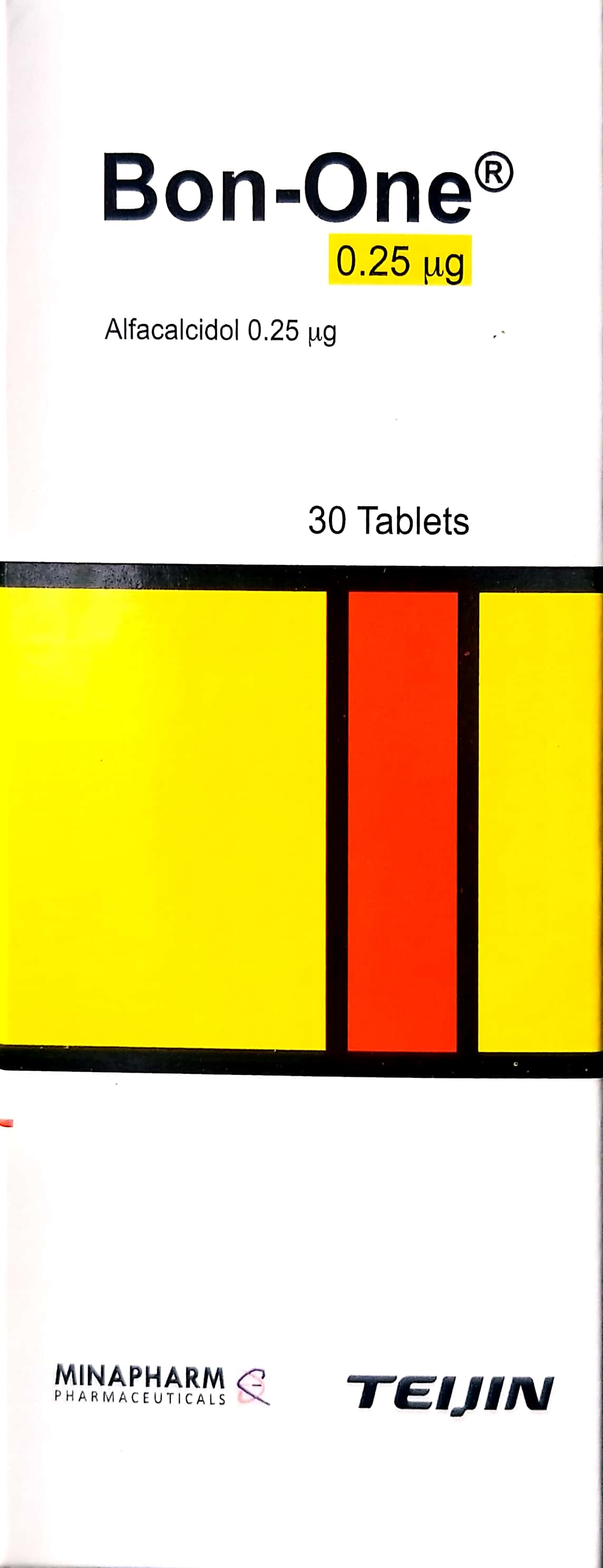
The multidisciplinary management of Lowe Syndrome (Oculocerebrorenal Syndrome) requires a coordinated hospital-based approach to address its multisystemic manifestations, beginning with diagnostic confirmation through Genetic Testing and baseline Ophthalmological examination. Clinical surveillance is centered on monitoring renal tubular dysfunction via Renal Function Tests and managing metabolic acidosis and rickets through the administration of Sodium Bicarbonate / بيكربونات الصوديوم 50mEq/50ml, Citrate Salts (e.g., Potassium Citrate) / أملاح السترات (مثل، سترات البوتاسيوم) Standard, Potassium Citrate / سترات البوتاسيوم Standard, Phosphate supplements / مكملات الفوسفات Standard, Vitamin D supplements / مكملات فيتامين د Standard, and Bon-one / بون-ون 0.25mcg. Neurological and developmental support is facilitated by Cranial imaging (MRI/CT) / تصوير الجمجمة (الرنين المغناطيسي/التصوير المقطعي) (خدمات رعاية عامة) and regular Developmental assessment,