Clinical Assessment & Protocol
Typical Presentation (HPI)
EN: Increased fracture risk and bone pain. AR: زيادة خطر الكسور وألم العظام.
General Examination
EN: Unremarkable or not routinely indicated. AR: طبيعي أو غير مطلوب روتينياً.
Treatment Protocol
EN: AR:
Patient Education
EN: AR:
Systemic & Specialized Examinations
EN: S1, S2 present. No murmurs. AR: صوتا القلب الأول والثاني طبيعيان. لا توجد نفخات.
EN: Lungs clear to auscultation. AR: الرئتان صافيتان عند التسمع.
EN: AR:
EN: Alert, oriented x3. No focal deficits. AR: المريض واعي ومدرك. لا يوجد عجز عصبي بؤري.
EN: Unremarkable or not routinely indicated. AR: طبيعي أو غير مطلوب روتينياً.
EN: Unremarkable or not routinely indicated. AR: طبيعي أو غير مطلوب روتينياً.
EN: Unremarkable or not routinely indicated. AR: طبيعي أو غير مطلوب روتينياً.
EN: Unremarkable or not routinely indicated. AR: طبيعي أو غير مطلوب روتينياً.
EN: Unremarkable or not routinely indicated. AR: طبيعي أو غير مطلوب روتينياً.
Comprehensive Clinical Guide: Metabolic Bone Disease (MBD)
Metabolic Bone Disease (MBD) is not a singular entity, but rather a spectrum of systemic disorders characterized by disturbances in bone strength, remodeling, and mineral homeostasis. As an orthopedic specialist, one must view MBD as a failure of the skeletal system to maintain its structural integrity due to underlying biochemical, hormonal, or nutritional derangements. Unlike traumatic fractures or primary malignancies, MBD represents a systemic "biological software error" where the coupling of osteoblastic bone formation and osteoclastic bone resorption is fundamentally disrupted.
1. Introduction and Clinical Definition
Metabolic Bone Disease encompasses a group of conditions that result in decreased bone mass, architectural deterioration, and altered bone quality. The clinical definition centers on the inability of the skeletal matrix to maintain appropriate mineralization or structural turnover.
Core Pathophysiological Pillars:
- Mineral Deficiency: Calcium, phosphorus, or Vitamin D insufficiency.
- Hormonal Dysregulation: Parathyroid hormone (PTH), estrogen, or growth hormone imbalances.
- Cellular Dysfunction: Impaired osteoblast activity or excessive osteoclast recruitment.
- Matrix Defects: Abnormal collagen cross-linking or mineralization defects (osteomalacia).
2. Deep-Dive: Mechanisms and Pathophysiology
The pathophysiology of MBD is best understood through the lens of the "Remodeling Cycle." In a healthy adult, bone turnover is a tightly coupled process. MBD occurs when this coupling is uncoupled.
The Remodeling Cycle Breakdown
- Activation: Pre-osteoclasts are recruited to the bone surface.
- Resorption: Osteoclasts secrete acids and enzymes to dissolve hydroxyapatite and collagen.
- Reversal: Macrophage-like cells prepare the surface for new bone.
- Formation: Osteoblasts deposit osteoid, which subsequently mineralizes.
Pathological Mechanisms by Disease Type
| Disease | Primary Mechanism | Key Deficit |
|---|---|---|
| Osteoporosis | Increased resorption > Formation | Bone mass density (BMD) |
| Osteomalacia | Impaired mineralization of osteoid | Vitamin D / Phosphate |
| Paget’s Disease | Disorganized, rapid turnover | Architectural integrity |
| Hyperparathyroidism | Excessive osteoclast stimulation | Calcium homeostasis |
In Osteomalacia, the organic matrix (osteoid) is present, but it fails to mineralize, leading to "soft bones." In Osteoporosis, the bone is mineralized correctly, but the volume of bone is insufficient to withstand mechanical loads.
3. Clinical Indications, Presentation, and Staging
Patients with MBD often present with non-specific, insidious symptoms. Early detection is clinical "gold," as many forms of MBD are progressive and potentially irreversible if not addressed during the initial stages.
Standard Clinical Presentation
- Skeletal Pain: Deep, aching bone pain, often worse at night.
- Fracture History: Fragility fractures (fractures occurring from a fall from standing height or less).
- Deformity: Kyphosis (dowager’s hump), bowing of the long bones (common in Paget’s or severe Osteomalacia).
- Muscle Weakness: Proximal myopathy is a hallmark of severe Vitamin D deficiency.
Clinical Staging (General Classification)
- Stage I (Biochemical): Abnormal laboratory values (e.g., elevated alkaline phosphatase, low Vitamin D) without radiographic changes.
- Stage II (Radiographic): Presence of osteopenia, Looser’s zones (pseudo-fractures), or cortical thinning on imaging.
- Stage III (Clinical/Symptomatic): Bone pain, overt fractures, and functional mobility loss.
- Stage IV (Complicated): Chronic deformity, secondary osteoarthritis, and neurological sequelae (e.g., nerve root compression).
4. Differential Diagnosis
Distinguishing between MBD subtypes is critical because the treatment for one (e.g., calcium supplementation) could be detrimental to another (e.g., hypercalcemic states).
- Primary Osteoporosis: Low BMD with normal calcium/phosphate/PTH.
- Renal Osteodystrophy: MBD secondary to chronic kidney disease; characterized by elevated PTH and phosphate.
- Multiple Myeloma: A malignancy that mimics MBD via lytic lesions; must be ruled out in older patients with unexplained bone pain.
- Osteogenesis Imperfecta: Genetic collagen defect, usually diagnosed in childhood.
- Hyperparathyroidism: Elevated PTH, hypercalcemia, and low phosphate.
5. Diagnostic Testing Protocols
A systematic diagnostic workup is mandatory for any patient suspected of MBD.
Laboratory Workup
- Serum Calcium/Albumin: To determine ionized calcium status.
- Serum Phosphate: Low in Vitamin D deficiency; high in renal failure.
- 25-Hydroxyvitamin D: The primary marker for vitamin D status.
- PTH (Intact): Determines if the bone loss is hormonally driven.
- Alkaline Phosphatase (ALP): A marker of high bone turnover.
- Bone Turnover Markers (BTMs): CTX (resorption) and P1NP (formation).
Imaging Modalities
- DEXA Scan: The gold standard for measuring Bone Mineral Density (T-scores and Z-scores).
- Plain Radiographs: Essential for identifying Looser’s zones, subperiosteal resorption, or Pagetic bone expansion.
- Bone Scintigraphy (Technetium-99m): Used to identify "hot spots" in Paget’s disease.
- MRI: Utilized when suspecting occult fractures or marrow infiltration.
6. Risks, Side Effects, and Contraindications
Treating MBD involves pharmacotherapy that carries significant risks. As specialists, we must balance the benefit of fracture prevention against the potential for adverse events.
Common Pharmacological Risks
- Bisphosphonates: Risk of Atypical Femoral Fractures (AFF) and Osteonecrosis of the Jaw (ONJ) with long-term use.
- Denosumab: Risk of "rebound" bone loss upon discontinuation; requires careful transition planning.
- Teriparatide (Anabolic): Contraindicated in patients with a history of bone radiation therapy or skeletal malignancy (osteosarcoma risk).
Contraindications
- Hypercalcemia: Absolute contraindication for Vitamin D or calcium loading.
- Severe Renal Impairment: Some bisphosphonates are cleared renally and are contraindicated or require significant dose adjustment.
7. Prognosis and Long-term Management
The prognosis for MBD is variable. Osteoporosis is a chronic condition that requires lifelong management to prevent fracture. Paget’s disease can be managed effectively, but structural deformities are permanent.
- Prevention: Adequate calcium/Vitamin D intake, weight-bearing exercise, and smoking cessation.
- Monitoring: Annual DEXA scans and biennial laboratory panels.
- Multidisciplinary Approach: Collaboration with endocrinologists, nephrologists, and physical therapists is essential for optimal patient outcomes.
8. Massive FAQ Section
Q1: What is the difference between Osteoporosis and Osteomalacia?
A1: Osteoporosis is a loss of bone volume (too little bone), whereas Osteomalacia is a failure of the matrix to mineralize (soft bone).
Q2: Why is Vitamin D so important?
A2: Vitamin D is a pro-hormone that facilitates intestinal calcium absorption. Without it, the body leaches calcium from the bones to maintain serum levels.
Q3: Can MBD be reversed?
A3: Some forms, like nutritional osteomalacia, are fully reversible. Others, like advanced osteoporosis, can be stabilized to prevent further loss, though restoring original architecture is difficult.
Q4: When should I get a DEXA scan?
A4: Generally, women over 65 and men over 70, or younger patients with significant risk factors (e.g., long-term steroid use).
Q5: What are "Looser’s Zones"?
A5: These are cortical radiolucencies seen on X-rays, often representing stress fractures that have not healed due to underlying osteomalacia.
Q6: Does exercise help MBD?
A6: Yes. Weight-bearing and resistance training provide mechanical strain, which stimulates osteoblast activity and helps maintain bone density.
Q7: Are there dietary changes for MBD?
A7: High calcium intake (dairy, leafy greens) and adequate protein are vital. Avoid excessive caffeine and alcohol, which interfere with calcium absorption.
Q8: What is the role of PTH?
A8: Parathyroid hormone regulates calcium. Chronic elevation of PTH (hyperparathyroidism) leads to excessive bone resorption.
Q9: What is the biggest risk of bisphosphonate therapy?
A9: Long-term use (>5 years) is associated with an increased risk of atypical femur fractures. "Drug holidays" are often recommended by specialists.
Q10: How do I know if my bone pain is MBD?
A10: If the pain is deep, non-localized, and not related to a specific injury, it warrants a metabolic workup. Consult an orthopedic specialist to rule out mechanical vs. metabolic origins.
9. Conclusion
Metabolic Bone Disease remains a complex, often under-diagnosed challenge in orthopedic medicine. By standardizing the diagnostic approach—combining rigorous lab work with precise imaging—we can shift the paradigm from reactive fracture management to proactive skeletal health preservation. Clinicians must maintain a high index of suspicion, especially in the aging population, to prevent the debilitating cascade of fractures that define the terminal stages of these conditions.
Disclaimer: This guide is for educational purposes for healthcare professionals and patients. Always consult with a board-certified orthopedic surgeon or endocrinologist for specific medical advice, diagnosis, or treatment plans.
Related Clinical Integration
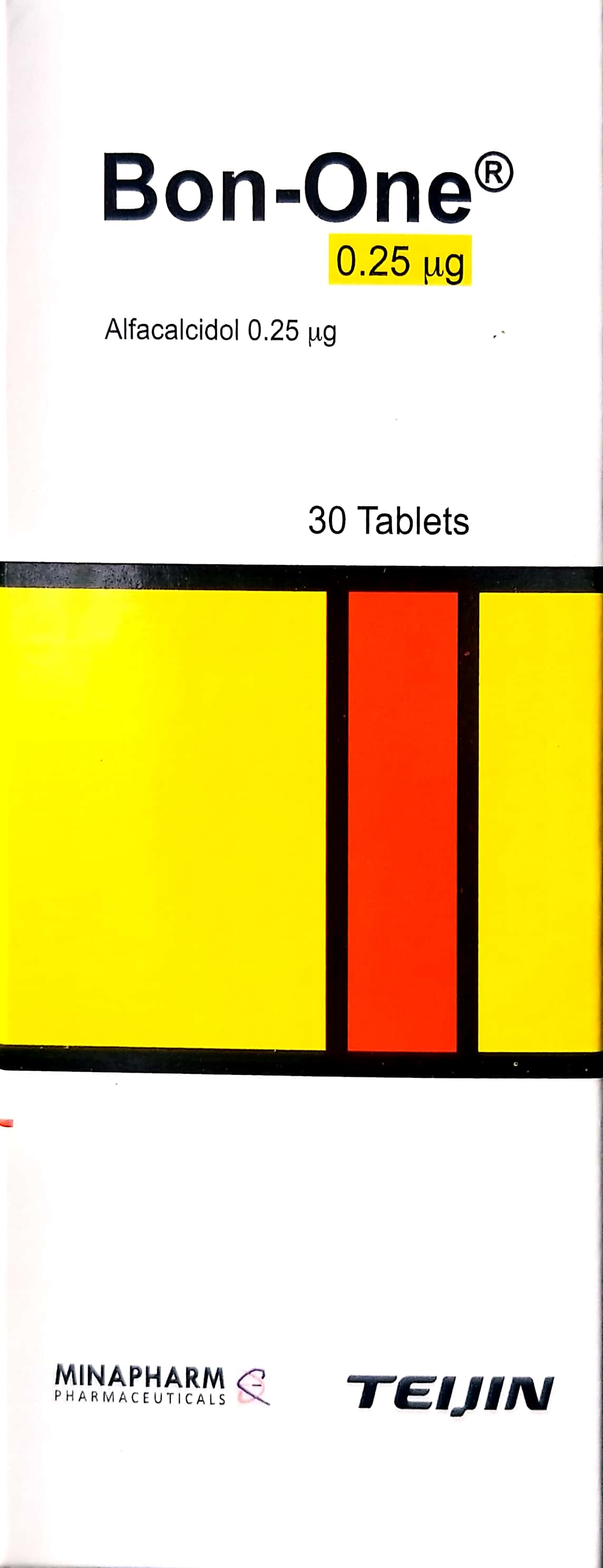
In a modern clinical setting, the management of Metabolic Bone Disease requires a multidisciplinary approach that integrates diagnostic precision with targeted pharmacological intervention. When clinical and biochemical markers are inconclusive, a Bone Biopsy (Percutaneous) / خزعة العظم (عبر الجلد) (فحص بالمنظار أو أخذ عينات)—utilizing a specialized Bone Biopsy Needle Kit (e.g., Jamshidi, Trephine, Coaxial system) / مجموعة إبرة خزعة العظم (مثل: جامشيدي، تريفين، نظام محوري)—becomes essential for definitive histopathological assessment. Once a diagnosis is established, therapeutic protocols often necessitate the administration of essential supplements and analogs, such as Calcium Gluconate / غلوكونات الكالسيوم 10ml, Bon-one / بون-ون 0.25mcg, or Calcimed D3 Effervescent Tablets / أقراص كالسي ميد د3 الفوارة 600 mg Calcium / 400 IU Cholecalciferol, to restore mineral homeostasis. To support evidence-based practice and continuous professional development, clinicians should refer to foundational resources such as Understanding Normal Bone Metabolism: Your Body's Blueprint, alongside advanced board review materials including AAOS Basic Science Orthopedic MCQs (Set 3): Bone Metabolism, Biomechanics & Cartilage Biology | Board Review,