Clinical Assessment & Protocol
Typical Presentation (HPI)
EN: Sudden onset of cyanosis and dyspnea after drug exposure. AR: ظهور مفاجئ للزرقة وضيق التنفس بعد التعرض للدواء.
General Examination
EN: Cyanosis not corrected by oxygen therapy; chocolate-colored blood. AR: زرقة لا تتحسن بالعلاج بالأكسجين؛ دم بلون الشوكولاتة.
Treatment Protocol
EN: Methylene blue administration and removal of the offending agent. AR: إعطاء الميثيلين الأزرق وإزالة العامل المسبب.
Patient Education
EN: Avoid known causative agents; alert providers of history. AR: تجنب العوامل المسببة المعروفة؛ أخبر مقدمي الخدمة الطبية بالتاريخ المرضي.
Systemic & Specialized Examinations
EN: S1, S2 present. No murmurs. AR: صوتا القلب الأول والثاني طبيعيان. لا توجد نفخات.
EN: Lungs clear to auscultation. AR: الرئتان صافيتان عند التسمع.
EN: Abdomen soft, non-tender. AR: البطن لين ولا يوجد ألم.
EN: Alert, oriented x3. No focal deficits. AR: المريض واعي ومدرك. لا يوجد عجز عصبي بؤري.
EN: Unremarkable or not routinely indicated. AR: طبيعي أو غير مطلوب روتينياً.
EN: Unremarkable or not routinely indicated. AR: طبيعي أو غير مطلوب روتينياً.
EN: Unremarkable or not routinely indicated. AR: طبيعي أو غير مطلوب روتينياً.
EN: Unremarkable or not routinely indicated. AR: طبيعي أو غير مطلوب روتينياً.
EN: Unremarkable or not routinely indicated. AR: طبيعي أو غير مطلوب روتينياً.
Comprehensive Clinical Guide: Acquired Methemoglobinemia
Methemoglobinemia is a hematologic condition characterized by an elevated level of methemoglobin in the blood. While congenital forms exist due to enzyme deficiencies, this guide focuses exclusively on Acquired Methemoglobinemia, a clinical emergency often precipitated by exposure to oxidizing pharmacological agents or environmental toxins.
As a clinician, recognizing this condition is critical, as it mimics hypoxia but remains refractory to supplemental oxygen therapy—a hallmark "clinical pearl" for the acute care setting.
1. Clinical Definition and Overview
Acquired Methemoglobinemia is defined as a state where the iron component of hemoglobin is oxidized from the ferrous (Fe2+) state to the ferric (Fe3+) state. In this oxidized state, the hemoglobin molecule loses its ability to bind oxygen effectively. Furthermore, the remaining ferrous heme sites within the same tetramer increase their affinity for oxygen, shifting the oxyhemoglobin dissociation curve to the left, which impairs the delivery of oxygen to peripheral tissues.
The Mechanism of Failure
Under normal physiological conditions, the enzyme Cytochrome b5 reductase (methemoglobin reductase) maintains methemoglobin levels below 1-2%. When an oxidizing agent overwhelms this reductive capacity, methemoglobin levels rise, leading to functional anemia and tissue hypoxia.
2. Pathophysiology and Mechanism of Action
The pathophysiology of acquired methemoglobinemia is a classic study in biochemical toxicity.
The Redox Cycle
- Oxidation: Exogenous agents (oxidants) donate electrons to the heme iron (Fe2+ → Fe3+).
- Inhibition: Certain agents may also inhibit the NADH-dependent methemoglobin reductase system.
- The Left Shift: The presence of ferric iron not only prevents oxygen binding but also alters the quaternary structure of the hemoglobin molecule, causing the remaining oxygen-binding sites to hold onto oxygen more tightly. This creates a "functional anemia" where oxygen is trapped in the blood and cannot be offloaded into the tissues.
Common Precipitating Agents
The following table categorizes the most frequent triggers seen in clinical practice:
| Category | Common Agents |
|---|---|
| Local Anesthetics | Benzocaine, Lidocaine, Prilocaine |
| Antibiotics | Dapsone, Sulfonamides, Nitrofurantoin |
| Industrial/Environmental | Nitrites, Nitrates, Aniline dyes, Benzene |
| Other Medications | Phenazopyridine, Chloroquine, Primaquine |
3. Clinical Staging and Grading
The severity of methemoglobinemia is directly proportional to the percentage of methemoglobin present in the total hemoglobin concentration.
| MetHb Level (%) | Clinical Presentation |
|---|---|
| < 3% | Normal physiological range |
| 3% – 15% | Asymptomatic; skin may appear pale or gray |
| 15% – 20% | Cyanosis (often "chocolate brown" blood) |
| 20% – 50% | Anxiety, headache, tachycardia, dyspnea |
| 50% – 70% | Confusion, seizures, arrhythmias, metabolic acidosis |
| > 70% | Coma, cardiovascular collapse, death |
4. Clinical Presentation and Diagnostic Approach
The Classic Presentation
The hallmark of acquired methemoglobinemia is cyanosis that does not respond to 100% supplemental oxygen. If a patient appears cyanotic but their arterial blood gas (ABG) shows a normal partial pressure of oxygen (PaO2), suspect methemoglobinemia immediately.
Key Diagnostic Tests
- Co-Oximetry: This is the gold standard. Standard pulse oximeters are inaccurate because they only measure absorbance at two wavelengths (660 nm and 940 nm). Co-oximeters measure multiple wavelengths, allowing for the quantification of MetHb.
- Pulse Oximetry "Saturation Gap": A classic sign is a pulse oximeter reading that plateaus around 85% regardless of true oxygenation status.
- Arterial Blood Gas (ABG): Will show a normal PaO2 (dissolved oxygen is unaffected) but a low calculated oxygen saturation.
- Blood Appearance: A drop of blood placed on white filter paper will appear chocolate-brown compared to the bright red of oxygenated blood.
5. Differential Diagnosis
Clinicians must differentiate methemoglobinemia from other causes of cyanosis and hypoxia:
* Sulfhemoglobinemia: Rare, often caused by sulfonamides; does not respond to methylene blue.
* Carbon Monoxide Poisoning: Presents with "cherry-red" skin, not cyanosis; requires CO-oximetry for diagnosis.
* Congenital Cyanotic Heart Disease: Usually presents in infancy; clinical history is key.
* Severe Pulmonary Disease: PaO2 would be low on ABG, distinguishing it from MetHb.
6. Risks, Side Effects, and Contraindications
Treatment: Methylene Blue
The primary antidote for symptomatic methemoglobinemia is Methylene Blue.
* Mechanism: It acts as an electron donor, accelerating the reduction of methemoglobin back to hemoglobin via the NADPH-methemoglobin reductase pathway.
* Dosing: 1–2 mg/kg intravenously over 5 minutes.
Critical Contraindications
- G6PD Deficiency: Methylene blue can induce hemolysis in patients with Glucose-6-Phosphate Dehydrogenase (G6PD) deficiency. Always check G6PD status if possible, or use caution.
- Serotonin Syndrome: Methylene blue is a potent MAO inhibitor. Patients on SSRIs or SNRIs are at risk of serotonin toxicity when treated with methylene blue.
7. Prognosis and Long-term Management
Acquired methemoglobinemia is generally reversible and carries an excellent prognosis if diagnosed and treated promptly.
- Acute Phase: Once the offending agent is removed and the antidote is administered, recovery is typically rapid (within 30–60 minutes).
- Long-term: There are usually no chronic sequelae. The most critical long-term step is patient education: ensuring they are aware of the specific drug or chemical trigger and providing them with a list of "must-avoid" medications.
8. Frequently Asked Questions (FAQ)
1. Why does pulse oximetry show 85% in Methemoglobinemia?
Pulse oximeters are calibrated for oxyhemoglobin and deoxyhemoglobin. Methemoglobin absorbs light at both wavelengths used by the device, causing the sensor to interpret the ratio as a saturation of approximately 85%.
2. Can Vitamin C treat mild cases?
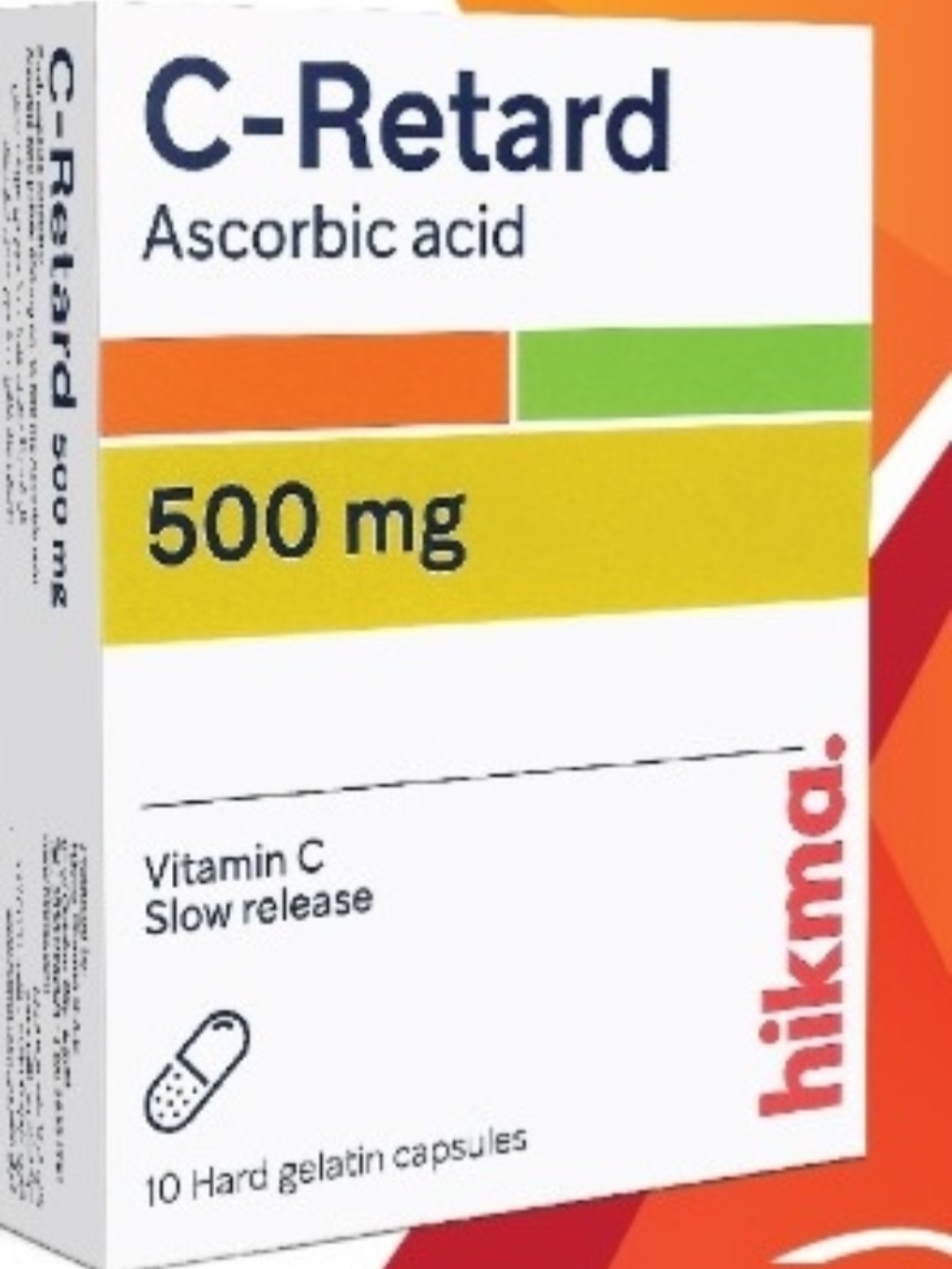
Ascorbic acid (Vitamin C) acts as a reducing agent but is significantly slower than methylene blue. It is generally reserved for stable patients with low-level MetHb or as an adjunct therapy.
3. What should I do if Methylene Blue is unavailable?
In cases of severe G6PD deficiency where Methylene Blue is contraindicated, exchange transfusion or hyperbaric oxygen therapy may be considered as life-saving measures.
4. Is the chocolate-brown blood color pathognomonic?
While highly suggestive, it is not diagnostic. It is a clinical clue that mandates immediate co-oximetry verification.
5. Why does my patient with MetHb look cyanotic but has a normal PaO2?
PaO2 measures the oxygen dissolved in the plasma, which is unaffected by the state of the hemoglobin. The cyanosis is caused by the high levels of MetHb in the red blood cells, which do not carry oxygen.
6. Are there specific populations at higher risk?
Yes, infants (especially those under 6 months) are at higher risk due to lower levels of cytochrome b5 reductase and the presence of fetal hemoglobin, which is more easily oxidized.
7. Does MetHb affect the oxygen-carrying capacity of the blood?
Yes. It not only reduces the total amount of functional hemoglobin but also shifts the remaining oxyhemoglobin dissociation curve to the left, preventing the release of oxygen into tissues.
8. What is the most common cause of acquired MetHb in the ER?
Benzocaine-containing topical sprays used for oropharyngeal procedures are a leading cause of iatrogenic methemoglobinemia.
9. How quickly does methylene blue work?
Typically, improvements in the patient’s clinical appearance and oxygen saturation levels are seen within 20 to 60 minutes after the infusion.
10. Do I need to monitor MetHb levels after treatment?
Yes. Because the half-life of the oxidizing agent may be longer than that of methylene blue, MetHb levels can rebound. Serial measurements are required until the patient is stable.
9. Conclusion
Acquired methemoglobinemia is an quintessential example of a condition where clinical suspicion is the physician’s most powerful diagnostic tool. By maintaining a high index of suspicion in the face of refractory cyanosis and utilizing co-oximetry as the definitive diagnostic standard, clinicians can effectively manage this potentially life-threatening but highly treatable condition. Always prioritize the identification of the offending agent, manage the patient’s hemodynamic stability, and apply pharmacologic intervention with caution regarding the patient’s G6PD and medication profile.
Related Clinical Integration
In the management of acquired methemoglobinemia, clinical intervention often requires a multifaceted approach to address both the underlying oxidative stress and the restoration of hemoglobin function. While methylene blue remains the primary pharmacological treatment for symptomatic cases, adjunctive therapies such as C-Retard / سي-ريتارد 500mg may be considered in specific clinical scenarios to support antioxidant capacity and facilitate the reduction of methemoglobin levels. Integrating C-Retard / سي-ريتارد 500mg into the therapeutic regimen requires careful monitoring of the patient's metabolic status, ensuring that such supportive measures are utilized as part of a comprehensive, evidence-based strategy to mitigate oxidative injury and improve oxygen-carrying capacity within our hospital system.