Clinical Assessment & Protocol
Typical Presentation (HPI)
EN: Lifelong cyanosis that does not respond to oxygen administration. AR: زرقة مستمرة منذ الولادة لا تستجيب لإعطاء الأكسجين.
General Examination
EN: Chocolate-colored blood, baseline cyanosis without cardiopulmonary disease. AR: دم بلون الشوكولاتة، زرقة في الحالة القاعدية دون وجود مرض قلبي رئوي.
Treatment Protocol
EN: Methylene blue (if symptomatic), avoidance of oxidizing drugs. AR: ميثيلين أزرق (في حال وجود أعراض)، وتجنب الأدوية المؤكسدة.
Patient Education
EN: Avoid triggers like sulfonamides, nitrates, and local anesthetics. AR: تجنب المحفزات مثل السلفوناميدات، النترات، والمخدر الموضعي.
Systemic & Specialized Examinations
EN: S1, S2 present. No murmurs. AR: صوتا القلب الأول والثاني طبيعيان. لا توجد نفخات.
EN: Lungs clear to auscultation. AR: الرئتان صافيتان عند التسمع.
EN: Abdomen soft, non-tender. AR: البطن لين ولا يوجد ألم.
EN: Alert, oriented x3. No focal deficits. AR: المريض واعي ومدرك. لا يوجد عجز عصبي بؤري.
EN: Unremarkable or not routinely indicated. AR: طبيعي أو غير مطلوب روتينياً.
EN: Unremarkable or not routinely indicated. AR: طبيعي أو غير مطلوب روتينياً.
EN: Unremarkable or not routinely indicated. AR: طبيعي أو غير مطلوب روتينياً.
EN: Unremarkable or not routinely indicated. AR: طبيعي أو غير مطلوب روتينياً.
EN: Unremarkable or not routinely indicated. AR: طبيعي أو غير مطلوب روتينياً.
Medical Guide: Methemoglobinemia (Congenital)
1. Comprehensive Introduction & Overview
Congenital methemoglobinemia is a rare genetic disorder characterized by an abnormally high concentration of methemoglobin in the blood. Methemoglobin is a form of hemoglobin in which the iron in the heme group is oxidized from its ferrous (Fe2+) state to the ferric (Fe3+) state. Unlike normal hemoglobin, methemoglobin is incapable of binding oxygen, leading to a functional anemia and impaired oxygen delivery to tissues, even when the total hemoglobin concentration is normal.
This condition is primarily inherited and manifests in various forms, each with distinct genetic underpinnings and clinical presentations. The most common forms involve defects in the enzyme cytochrome b5 reductase (also known as methemoglobin reductase or diaphorase I), or structural abnormalities in the hemoglobin molecule itself (Hemoglobin M disease). While some forms are relatively benign, others are severe, leading to significant neurological impairment and early mortality. Understanding its multifaceted etiology, pathophysiology, and clinical spectrum is crucial for accurate diagnosis and appropriate management.
2. Deep-dive into Technical Specifications / Mechanisms
Etiology of Congenital Methemoglobinemia
Congenital methemoglobinemia arises from genetic defects that disrupt the normal balance between methemoglobin formation and reduction. The primary etiological categories include:
- Cytochrome b5 Reductase Deficiency (CYB5R3 gene mutation): This is the most common cause of congenital methemoglobinemia, inherited in an autosomal recessive pattern. The CYB5R3 gene encodes for cytochrome b5 reductase, an enzyme critical for reducing methemoglobin back to functional hemoglobin.
- Type I Methemoglobinemia (Erythrocyte-restricted): Caused by mutations leading to a deficiency of cytochrome b5 reductase specifically in red blood cells. Patients typically have chronic cyanosis but are otherwise largely asymptomatic.
- Type II Methemoglobinemia (Generalized): Caused by mutations leading to a severe deficiency of cytochrome b5 reductase in all tissues, including red blood cells, leukocytes, brain, and liver. This form is much more severe, impacting multiple organ systems.
- Hereditary Hemoglobin M Disease (Globin gene mutations): This form is inherited in an autosomal dominant pattern. It results from mutations in the globin genes (alpha or beta chains) that lead to structural abnormalities in the hemoglobin molecule. These structural changes stabilize the ferric (Fe3+) state of iron, making the affected hemoglobin resistant to reduction by cytochrome b5 reductase. Examples include HbM Boston, HbM Saskatoon, HbM Hyde Park, HbM Iwate, and HbM Kankakee.
Pathophysiology
The core pathophysiological mechanism revolves around the inability to maintain hemoglobin in its oxygen-carrying ferrous (Fe2+) state.
- Normal Hemoglobin Oxygen Transport: Hemoglobin, composed of four globin chains each with a heme group containing a ferrous (Fe2+) iron atom, binds oxygen reversibly.
- Methemoglobin Formation: Under normal physiological conditions, a small amount (1-2%) of hemoglobin is continuously oxidized to methemoglobin (Fe3+). This spontaneous oxidation is typically counteracted by enzymatic reduction systems.
- Role of Cytochrome b5 Reductase: The primary enzyme responsible for reducing methemoglobin back to hemoglobin is cytochrome b5 reductase. This enzyme, utilizing NADH as a cofactor, transfers electrons from NADH to cytochrome b5, which then reduces the ferric iron in methemoglobin to its ferrous state.
- Consequences of Deficiency/Abnormality:
- Cytochrome b5 Reductase Deficiency: When this enzyme is deficient (Type I or Type II), methemoglobin accumulates because the reduction pathway is impaired.
- Type I: Deficiency is confined to erythrocytes, leading to chronic cyanosis due to high methemoglobin levels in red blood cells. Systemic tissues are less affected.
- Type II: Generalized deficiency affects all tissues. This leads to profound neurological dysfunction (due to impaired electron transport in the brain), developmental delay, seizures, and severe systemic manifestations in addition to cyanosis.
- Hemoglobin M Disease: The structural mutation in the globin chain creates an internal environment that stabilizes the ferric iron, rendering it largely inaccessible to reduction by cytochrome b5 reductase. This results in persistent methemoglobin formation in the affected hemoglobin chains.
- Cytochrome b5 Reductase Deficiency: When this enzyme is deficient (Type I or Type II), methemoglobin accumulates because the reduction pathway is impaired.
- Impact on Oxygen Transport:
- Functional Anemia: Methemoglobin itself cannot bind oxygen, effectively reducing the oxygen-carrying capacity of the blood.
- Left Shift of Oxygen Dissociation Curve: The presence of methemoglobin in red blood cells also causes a leftward shift of the oxygen dissociation curve for the remaining normal hemoglobin. This means that normal hemoglobin binds oxygen more tightly and releases it less readily to peripheral tissues, exacerbating tissue hypoxia.
- Clinical Manifestations: The combination of reduced oxygen-carrying capacity and impaired oxygen release leads to the characteristic cyanosis and symptoms of tissue hypoxia.
Clinical Staging/Grading
Congenital methemoglobinemia isn't typically staged in the classical sense of cancer, but rather graded by its severity, which correlates with methemoglobin levels and the underlying genetic defect.
| Methemoglobin Level (% of Total Hemoglobin) | Clinical Manifestation
| Methemoglobin (%) | Clinical Features
Related Clinical Integration
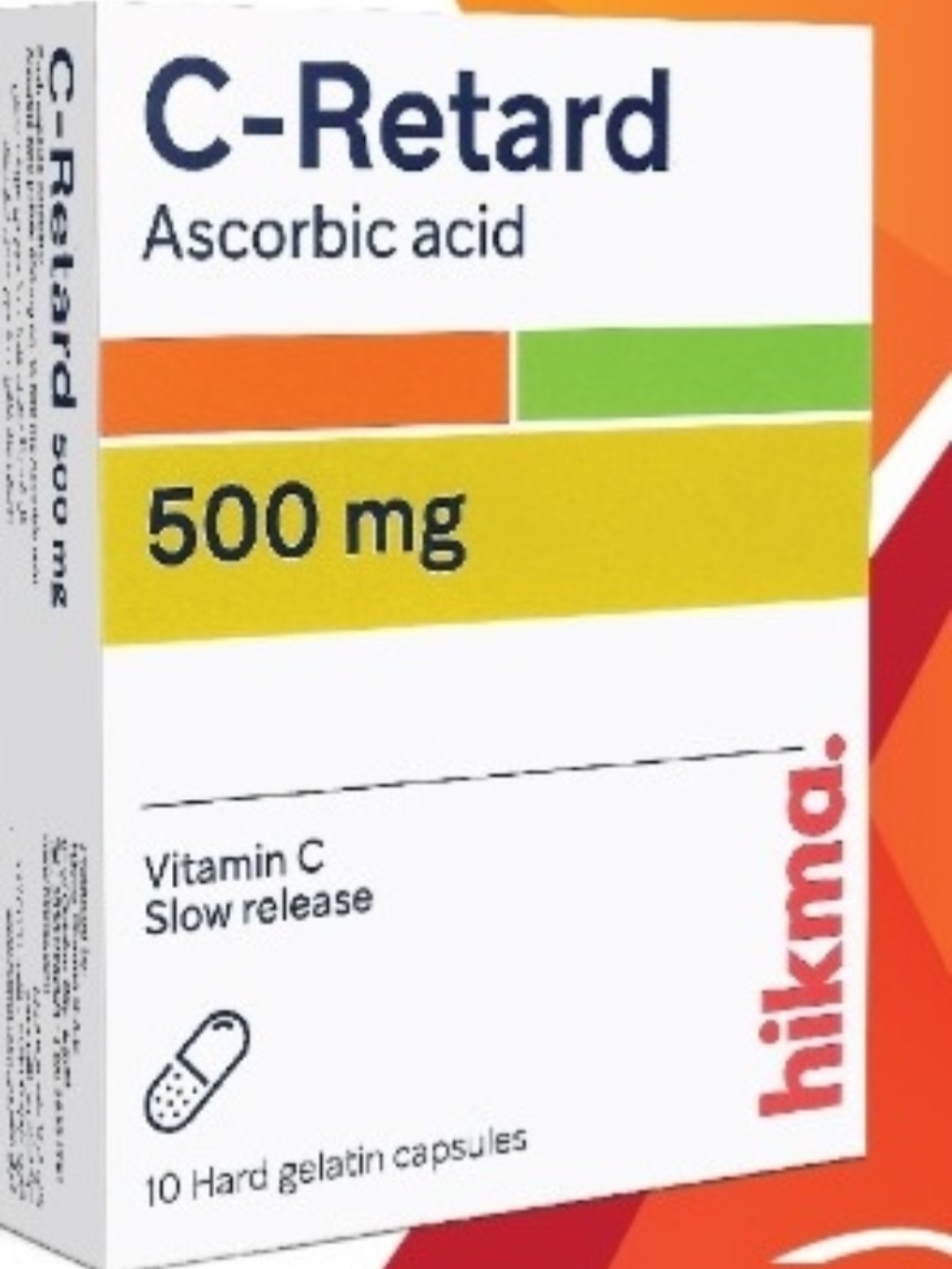
In the management of congenital methemoglobinemia, clinical strategy focuses on both definitive diagnosis and long-term therapeutic stabilization. Given the hereditary nature of this condition, Genetic Testing / الفحص الجيني (خدمات رعاية عامة) is essential for confirming the underlying enzymatic deficiency—such as cytochrome b5 reductase deficiency—and providing accurate genetic counseling for affected families. Once the diagnosis is established, patients often require ongoing supportive care to maintain optimal reduction of methemoglobin levels; in this context, C-Retard / سي-ريتارد 500mg is frequently utilized as an adjunctive therapeutic agent, leveraging the antioxidant properties of ascorbic acid to facilitate the reduction of methemoglobin back to functional hemoglobin, thereby improving systemic oxygen-carrying capacity.