Clinical Assessment & Protocol
Typical Presentation (HPI)
EN: Patient presents for evaluation of mixed hyperlipidemia (ICD-10: E78.2). History significant for elevated serum triglycerides and LDL-cholesterol levels. Patient denies chest pain, palpitations, or claudication. Review of systems negative for symptoms of secondary causes (e.g., hypothyroidism, nephrotic syndrome, or excessive alcohol intake). Current diet and exercise habits reviewed. AR: يراجع المريض للتقييم السريري لفرط شحميات الدم المختلط (ICD-10: E78.2). التاريخ المرضي يشير إلى ارتفاع مستويات الدهون الثلاثية وكوليسترول البروتين الدهني منخفض الكثافة (LDL). ينفي المريض وجود ألم صدري، خفقان، أو عرج متقطع. مراجعة الأجهزة سلبية لأي أعراض تشير إلى أسباب ثانوية (مثل قصور الغدة الدرقية، المتلازمة الكلوية، أو الإفراط في تناول الكحول). تم مراجعة العادات الغذائية والنشاط البدني الحالي.
General Examination
EN: General: Patient is alert and oriented, in no acute distress. Cardiovascular: Regular rate and rhythm, S1/S2 audible, no murmurs, rubs, or gallops. Peripheral pulses are 2+ and symmetric. Skin: No evidence of eruptive xanthomas, xanthelasma, or tendon xanthomas. BMI calculated at [Value] kg/m². Blood pressure [Value] mmHg. AR: الحالة العامة: المريض واعٍ ومدرك، ولا يبدو عليه أي ضيق حاد. القلب والأوعية الدموية: النظم والسرعة منتظمان، أصوات القلب S1/S2 مسموعة، لا توجد لغطات أو احتكاكات أو أصوات إضافية. النبض المحيطي 2+ ومتماثل. الجلد: لا توجد علامات سريرية للورم الأصفر الطفحي، اللويحات الصفراء، أو أورام الأوتار الصفراء. مؤشر كتلة الجسم [القيمة] كجم/م². ضغط الدم [القيمة] ملم زئبق.
Treatment Protocol
EN: Initiate therapeutic lifestyle changes (TLC) including low-saturated fat, high-fiber diet, and 150 minutes of moderate-intensity aerobic exercise weekly. Pharmacotherapy initiated with [Statin/Fibrate/Omega-3] at [Dosage]. Follow-up lipid panel scheduled for [Date] to assess therapeutic response and monitor liver function tests (LFTs) and creatine kinase (CK) levels. AR: البدء بتغييرات نمط الحياة العلاجية (TLC) بما في ذلك حمية منخفضة الدهون المشبعة وعالية الألياف، مع ممارسة 150 دقيقة من التمارين الهوائية متوسطة الشدة أسبوعياً. تم البدء بالعلاج الدوائي باستخدام [Statin/Fibrate/Omega-3] بجرعة [الجرعة]. تم تحديد موعد لإجراء تحليل الدهون في [التاريخ] لتقييم الاستجابة العلاجية ومراقبة وظائف الكبد (LFTs) ومستويات إنزيم الكرياتين كيناز (CK).
Patient Education
EN: Mixed hyperlipidemia increases the risk of cardiovascular disease. Focus on reducing intake of trans fats and refined sugars. Maintain consistent medication adherence as prescribed. Report any unexplained muscle pain, weakness, or dark-colored urine immediately. Regular physical activity is essential for improving triglyceride and HDL levels. AR: يزيد فرط شحميات الدم المختلط من خطر الإصابة بأمراض القلب والأوعية الدموية. يجب التركيز على تقليل تناول الدهون المتحولة والسكريات المكررة. الالتزام المستمر بتناول الدواء كما هو موصوف. يجب الإبلاغ فوراً عن أي ألم عضلي غير مبرر، ضعف، أو تغير في لون البول. النشاط البدني المنتظم ضروري لتحسين مستويات الدهون الثلاثية وكوليسترول البروتين الدهني عالي الكثافة (HDL).
Systemic & Specialized Examinations
EN: Cardiac examination reveals: Type IIb phenotype. AR: الفحص القلبي يظهر: Type IIb phenotype.
EN: Lungs clear to auscultation bilaterally. AR: الرئتان صافيتان عند التسمع.
EN: Abdomen soft, non-tender, non-distended. AR: البطن لين، غير مؤلم، غير منتفخ.
EN: Alert and oriented. No focal deficits. AR: يقظ ومدرك. لا عجز بؤري.
EN: Unremarkable or not routinely indicated for this specific cardiovascular pathology. AR: طبيعي أو غير مطلوب روتينياً لهذا المرض القلبي الوعائي.
EN: Unremarkable or not routinely indicated for this specific cardiovascular pathology. AR: طبيعي أو غير مطلوب روتينياً لهذا المرض القلبي الوعائي.
EN: Unremarkable or not routinely indicated for this specific cardiovascular pathology. AR: طبيعي أو غير مطلوب روتينياً لهذا المرض القلبي الوعائي.
EN: Unremarkable or not routinely indicated for this specific cardiovascular pathology. AR: طبيعي أو غير مطلوب روتينياً لهذا المرض القلبي الوعائي.
EN: Unremarkable or not routinely indicated for this specific cardiovascular pathology. AR: طبيعي أو غير مطلوب روتينياً لهذا المرض القلبي الوعائي.
Orthopedic & Trauma Assessments
EN: Unremarkable or not routinely indicated for this specific cardiovascular pathology. AR: طبيعي أو غير مطلوب روتينياً لهذا المرض القلبي الوعائي.
EN: Unremarkable or not routinely indicated for this specific cardiovascular pathology. AR: طبيعي أو غير مطلوب روتينياً لهذا المرض القلبي الوعائي.
EN: Unremarkable or not routinely indicated for this specific cardiovascular pathology. AR: طبيعي أو غير مطلوب روتينياً لهذا المرض القلبي الوعائي.
EN: Unremarkable or not routinely indicated for this specific cardiovascular pathology. AR: طبيعي أو غير مطلوب روتينياً لهذا المرض القلبي الوعائي.
EN: Unremarkable or not routinely indicated for this specific cardiovascular pathology. AR: طبيعي أو غير مطلوب روتينياً لهذا المرض القلبي الوعائي.
EN: Unremarkable or not routinely indicated for this specific cardiovascular pathology. AR: طبيعي أو غير مطلوب روتينياً لهذا المرض القلبي الوعائي.
EN: Unremarkable or not routinely indicated for this specific cardiovascular pathology. AR: طبيعي أو غير مطلوب روتينياً لهذا المرض القلبي الوعائي.
EN: Unremarkable or not routinely indicated for this specific cardiovascular pathology. AR: طبيعي أو غير مطلوب روتينياً لهذا المرض القلبي الوعائي.
EN: Unremarkable or not routinely indicated for this specific cardiovascular pathology. AR: طبيعي أو غير مطلوب روتينياً لهذا المرض القلبي الوعائي.
1. Executive Overview: Understanding Mixed Hyperlipidemia
Mixed Hyperlipidemia, clinically classified under ICD-10 code E78.2, is a complex metabolic disorder characterized by the simultaneous elevation of two primary lipid fractions in the blood: serum cholesterol and serum triglycerides. Unlike isolated hypercholesterolemia, which primarily involves high Low-Density Lipoprotein (LDL), or isolated hypertriglyceridemia, mixed hyperlipidemia presents a dual challenge to cardiovascular health.
In clinical practice, this condition is often referred to as "Combined Hyperlipidemia." It is a major risk factor for premature atherosclerotic cardiovascular disease (ASCVD), including myocardial infarction, ischemic stroke, and peripheral arterial disease. Because the lipid profile is multifaceted, the therapeutic approach requires a sophisticated, multi-targeted strategy to lower both "bad" cholesterol and triglycerides while often addressing underlying metabolic syndrome components.
2. Pathophysiology, Etiology, and Risk Factors
The Pathophysiological Mechanism
Mixed hyperlipidemia typically arises from an overproduction of Very-Low-Density Lipoproteins (VLDL) by the liver and a concomitant decrease in the clearance of these particles from the bloodstream.
- VLDL Overproduction: The liver increases the synthesis of VLDL particles, which are rich in triglycerides.
- Lipolysis Impairment: The enzyme lipoprotein lipase (LPL), responsible for breaking down triglycerides in VLDL and chylomicrons, may be inhibited or insufficient.
- The Atherogenic Triad: The condition often manifests as the "atherogenic lipoprotein phenotype," characterized by:
- Elevated VLDL and triglycerides.
- Increased levels of small, dense LDL particles (which are more prone to oxidation and arterial wall infiltration).
- Decreased levels of High-Density Lipoprotein (HDL) cholesterol.
Etiology and Classification
The condition is categorized based on its origin:
* Primary (Familial Combined Hyperlipidemia - FCHL): This is the most common genetic form. It is often autosomal dominant, involving the overproduction of apolipoprotein B-100.
* Secondary: Often associated with lifestyle factors and underlying systemic conditions, including:
* Type 2 Diabetes Mellitus (Insulin resistance).
* Hypothyroidism.
* Nephrotic syndrome.
* Alcohol abuse.
* Medication side effects (e.g., corticosteroids, thiazide diuretics, or beta-blockers).
Risk Factors
| Category | Primary Drivers |
|---|---|
| Genetic | Family history of early-onset heart disease. |
| Metabolic | Obesity (specifically visceral adiposity), Insulin Resistance. |
| Lifestyle | High glycemic index diet, sedentary behavior, excessive alcohol intake. |
| Demographic | Advancing age, male gender (post-menopause in females). |
3. Signs, Symptoms, and Clinical Presentation
Mixed hyperlipidemia is frequently "silent," meaning patients remain asymptomatic for years while atherosclerosis progresses. However, when lipid levels are severely elevated, clinical markers may appear:
- Xanthomas: Fatty deposits under the skin, often appearing as yellowish nodules on the tendons (tendinous xanthoma) or eyelids (xanthelasma).
- Lipemia Retinalis: A rare condition where the retinal arteries and veins appear creamy white due to extremely high triglyceride levels.
- Pancreatitis: In cases of severe hypertriglyceridemia (usually >1000 mg/dL), patients may present with acute abdominal pain, nausea, and vomiting.
- Vascular Symptoms: Intermittent claudication (leg pain during walking) or chest pain (angina) if atherosclerosis has already significantly narrowed arterial lumens.
4. Standard Diagnostic Evaluation & Workup
The diagnosis of mixed hyperlipidemia relies on a comprehensive lipid panel and clinical assessment.
Gold Standard Diagnostic Steps
- Fasting Lipid Profile: A mandatory 9–12 hour fast is required to accurately measure triglycerides. The profile must include:
- Total Cholesterol
- LDL-C (Calculated via Friedewald equation or measured directly if triglycerides are >400 mg/dL)
- HDL-C
- Non-HDL Cholesterol (a superior predictor of risk in mixed hyperlipidemia)
- Triglycerides
- Apolipoprotein B (ApoB) Testing: Increasingly used to assess the total number of atherogenic particles.
- Secondary Screening: To rule out secondary causes, clinicians typically order:
- Glucose/HbA1c: To screen for Diabetes.
- Thyroid Stimulating Hormone (TSH): To rule out hypothyroidism.
- Liver Function Tests (LFTs): To assess for metabolic liver disease.
- Creatinine/Urinalysis: To screen for renal protein loss (nephrotic syndrome).
Diagnostic Thresholds
- Total Cholesterol: >200 mg/dL
- Triglycerides: >150 mg/dL
- LDL-C: >130 mg/dL (depending on cardiovascular risk profile)
5. Therapeutic Interventions
Treatment is stratified based on the patient’s 10-year ASCVD risk score (e.g., ACC/AHA Risk Calculator).
Lifestyle Modifications (The Foundation)
- Medical Nutrition Therapy: Transition to a Mediterranean or DASH diet. Focus on reducing refined carbohydrates and saturated fats.
- Weight Management: A 5–10% reduction in body weight can significantly improve lipid profiles.
- Physical Activity: 150 minutes of moderate-intensity aerobic exercise per week.
Pharmacotherapy
| Class | Mechanism of Action | Primary Target |
|---|---|---|
| Statins | HMG-CoA reductase inhibition | LDL-C reduction |
| Fibrates | PPAR-alpha activation | Triglyceride reduction |
| Omega-3 Fatty Acids | Decreases VLDL synthesis | Triglyceride reduction |
| Ezetimibe | Inhibits cholesterol absorption | LDL-C reduction |
| PCSK9 Inhibitors | Increases LDL receptor density | Aggressive LDL-C reduction |
Clinical Note: In cases of severe mixed hyperlipidemia, a combination of a high-intensity statin and a fibrate (or high-dose Omega-3s) is often required. Clinicians must monitor for myopathy when combining these agents.
6. Frequently Asked Questions (FAQ)
1. Is mixed hyperlipidemia the same as high cholesterol?
No. High cholesterol usually refers to high LDL only. Mixed hyperlipidemia involves high cholesterol AND high triglycerides, requiring a more complex treatment approach.
2. What is the most dangerous aspect of this condition?
The most dangerous aspect is the accelerated development of atherosclerosis (plaque buildup), which significantly increases the risk of heart attack and stroke.
3. Can diet alone cure mixed hyperlipidemia?
Diet is essential, but in patients with a genetic component (FCHL), medication is almost always necessary to reach target lipid levels.
4. What is the role of non-HDL cholesterol?
Non-HDL (Total Cholesterol minus HDL) represents all "bad" cholesterol particles. It is often a better predictor of cardiovascular risk than LDL alone in mixed hyperlipidemia.
5. Why are my triglycerides so high?
High triglycerides are often driven by excess sugar, refined carbohydrates, and alcohol consumption, alongside genetic factors.
6. Do I need to take statins for the rest of my life?
In most cases, yes. Hyperlipidemia is a chronic, progressive condition. Stopping medication usually leads to a rapid return of high lipid levels.
7. Are there side effects to the medication?
Common side effects include muscle aches (myalgia) with statins. However, these are manageable and should be discussed with your cardiologist before stopping treatment.
8. What is the target level for triglycerides?
Ideally, fasting triglycerides should be below 150 mg/dL.
9. Can stress affect my lipid levels?
Chronic stress can contribute to unhealthy lifestyle behaviors and hormonal changes that may indirectly worsen lipid profiles.
10. How often should I be monitored?
Initially, blood work is usually performed 6–12 weeks after starting or changing medication. Once stable, monitoring typically occurs every 6–12 months.
Disclaimer: This guide is for educational purposes and does not replace professional medical advice, diagnosis, or treatment. Always seek the advice of your cardiologist or primary care physician regarding your specific health condition.
Related Clinical Integration
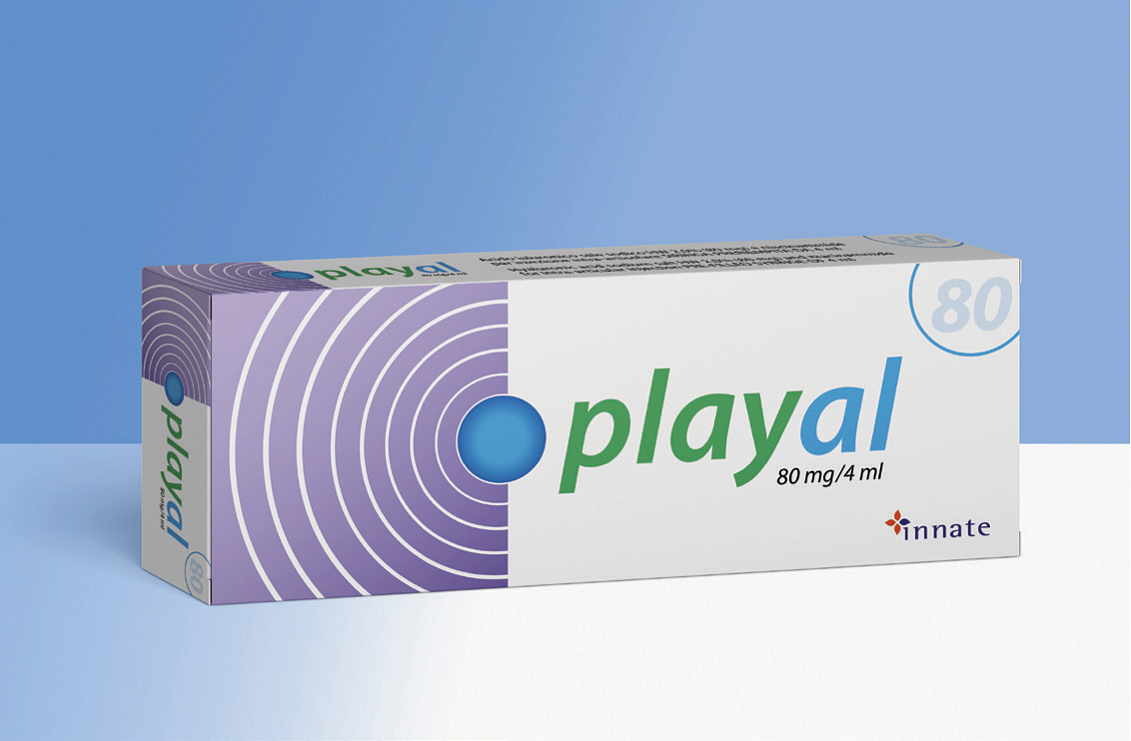
In the management of Mixed Hyperlipidemia, a precise diagnostic approach begins with a Lipid Profile / تحليل الدهون (خدمات رعاية عامة) to accurately quantify elevated levels of both low-density lipoprotein cholesterol and triglycerides. Once the clinical profile is established, evidence-based pharmacotherapy is initiated to mitigate cardiovascular risk, typically involving HMG-CoA reductase inhibitors such as Rosuvastatin / روسوفاستاتين 10mg or Simvastatin / سيمفاستاتين 20mg to optimize lipid panels. For patients requiring a more comprehensive therapeutic strategy, particularly those with complex metabolic needs, clinicians may utilize combination therapies such as Playal / بلايال 80mg + 20mg to effectively address multiple lipid parameters within a single clinical intervention.