Clinical Assessment & Protocol
Typical Presentation (HPI)
EN: Patient reports noticing dark spots on the whites of their eyes and joint stiffness. AR: المريض يلاحظ ظهور بقع داكنة في بياض العين مع تيبس في المفاصل.
General Examination
EN: Unremarkable or not routinely indicated. AR: طبيعي أو غير مطلوب روتينياً.
Treatment Protocol
EN: Symptomatic management; dietary restriction of phenylalanine and tyrosine. AR: علاج الأعراض؛ تقييد غذائي للفينيل ألانين والتيروزين.
Patient Education
EN: Genetic screening for family members and monitoring for systemic amyloidosis. AR: الفحص الجيني لأفراد الأسرة والمراقبة الدورية للكشف عن الداء النشواني الجهازي.
Systemic & Specialized Examinations
EN: S1, S2 present. No murmurs. AR: صوتا القلب الأول والثاني طبيعيان. لا توجد نفخات.
EN: Lungs clear to auscultation. AR: الرئتان صافيتان عند التسمع.
EN: Abdomen soft, non-tender. AR: البطن لين ولا يوجد ألم.
EN: Alert, oriented x3. No focal deficits. AR: المريض واعي ومدرك. لا يوجد عجز عصبي بؤري.
EN: Unremarkable or not routinely indicated. AR: طبيعي أو غير مطلوب روتينياً.
EN: Unremarkable or not routinely indicated. AR: طبيعي أو غير مطلوب روتينياً.
EN: Unremarkable or not routinely indicated. AR: طبيعي أو غير مطلوب روتينياً.
EN: Slit-lamp exam reveals characteristic 'oil-drop' brownish-blue pigmentation in the interpalpebral sclera. AR: فحص المصباح الشقي يكشف عن تصبغ بني مزرق مميز بشكل 'قطرة الزيت' في الصلبة بين الجفنين.
EN: Unremarkable or not routinely indicated. AR: طبيعي أو غير مطلوب روتينياً.
1. Comprehensive Introduction & Overview
Ocular Alkaptonuria, clinically referred to as Ochronosis, represents the ocular manifestation of a rare, autosomal recessive metabolic disorder known as Alkaptonuria (AKU). This condition is characterized by a deficiency in the enzyme homogentisate 1,2-dioxygenase (HGD). When this enzyme is absent or dysfunctional, the body fails to properly metabolize homogentisic acid (HGA), an intermediate product in the catabolism of tyrosine and phenylalanine.
The resulting accumulation of HGA leads to its systemic oxidation and polymerization into a dark, pigment-like substance known as benzoquinone acetic acid. This pigment deposits into connective tissues—specifically cartilage, tendons, skin, and the sclera of the eye—a process termed "ochronosis" due to the characteristic ochre (yellow-brown) color of the deposits. In the ocular context, Ochronosis is a pathognomonic clinical sign that often precedes the onset of debilitating joint disease (ochronotic arthropathy), making the ophthalmologist a critical frontline diagnostician for this systemic metabolic crisis.
2. Deep-Dive: Etiology and Pathophysiology
The Biochemical Pathway
To understand Ocular Alkaptonuria, one must examine the HGD pathway. Under normal physiological conditions, HGD converts homogentisic acid into maleylacetoacetate. In the absence of functional HGD, HGA levels in the blood and urine rise significantly.
- Oxidation: Excess HGA is excreted via the kidneys, turning urine dark (often black) upon exposure to air.
- Polymerization: Simultaneously, HGA circulates and deposits in collagen-rich tissues.
- Pigmentation: Through a non-enzymatic process, HGA polymerizes into a melanin-like pigment that binds to collagen fibers, causing them to become brittle and discolored.
Ocular Pathophysiology
The eye is uniquely susceptible due to the high density of collagen in the sclera. As the pigment accumulates in the scleral stroma, it creates distinct, localized patches of discoloration. These deposits are most commonly found in the interpalpebral fissure, the area of the eye most exposed to UV light, which may act as a catalyst for the oxidation process.
| Feature | Biochemical Mechanism | Clinical Manifestation |
|---|---|---|
| Enzyme Defect | HGD deficiency | Systemic HGA accumulation |
| Tissue Affinity | Collagen binding | Pigmentation of sclera/cartilage |
| Oxidation | Atmospheric/UV exposure | Darkening of urine and ocular tissue |
| Structural Impact | Collagen cross-linking disruption | Scleral thinning and joint rigidity |
3. Clinical Staging and Presentation
Ochronosis generally progresses through three chronological stages:
Stage I: Biochemical/Asymptomatic (Childhood)
- Presentation: Darkening of urine (diaper staining).
- Clinical Status: Usually undiagnosed during this period unless family history is present.
Stage II: Pre-Arthritic/Ocular (Early Adulthood)
- Presentation: Appearance of scleral pigmentation.
- Ocular Findings: Bilateral, symmetric, dark grey or brown patches in the sclera, typically located at the insertion sites of the horizontal rectus muscles (the "limbal" area).
Stage III: Arthritic/Systemic (Mid-to-Late Adulthood)
- Presentation: Severe ochronotic arthropathy (spine, knees, hips).
- Ocular Findings: Progression of pigmentation; potential for secondary corneal opacification or pinguecula-like changes.
4. Diagnostic Criteria and Testing
Diagnosis is rarely confirmed by ocular examination alone; it requires a multimodal approach involving biochemical and clinical correlation.
Key Diagnostic Tests
- Urinalysis (Ferric Chloride Test): The addition of ferric chloride to urine results in a transient deep blue/green color change, confirming the presence of HGA.
- Gas Chromatography-Mass Spectrometry (GC-MS): The gold standard for measuring elevated levels of HGA in plasma and urine.
- Slit-Lamp Biomicroscopy: The primary ocular diagnostic tool. Clinicians look for the classic "triangular" patches of pigmentation in the interpalpebral sclera.
- Genetic Testing: Molecular analysis of the HGD gene (located on chromosome 3q) to confirm the mutation.
Differential Diagnosis
The clinician must distinguish Ocular Alkaptonuria from other forms of scleral pigmentation:
* Senile Scleral Plaques: Typically located at the rectus muscle insertions but are translucent/white, not dark brown.
* Addison’s Disease: Can cause generalized hyperpigmentation, but lacks the specific localized scleral pattern of Ochronosis.
* Melanosis Oculi: Congenital pigmentation that is usually unilateral and lacks the systemic metabolic findings.
* Exogenous Pigmentation: History of topical medication use (e.g., epinephrine or silver nitrate).
5. Risks, Side Effects, and Management
While Ocular Alkaptonuria itself is largely asymptomatic in terms of visual acuity, it serves as a harbinger of systemic morbidity.
Risks of Untreated AKU
- Ochronotic Arthropathy: Chronic inflammation and calcification of intervertebral discs and large joints.
- Cardiac Involvement: Aortic valve stenosis and calcification due to pigment deposition in heart valves.
- Renal Calculi: High concentrations of HGA increase the risk of kidney stones.
Current Management Protocols
There is no "cure" for the underlying genetic defect, but management focuses on slowing progression:
* Dietary Modification: Low-protein diets (limiting phenylalanine and tyrosine) are recommended, though compliance is difficult.
* Nitisinone Therapy: An experimental/off-label treatment that inhibits 4-hydroxyphenylpyruvate dioxygenase, preventing the formation of HGA.
* Supportive Ocular Care: Lubricating drops for associated dry eye; UV protection (sunglasses) to minimize further pigment polymerization in the sclera.
6. Massive FAQ Section
1. Is Ocular Alkaptonuria reversible?
No. Once the pigment is deposited in the scleral collagen, it is permanent. Treatments aim to prevent further accumulation.
2. Can this lead to blindness?
Directly, no. Ocular Alkaptonuria is generally limited to the sclera. However, systemic complications can lead to reduced quality of life, which indirectly affects ocular health.
3. Why does the urine turn black?
When HGA is excreted, it reacts with oxygen in the air to form benzoquinone acetic acid, a dark polymer similar to melanin.
4. At what age does ocular pigmentation usually appear?
While the metabolic defect is present from birth, visible scleral pigmentation typically manifests in the third or fourth decade of life.
5. Does the pigmentation affect vision?
It is usually asymptomatic. However, if the pigmentation is intense, it may cause minor irritation or aesthetic concerns for the patient.
6. Is this condition contagious?
Absolutely not. It is an autosomal recessive genetic disorder.
7. What is the most common misdiagnosis?
Often, patients are misdiagnosed with "scleral thinning" or age-related scleral degeneration.
8. Should I see a specialist if I notice dark spots in my eyes?
Yes. If you notice dark, symmetrical patches on the sclera, you should consult an ophthalmologist immediately, as it may be the first sign of systemic Alkaptonuria.
9. Are there any specific surgical contraindications?
Patients with Ochronosis have brittle cartilage and connective tissue. Surgeons must be aware of this during any orthopedic or ocular procedures due to the risk of tissue tearing.
10. What is the role of UV light?
UV exposure is thought to accelerate the polymerization of HGA into pigment. Wearing high-quality, polarized sunglasses is a standard recommendation for protection.
7. Conclusion: The Clinical Imperative
Ocular Alkaptonuria (Ochronosis) is far more than a cosmetic ocular finding; it is a clinical window into a systemic metabolic disaster. As orthopedic and clinical specialists, recognizing the characteristic scleral pigmentation is vital. Early identification allows for the potential initiation of systemic management strategies that can delay the onset of debilitating spinal and joint disease. Clinicians must maintain a high index of suspicion when encountering patients with unexplained dark scleral patches, ensuring that a comprehensive metabolic workup follows the ocular examination. Through early diagnosis and multidisciplinary care, the morbidity associated with this rare genetic condition can be significantly mitigated.
Related Clinical Integration
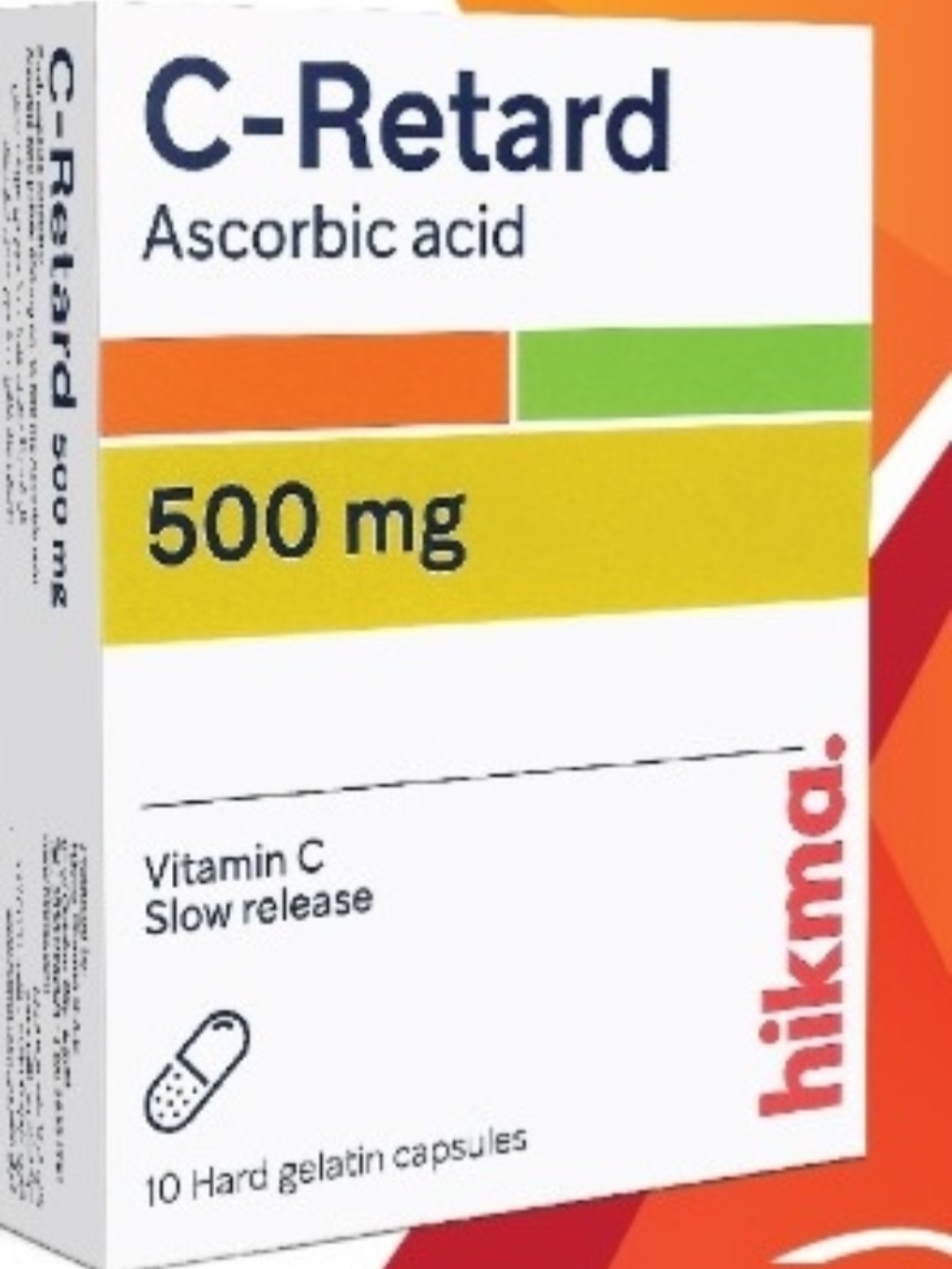
In the management of Ocular Alkaptonuria (Ochronosis), clinical integration focuses on both systemic metabolic support and the long-term orthopedic implications of homogentisic acid accumulation. Patients are frequently prescribed C-Retard / سي-ريتارد 500mg as an adjunctive therapy to manage oxidative stress and potentially mitigate pigment deposition, while the progressive arthropathy associated with this condition necessitates a deep understanding of skeletal pathology. Clinicians should refer to Master ABOS Orthopedic Board Review: Skeletal Dysplasias, Bone Tumors, & Arthropathy | Part 13 and ABOS Board Review: Orthopedic Pathology, Bone Tumors, Skeletal Dysplasias, Arthritis | Part 12 to better contextualize the diagnostic criteria and the differential diagnosis of the ochronotic arthropathy that frequently accompanies the ocular manifestations of this rare metabolic disorder.