Clinical Assessment & Protocol
Typical Presentation (HPI)
EN: Patient presents with nystagmus, photophobia, and pale skin/hair. AR: المريض يشكو من رأرأة، رهاب ضوئي، وشحوب في الجلد والشعر.
General Examination
EN: Unremarkable or not routinely indicated. AR: طبيعي أو غير مطلوب روتينياً.
Treatment Protocol
EN: Sun protection and refractive correction. AR: الحماية من الشمس والتصحيح الانكساري.
Patient Education
EN: Risk of skin cancer; regular dermatologist follow-up. AR: خطر الإصابة بسرطان الجلد؛ متابعة منتظمة مع طبيب الجلدية.
Systemic & Specialized Examinations
EN: S1, S2 present. No murmurs. AR: صوتا القلب الأول والثاني طبيعيان. لا توجد نفخات.
EN: Lungs clear to auscultation. AR: الرئتان صافيتان عند التسمع.
EN: Abdomen soft, non-tender. AR: البطن لين ولا يوجد ألم.
EN: Alert, oriented x3. No focal deficits. AR: المريض واعي ومدرك. لا يوجد عجز عصبي بؤري.
EN: Unremarkable or not routinely indicated. AR: طبيعي أو غير مطلوب روتينياً.
EN: Unremarkable or not routinely indicated. AR: طبيعي أو غير مطلوب روتينياً.
EN: Unremarkable or not routinely indicated. AR: طبيعي أو غير مطلوب روتينياً.
EN: Transillumination of iris, blonde fundus, foveal hypoplasia. AR: نفاذية ضوء عبر القزحية، قاع عين فاتح اللون، نقص تنسج النقرة.
EN: Unremarkable or not routinely indicated. AR: طبيعي أو غير مطلوب روتينياً.
Comprehensive Medical Guide: Oculocutaneous Albinism (OCA)
1. Comprehensive Introduction & Overview
Oculocutaneous Albinism (OCA) represents a group of rare, inherited, multisystemic disorders characterized by a partial or complete reduction in the synthesis of melanin pigment in the skin, hair, and eyes. Unlike forms of albinism restricted to the ocular system (Ocular Albinism), OCA involves systemic hypopigmentation.
Clinically, OCA is defined by the disruption of the melanogenesis pathway, specifically affecting the conversion of tyrosine to melanin within melanocytes. The condition is primarily autosomal recessive, with the exception of rare subtypes. Because melanin plays a critical role in the development of the visual system and the protection of the integumentary system against ultraviolet (UV) radiation, patients with OCA face significant lifelong risks, including visual impairment and high susceptibility to non-melanoma skin cancers.
2. Deep-Dive: Etiology and Pathophysiology
The Molecular Basis of Melanin Synthesis
Melanin synthesis occurs within specialized organelles called melanosomes. The process begins with the amino acid L-tyrosine, which is converted to L-DOPA and then to dopaquinone by the enzyme tyrosinase. Mutations in genes encoding proteins involved in this pathway lead to the various clinical subtypes of OCA.
Genetic Classification and Mechanisms
| Subtype | Gene | Protein Function | Phenotypic Severity |
|---|---|---|---|
| OCA1A | TYR | Tyrosinase (absent) | Most severe; zero pigment |
| OCA1B | TYR | Tyrosinase (reduced) | Moderate; some pigment accumulation |
| OCA2 | OCA2 | P-protein (pH regulation) | Variable; common in African populations |
| OCA3 | TYRP1 | Tyrosinase-related protein 1 | Reddish hair/skin, brown iris |
| OCA4 | SLC45A2 | Membrane-associated transporter | Variable; similar to OCA2 |
Pathophysiology of Visual Impairment
The absence of melanin during retinal development results in:
* Foveal Hypoplasia: Lack of pigment in the retinal pigment epithelium (RPE) prevents the normal development of the fovea, leading to decreased visual acuity.
* Chiasmal Misrouting: Melanin is required for the proper decussation of optic nerve fibers at the optic chiasm. In OCA, an abnormal number of fibers project ipsilaterally rather than contralaterally, causing reduced stereoscopic vision and nystagmus.
3. Clinical Presentation and Staging
Standard Clinical Presentation
- Dermatological: Skin ranging from stark white (OCA1A) to cream-colored or light brown (OCA2/3/4). High risk of sunburn, solar elastosis, and actinic keratosis.
- Ocular:
- Nystagmus: Usually horizontal and pendular, appearing in early infancy.
- Photophobia: Severe sensitivity to light due to iris transillumination.
- Iris Transillumination: Lack of pigment in the iris allows light to pass through the iris tissue.
- Reduced Visual Acuity: Often ranging from 20/60 to 20/400.
- Strabismus: Common due to the underlying chiasmal misrouting.
Clinical Grading
While there is no formal "staging" system like cancer, clinicians utilize the Severity Index of Hypopigmentation:
1. Grade I (Complete): Total absence of pigment (TYR-negative).
2. Grade II (Moderate): Minimal pigment accumulation over time (TYR-positive).
3. Grade III (Mild): Pigmentation present, but significantly lower than age/ethnicity-matched norms.
4. Diagnostic Evaluation and Testing
Diagnosis is primarily clinical, confirmed by genetic molecular testing.
- Clinical Examination: Comprehensive slit-lamp examination to assess iris transillumination and funduscopy to evaluate the foveal reflex and retinal pigment distribution.
- Genetic Testing: Targeted gene panels or Whole Exome Sequencing (WES) are the gold standard for identifying the specific mutation in TYR, OCA2, TYRP1, SLC45A2, etc.
- Electrophysiology: Visual Evoked Potential (VEP) testing is used to confirm chiasmal misrouting, identifying the characteristic "asymmetric" waveform in the occipital cortex.
- Dermatological Assessment: Total body skin examination to identify pre-malignant lesions or carcinomas.
5. Differential Diagnosis
It is crucial to distinguish OCA from other hypopigmentation syndromes:
* Hermansky-Pudlak Syndrome (HPS): OCA associated with platelet storage pool deficiency (bleeding diathesis) and pulmonary fibrosis.
* Chediak-Higashi Syndrome: OCA associated with immunodeficiency and neutropenia.
* Griscelli Syndrome: OCA associated with neurological impairment and immune dysfunction.
* Waardenburg Syndrome: Associated with hearing loss and pigmentary patches.
6. Management and Long-Term Prognosis
Management Strategies
- Ocular Care:
- Prescription of low-vision aids (magnifiers, telescopes).
- Correction of refractive errors (glasses/contacts).
- Surgical intervention for strabismus if necessary to improve binocularity (though stereopsis remains limited).
- Dermatological Care:
- Strict UV protection: Broad-spectrum sunscreen (SPF 50+), protective clothing, and wide-brimmed hats.
- Bi-annual skin checks to detect early signs of squamous cell or basal cell carcinoma.
- Psychosocial Support:
- Counseling for the patient and family regarding the chronic nature of the condition and visual limitations.
Prognosis
The prognosis for life expectancy is excellent, as OCA does not inherently shorten lifespan. However, the quality of life is heavily dependent on early diagnosis and consistent photoprotection. The primary long-term risks are cumulative UV damage to the skin and the functional limitations imposed by permanent visual impairment.
7. Risks, Side Effects, and Contraindications
- Risks: High risk of skin malignancy, severe sunburn, and social/educational challenges due to visual impairment.
- Contraindications: There are no "contraindications" to the condition itself, but patients must avoid medications that increase photosensitivity (e.g., certain tetracyclines or non-steroidal anti-inflammatory drugs) without rigorous sun protection.
- Surgical Risks: While strabismus surgery is performed, the surgeon must be aware of the patient's underlying ocular anatomy and potential for poor binocular fusion.
8. Massive FAQ Section
Q1: Is Oculocutaneous Albinism contagious?
No. It is a strictly genetic, autosomal recessive condition. You cannot "catch" it.
Q2: Can someone with OCA ever have normal vision?
Generally, no. The foveal hypoplasia and chiasmal misrouting are structural, irreversible changes. While vision can be corrected to a degree with glasses, it rarely reaches 20/20.
Q3: Does skin color change as a person with OCA ages?
Yes, particularly in OCA1B, OCA2, and OCA4. Melanin production may increase slightly during the first few decades of life, leading to a darkening of hair and skin.
Q4: Is there a cure for OCA?
Currently, there is no cure or gene therapy available for clinical use. Management is focused on mitigating symptoms and preventing complications.
Q5: What is the most dangerous aspect of OCA?
The most dangerous aspect is the lack of skin protection against UV radiation, leading to a drastically increased risk of skin cancer compared to the general population.
Q6: Does OCA affect life expectancy?
If skin cancers are screened for and treated early, individuals with OCA have a normal life expectancy.
Q7: Can a person with OCA have children with normal pigmentation?
Yes. If the partner is not a carrier of an OCA mutation, the children will be carriers but will not display the phenotype of albinism.
Q8: Why is nystagmus so common in OCA?
Nystagmus (involuntary eye movement) is a compensatory mechanism for the lack of a developed fovea, which is the part of the eye responsible for sharp, central vision.
Q9: What is the difference between OCA and Ocular Albinism?
OCA involves both the eyes and the skin/hair, whereas Ocular Albinism primarily affects the eyes with minimal to no effect on skin or hair pigmentation.
Q10: Are there any dietary changes that help with OCA?
No. Because the defect is at the genetic/enzymatic level, dietary changes (such as increasing tyrosine intake) do not stimulate melanin production in the melanocytes.
Disclaimer: This guide is intended for informational and educational purposes only. It does not constitute medical advice, diagnosis, or treatment. Always seek the advice of a qualified healthcare provider with any questions regarding a medical condition.
Related Clinical Integration
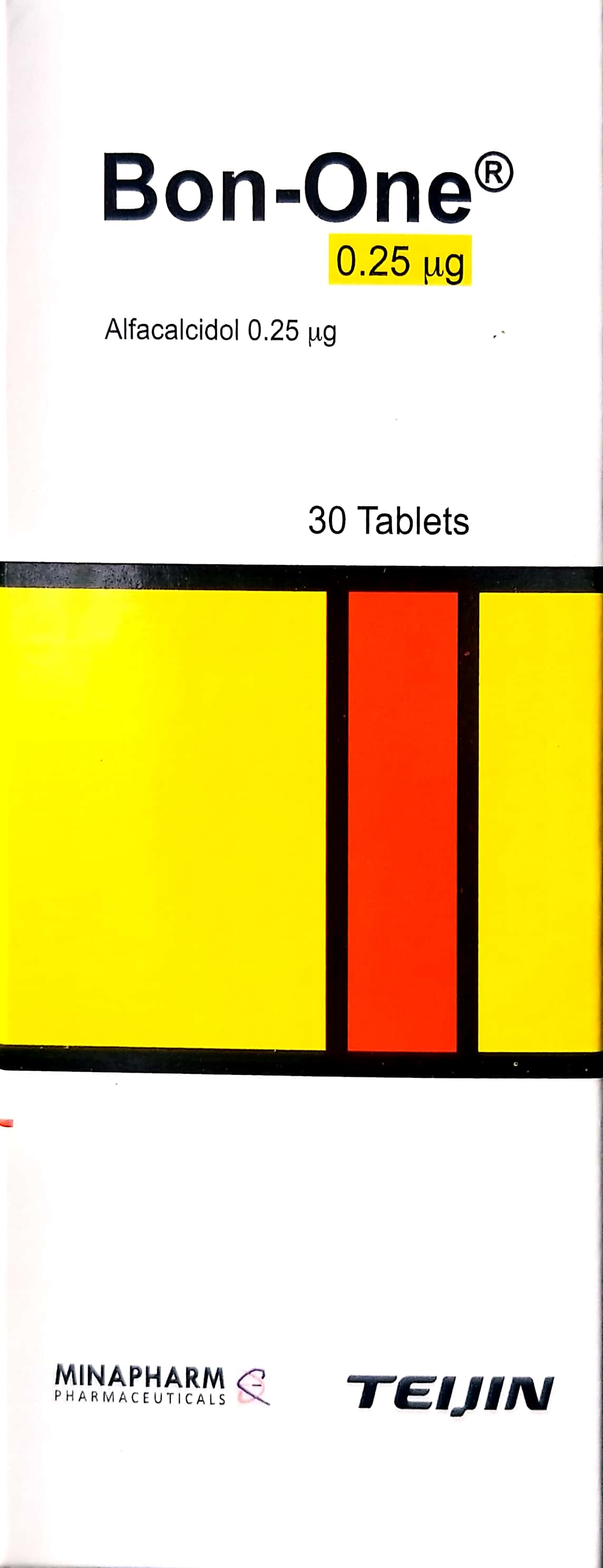
In the comprehensive management of Oculocutaneous Albinism, a multidisciplinary approach is essential to address both systemic health and ocular manifestations. Patients require regular Ophthalmological examination / فحص العيون (خدمات رعاية عامة) to monitor for characteristic findings such as nystagmus, foveal hypoplasia, and reduced visual acuity, which are critical for early intervention and vision rehabilitation. Furthermore, because individuals with albinism may face secondary challenges related to bone density and metabolic health due to lifestyle modifications necessitated by photosensitivity, clinicians may integrate targeted therapies such as Bon-one / بون-ون 0.25mcg to support skeletal integrity, ensuring a holistic standard of care within our hospital system.