Clinical Assessment & Protocol
Typical Presentation (HPI)
EN: Sudden onset of joint swelling and pain. AR: بداية مفاجئة لتورم وألم في المفصل.
General Examination
EN: AR:
Treatment Protocol
EN: AR:
Patient Education
EN: AR:
Systemic & Specialized Examinations
EN: S1, S2 present. No murmurs. AR: صوتا القلب الأول والثاني طبيعيان. لا توجد نفخات.
EN: Lungs clear to auscultation. AR: الرئتان صافيتان عند التسمع.
EN: Abdomen soft, non-tender. AR: البطن لين ولا يوجد ألم.
EN: Alert, oriented x3. No focal deficits. AR: المريض واعي ومدرك. لا يوجد عجز عصبي بؤري.
EN: Unremarkable or not routinely indicated. AR: طبيعي أو غير مطلوب روتينياً.
EN: Unremarkable or not routinely indicated. AR: طبيعي أو غير مطلوب روتينياً.
EN: Unremarkable or not routinely indicated. AR: طبيعي أو غير مطلوب روتينياً.
EN: Unremarkable or not routinely indicated. AR: طبيعي أو غير مطلوب روتينياً.
EN: Unremarkable or not routinely indicated. AR: طبيعي أو غير مطلوب روتينياً.
Comprehensive Clinical Guide: Palindromic Rheumatism (Hench-Rosenberg Syndrome)
Palindromic Rheumatism (PR) is a rare, enigmatic, and recurrent form of inflammatory arthritis characterized by sudden, transient episodes of joint pain, swelling, and redness. First described by Hench and Rosenberg in 1944, it remains a clinical diagnostic challenge for rheumatologists due to its fluctuating nature and its frequent, yet inconsistent, progression into chronic systemic autoimmune diseases like Rheumatoid Arthritis (RA).
This guide serves as an authoritative resource for clinicians, researchers, and medical professionals to understand the pathophysiology, diagnostic criteria, and management strategies for Palindromic Rheumatism.
1. Clinical Definition and Overview
Palindromic Rheumatism is defined as a relapsing-remitting inflammatory syndrome affecting the joints and periarticular tissues. The term "palindromic" refers to the disease's "running back" nature—episodes appear abruptly, reach a peak within hours, and resolve completely without leaving residual structural damage during the early stages.
- Epidemiology: Prevalence is estimated at 1–5% of patients presenting with early arthritis. It affects men and women equally, typically appearing between the ages of 20 and 50.
- Key Characteristic: The "symptom-free interval" is the hallmark. Patients may experience weeks or months of total remission between attacks.
2. Pathophysiology and Etiology
While the exact etiology remains idiopathic, current clinical consensus suggests that PR is an early, abortive, or intermittent manifestation of an autoimmune process, likely involving the same pathways as Rheumatoid Arthritis.
Mechanistic Deep-Dive
- Autoantibody Production: A significant subset of PR patients tests positive for Rheumatoid Factor (RF) and Anti-Citrullinated Protein Antibodies (ACPA/anti-CCP). The presence of these markers is a strong predictor of progression to RA.
- Cytokine Storms: During an acute flare, there is a localized elevation of pro-inflammatory cytokines, specifically IL-1, IL-6, and TNF-alpha. These molecules drive synovial inflammation and vasodilation, resulting in the classic "red, hot, swollen" joint presentation.
- Synovial Hyperplasia: Unlike RA, where synovial hyperplasia is chronic, in PR, the synovium undergoes rapid, transient proliferation that resolves when the cytokine trigger subsides.
3. Clinical Presentation and Staging
The clinical presentation of PR is distinct from traditional inflammatory arthritis because of its speed and transient nature.
Standard Presentation
- Onset: Explosive. Patients often report the onset of symptoms within minutes to a few hours.
- Duration: Attacks typically last from 24 to 72 hours.
- Distribution: Monoarticular or oligoarticular. The most common sites are the small joints of the hands (MCPs, PIPs), wrists, and knees.
- Signs: Erythema, warmth, severe pain, and significant soft-tissue swelling.
Clinical Staging/Grading (Proposed Framework)
| Stage | Clinical Status | Prognostic Outlook |
|---|---|---|
| Stage I (Early) | Rare attacks, weeks/months apart. No autoantibodies. | High chance of spontaneous remission. |
| Stage II (Active) | Frequent attacks, increasing intensity. Positive ACPA. | High risk of progression to RA. |
| Stage III (Transition) | Residual joint stiffness between flares. | Progression to RA imminent. |
| Stage IV (Chronic) | Established Rheumatoid Arthritis. | Permanent joint damage observed. |
4. Key Diagnostic Tests
There is no single "gold standard" test for PR; it remains a clinical diagnosis of exclusion. However, clinicians should utilize the following diagnostic protocol:
Diagnostic Checklist
- Serology:
- Anti-CCP/ACPA: Highest specificity for predicting progression to RA.
- RF (Rheumatoid Factor): Often elevated, though less specific than ACPA.
- CRP/ESR: Usually elevated only during the acute flare. Normal levels between attacks support the PR diagnosis.
- Imaging:
- Ultrasound (Power Doppler): Essential for identifying subclinical synovial inflammation during a flare.
- MRI: May show periarticular edema or synovitis, even if plain radiographs remain normal.
- Synovial Fluid Analysis: If aspiration is possible, it typically shows inflammatory fluid with increased neutrophils, but it is rarely performed due to the short duration of flares.
5. Differential Diagnosis
Distinguishing PR from other episodic arthritides is critical for effective management.
- Crystal-Induced Arthritis (Gout/Pseudogout): Gout presents with similar acute onset and redness. However, gout is typically monoarticular (often the first MTP joint) and responds to colchicine, whereas PR involves a broader range of joints.
- Rheumatoid Arthritis (RA): RA is characterized by persistent (not transient) inflammation. If an attack lasts >6 weeks, the diagnosis is likely RA, not PR.
- Systemic Lupus Erythematosus (SLE): May present with migratory arthritis, but usually includes systemic signs like butterfly rash or hematological abnormalities.
- Lyme Arthritis: Often presents as intermittent knee swelling but is linked to tick exposure and specific serology (Borrelia burgdorferi).
6. Management and Clinical Usage
Management is focused on symptom control during flares and the prevention of progression to RA.
Pharmacological Interventions
- NSAIDs: First-line therapy for acute pain and inflammation.
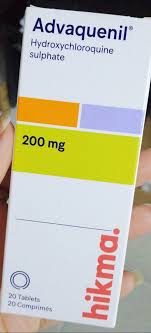
- Hydroxychloroquine (HCQ): The gold standard for PR. Studies indicate that early initiation of HCQ can reduce the frequency and severity of attacks and may delay or prevent the transition to RA.
- Corticosteroids: Used sparingly for severe, refractory flares.
- DMARDs (Disease-Modifying Antirheumatic Drugs): If the patient progresses to RA-like patterns or if HCQ fails, Methotrexate or Sulfasalazine may be introduced.
Contraindications and Risks
- Avoid Chronic Steroid Use: Due to the episodic nature, the risk of systemic side effects (osteoporosis, weight gain, glucose intolerance) outweighs the benefit for short-lived flares.
- Drug Monitoring: Patients on HCQ require annual ophthalmological screenings to monitor for retinopathy.
7. Long-Term Prognosis
The prognosis of PR is highly variable. The "Rule of Thirds" is often cited in clinical literature:
1. One-third of patients remain in a state of PR without progression.
2. One-third experience spontaneous, permanent remission.
3. One-third progress to chronic, erosive Rheumatoid Arthritis.
Patients who are Anti-CCP positive at the time of diagnosis have a significantly higher probability of progressing to RA.
8. Frequently Asked Questions (FAQ)
1. Is Palindromic Rheumatism a permanent condition?
Not necessarily. Many patients experience a total cessation of symptoms after several years. However, it requires long-term monitoring to ensure it does not evolve into chronic RA.
2. Can diet trigger a flare?
There is no strong clinical evidence linking specific foods to PR flares. However, general anti-inflammatory diets are often recommended for overall joint health.
3. How can I distinguish a PR flare from Gout?
Gout typically affects the big toe and is associated with hyperuricemia. PR frequently involves the fingers and wrists and is often associated with positive RA serology.
4. Why are my blood tests normal between attacks?
PR is an episodic inflammatory condition. Inflammatory markers like CRP and ESR often return to baseline levels once the immune system quiets down between flares.
5. Does PR cause permanent joint damage?
In the "Palindromic" phase, it typically does not. Permanent damage usually only occurs if the disease progresses to full-blown Rheumatoid Arthritis.
6. Is Hydroxychloroquine safe for long-term use?
Yes, it is generally considered safe for long-term management of autoimmune conditions, provided the patient undergoes regular eye exams.
7. What is the most important test for PR?
The Anti-CCP (ACPA) antibody test is currently the most significant prognostic marker for determining if the PR will transition into RA.
8. Can stress trigger an attack?
Many patients report that physical or emotional stress precedes an attack, though this is anecdotal and not fully quantified in clinical literature.
9. What should I do during a flare?
Rest the affected joint, use ice or heat therapy as preferred, take prescribed NSAIDs, and document the duration and location of the flare for your rheumatologist.
10. Is there a cure?
There is no "cure" in the sense of eliminating the underlying genetic predisposition, but the disease can be effectively managed, and many patients live symptom-free for years with appropriate treatment.
9. Conclusion for Clinicians
Palindromic Rheumatism serves as an essential "red flag" for the potential onset of chronic autoimmune disease. Because the window of opportunity to prevent joint damage is early in the disease course, clinicians should maintain a high index of suspicion for patients presenting with transient, explosive joint inflammation. Utilizing HCQ early, monitoring for seroconversion, and maintaining patient education regarding the transition to RA are the pillars of high-quality clinical care for this condition.
Disclaimer: This document is for educational purposes for healthcare professionals and does not constitute formal medical advice. Clinical decisions should always be based on individual patient assessment and current institutional protocols.