Clinical Assessment & Protocol
Typical Presentation (HPI)
EN: Photosensitive dermatitis, loose stools, and cognitive changes. AR: التهاب جلد حساس للضوء، براز سائل، وتغيرات معرفية.
General Examination
EN: Casal necklace rash, glossitis, and signs of confusion. AR: طفح جلدي حول العنق (قلادة كازال)، التهاب اللسان، وعلامات الارتباك.
Treatment Protocol
EN: Niacin or nicotinamide supplementation. AR: مكملات النياسين أو النيكوتيناميد.
Patient Education
EN: Dietary improvement emphasizing protein-rich foods. AR: تحسين النظام الغذائي مع التركيز على الأطعمة الغنية بالبروتين.
Systemic & Specialized Examinations
EN: S1, S2 present. No murmurs. AR: صوتا القلب الأول والثاني طبيعيان. لا توجد نفخات.
EN: Lungs clear to auscultation. AR: الرئتان صافيتان عند التسمع.
EN: Abdomen soft, non-tender. AR: البطن لين ولا يوجد ألم.
EN: Alert, oriented x3. No focal deficits. AR: المريض واعي ومدرك. لا يوجد عجز عصبي بؤري.
EN: Unremarkable or not routinely indicated. AR: طبيعي أو غير مطلوب روتينياً.
EN: Unremarkable or not routinely indicated. AR: طبيعي أو غير مطلوب روتينياً.
EN: Unremarkable or not routinely indicated. AR: طبيعي أو غير مطلوب روتينياً.
EN: Unremarkable or not routinely indicated. AR: طبيعي أو غير مطلوب روتينياً.
EN: Unremarkable or not routinely indicated. AR: طبيعي أو غير مطلوب روتينياً.
Comprehensive Clinical Guide: Pellagra (Niacin Deficiency)
1. Introduction and Clinical Overview
Pellagra is a systemic, multi-systemic nutritional deficiency disorder resulting from a severe lack of Niacin (Vitamin B3) or its precursor, the amino acid Tryptophan. Historically referred to as the "disease of the four Ds"—Dermatitis, Diarrhea, Dementia, and Death—pellagra remains a critical clinical consideration in populations with restricted diets, malabsorptive syndromes, or chronic alcoholism.
While largely eradicated in industrialized nations due to the fortification of flour and cornmeal, it remains endemic in regions reliant on untreated maize (corn) as a primary caloric source. Clinically, pellagra is not merely a vitamin deficiency; it is a profound metabolic disruption that impairs NAD+/NADP+ synthesis, effectively halting cellular respiration and DNA repair mechanisms across the entire human organism.
2. Etiology and Pathophysiology
The Biochemistry of Deficiency
Niacin (Nicotinic acid and Nicotinamide) is a vital precursor for Nicotinamide Adenine Dinucleotide (NAD) and Nicotinamide Adenine Dinucleotide Phosphate (NADP). These coenzymes are essential for over 400 biochemical reactions, including:
* Oxidative Phosphorylation: The electron transport chain requires NAD to generate ATP.
* DNA Repair: Poly(ADP-ribose) polymerases (PARPs) consume NAD to repair DNA damage.
* Cell Signaling: NAD is a substrate for sirtuins, which regulate metabolic homeostasis.
Classifications of Etiology
| Type | Description | Primary Drivers |
|---|---|---|
| Primary Pellagra | Dietary insufficiency | Lack of intake of niacin and tryptophan-rich proteins. |
| Secondary Pellagra | Metabolic interference | Alcoholism, malabsorption (Crohn’s), Hartnup disease, carcinoid syndrome. |
| Drug-Induced | Pharmacological inhibition | Isoniazid (INH), 5-fluorouracil, 6-mercaptopurine. |
The Tryptophan Connection: Tryptophan is an essential amino acid that the body can convert into endogenous niacin. However, this conversion requires Vitamin B6 (pyridoxine), Vitamin B2 (riboflavin), and iron. A deficiency in these cofactors can precipitate pellagra even if dietary niacin intake is technically sufficient.
3. Clinical Staging and Presentation
Pellagra does not present suddenly; it follows a progressive course of metabolic failure.
Phase I: The Prodromal Stage
- Symptoms: Fatigue, malaise, loss of appetite, and mild insomnia.
- Clinical Signs: Often overlooked as non-specific neurasthenia.
Phase II: The Acute/Classic Stage (The Four Ds)
- Dermatitis: Characterized by photosensitivity. It typically manifests as the "Casal necklace" (a ring of dermatitis around the neck) and symmetrical lesions on the backs of the hands (glove distribution).
- Diarrhea: Resulting from atrophy of the mucosal lining of the gastrointestinal tract. It is often accompanied by glossitis (bright red, swollen tongue) and stomatitis.
- Dementia: Neuropsychiatric involvement. Early symptoms include irritability and depression; advanced stages present with hallucinations, psychosis, and stupor.
- Death: If untreated, metabolic failure leads to cardiovascular collapse and multi-organ failure.
4. Differential Diagnosis
Distinguishing pellagra from other dermatological and neurological conditions is paramount to prevent misdiagnosis.
- Photosensitive Dermatitis: Must be differentiated from Porphyria Cutanea Tarda (PCT) and Lupus Erythematosus.
- Glossitis/Stomatitis: Differentiate from B12 (Cobalamin) deficiency, folate deficiency, or iron deficiency anemia.
- Neuropsychiatric Symptoms: Differentiate from Wernicke-Korsakoff syndrome (thiamine deficiency), dementia of the Alzheimer’s type, or acute psychotic disorders.
5. Diagnostic Testing and Evaluation
There is no single "gold standard" test for pellagra; it remains a clinical diagnosis supported by laboratory evidence.
| Test Type | Metric | Clinical Significance |
|---|---|---|
| Urine Analysis | N-methylnicotinamide | Low excretion levels indicate systemic deficiency. |
| Erythrocyte NAD/NADP | NAD/NADP ratio | Direct marker of cellular metabolic capacity. |
| Serum Tryptophan | Amino acid panel | Low levels suggest malabsorption or dietary failure. |
| Therapeutic Trial | Niacin supplementation | Rapid resolution of symptoms confirms the diagnosis. |
6. Clinical Management and Prognosis
Treatment Protocol
- Nicotinamide vs. Nicotinic Acid: Nicotinamide is preferred because it does not cause the "niacin flush" (vasodilation) associated with nicotinic acid.
- Dosage: Typically 300–500 mg of nicotinamide daily in divided doses for several weeks.
- Supportive Care: High-protein diet rich in tryptophan (eggs, milk, legumes), B-complex vitamin supplementation, and sun protection during the acute dermatitis phase.
Long-Term Prognosis
If diagnosed early, the prognosis is excellent. Dermatological and GI symptoms typically resolve within 48–72 hours of treatment initiation. Neurological symptoms may take several weeks to resolve. If the disease reaches the stage of severe "dementia" or neuronal atrophy, some cognitive impairment may be permanent.
7. Risks and Contraindications
- Niacin Flush: High doses of nicotinic acid cause prostaglandin-mediated vasodilation. This is generally harmless but uncomfortable.
- Hepatotoxicity: High-dose niacin (especially extended-release formulations) can elevate liver enzymes.
- Gout: Niacin can increase uric acid levels, potentially exacerbating gouty arthritis.
- Diabetes: High-dose niacin may impair glucose tolerance in patients with Type 2 Diabetes.
8. Massive FAQ Section
1. Is pellagra contagious?
No. Pellagra is a metabolic nutritional deficiency and cannot be transmitted from person to person.
2. Why is corn linked to pellagra?
Corn contains niacin, but it is bound in a complex called "niacytin," which is biologically unavailable to the human body unless the corn is treated with lime (calcium hydroxide), a process known as nixtamalization.
3. Does alcohol cause pellagra?
Yes. Alcoholism is a leading cause of secondary pellagra due to poor dietary intake, impaired absorption in the small intestine, and altered hepatic metabolism of vitamins.
4. Can I treat pellagra with just a healthy diet?
In the acute phase, dietary changes alone are insufficient. Pharmacological doses of nicotinamide are required to correct the metabolic deficit quickly.
5. What is the "Casal Necklace"?
It is a hallmark sign of pellagra: a symmetrical, hyperpigmented, and often scaly rash that appears around the base of the neck, typically worsened by sun exposure.
6. Are there any genetic conditions that mimic pellagra?
Yes, Hartnup disease is a rare genetic disorder that impairs the absorption of tryptophan, leading to symptoms identical to pellagra despite adequate dietary intake.
7. Can pellagra be fatal?
Yes. Untreated pellagra leads to profound physical and mental deterioration, eventually resulting in death from multi-organ failure.
8. How quickly do symptoms resolve?
Most patients report a significant improvement in mental clarity and physical comfort within 24 to 72 hours of starting high-dose nicotinamide.
9. Is pellagra still common in the United States?
It is extremely rare. When it occurs, it is almost exclusively seen in patients with severe alcohol use disorder or those with malabsorption syndromes like Crohn’s disease or post-bariatric surgery complications.
10. What is the difference between Niacin and Nicotinamide?
Both are forms of Vitamin B3. Nicotinic acid (Niacin) lowers cholesterol but causes flushing; Nicotinamide does not lower cholesterol and does not cause flushing, making it the preferred treatment for pellagra.
9. Conclusion for Clinicians
Pellagra is a profound example of the intersection between nutrition and cellular metabolism. In the modern clinical setting, it requires a high index of suspicion, particularly when faced with the "triad" of dermatitis, diarrhea, and cognitive decline. By maintaining an awareness of the underlying biochemical pathways—specifically the requirement for NAD+ in DNA repair and respiration—the clinician can effectively intervene and reverse what was once a lethal global health scourge.
Disclaimer: This guide is intended for educational purposes for medical professionals. Always consult current clinical guidelines and pharmacological databases for dosing and patient-specific contraindications.
Related Clinical Integration
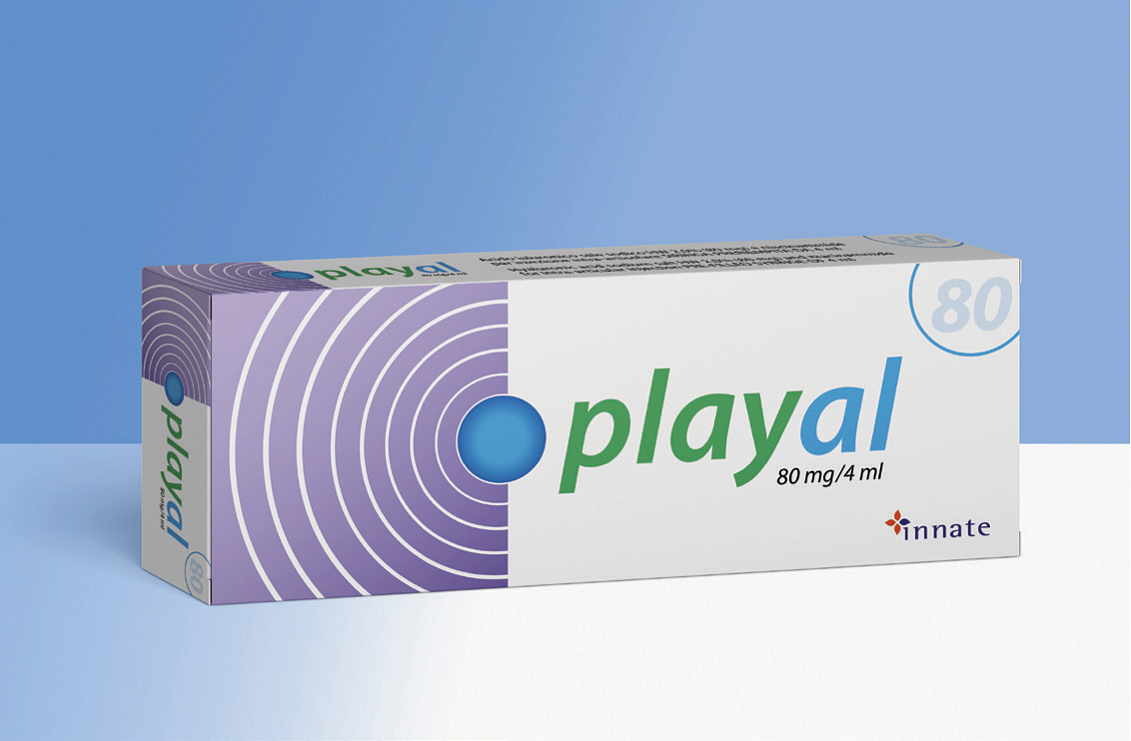
In the modern clinical management of Pellagra, a comprehensive therapeutic approach is essential to address both the underlying niacin deficiency and the associated systemic metabolic complications. Pharmacological intervention typically involves the administration of Playal / بلايال 80mg + 20mg to restore nicotinamide levels and correct the associated vitamin B-complex imbalances that characterize the disease. Furthermore, because patients often present with severe malnutrition or gastrointestinal malabsorption, clinicians must integrate Nutritional Support (TPN/Enteral) / الدعم الغذائي (التغذية الوريدية الكاملة/المعوية) (خدمات رعاية عامة) to ensure adequate caloric intake and metabolic stabilization, thereby facilitating recovery and preventing long-term neurological or dermatological sequelae.