Clinical Assessment & Protocol
Typical Presentation (HPI)
EN: AR:
General Examination
EN: Unremarkable or not routinely indicated. AR: طبيعي أو غير مطلوب روتينياً.
Treatment Protocol
EN: AR:
Patient Education
EN: AR:
Systemic & Specialized Examinations
EN: S1, S2 present. No murmurs. AR: صوتا القلب الأول والثاني طبيعيان. لا توجد نفخات.
EN: Lungs clear to auscultation. AR: الرئتان صافيتان عند التسمع.
EN: AR:
EN: Alert, oriented x3. No focal deficits. AR: المريض واعي ومدرك. لا يوجد عجز عصبي بؤري.
EN: Unremarkable or not routinely indicated. AR: طبيعي أو غير مطلوب روتينياً.
EN: Unremarkable or not routinely indicated. AR: طبيعي أو غير مطلوب روتينياً.
EN: Unremarkable or not routinely indicated. AR: طبيعي أو غير مطلوب روتينياً.
EN: Unremarkable or not routinely indicated. AR: طبيعي أو غير مطلوب روتينياً.
EN: Unremarkable or not routinely indicated. AR: طبيعي أو غير مطلوب روتينياً.
1. Comprehensive Introduction & Overview
Pellagra is a systemic, multisystem nutritional deficiency disease characterized by a clinical triad classically described as the "Three Ds": Dermatitis, Diarrhea, and Dementia. If left untreated, the fourth "D"—Death—is the inevitable outcome.
Clinically, pellagra arises from a deficiency of niacin (vitamin B3) or its precursor amino acid, tryptophan. While historically associated with populations subsisting primarily on maize (corn) without proper processing (nixtamalization), modern clinical practice identifies pellagra in patients with malabsorption syndromes, chronic alcoholism, anorexia nervosa, and those undergoing prolonged pharmacological therapy with specific medications that interfere with niacin metabolism.
This guide serves as an authoritative clinical reference for practitioners, detailing the biochemical etiology, diagnostic criteria, and management protocols for this frequently underdiagnosed condition.
2. Technical Specifications & Mechanisms
Etiology and Pathophysiology
Niacin exists in two primary coenzyme forms: Nicotinamide Adenine Dinucleotide (NAD+) and Nicotinamide Adenine Dinucleotide Phosphate (NADP+). These coenzymes are essential for over 400 enzymatic reactions, primarily involving redox reactions in cellular metabolism.
- Primary Pellagra: Caused by inadequate dietary intake of niacin and/or tryptophan.
- Secondary Pellagra: Occurs despite adequate intake due to impaired absorption or accelerated metabolic degradation.
The Biochemical Pathway
The body can synthesize niacin from the essential amino acid tryptophan. The conversion ratio is approximately 60 mg of tryptophan to 1 mg of niacin. Consequently, a deficiency in either dietary niacin or adequate protein/tryptophan intake precipitates the deficiency.
| Process | Mechanism | Impact |
|---|---|---|
| NAD+ Synthesis | Tryptophan/Niacin pathway | Essential for ATP production |
| DNA Repair | PARP enzymes | NAD+ is a substrate for DNA repair |
| Redox Homeostasis | Glycolysis/Krebs Cycle | Failure leads to cellular oxidative stress |
3. Clinical Indications & Staging
Clinical Staging/Grading
Pellagra is rarely static; it progresses through distinct phases that correlate with the depletion of tissue NAD+ stores.
- Prodromal Stage: Nonspecific symptoms including fatigue, anorexia, insomnia, and mild abdominal discomfort.
- Acute Phase: The onset of the classic triad (Dermatitis, Diarrhea, Dementia).
- Chronic/Terminal Phase: Severe neurological degeneration, profound cachexia, and secondary infection/sepsis.
Standard Presentation (The Three Ds)
Dermatitis (The "Casal Necklace")
The skin manifestations are photosensitive. They typically appear on sun-exposed areas (face, neck, dorsum of hands).
* Casal’s Necklace: A pigmented, hyperkeratotic, erythematous band around the neck.
* Texture: Initially resembles sunburn; progresses to scaling, cracking, and hyperpigmentation.
Diarrhea (Gastrointestinal)
The rapid turnover of mucosal cells in the GI tract makes them highly susceptible to niacin deficiency.
* Glossitis: Beefy red, painful tongue.
* Stomatitis: Angular cheilitis and inflammation of the oral mucosa.
* Enteritis: Chronic watery diarrhea, nausea, and abdominal pain.
Dementia (Neurological/Psychiatric)
Neurological involvement reflects the high metabolic demand of the central nervous system.
* Early: Irritability, anxiety, depression.
* Late: Confusion, memory loss, hallucinations, stupor, and eventually coma.
4. Diagnostic Protocols & Differential Diagnosis
Key Diagnostic Tests
There is no single "gold standard" serum test for pellagra, as serum niacin levels fluctuate. Diagnosis is primarily clinical.
- Urinary N-methylnicotinamide: The most reliable biochemical indicator. Low levels (<0.5 mg/6 hours) suggest deficiency.
- Erythrocyte NAD/NADP Ratio: A sensitive marker of intracellular niacin status.
- Therapeutic Trial: A rapid clinical improvement following high-dose nicotinamide administration is often considered diagnostic.
Differential Diagnosis
Clinicians must distinguish pellagra from other pathologies that present with similar dermatological or neurological features:
| Condition | Distinguishing Features |
|---|---|
| Hartnup Disease | Genetic defect in tryptophan absorption (mimics pellagra). |
| Carcinoid Syndrome | Tryptophan is diverted to serotonin synthesis; pellagra-like symptoms. |
| Photosensitivity | Porphyria, SLE, or drug-induced photosensitivity. |
| Vitamin B12 Deficiency | Presents with neuropathy; lack of classic Casal necklace. |
5. Risks, Side Effects, and Contraindications
Therapeutic Management
The treatment of choice is Nicotinamide rather than Nicotinic Acid.
* Dosage: 300–500 mg daily in divided doses for several weeks.
* Supportive Care: High-protein diet and B-complex supplementation (as pellagra often coexists with other B-vitamin deficiencies).
Risks of Niacin Overdose (During Treatment)
While nicotinamide is well-tolerated, excessive niacin (nicotinic acid) can cause:
* Flushing: Prostaglandin-mediated vasodilation.
* Hepatotoxicity: Elevated liver enzymes.
* Hyperglycemia: Impaired glucose tolerance.
* Hyperuricemia: Risk of gout exacerbation.
6. Massive FAQ Section
1. Is pellagra still prevalent in the modern world?
Yes, though it is rare. It is primarily seen in chronic alcoholics, patients with malabsorption (e.g., Crohn’s disease), and those on medications like isoniazid or 5-fluorouracil.
2. Why does corn-based diet lead to pellagra?
Corn is low in tryptophan and its niacin is bound in a complex (niacytin) that the human gut cannot absorb unless treated with an alkali (nixtamalization).
3. What is the difference between Nicotinamide and Nicotinic Acid?
Both are forms of Vitamin B3. Nicotinamide does not cause the "flushing" side effect associated with nicotinic acid and is preferred for treating pellagra.
4. How quickly do symptoms resolve with treatment?
Patients often see a resolution of neurological symptoms within 24–48 hours, while dermatological and GI symptoms may take several weeks to fully heal.
5. Can pellagra be fatal?
Yes. If the neurological symptoms progress to encephalopathy and the patient remains in a state of severe malnutrition, the mortality rate is extremely high without intervention.
6. Is there a genetic component to pellagra?
Yes, specifically in Hartnup disease, which is an autosomal recessive disorder of amino acid transport that prevents the absorption of tryptophan, essentially causing "primary" pellagra despite adequate intake.
7. Does alcohol consumption directly cause pellagra?
Alcohol causes secondary pellagra through multiple mechanisms: poor dietary intake, impaired absorption, and increased metabolic requirement for NAD+ during ethanol metabolism.
8. Are there specific drugs that induce pellagra?
Yes. Isoniazid (anti-TB), 6-mercaptopurine, and 5-fluorouracil are known to interfere with the NAD+ pathway.
9. Can I diagnose pellagra through a standard CBC?
No. A CBC may show non-specific anemia, but it is not diagnostic for niacin deficiency. Diagnosis is based on clinical presentation and, if available, urinary metabolite testing.
10. What is the prognosis for someone who has recovered from pellagra?
The prognosis is generally excellent if the underlying cause (dietary or medical) is addressed. However, if severe neurological damage (dementia) has occurred before treatment, some cognitive deficits may be irreversible.
7. Long-term Prognosis and Clinical Conclusion
The prognosis for pellagra is highly favorable when the condition is identified early. The metabolic dependency on NAD+ is so profound that the body responds rapidly to exogenous supplementation.
Clinical Pearl: In any patient presenting with the "Three Ds"—especially in the context of alcohol abuse, malabsorption, or restrictive dieting—the clinician should maintain a high index of suspicion. Early initiation of nicotinamide is not only therapeutic but serves as a diagnostic confirmation.
Long-term management requires addressing the root cause:
1. Dietary counseling: Ensuring consumption of niacin-rich foods (meat, poultry, fish, whole grains, legumes).
2. Alcohol cessation: For patients where ethanol intake is the primary driver.
3. Medication review: Adjusting or supplementing pharmacological regimens that interfere with niacin metabolism.
Pellagra remains a stark reminder of the essential nature of micronutrients in maintaining the integrity of the human nervous system and integumentary barrier. Through rigorous clinical assessment and systematic supplementation, the morbidity associated with this condition is entirely preventable.
Disclaimer: This guide is intended for medical professionals and educational purposes only. It does not replace clinical judgment or institutional protocols. Always consult current pharmacological guidelines for specific dosing adjustments in pediatric or geriatric populations.
Related Clinical Integration
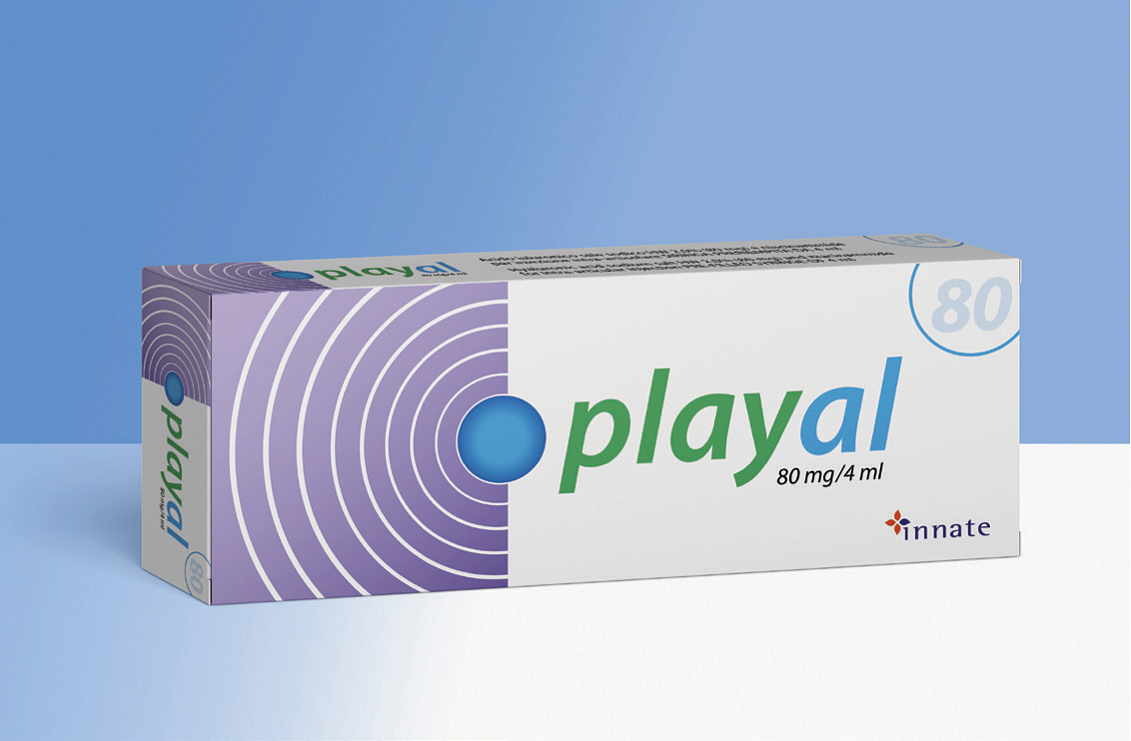
In the management of pellagra, a clinical syndrome resulting from severe niacin deficiency, the therapeutic strategy focuses on aggressive nutritional replenishment to reverse the characteristic dermatological, gastrointestinal, and neurological manifestations. Within our hospital system, clinicians should prioritize the administration of Playal / بلايال 80mg + 20mg as a targeted pharmacological intervention to restore adequate vitamin B3 levels and support metabolic recovery. Integrating Playal / بلايال 80mg + 20mg into the patient’s care plan ensures a standardized approach to correcting the underlying deficiency while mitigating the risk of long-term sequelae associated with untreated pellagra.