Clinical Assessment & Protocol
Typical Presentation (HPI)
EN: Blistering on sun-exposed skin, often with hyperpigmentation. AR: تكون فقاعات على الجلد المعرض للشمس، غالباً مع فرط تصبغ.
General Examination
EN: Unremarkable or not routinely indicated. AR: طبيعي أو غير مطلوب روتينياً.
Treatment Protocol
EN: Phlebotomy or low-dose hydroxychloroquine. AR: الفصد الوريدي أو هيدروكسي كلوروكين بجرعة منخفضة.
Patient Education
EN: Avoid alcohol and sun exposure; use broad-spectrum UV protection. AR: تجنب الكحول والتعرض للشمس؛ استخدم واقيات واسعة الطيف من الأشعة فوق البنفسجية.
Systemic & Specialized Examinations
EN: S1, S2 present. No murmurs. AR: صوتا القلب الأول والثاني طبيعيان. لا توجد نفخات.
EN: Lungs clear to auscultation. AR: الرئتان صافيتان عند التسمع.
EN: Abdomen soft, non-tender. AR: البطن لين ولا يوجد ألم.
EN: Alert, oriented x3. No focal deficits. AR: المريض واعي ومدرك. لا يوجد عجز عصبي بؤري.
EN: Fragile skin, bullae, erosions, and milia on dorsum of hands. AR: جلد هش، فقاعات، تآكلات، ودخينات على ظهر اليدين.
EN: Unremarkable or not routinely indicated. AR: طبيعي أو غير مطلوب روتينياً.
EN: Unremarkable or not routinely indicated. AR: طبيعي أو غير مطلوب روتينياً.
EN: Unremarkable or not routinely indicated. AR: طبيعي أو غير مطلوب روتينياً.
EN: Unremarkable or not routinely indicated. AR: طبيعي أو غير مطلوب روتينياً.
Orthopedic & Trauma Assessments
EN: Unremarkable or not routinely indicated. AR: طبيعي أو غير مطلوب روتينياً.
EN: Unremarkable or not routinely indicated. AR: طبيعي أو غير مطلوب روتينياً.
Comprehensive Clinical Guide: Porphyria Cutanea Tarda (PCT)
Porphyria Cutanea Tarda (PCT) represents the most prevalent form of the porphyrias—a group of metabolic disorders resulting from deficiencies in specific enzymes within the heme biosynthetic pathway. Specifically, PCT is characterized by a deficiency in uroporphyrinogen decarboxylase (UROD), the fifth enzyme in the heme synthesis sequence. This disorder manifests primarily as a cutaneous condition, driven by the accumulation of porphyrins in the skin, which become photo-activated upon exposure to ultraviolet (UV) radiation.
As a clinical specialist, it is imperative to view PCT not merely as a dermatological curiosity, but as a systemic metabolic signal. It is frequently linked to hepatic iron overload, chronic hepatitis C infection, and alcohol misuse. Understanding PCT requires a multi-disciplinary approach, bridging hepatology, hematology, and dermatology.
Technical Specifications and Pathophysiology
The heme biosynthetic pathway involves eight enzymatic steps occurring in the mitochondria and cytosol. In PCT, the enzyme UROD is impaired.
The Molecular Mechanism
- Enzymatic Blockade: UROD is responsible for the sequential decarboxylation of uroporphyrinogen III to coproporphyrinogen III. When UROD activity drops below approximately 20–25% of normal levels, uroporphyrinogen accumulates in the liver and plasma.
- Photo-activation: These accumulated porphyrins are oxidized into porphyrins, which circulate and deposit in the dermis. Upon exposure to long-wave ultraviolet light (Soret band, 400–410 nm), these porphyrins absorb energy and transition into an excited state.
- Reactive Oxygen Species (ROS): The excited porphyrins react with molecular oxygen to produce ROS (singlet oxygen and superoxide radicals). These radicals cause oxidative damage to the basement membrane zone, leading to the clinical hallmark of subepidermal blistering.
Classification of PCT
PCT is traditionally categorized into two primary forms:
| Type | Etiology | Prevalence |
|---|---|---|
| Type I (Sporadic) | Acquired; UROD deficiency limited to the liver. | ~80% of cases |
| Type II (Familial) | Autosomal dominant; UROD deficiency in all cells. | ~20% of cases |
| Type III (Sporadic) | Familial but no mutation in the UROD gene. | Rare |
Clinical Presentation and Diagnostic Indications
PCT typically presents in adulthood, rarely before the age of 20. The clinical picture is often dramatic and highly suggestive, even before laboratory confirmation.
Standard Clinical Signs
- Fragility of the Skin: Minor mechanical trauma leads to skin tearing.
- Vesiculobullous Eruptions: Tense bullae appearing primarily on sun-exposed areas (dorsal hands, forearms, face, and ears).
- Milia: Small, white keratin-filled cysts occurring at the sites of healed bullae.
- Hypertrichosis: Increased hair growth, particularly in the malar (cheek) region.
- Hyperpigmentation/Hypopigmentation: Often occurring in areas of chronic inflammation.
- Sclerodermatous Changes: Chronic, thickened, scarring skin that may mimic systemic sclerosis.
Diagnostic Testing Protocols
To confirm a diagnosis of PCT, the following investigations are considered the gold standard:
- Plasma Porphyrin Fractionation: Demonstrates a significant elevation of uroporphyrin and heptacarboxylporphyrin. This is the most sensitive test.
- 24-Hour Urine Porphyrin Analysis: Shows a massive increase in uroporphyrins. The urine may appear "tea-colored" or pinkish-red when exposed to sunlight.
- Fecal Porphyrins: Useful to distinguish PCT from other porphyrias; usually shows elevated isocoproporphyrin.
- Liver Function Tests & Iron Studies: Elevated serum ferritin, transferrin saturation, and ALT/AST levels are common, reflecting underlying hepatic stress or hemochromatosis.
- Hepatitis C Screening: Because HCV is a major trigger for PCT, testing is mandatory for every patient.
Differential Diagnosis
The clinical presentation of PCT can overlap with several other conditions. Practitioners must rule out the following:
- Pseudoporphyria: Clinically identical to PCT, but porphyrin levels are normal. Often caused by NSAIDs, dialysis, or tanning bed use.
- Variegate Porphyria: Can present with both cutaneous and neurological symptoms.
- Hereditary Coproporphyria: Usually presents with neurovisceral symptoms alongside photosensitivity.
- Epidermolysis Bullosa Acquisita: An autoimmune bullous disease that shares clinical features of skin fragility.
- Systemic Lupus Erythematosus (Bullous variant): Can mimic the blistering phase of PCT.
Management and Therapeutic Strategies
Management of PCT is focused on reducing the hepatic porphyrin load and identifying/removing triggering factors.
1. Phlebotomy (Serial Bloodletting)
The goal is to induce mild iron deficiency (serum ferritin < 20 ng/mL). By removing excess hepatic iron, the oxidative stress on the liver is reduced, which in turn restores UROD activity.
* Typical Regimen: 300–500 mL of blood removed every 2–4 weeks.
2. Low-Dose Hydroxychloroquine (HCQ)
HCQ works by forming complexes with porphyrins, increasing their solubility and promoting their excretion in the urine.
* Dosage: 100–125 mg twice weekly. High doses must be avoided to prevent acute porphyric crisis or massive liver damage caused by rapid mobilization of porphyrins.
3. Addressing Triggers
- Alcohol Cessation: Alcohol is a potent inducer of hepatic porphyrin synthesis.
- Estrogen Discontinuation: Oral contraceptives and hormone replacement therapy can exacerbate PCT.
- Iron Supplementation: Must be strictly avoided.
- Hepatitis C Treatment: Eradication of the HCV virus frequently leads to complete remission of PCT.
Risks, Contraindications, and Long-Term Prognosis
Long-Term Risks
Patients with untreated or poorly managed PCT are at an increased risk for:
* Hepatocellular Carcinoma (HCC): Chronic liver damage and iron overload significantly elevate malignancy risk.
* Chronic Liver Disease/Cirrhosis: Ongoing oxidative stress leads to fibrotic changes.
Contraindications
- High-Dose Chloroquine: Can cause a "flare" or hepatotoxicity.
- Iron Therapy: Absolutely contraindicated unless the patient has established iron-deficiency anemia (very rare in PCT).
- Hepatotoxic Drugs: Medications that induce the cytochrome P450 system should be used with extreme caution.
Frequently Asked Questions (FAQ)
1. Is Porphyria Cutanea Tarda contagious?
No. PCT is a metabolic condition related to enzyme deficiency and environmental triggers; it cannot be transmitted from person to person.
2. Can I continue to spend time outdoors if I have PCT?
Strict sun avoidance is necessary during the active phase. Use broad-spectrum, zinc- or titanium-based physical sunscreens, though they are only partially effective against the Soret band light. Protective clothing is essential.
3. What is the relationship between Hepatitis C and PCT?
Hepatitis C is a significant trigger for the development of PCT. The virus interferes with iron metabolism and increases oxidative stress, which further inhibits the UROD enzyme.
4. Does the skin damage from PCT heal completely?
With effective treatment (phlebotomy or HCQ), the blistering stops. Milia may persist for months, and areas of scarring or hyperpigmentation may take a long time to fade, but the skin fragility resolves.
5. Why is iron management so important?
Iron acts as a catalyst for the production of reactive oxygen species. In the presence of reduced UROD activity, iron overload promotes the oxidation of porphyrinogens to porphyrins, worsening the disease.
6. Is PCT an autoimmune disorder?
No, it is a metabolic disorder. However, it can coexist with autoimmune conditions like lupus, which makes accurate diagnosis essential.
7. How long does phlebotomy treatment take?
Depending on initial iron levels, it may take 6 to 12 months of periodic blood draws to achieve clinical remission.
8. Will the "tea-colored" urine go away?
Yes. As the porphyrin levels drop in response to treatment, the urine will return to a normal color.
9. Can I drink alcohol if I am in remission?
While moderate consumption may be tolerated by some, alcohol is a known trigger. It is generally recommended to avoid alcohol entirely to prevent a relapse of the condition.
10. Does PCT affect my life expectancy?
If managed correctly—specifically by monitoring for liver cancer and controlling iron levels—the prognosis is excellent, and patients can expect a normal life expectancy.
Summary Table: Clinical Management Roadmap
| Phase | Goal | Action Items |
|---|---|---|
| Acute Diagnosis | Confirmation | Plasma/Urine porphyrin tests, HCV screen, Ferritin/Iron panel. |
| Active Treatment | Reduce Porphyrins | Phlebotomy (if ferritin high) or Low-dose HCQ. |
| Trigger Control | Eliminate Risk | Stop alcohol, stop estrogens, avoid iron supplements. |
| Maintenance | Prevention | Annual liver ultrasound (if cirrhosis present), periodic ferritin checks. |
Disclaimer: This guide is intended for educational and clinical reference purposes. It does not replace professional medical judgment. Always consult with a hematologist or hepatologist for the management of porphyric disorders.
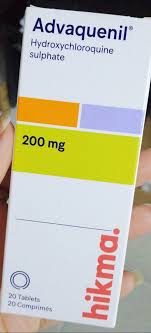
Related Clinical Integration
In the management of Porphyria Cutanea Tarda (PCT), clinical protocols focus on reducing hepatic iron overload and managing porphyrin accumulation through targeted interventions. Therapeutic Phlebotomy for Post-Transplant Erythrocytosis / الفصد العلاجي لكثرة الحمر بعد الزرع (خدمات رعاية عامة) serves as a primary therapeutic modality to deplete excess iron stores, thereby decreasing the oxidative stress that drives the disease process. In cases where phlebotomy is contraindicated or insufficient, low-dose antimalarial therapy, such as Advaquenil 200mg 200mg, may be utilized to facilitate the excretion of porphyrins via the urine, ensuring a comprehensive approach to stabilizing patient health within our hospital system.