Clinical Assessment & Protocol
Typical Presentation (HPI)
EN: 74-year-old patient complains of burning pain in the thoracic region months after skin rash healed. AR: مريض يبلغ 74 عاماً يشتكي من ألم حارق في المنطقة الصدرية بعد أشهر من شفاء الطفح الجلدي.
General Examination
EN: Allodynia and hyperalgesia in the affected dermatome. AR: وجود ألم خيفي (ألم من منبه غير مؤلم) وفرط تألم في المنطقة الجلدية المصابة.
Treatment Protocol
EN: AR:
Patient Education
EN: AR:
Systemic & Specialized Examinations
EN: S1, S2 present. No murmurs. AR: صوتا القلب الأول والثاني طبيعيان. لا توجد نفخات.
EN: Lungs clear to auscultation. AR: الرئتان صافيتان عند التسمع.
EN: Abdomen soft, non-tender. AR: البطن لين ولا يوجد ألم.
EN: Alert, oriented x3. No focal deficits. AR: المريض واعي ومدرك. لا يوجد عجز عصبي بؤري.
EN: Unremarkable or not routinely indicated. AR: طبيعي أو غير مطلوب روتينياً.
EN: Unremarkable or not routinely indicated. AR: طبيعي أو غير مطلوب روتينياً.
EN: Unremarkable or not routinely indicated. AR: طبيعي أو غير مطلوب روتينياً.
EN: Unremarkable or not routinely indicated. AR: طبيعي أو غير مطلوب روتينياً.
EN: Unremarkable or not routinely indicated. AR: طبيعي أو غير مطلوب روتينياً.
1. Comprehensive Introduction & Overview
Post-Herpetic Neuralgia (PHN) represents the most common and debilitating chronic complication of Herpes Zoster (shingles), which is the reactivation of the varicella-zoster virus (VZV) latent in the dorsal root ganglia. While the acute rash of shingles typically resolves within weeks, PHN is defined as neuropathic pain that persists for at least 90 days (three months) after the onset of the initial vesicular eruption.
Clinically, PHN is a form of chronic peripheral neuropathic pain characterized by hyperalgesia, allodynia (pain from non-painful stimuli), and a constant burning or aching sensation. Its prevalence increases exponentially with age, particularly in populations over 60, making it a significant public health concern in an aging global demographic. Because PHN involves permanent nerve damage, it is often refractory to standard analgesic interventions, necessitating a multimodal clinical approach.
2. Deep-Dive: Etiology and Pathophysiology
The pathophysiology of PHN is rooted in the neuro-inflammatory assault caused by the reactivation of VZV. Understanding this mechanism is vital for clinical management.
The Mechanism of Nerve Injury
- Viral Reactivation: VZV remains latent in the sensory ganglia for decades after a primary varicella (chickenpox) infection. Reactivation occurs when cell-mediated immunity wanes.
- Ganglionitis and Neuritis: The virus causes intense inflammation of the dorsal root ganglion, leading to neuronal necrosis and subsequent fibrosis.
- Peripheral Sensitization: The damaged peripheral nerves exhibit ectopic impulse generation. Spontaneous discharges occur even in the absence of external stimuli.
- Central Sensitization: Sustained nociceptive input to the spinal cord leads to a state of "wind-up." The dorsal horn neurons become hyperexcitable, meaning that even light touch (A-beta fiber activation) is processed by the brain as intense pain (allodynia).
Structural Changes
| Feature | Pathophysiological Consequence |
|---|---|
| Dorsal Horn Atrophy | Loss of inhibitory interneurons leading to pain signaling amplification. |
| Microglial Activation | Chronic neuro-inflammation within the spinal cord. |
| Deafferentation | Loss of peripheral sensory input creates a "void" that the central nervous system fills with phantom pain signals. |
3. Clinical Indications, Staging, and Presentation
Clinical Staging/Grading
While there is no universally standardized "staging" system like cancer, clinicians utilize the Neuropathic Pain Symptom Inventory (NPSI) to grade the severity of the condition:
- Grade 1 (Mild): Intermittent, manageable with over-the-counter NSAIDs.
- Grade 2 (Moderate): Constant discomfort, sleep disturbance, requires prescription-strength neuropathic agents.
- Grade 3 (Severe): Debilitating, intractable pain, significant functional impairment, psychological distress, requires interventional pain management.
Standard Clinical Presentation
- Distribution: Typically unilateral and dermatomal (most common in thoracic and ophthalmic branches).
- Pain Quality: Described by patients as "electric shocks," "stabbing," "burning," or "throbbing."
- Allodynia: A hallmark feature where the patient cannot tolerate the touch of clothing or bedsheets.
- Sensory Deficit: Often accompanied by hypoesthesia (numbness) in the same area as the pain.
4. Differential Diagnosis and Diagnostic Testing
Differential Diagnosis
It is critical to distinguish PHN from other conditions that mimic dermatomal pain:
* Diabetic Polyneuropathy: Usually symmetrical and bilateral, unlike the unilateral nature of PHN.
* Post-Traumatic Neuralgia: History of surgical intervention or blunt trauma.
* Complex Regional Pain Syndrome (CRPS): Typically involves distal extremities and vasomotor changes (color/temperature).
* Radiculopathy (Herniated Disc): Pain is usually exacerbated by movement or spinal loading.
Key Diagnostic Tests
There is no single "blood test" for PHN. Diagnosis is primarily clinical, supported by:
- Clinical History: Detailed timeline of the original shingles eruption.
- Physical Examination: Pinprick testing and light touch (cotton swab) to map areas of allodynia.
- Neuropathic Pain Scales: Use of DN4 (Douleur Neuropathique 4) or LANSS (Leeds Assessment of Neuropathic Symptoms and Signs).
- Electromyography (EMG) / Nerve Conduction Studies: Rarely used for diagnosis but helpful to rule out structural nerve compression.
- Skin Biopsy: In research settings, intraepidermal nerve fiber density (IENFD) can show reduced nerve fiber count.
5. Risks, Side Effects, and Contraindications
Managing PHN involves high-risk pharmacological agents. Clinicians must weigh the benefit against the side-effect profile.
Pharmacological Risks
- Tricyclic Antidepressants (TCAs): (e.g., Amitriptyline). Risk of cardiac arrhythmias, urinary retention, and orthostatic hypotension. Contraindicated in patients with glaucoma or BPH.
- Gabapentinoids: (Gabapentin/Pregabalin). Common side effects include peripheral edema, cognitive clouding, and weight gain.
- Opioids: Generally discouraged as first-line therapy due to the risk of dependence and hyperalgesia, though sometimes used in refractory cases.
Contraindications
- Epidural Steroids: Generally ineffective for PHN and carry risks of infection and spinal cord injury.
- Surgical Decompression: Rarely indicated; may exacerbate deafferentation pain.
6. Long-Term Prognosis
The prognosis for PHN varies. While some cases resolve within 6–12 months as nerves undergo slow regeneration, a significant subset of patients develops permanent, lifelong neuropathic pain.
Prognostic Factors for Poor Outcomes:
* Greater age at onset.
* High severity of the initial shingles rash.
* Presence of severe allodynia during the acute phase.
* Delayed initiation of antiviral therapy (beyond 72 hours of rash onset).
7. Massive FAQ Section
Q1: Is PHN contagious?
No. You cannot "catch" PHN. PHN is the result of internal nerve damage from a past VZV infection. However, a person with an active shingles rash can transmit the VZV virus to someone who has never had chickenpox, which would cause them to develop chickenpox, not PHN.
Q2: Why does light touch hurt so much?
This is called "mechanical allodynia." Because of nerve damage, the brain misinterprets harmless signals (like a breeze or fabric touching the skin) as high-intensity pain signals.
Q3: Can PHN be cured?
There is no "cure" that reverses the nerve damage, but symptoms can be managed effectively in the majority of patients. Early aggressive treatment is the best strategy.
Q4: Does the shingles vaccine help if I already have PHN?
No. The Shingrix vaccine is for the prevention of shingles and its complications. It does not treat existing PHN.
Q5: What is the first-line treatment for PHN?
Current guidelines typically recommend Gabapentinoids (Pregabalin), TCAs (Amitriptyline), or topical agents (Lidocaine patches or Capsaicin patches) as the first-line approach.
Q6: Can diet affect PHN pain?
While no specific diet treats PHN, an anti-inflammatory diet high in Omega-3 fatty acids and low in processed sugars may help modulate systemic inflammation.
Q7: Is surgery an option for PHN?
Surgery is generally avoided. Because the pain is "centralized" in the brain and spinal cord, cutting the peripheral nerves often fails to stop the pain and can sometimes make it worse.
Q8: How long does PHN last?
It varies. For some, it lasts for a few months. For others, it can persist for years or even the remainder of their life.
Q9: Does stress make PHN worse?
Yes. Stress triggers the sympathetic nervous system, which can heighten the perception of neuropathic pain and lower the threshold for pain tolerance.
Q10: Are there alternative therapies that help?
Many patients find relief through a multidisciplinary approach, including physical therapy, cognitive-behavioral therapy (CBT) to manage pain perception, and acupuncture.
8. Clinical Management Summary Table
| Treatment Category | Examples | Clinical Utility |
|---|---|---|
| Topical Agents | Lidocaine 5% Patch, Capsaicin 8% | High safety profile, localized relief. |
| Anticonvulsants | Gabapentin, Pregabalin | Gold standard for nerve-related pain. |
| Antidepressants | Amitriptyline, Nortriptyline | Modulates descending pain pathways. |
| Interventional | Sympathetic Nerve Blocks | Used only in recalcitrant cases. |
| Lifestyle | TENS Units, CBT | Adjuncts to pharmacological therapy. |
9. Conclusion
Post-Herpetic Neuralgia is a complex, chronic condition that requires a shift in clinical mindset from acute care to chronic disease management. Because the underlying pathology involves permanent sensory pathway remodeling, successful outcomes are rarely achieved through monotherapy. An effective clinical protocol requires early diagnosis, a clear understanding of the patient's neurological state, and a sustained, patient-centered approach to pain management that prioritizes functional restoration over the total elimination of sensation.
For the clinician, the goal is to stabilize the hyperexcitable nervous system, reduce the psychological burden of chronic pain, and prevent the secondary complications associated with long-term disability. By employing a combination of gabapentinoids, topical stabilizers, and psychological support, the majority of patients can regain a high quality of life despite the persistence of symptoms.
Related Clinical Integration
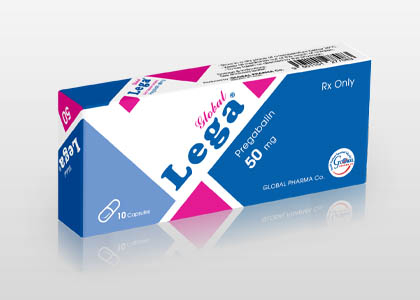
In a modern clinical setting, the management of Post-Herpetic Neuralgia requires a multidisciplinary approach that integrates pharmacological intervention, interventional pain management, and holistic patient education. First-line neuropathic pain control is typically achieved through medications such as Gabantin / غابانتين 400mg and Lega / ليغا 50 mg, which serve to stabilize nerve signaling. For patients experiencing refractory symptoms, advanced interventional techniques like Nerve Block (Suprascapular Nerve Block) / إحصار العصب (إحصار العصب فوق الكتف) (حقن مفاصل / حقن وريدي أو جلدي) may be indicated to provide targeted relief. Furthermore, because chronic neuropathic conditions often carry significant psychological and systemic burdens, it is essential to address the broader context of pain management through resources such as [الألم المزمن والاكتئاب دليل شامل للتعامل والعلاج مع الأستاذ الدكتور محمد هطيف](https://www.hutaifortho.com/ar/hub/msk-hutaif-%D8%AE%D9%84%D9%84-%D8%A7%D9%84%D8%AA%D9%86%D8%B3%D8%AC-%D8%A7%D9%84%D9%84%D9%8A%D9%81%D9%8A-%D8%A7%D9%84%D8%B9%D8%B8%D9%85%D9%8A-%D8%AF%D9%84%D9%8A%D9%84-%D8%B4%D8%A7%D9%85%D9%84-%D9%84%D9%84%D9%85%D8%B1%D8%B6%D9%89-%D9%85%D8%B9-%D8%A7%D9%84%D8%A3%D8%B3%D8%AA%D8%A7%D8%B0-%D8%A7%D9%84%D8%AF%