Clinical Assessment & Protocol
Typical Presentation (HPI)
EN: 81-year-old reports burning pain in the thoracic region months after a rash cleared. AR: مريض يبلغ من العمر 81 عامًا يشتكي من ألم حارق في منطقة الصدر بعد أشهر من زوال الطفح الجلدي.
General Examination
EN: Allodynia (pain from light touch) in the affected dermatome. AR: ألم باعتلال الأعصاب (ألم عند اللمس الخفيف) في المنطقة الجلدية المصابة.
Treatment Protocol
EN: Gabapentin or tricyclic antidepressants. AR: غابابنتين أو مضادات الاكتئاب ثلاثية الحلقات.
Patient Education
EN: Pain management requires patience; follow medication schedule consistently. AR: إدارة الألم تتطلب الصبر؛ التزم بجدول الأدوية بانتظام.
Systemic & Specialized Examinations
EN: S1, S2 present. No murmurs. AR: صوتا القلب الأول والثاني طبيعيان. لا توجد نفخات.
EN: Lungs clear to auscultation. AR: الرئتان صافيتان عند التسمع.
EN: Abdomen soft, non-tender. AR: البطن لين ولا يوجد ألم.
EN: Alert, oriented x3. No focal deficits. AR: المريض واعي ومدرك. لا يوجد عجز عصبي بؤري.
EN: Unremarkable or not routinely indicated. AR: طبيعي أو غير مطلوب روتينياً.
EN: Unremarkable or not routinely indicated. AR: طبيعي أو غير مطلوب روتينياً.
EN: Unremarkable or not routinely indicated. AR: طبيعي أو غير مطلوب روتينياً.
EN: Unremarkable or not routinely indicated. AR: طبيعي أو غير مطلوب روتينياً.
EN: Unremarkable or not routinely indicated. AR: طبيعي أو غير مطلوب روتينياً.
Comprehensive Clinical Guide: Postherpetic Neuralgia (PHN)
1. Introduction and Clinical Overview
Postherpetic neuralgia (PHN) represents the most common and debilitating chronic complication of Herpes Zoster (shingles), a reactivation of the varicella-zoster virus (VZV). While the acute phase of shingles involves a painful, vesicular rash, PHN is defined as persistent neuropathic pain lasting at least three months after the initial onset of the rash.
As a medical entity, PHN is classified as a chronic neuropathic pain syndrome. It is characterized by severe, often intractable pain that significantly impairs quality of life, physical functioning, and mental health. Epidemiologically, the risk of developing PHN increases exponentially with age, particularly in patients over 60, and is highly correlated with the severity of the acute zoster episode.
2. Etiology and Pathophysiology
The pathophysiology of PHN is complex, involving structural and functional changes in both the peripheral and central nervous systems (PNS and CNS).
The VZV Lifecycle and Reactivation
- Primary Infection: Varicella (chickenpox) leads to latency in the dorsal root ganglia (DRG) and cranial nerve ganglia.
- Reactivation: Decreased cell-mediated immunity—often due to aging (immunosenescence), immunosuppressive therapy, or malignancy—allows viral replication.
- Nerve Damage: Viral replication causes inflammation, necrosis, and demyelination within the affected ganglia and peripheral nerves.
Mechanisms of Chronic Pain
The transition from acute zoster pain to chronic PHN is driven by several neurobiological processes:
1. Peripheral Sensitization: Damaged peripheral nociceptors exhibit spontaneous ectopic discharge. This lowers the threshold for pain activation.
2. Central Sensitization: Sustained nociceptive input from the periphery results in hyperexcitability of neurons in the dorsal horn of the spinal cord. This leads to allodynia (pain from non-painful stimuli) and hyperalgesia (heightened response to painful stimuli).
3. Deafferentation: The loss of primary afferent input leads to the reorganization of central circuits, a process akin to phantom limb pain.
4. Neuroinflammation: Microglial activation and the release of pro-inflammatory cytokines (TNF-α, IL-1β) perpetuate the pain state long after the virus has been cleared.
3. Clinical Staging and Grading
Clinical assessment of PHN focuses on pain intensity, character, and the presence of sensory abnormalities.
| Stage | Definition | Clinical Markers |
|---|---|---|
| Acute Herpetic Neuralgia | < 30 days | Vesicular rash, intense lancinating pain. |
| Subacute Herpetic Neuralgia | 30 to 90 days | Evolving pain, gradual skin healing. |
| Postherpetic Neuralgia (PHN) | > 90 days | Established neuropathic pain, sensory deficit. |
Grading Severity (Pain Assessment):
* Mild: Intermittent, non-disabling, does not interfere with sleep.
* Moderate: Constant or frequent, interferes with daily activities but manageable.
* Severe: Debilitating, constant, significant sleep disturbance, associated with depression/anxiety.
4. Standard Presentation and Differential Diagnosis
Typical Presentation
Patients typically report a burning, throbbing, or electric-shock-like sensation in the dermatome previously affected by the shingles rash.
* Allodynia: Light touch (e.g., clothing) is reported as painful.
* Hyperesthesia: Increased sensitivity to sensory input.
* Sensory Deficits: Areas of numbness or reduced sensation often coexist with the pain.
Differential Diagnosis
It is critical to rule out other conditions that mimic PHN, particularly if the pain distribution is atypical:
* Trigeminal Neuralgia: If PHN is in the V1 distribution.
* Post-surgical neuropathic pain: If the patient has a history of thoracic or abdominal surgery.
* Diabetic Polyneuropathy: If pain is bilateral or distal.
* Spinal cord compression/Radiculopathy: If pain is non-dermatomal or associated with motor weakness.
* Malignancy (Infiltration): If pain is progressive and unrelenting.
5. Diagnostic Testing and Evaluation
PHN is primarily a clinical diagnosis. There is no "gold standard" laboratory test to confirm PHN. However, the following evaluation is standard:
- Clinical History: Detailed review of the timing of the initial shingles rash and the evolution of pain.
- Physical Examination:
- Map the dermatomal distribution.
- Test for allodynia using a cotton swab or light brush.
- Assess for sensory loss using pinprick or thermal testing.
- Laboratory/Imaging (Rule-outs):
- MRI: To rule out structural lesions or mass effects if symptoms are progressive or atypical.
- Serology: Only indicated if the patient is immunocompromised or if the diagnosis of the initial shingles episode is in question.
- Electromyography (EMG): Rarely used, but may be helpful if motor involvement is suspected.
6. Clinical Indications and Management
Managing PHN is multimodal and often requires a combination of pharmacological and interventional strategies.
Pharmacological Interventions
| Medication Class | Examples | Mechanism |
|---|---|---|
| Calcium Channel Alpha-2-Delta Ligands | Gabapentin, Pregabalin | Reduces neurotransmitter release. |
| Tricyclic Antidepressants (TCAs) | Amitriptyline, Nortriptyline | Inhibits reuptake of serotonin/norepinephrine. |
| Topical Agents | 5% Lidocaine patch, Capsaicin 8% | Peripheral nerve stabilization/depletion of Substance P. |
| Opioids | Tramadol, Oxycodone | Second or third-line; use with caution. |
Interventional Strategies
- Sympathetic Nerve Blocks: Useful in cases with significant autonomic components.
- Epidural/Intrathecal Injections: Reserved for refractory cases.
- Spinal Cord Stimulation (SCS): A consideration for patients who have failed all conservative measures.
7. Risks, Side Effects, and Contraindications
Pharmacotherapy for PHN carries significant risks, particularly in the elderly population:
- TCAs: Contraindicated in patients with recent myocardial infarction, arrhythmias, or severe glaucoma. Side effects include dry mouth, urinary retention, and cognitive impairment.
- Gabapentinoids: Risk of somnolence, dizziness, and peripheral edema. Dosage must be adjusted for renal impairment.
- Topical Capsaicin: Can cause severe burning sensation upon application.
- Opioids: High risk for dependency, respiratory depression, and hormonal imbalances; generally avoided in long-term management of chronic non-cancer pain unless strictly monitored.
8. Long-Term Prognosis
The prognosis for PHN is highly variable. While many patients experience a slow resolution of symptoms over 6 to 12 months, a significant subset (estimated at 30-50% in patients over 70) may experience pain that persists for years or even a lifetime.
Prognostic Factors for Poor Outcomes:
* Older age at time of infection.
* Severe acute pain during the zoster episode.
* Large area of rash involvement.
* Presence of prodromal pain.
* Delayed initiation of antiviral therapy.
9. Frequently Asked Questions (FAQ)
1. Is PHN contagious?
No. PHN is the result of nerve damage caused by a previous VZV infection. You cannot catch PHN from someone else.
2. Can PHN be cured?
There is no single "cure." Treatment focuses on pain management and improving quality of life. Many patients see significant improvement with specialized neuropathic pain protocols.
3. Why does light clothing hurt my skin?
This is known as mechanical allodynia. It occurs because the damaged nerves in your skin are misinterpreting non-painful touch signals as pain signals to the brain.
4. How long does PHN last?
It varies. Some patients recover in a few months, while others may deal with symptoms for years. Early treatment of the shingles rash is the best way to reduce the risk of long-term pain.
5. Are there vaccines to prevent PHN?
Yes. The Shingrix vaccine is highly effective at preventing Herpes Zoster and, consequently, preventing PHN. It is recommended for adults over 50.
6. Does diet affect PHN pain?
There is no specific "PHN diet," but maintaining an anti-inflammatory diet can support overall nerve health.
7. Can surgery help PHN?
Surgery is rarely indicated for PHN. Most interventions are focused on nerve blocks or spinal cord stimulation rather than surgical nerve resection.
8. Is PHN a sign of cancer?
Usually, no. However, because PHN is associated with a weakened immune system, persistent shingles or atypical pain should always be evaluated by a physician to rule out underlying malignancies.
9. Can I use over-the-counter pain relievers for PHN?
Standard NSAIDs (like ibuprofen) are generally ineffective for neuropathic pain. PHN requires specific medications that target nerve signaling.
10. How do I know if I have PHN or something else?
If you have pain in a specific area that matches the location of a past shingles rash that lasts for more than three months, it is highly likely to be PHN. Always consult a neurologist or pain management specialist for a confirmed diagnosis.
10. Conclusion
Postherpetic neuralgia remains a significant clinical challenge in geriatric medicine and pain management. The transition from acute viral infection to chronic neuropathic pain underscores the importance of early intervention during the acute zoster phase. By utilizing a combination of pharmacologic, interventional, and supportive care, clinicians can effectively manage the burden of PHN and significantly improve the daily functioning of affected patients. Prevention through vaccination remains the most effective strategy against this life-altering condition.
Related Clinical Integration
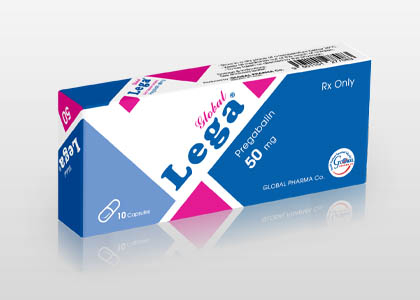
In a modern clinical setting, the management of postherpetic neuralgia requires a multimodal approach aimed at mitigating chronic neuropathic pain and improving patient quality of life. Pharmacological intervention serves as the cornerstone of therapy, typically involving the administration of Gabantin / غابانتين 400mg or Lega / ليغا 50 mg to stabilize neuronal membranes and modulate pain signaling pathways. For patients who remain refractory to systemic medications, interventional strategies such as a Nerve Block (Suprascapular Nerve Block) / إحصار العصب (إحصار العصب فوق الكتف) (حقن مفاصل / حقن وريدي أو جلدي) may be indicated to provide targeted relief by interrupting peripheral pain transmission. Furthermore, non-pharmacological adjuncts, specifically the use of a TENS Unit (Transcutaneous Electrical Nerve Stimulator) / وحدة تحفيز العصب الكهربائي عبر الجلد (TENS) (أجهزة مراقبة وتتبع الحيوية), are integrated into the treatment plan to provide symptomatic relief through electrical stimulation, thereby reducing reliance on high-dose analgesics and supporting a comprehensive, patient-centered recovery framework.