Clinical Assessment & Protocol
Typical Presentation (HPI)
EN: Patient presents with chronic perianal pruritus, characterized by intense itching, exacerbated at night. Denies recent changes in hygiene products, dietary triggers, or fecal incontinence. No history of hemorrhoids, fissures, or parasitic infections. Symptoms are persistent despite conservative measures. AR: يعاني المريض من حكة شرجية مزمنة، تتميز برغبة شديدة في الحك تزداد حدتها ليلاً. لا توجد تغييرات حديثة في منتجات النظافة أو محفزات غذائية أو سلس برازي. لا يوجد تاريخ مرضي للبواسير أو الشقوق الشرجية أو العدوى الطفيلية. الأعراض مستمرة على الرغم من التدابير التحفظية.
General Examination
EN: Perianal inspection reveals erythematous, lichenified skin with excoriations secondary to scratching. No evidence of fungal infection, psoriasis, or perianal malignancy. Digital rectal examination (DRE) is unremarkable; sphincter tone is normal. No evidence of hemorrhoidal disease, skin tags, or fistulous tracts. AR: يظهر الفحص الشرجي وجود احمرار وتسمك في الجلد (lichenification) مع وجود سحجات ناتجة عن الحك. لا توجد علامات لعدوى فطرية أو صدفية أو أورام شرجية. فحص المستقيم بالإصبع (DRE) طبيعي؛ توتر العضلة العاصرة طبيعي. لا توجد أدلة على وجود بواسير أو زوائد جلدية أو نواسير.
Treatment Protocol
EN: Initiate conservative management: 1. Maintain meticulous perianal hygiene (avoid harsh soaps, use water-based cleansing). 2. Keep the area dry (pat dry, avoid rubbing). 3. Topical barrier cream (zinc oxide) or low-potency hydrocortisone (max 7 days). 4. Dietary modification (avoid caffeine, spicy foods, and citrus). 5. Follow-up in 4 weeks for reassessment. AR: البدء بالعلاج التحفظي: 1. الحفاظ على نظافة دقيقة للمنطقة الشرجية (تجنب الصابون القاسي، استخدام التنظيف بالماء). 2. الحفاظ على جفاف المنطقة (التجفيف بالتربيت، تجنب الفرك). 3. استخدام كريم عازل (أكسيد الزنك) أو هيدروكورتيزون بتركيز منخفض (بحد أقصى 7 أيام). 4. تعديل النظام الغذائي (تجنب الكافيين، الأطعمة الحارة، والحمضيات). 5. المتابعة بعد 4 أسابيع لإعادة التقييم.
Patient Education
EN: Pruritus ani is often a symptom rather than a primary disease. Avoid excessive cleaning or scrubbing, as this disrupts the skin barrier and worsens inflammation. Wear loose-fitting cotton underwear to allow ventilation. If symptoms persist or bleeding occurs, seek immediate surgical consultation to rule out underlying pathologies. AR: الحكة الشرجية غالباً ما تكون عرضاً وليست مرضاً أولياً. تجنب التنظيف المفرط أو الفرك، لأن ذلك يضر بالحاجز الجلدي ويزيد الالتهاب. ارتدِ ملابس داخلية قطنية فضفاضة للسماح بالتهوية. إذا استمرت الأعراض أو حدث نزيف، يجب مراجعة الجراح فوراً لاستبعاد أي أمراض كامنة.
Systemic & Specialized Examinations
EN: S1, S2 present. No murmurs. Normal rate and rhythm. AR: صوتا القلب الأول والثاني طبيعيان.
EN: Lungs clear to auscultation bilaterally. AR: الرئتان صافيتان عند التسمع.
EN: Reviewed patient's gastrointestinal history and current bowel habits. Patient reports [frequency, consistency, straining, use of laxatives]. No evidence of active underlying gastrointestinal pathology, such as [inflammatory bowel disease, severe hemorrhoids, anal fissures, fistula], that would primarily account for the intractable pruritus. Discussed the importance of maintaining regular, soft bowel movements through [adequate fiber intake, hydration] to minimize perianal irritation and facilitate post-operative healing. AR: تمت مراجعة التاريخ المرضي للجهاز الهضمي للمريض وعادات التبرز الحالية. يبلغ المريض عن [التكرار، القوام، الإجهاد، استخدام الملينات]. لا يوجد دليل على وجود أمراض جهاز هضمي كامنة نشطة، مثل [مرض الأمعاء الالتهابي، البواسير الشديدة، الشقوق الشرجية، الناسور]، والتي قد تفسر بشكل أساسي الحكة المستعصية. تمت مناقشة أهمية الحفاظ على حركة أمعاء منتظمة ولينة من خلال [تناول الألياف الكافية، الترطيب] لتقليل تهيج منطقة الشرج وتسهيل الشفاء بعد الجراحة.
EN: Alert, oriented x3. No focal deficits. AR: المريض واعي ومدرك. لا عجز بؤري.
EN: Unremarkable or not routinely indicated for this specific surgical pathology. AR: طبيعي أو غير مطلوب روتينياً لهذه الحالة الجراحية.
EN: Unremarkable or not routinely indicated for this specific surgical pathology. AR: طبيعي أو غير مطلوب روتينياً لهذه الحالة الجراحية.
EN: Unremarkable or not routinely indicated for this specific surgical pathology. AR: طبيعي أو غير مطلوب روتينياً لهذه الحالة الجراحية.
EN: Unremarkable or not routinely indicated for this specific surgical pathology. AR: طبيعي أو غير مطلوب روتينياً لهذه الحالة الجراحية.
EN: Unremarkable or not routinely indicated for this specific surgical pathology. AR: طبيعي أو غير مطلوب روتينياً لهذه الحالة الجراحية.
Orthopedic & Trauma Assessments
EN: Unremarkable or not routinely indicated for this specific surgical pathology. AR: طبيعي أو غير مطلوب روتينياً لهذه الحالة الجراحية.
EN: Unremarkable or not routinely indicated for this specific surgical pathology. AR: طبيعي أو غير مطلوب روتينياً لهذه الحالة الجراحية.
EN: Unremarkable or not routinely indicated for this specific surgical pathology. AR: طبيعي أو غير مطلوب روتينياً لهذه الحالة الجراحية.
EN: Unremarkable or not routinely indicated for this specific surgical pathology. AR: طبيعي أو غير مطلوب روتينياً لهذه الحالة الجراحية.
EN: Unremarkable or not routinely indicated for this specific surgical pathology. AR: طبيعي أو غير مطلوب روتينياً لهذه الحالة الجراحية.
EN: Unremarkable or not routinely indicated for this specific surgical pathology. AR: طبيعي أو غير مطلوب روتينياً لهذه الحالة الجراحية.
EN: Unremarkable or not routinely indicated for this specific surgical pathology. AR: طبيعي أو غير مطلوب روتينياً لهذه الحالة الجراحية.
EN: Unremarkable or not routinely indicated for this specific surgical pathology. AR: طبيعي أو غير مطلوب روتينياً لهذه الحالة الجراحية.
EN: Unremarkable or not routinely indicated for this specific surgical pathology. AR: طبيعي أو غير مطلوب روتينياً لهذه الحالة الجراحية.
1. Executive Overview: Understanding Pruritus Ani
Pruritus ani, classified under ICD-10 code L29.0, is a clinical condition characterized by persistent or recurrent pruritus (itching) in the perianal skin. While often perceived by patients as a minor nuisance, it represents a complex dermatological and proctological challenge that can significantly degrade quality of life.
Clinically, the condition is not a diagnosis in itself but a symptom of an underlying pathology. It is defined by the inflammation of the perianal skin, often exacerbated by the "itch-scratch-itch" cycle, which leads to lichenification, excoriation, and secondary bacterial or fungal infections. As a specialist in general surgery and proctology, I emphasize that effective management requires a methodical investigation to identify the primary trigger, which may range from dietary habits to underlying anorectal disorders.
2. Pathophysiology, Etiology, and Risk Factors
The perianal skin is highly sensitive, vascularized, and prone to moisture retention. The pathophysiology of pruritus ani typically involves the disruption of the skin barrier, leading to irritation of the cutaneous nerve endings.
The Pathophysiological Mechanism
The "vicious cycle" of pruritus ani is driven by:
1. Barrier Disruption: Moisture (fecal soiling, perspiration) leads to maceration of the stratum corneum.
2. Inflammatory Response: Chemicals in stool (bile salts, enzymes) irritate the exposed dermis.
3. Neurological Feedback: Scratching induces micro-trauma, stimulating the release of inflammatory mediators (histamine, cytokines), which further sensitizes nerve endings.
Etiological Classification
| Category | Common Causes |
|---|---|
| Anorectal Disorders | Hemorrhoids, anal fissures, fistulas, fecal incontinence. |
| Dermatological | Psoriasis, contact dermatitis, seborrheic dermatitis. |
| Infectious | Pinworms (Enterobius vermicularis), Candida albicans, HPV. |
| Dietary/Chemical | Coffee, spicy foods, citrus, alcohol, soaps, wet wipes. |
| Systemic | Diabetes mellitus, thyroid disease, iron deficiency anemia. |
Risk Factors
- Hygiene Habits: Over-cleaning (using harsh soaps or scrubbing) is a leading iatrogenic cause.
- Anatomical Factors: Deep anal clefts that trap moisture.
- Dietary Intake: High consumption of caffeine and capsicum-containing foods.
- Immunocompromise: Patients with poorly controlled diabetes or HIV/AIDS are at higher risk for fungal overgrowth.
3. Signs, Symptoms, and Clinical Presentation
Patients typically present with a history of persistent perianal itching, which is often more intense at night or after defecation.
Clinical Signs
- Erythema: Redness of the perianal skin.
- Lichenification: Thickening and leathery appearance of the skin due to chronic scratching.
- Excoriation: Linear abrasions or ulcerations.
- Secondary Infection: Presence of pustules, crusting, or satellite lesions (suggestive of candidiasis).
Symptom Evolution
The clinical progression often follows a distinct pattern:
1. Acute Phase: Mild irritation, usually associated with an identifiable dietary trigger or recent antibiotic use.
2. Chronic Phase: Persistent itching, sleep disturbance, and psychological distress.
3. Complicated Phase: Development of secondary bacterial infection (cellulitis) or severe skin barrier loss.
4. Standard Diagnostic Evaluation & Workup
A systematic diagnostic approach is mandatory to rule out malignancy and chronic dermatoses.
Initial Assessment
- Digital Rectal Exam (DRE): Essential to rule out hemorrhoids, fissures, or fecal impaction.
- Anoscopy: Used to visualize the anal canal for internal pathology.
Diagnostic Testing Protocols
- Laboratory Assays:
- Stool Analysis: To rule out parasite ova (specifically Enterobius vermicularis via the "Scotch tape test").
- Glucose/HbA1c: To screen for undiagnosed diabetes mellitus.
- Skin Scraping/Culture: If fungal or bacterial infection is suspected.
- Biopsy (The Gold Standard):
- If the lesion is non-responsive to therapy after 4–6 weeks, a punch biopsy is mandatory to rule out Bowen’s disease (squamous cell carcinoma in situ) or Paget’s disease.
- Imaging:
- Generally not required unless a complex fistula or pelvic floor pathology is suspected (MRI Pelvis).
5. Therapeutic Interventions
Management is stratified based on the identified etiology and the severity of the symptoms.
Conservative Management (The First Line)
- Hygiene Modification: Avoidance of scented soaps, talcum powder, and wet wipes. Use only water and a soft cloth; pat dry, never rub.
- Barrier Protection: Application of zinc oxide ointment or petroleum jelly to protect the skin from fecal enzymes.
- Dietary Elimination: A trial of avoiding caffeine, alcohol, chocolate, tomatoes, and spicy foods for 2–4 weeks.
Pharmacological Regimens
- Topical Corticosteroids: Low-potency steroids (e.g., Hydrocortisone 1%) for short-term use (maximum 2 weeks) to break the itch-scratch cycle.
- Antifungals: Clotrimazole or Nystatin creams if Candida is confirmed.
- Antihistamines: Oral sedating antihistamines (e.g., Hydroxyzine) at night to prevent unconscious scratching during sleep.
- Methylene Blue Injection: In recalcitrant cases, sub-dermal injection of methylene blue can provide long-term relief by chemically denervating the sensitive nerve endings.
Surgical Interventions
Surgery is reserved for patients with underlying anatomical causes:
* Hemorrhoidectomy or Banding: For symptomatic hemorrhoids.
* Fistulotomy: For chronic fistulas.
* Skin Grafting: Rarely, for extensive, non-healing lichenified patches.
6. Long-term Prognosis and Follow-up
The prognosis for pruritus ani is excellent provided the underlying etiology is addressed. However, recurrence is common if the patient reverts to previous hygiene habits or dietary triggers. Long-term follow-up is essential for patients with chronic dermatological conditions (e.g., Psoriasis) to ensure that the condition does not progress to malignancy.
7. Frequently Asked Questions (FAQ)
1. Is pruritus ani a sign of cancer?
While rare, persistent, non-healing pruritus can be a sign of anal cancer or Bowen's disease. This is why any itching that does not resolve with conservative care within 4–6 weeks requires a biopsy.
2. Can stress cause anal itching?
Yes. Stress can exacerbate existing skin conditions and increase the perception of itching, leading to more aggressive scratching and worsening the cycle.
3. What is the best soap to use for pruritus ani?
Avoid all scented soaps. Use plain, warm water only. If you must use a cleanser, choose a soap-free, pH-balanced wash recommended for sensitive skin.
4. Does coffee really cause anal itching?
Yes, caffeine is a known trigger for many patients because it can relax the internal anal sphincter and increase the acidity of stool, which irritates the skin.
5. Are "wet wipes" safe to use?
No. Many wet wipes contain preservatives (like methylisothiazolinone) and fragrances that cause contact dermatitis. They are a common cause of persistent pruritus.
6. How do I know if my itching is caused by pinworms?
Pinworm itching is typically nocturnal (worse at night) and is more common in children, though it affects adults too. A stool test or a scotch-tape test can confirm this.
7. Can hemorrhoids cause itching even if they don't bleed?
Yes. Hemorrhoids can cause mucus discharge, which keeps the perianal skin moist and irritated, leading to pruritus.
8. How long should I use hydrocortisone cream?
You should use low-potency hydrocortisone for no longer than 10 to 14 days. Prolonged use can cause skin thinning (atrophy), which will eventually make the itching worse.
9. Is pruritus ani contagious?
The condition itself is not contagious. However, if the cause is an infectious agent like pinworms or a fungal infection, those specific components can be transmitted.
10. What is the "gold standard" for diagnosis?
A thorough clinical examination by a proctologist, combined with a biopsy of any suspicious, non-responsive skin lesions, is the gold standard to ensure no underlying malignancy or chronic dermatosis is missed.
Related Clinical Integration
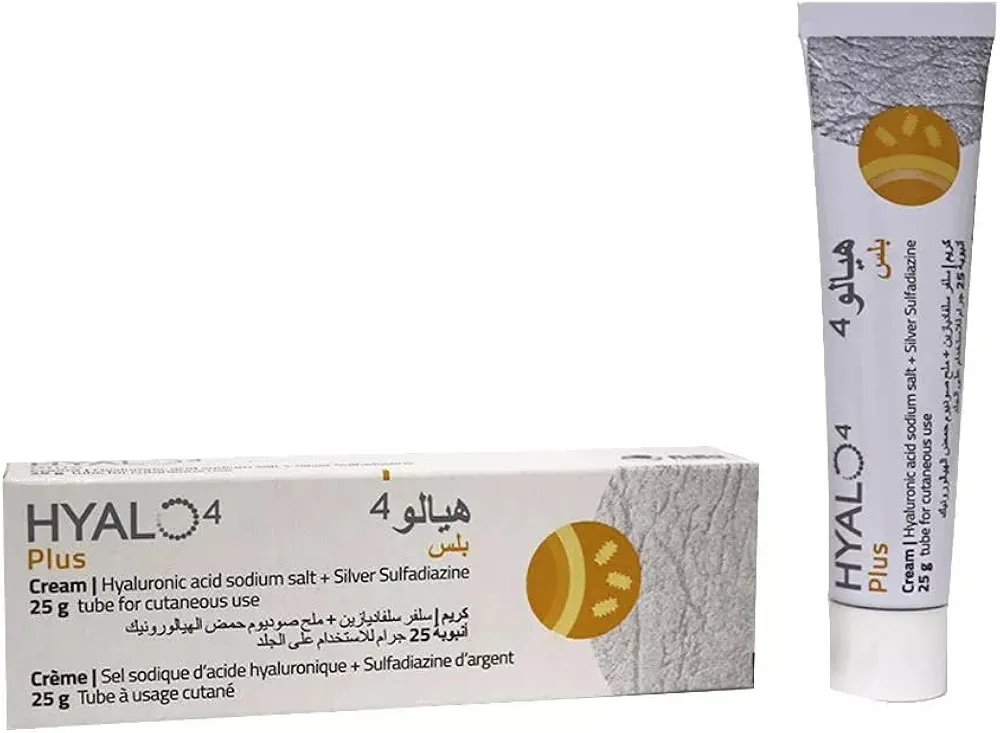
In the clinical management of Pruritus Ani, therapeutic intervention is often directed toward addressing secondary excoriations and potential bacterial colonization resulting from chronic scratching. When clinical examination reveals signs of superficial bacterial infection or compromised skin integrity, the application of Fusidic Acid Ointment / مرهم حمض الفوسيديك 2% is indicated to provide targeted antimicrobial coverage. Furthermore, to support the restoration of the perianal epidermal barrier and facilitate tissue repair in areas of inflammation or ulceration, Hyalo4 plus cream / هيالو 4 بلس كريم 0.2% / 1% is frequently integrated into the treatment regimen to promote healing and mitigate further irritation.