Clinical Assessment & Protocol
Typical Presentation (HPI)
EN: Fatigue, gingival swelling, perifollicular petechiae, and arthralgia in a patient with restricted dietary intake. AR: إرهاق، تورم اللثة، بقع دموية حول البصيلات، وألم مفصلي لدى مريض لديه نظام غذائي مقيد.
General Examination
EN: Corkscrew hairs, perifollicular hemorrhage, and swollen, bleeding gums. AR: شعر ملتوي كولبي، نزيف حول البصيلات، ولثة متورمة نازفة.
Treatment Protocol
EN: Oral or parenteral Vitamin C supplementation. AR: مكملات فيتامين سي عن طريق الفم أو الحقن.
Patient Education
EN: Dietary counseling to ensure adequate intake of fruits and vegetables rich in ascorbic acid. AR: استشارة غذائية لضمان تناول كميات كافية من الفواكه والخضروات الغنية بحمض الأسكوربيك.
Systemic & Specialized Examinations
EN: S1, S2 present. No murmurs. AR: صوتا القلب الأول والثاني طبيعيان. لا توجد نفخات.
EN: Lungs clear to auscultation. AR: الرئتان صافيتان عند التسمع.
EN: Abdomen soft, non-tender. AR: البطن لين ولا يوجد ألم.
EN: Alert, oriented x3. No focal deficits. AR: المريض واعي ومدرك. لا يوجد عجز عصبي بؤري.
EN: Unremarkable or not routinely indicated. AR: طبيعي أو غير مطلوب روتينياً.
EN: Unremarkable or not routinely indicated. AR: طبيعي أو غير مطلوب روتينياً.
EN: Unremarkable or not routinely indicated. AR: طبيعي أو غير مطلوب روتينياً.
EN: Unremarkable or not routinely indicated. AR: طبيعي أو غير مطلوب روتينياً.
EN: Unremarkable or not routinely indicated. AR: طبيعي أو غير مطلوب روتينياً.
1. Comprehensive Introduction & Overview
Scurvy, clinically classified as hypovitaminosis C, is a nutritional deficiency disorder resulting from the prolonged absence of ascorbic acid (Vitamin C) in the human diet. While historically associated with maritime exploration and long-haul naval voyages, scurvy persists in modern clinical practice, often emerging in populations with restrictive dietary habits, malabsorption syndromes, or severe socioeconomic instability.
Vitamin C is an essential micronutrient that the human body cannot synthesize endogenously due to a mutation in the L-gulonolactone oxidase (GULO) gene. Consequently, humans are entirely dependent on exogenous dietary intake. When intake falls below the physiological threshold—typically defined as a plasma concentration of less than 11 µmol/L—collagen synthesis is disrupted, leading to the systemic breakdown of connective tissue. This guide provides a clinical deep-dive into the pathophysiology, diagnostic criteria, and management protocols for scurvy in the 21st century.
2. Deep-Dive: Pathophysiology and Technical Mechanisms
The clinical manifestations of scurvy are direct consequences of the role of ascorbic acid as a vital cofactor for two specific enzymes: prolyl hydroxylase and lysyl hydroxylase.
The Collagen Synthesis Pathway
Collagen, the most abundant protein in the human body, requires the hydroxylation of proline and lysine residues to form a stable, triple-helical structure.
* Prolyl Hydroxylase: Facilitates the conversion of proline to hydroxyproline. Without this, the collagen molecule fails to form the cross-links necessary for structural integrity.
* Lysyl Hydroxylase: Facilitates the conversion of lysine to hydroxylysine, essential for the stability of the collagen matrix.
Cellular Consequences of Deficiency
When these enzymes lack their required cofactor (ascorbic acid), the resulting collagen is structurally weak and unstable. This leads to:
* Vascular Fragility: Reduced collagen in the basement membrane of capillaries leads to petechiae, ecchymosis, and spontaneous hemorrhage.
* Periodontal Breakdown: The periodontal ligament, which relies heavily on high-turnover collagen, deteriorates, leading to tooth mobility and gingival hemorrhage.
* Impaired Wound Healing: Fibroblasts are unable to deposit a functional extracellular matrix, preventing the closure of surgical or traumatic wounds.
| Mechanism | Clinical Outcome |
|---|---|
| Defective Procollagen Hydroxylation | Weakened basement membranes; capillary leakage |
| Impaired Osteoid Formation | Failure of bone matrix maturation; subperiosteal hemorrhage |
| Reduced Carnitine Synthesis | Fatigue, muscle weakness, and lethargy |
| Impaired Tyrosine Metabolism | Secondary metabolic shifts |
3. Clinical Staging and Presentation
Scurvy typically progresses through three distinct clinical stages. Early detection is vital, as the condition is entirely reversible with appropriate therapeutic intervention.
Stage I: Prodromal/Early Phase (1–3 Months of Deficiency)
- Systemic: Malaise, generalized lethargy, and anorexia.
- Musculoskeletal: Arthralgia and myalgia (often localized to the lower extremities).
- Dermatological: Follicular hyperkeratosis (often with "corkscrew" hairs).
Stage II: Manifest Scurvy (3–6 Months of Deficiency)
- Gingival: Gingival swelling, bleeding, and ulceration. Secondary infection is common.
- Dermatological: Extensive perifollicular petechiae and ecchymosis.
- Hematological: Anemia, often multifactorial (iron deficiency, folate deficiency, and direct bone marrow suppression).
Stage III: Advanced/Terminal Scurvy (>6 Months)
- Hemorrhagic: Subperiosteal hemorrhage (highly painful), hemarthrosis, and deep muscle hematomas.
- Ocular: Sjögren-like symptoms or conjunctival hemorrhage.
- Neuro-Psychiatric: Edema, neuropathy, and potentially fatal cardiac tamponade or sudden death due to intracranial hemorrhage.
4. Diagnostic Evaluation and Differential Diagnosis
Key Diagnostic Tests
Diagnosis is primarily clinical, supported by laboratory findings:
1. Serum Ascorbic Acid Levels: The gold standard. Levels <11 µmol/L are indicative of deficiency.
2. Leukocyte Ascorbic Acid Levels: A more accurate reflection of total body stores, though less commonly available in clinical settings.
3. Complete Blood Count (CBC): Often reveals normocytic or macrocytic anemia.
4. Radiology (X-Ray): In pediatric cases (Barlow’s disease), findings include the "Wimberger’s sign" (calcified ring around the epiphysis) and "Pelkan spurs."
Differential Diagnosis
The clinical presentation of scurvy can mimic several other pathologies, requiring high diagnostic suspicion:
* Vasculitis: (e.g., Henoch-Schönlein purpura) due to petechial rash.
* Coagulopathies: Due to widespread ecchymosis.
* Gingivitis/Periodontitis: Due to poor oral hygiene.
* Arthritis: Due to joint pain and swelling.
* Malignancy: Leukemia or lymphoma, which may present with similar systemic fatigue and bleeding patterns.
5. Risks, Side Effects, and Contraindications
Therapeutic Risks
The administration of high-dose Vitamin C is generally safe due to its water-soluble nature. However, certain risks exist:
* Oxalate Nephropathy: High doses of Vitamin C are metabolized into oxalate. In patients with pre-existing renal impairment, this can lead to calcium oxalate kidney stones.
* Hemolysis: In patients with Glucose-6-Phosphate Dehydrogenase (G6PD) deficiency, high-dose ascorbic acid can theoretically trigger hemolytic anemia.
* Interference with Lab Tests: High Vitamin C levels can cause false-negative results in stool occult blood tests and false-positive or false-negative results in glucose monitoring strips.
Contraindications
There are no absolute contraindications to Vitamin C supplementation for the treatment of scurvy, but caution is advised in patients with:
* Iron overload syndromes (e.g., Hemochromatosis), as Vitamin C enhances iron absorption.
* History of recurrent calcium oxalate nephrolithiasis.
6. Comprehensive FAQ Section
1. What is the recommended daily allowance (RDA) for Vitamin C?
For adult men, the RDA is 90 mg/day; for women, it is 75 mg/day. Smokers require an additional 35 mg/day to combat increased oxidative stress.
2. Can scurvy be fatal?
Yes. If left untreated, the systemic breakdown of collagen can lead to fatal hemorrhage, cardiac failure, or secondary infections.
3. Why do "corkscrew hairs" occur in scurvy?
The deficiency prevents the hair follicle from producing stable keratin and collagen, causing the hair to become brittle and coil as it emerges through the follicular orifice.
4. How quickly do symptoms resolve with treatment?
Most patients report a significant improvement in fatigue and pain within 24–48 hours. Gingival bleeding typically ceases within a week, and petechiae resolve within two weeks.
5. Is oral Vitamin C as effective as intravenous?
For most patients, high-dose oral supplementation (e.g., 500 mg to 1,000 mg daily) is sufficient and highly effective. Intravenous administration is reserved for patients with severe malabsorption (e.g., Crohn’s disease).
6. Does cooking food destroy Vitamin C?
Yes. Vitamin C is highly heat-labile and water-soluble. Boiling vegetables significantly reduces their Vitamin C content; steaming or eating raw is preferred.
7. Can scurvy occur in children?
Yes, it is often referred to as Moeller-Barlow disease. It is usually seen in children with highly restrictive diets, such as those with severe autism or sensory processing disorders.
8. Is there a link between scurvy and depression?
Scurvy often presents with profound lethargy, irritability, and depression. It is essential to screen for scurvy in psychiatric patients with poor nutritional intake.
9. Why do I see petechiae in scurvy?
The capillary walls lose their structural integrity. Even minor physical trauma or hydrostatic pressure causes these weakened vessels to rupture, leading to pinpoint hemorrhages under the skin.
10. Do I need to worry about Vitamin C toxicity?
Toxicity is rare because the body excretes excess Vitamin C through the kidneys. However, chronic ingestion exceeding 2,000 mg/day is associated with gastrointestinal distress and increased risk of kidney stones.
7. Prognosis and Long-Term Management
The prognosis for scurvy is excellent, provided the diagnosis is made before the onset of irreversible systemic organ failure. Treatment involves a therapeutic dose of Vitamin C (typically 500–1000 mg daily for one week, followed by 100–200 mg daily for several weeks) combined with a balanced diet rich in citrus fruits, bell peppers, strawberries, and broccoli.
Long-term management focuses on addressing the root cause of the dietary restriction. In cases of poverty or food insecurity, social work intervention is mandatory. In cases of malabsorption, management of the underlying gastrointestinal pathology is required. Once Vitamin C stores are replenished, there are typically no long-term sequelae, and patients return to full baseline health within 4–6 weeks.
Clinical Disclaimer: This guide is intended for educational and professional clinical reference purposes only. It does not replace the judgment of a licensed medical practitioner. If you suspect a patient is suffering from scurvy, clinical evaluation and serum testing must be prioritized.
Related Clinical Integration
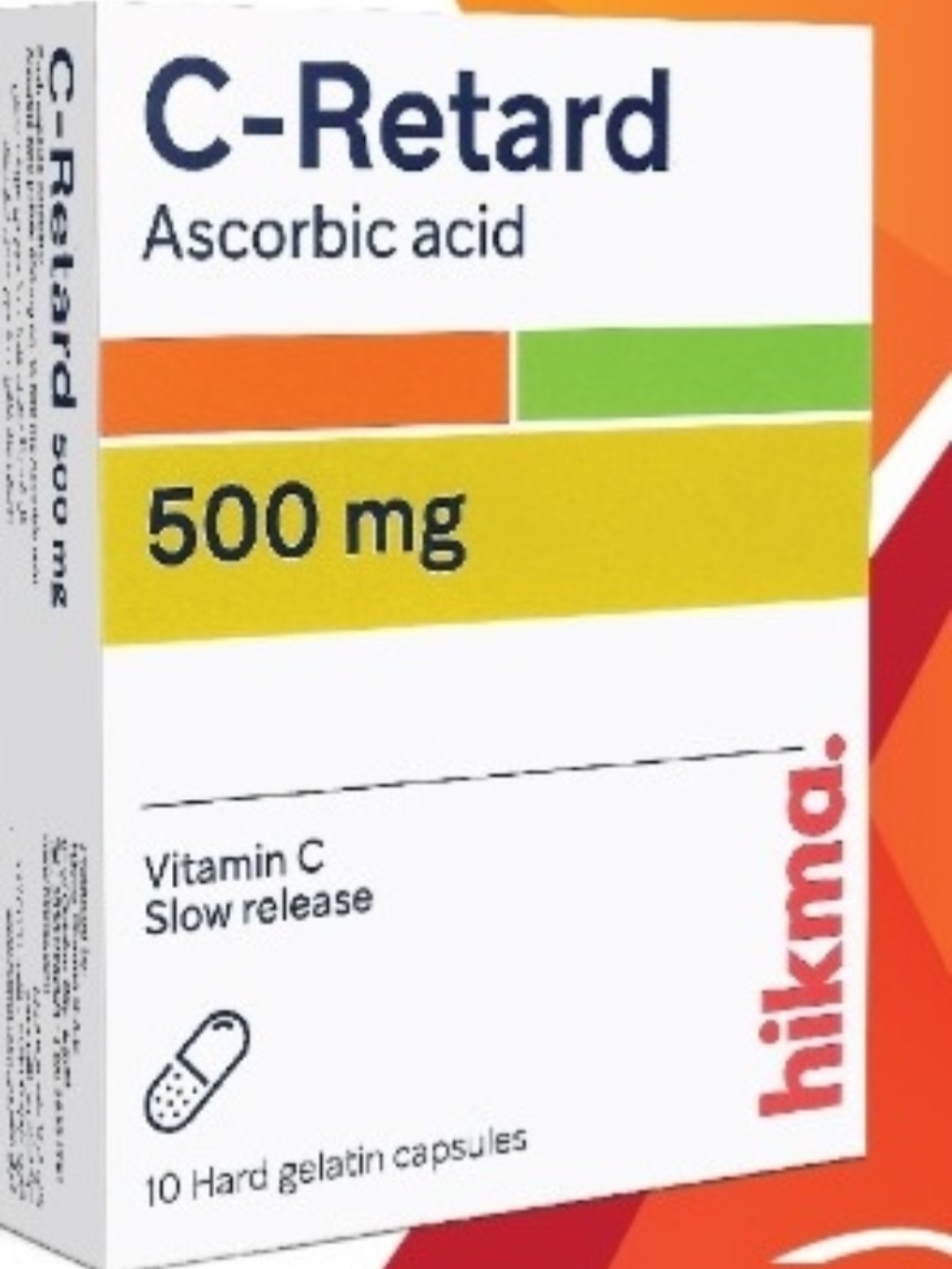
In the modern clinical management of scurvy, therapeutic intervention centers on the rapid restoration of ascorbic acid levels to reverse collagen synthesis impairment and systemic connective tissue degradation. As the primary pharmacological approach, clinicians should initiate supplementation with C-Retard / سي-ريتارد 500mg to ensure sustained plasma concentration and effective resolution of clinical manifestations. Integrating C-Retard / سي-ريتارد 500mg into the patient’s electronic health record facilitates standardized dosing protocols and ensures seamless continuity of care across inpatient and outpatient settings, which is essential for patients requiring long-term nutritional rehabilitation.