Clinical Assessment & Protocol
Typical Presentation (HPI)
EN: Gingival bleeding, perifollicular petechiae, and corkscrew hairs. AR: نزيف لثوي، حبرات حول الجريبات، وشعر لولبي.
General Examination
EN: Unremarkable or not routinely indicated. AR: طبيعي أو غير مطلوب روتينياً.
Treatment Protocol
EN: AR:
Patient Education
EN: AR:
Systemic & Specialized Examinations
EN: S1, S2 present. No murmurs. AR: صوتا القلب الأول والثاني طبيعيان. لا توجد نفخات.
EN: Lungs clear to auscultation. AR: الرئتان صافيتان عند التسمع.
EN: AR:
EN: Alert, oriented x3. No focal deficits. AR: المريض واعي ومدرك. لا يوجد عجز عصبي بؤري.
EN: Unremarkable or not routinely indicated. AR: طبيعي أو غير مطلوب روتينياً.
EN: Unremarkable or not routinely indicated. AR: طبيعي أو غير مطلوب روتينياً.
EN: Unremarkable or not routinely indicated. AR: طبيعي أو غير مطلوب روتينياً.
EN: Unremarkable or not routinely indicated. AR: طبيعي أو غير مطلوب روتينياً.
EN: Unremarkable or not routinely indicated. AR: طبيعي أو غير مطلوب روتينياً.
Comprehensive Clinical Guide: Scurvy (Vitamin C Deficiency)
Scurvy, historically associated with maritime exploration and long voyages, remains a clinically relevant diagnosis in modern medicine. While often considered a relic of the past, it persists in populations with restricted diets, malabsorption syndromes, and specific socioeconomic vulnerabilities. As an orthopedic and clinical specialist, understanding the systemic impact of ascorbic acid deficiency is critical, as the musculoskeletal manifestations are often the primary reason a patient presents to a clinic.
1. Introduction and Overview
Scurvy is a systemic disease resulting from a profound deficiency of Vitamin C (ascorbic acid). Humans are among the few mammals unable to synthesize Vitamin C endogenously due to the lack of the enzyme L-gulonolactone oxidase. Consequently, the body relies entirely on dietary intake.
Vitamin C serves as an essential cofactor for the post-translational hydroxylation of proline and lysine residues in procollagen. Without adequate levels, the triple-helical structure of collagen becomes unstable, leading to widespread connective tissue degradation. Clinically, this manifests as capillary fragility, gingival disease, impaired wound healing, and significant musculoskeletal pathology.
2. Pathophysiology: The Mechanism of Failure
The pathophysiology of scurvy is rooted in the failure of collagen synthesis. Collagen is the most abundant protein in the human body, providing the structural scaffold for skin, blood vessels, bone, cartilage, and tendons.
The Biochemical Cascade
- Hydroxylation Failure: Vitamin C acts as a reducing agent for the enzymes prolyl hydroxylase and lysyl hydroxylase. These enzymes require Fe2+ (ferrous iron) to remain active. Vitamin C maintains the iron in its reduced state.
- Structural Instability: If procollagen chains are not hydroxylated, they cannot form the stable, cross-linked triple helix required for mature collagen fibers.
- Connective Tissue Breakdown: Pre-existing collagen undergoes normal turnover. If synthesis is halted, the structural integrity of the extracellular matrix collapses, leading to the hallmark symptoms of scurvy.
Impact on Specific Systems
- Vascular: Basement membranes of capillaries rely on collagen. Deficiency leads to extravasation of blood (petechiae, ecchymosis, and perifollicular hemorrhage).
- Musculoskeletal: Periosteal collagen is compromised, leading to subperiosteal hematomas, joint effusions, and bone pain.
- Gingival: Periodontal ligaments are highly sensitive to collagen turnover; therefore, gingival swelling and tooth loss are early indicators.
3. Clinical Staging and Presentation
Scurvy progresses through predictable stages, often categorized by the duration of deficiency and the severity of symptoms.
Clinical Staging Table
| Stage | Duration of Deficiency | Primary Clinical Features |
|---|---|---|
| Stage 1 (Early) | 1–3 Months | Fatigue, malaise, anorexia, irritability. |
| Stage 2 (Progressive) | 3–4 Months | Perifollicular hyperkeratosis, petechiae, corkscrew hairs. |
| Stage 3 (Advanced) | 4+ Months | Gingival swelling/bleeding, arthralgia, edema, anemia. |
| Stage 4 (Terminal) | Chronic/Severe | Hemarthrosis, secondary infections, jaundice, cardiac failure, death. |
Classic Presentation
- Dermatologic: The "Corkscrew Hair" is pathognomonic. Follicular hyperkeratosis (gooseflesh) appears, surrounded by perifollicular hemorrhage.
- Gingival: Swollen, purple, spongy, and friable gums. Teeth may become loose due to the breakdown of the periodontal ligament.
- Musculoskeletal: Deep bone pain, particularly in the lower extremities. Subperiosteal hemorrhages are highly painful and can mimic fractures or osteomyelitis in pediatric populations.
4. Differential Diagnosis
Because scurvy is a "great imitator," it is frequently misdiagnosed. A comprehensive clinical approach is required to rule out the following:
- Vasculitis/Leukocytoclastic Vasculitis: Presents with purpura but usually involves systemic inflammatory markers (ESR/CRP) which are typically normal in scurvy.
- Coagulopathies: Vitamin K deficiency or platelet disorders (ITP) may cause bleeding, but lack the characteristic perifollicular distribution.
- Rheumatoid Arthritis: Joint pain and swelling may lead to a misdiagnosis of inflammatory joint disease.
- Child Abuse (Non-Accidental Trauma): In pediatrics, subperiosteal hematomas and bruising can be mistaken for physical abuse.
- Malnutrition/Other Deficiencies: Beriberi (Thiamine) or Pellagra (Niacin) often coexist with scurvy in malnourished patients.
5. Diagnostic Testing
Diagnosis is primarily clinical, supported by dietary history and laboratory confirmation.
Diagnostic Workup
- Serum Ascorbic Acid: The gold standard. Levels <0.2 mg/dL confirm deficiency. Levels between 0.2 and 0.4 mg/dL are considered marginal.
- Leukocyte Ascorbic Acid: Represents body stores more accurately than serum levels but is rarely available in standard clinical settings.
- Radiographic Imaging (Orthopedic Focus):
- Wimberger’s Sign: A calcified ring around the epiphysis.
- Pelkan’s Spur: Marginal spurs at the metaphysis.
- Fraenkel’s Line: A dense zone of provisional calcification.
- Hematology: Normocytic or macrocytic anemia is common, often secondary to iron malabsorption or concurrent folate deficiency.
6. Risks, Contraindications, and Management
Management
Treatment is straightforward: Vitamin C supplementation.
* Typical Dose: 500–1000 mg daily for 1–2 weeks, followed by 100–200 mg daily until symptoms resolve.
* Recovery Timeline:
* 24–48 hours: Improvement in fatigue.
* 1–2 weeks: Resolution of bleeding and pain.
* 1 month: Resolution of dermatologic signs.
Risks and Contraindications
- Iron Overload: In patients with hemochromatosis, high-dose Vitamin C can increase iron absorption and potentially cause organ toxicity.
- Oxalate Nephrolithiasis: High doses of Vitamin C are metabolized to oxalate. In patients with a history of renal calculi, caution is advised.
- G6PD Deficiency: Extremely high doses have been theoretically linked to hemolysis in patients with G6PD deficiency, though this is rare.
7. Frequently Asked Questions (FAQ)
1. Is scurvy still a real disease in the 21st century?
Yes. While rare, it is observed in patients with "tea and toast" diets, those with alcoholism, individuals with restricted diets (e.g., autism, extreme food allergies), and patients with malabsorption syndromes like Crohn’s disease.
2. How quickly can a person develop scurvy?
If an individual consumes zero Vitamin C, clinical symptoms typically manifest within 3 months, as the total body pool of Vitamin C is depleted.
3. Does Vitamin C supplementation help with fracture healing?
In healthy individuals, there is no evidence that extra Vitamin C accelerates healing. However, in patients with established deficiency, correcting the deficiency is mandatory for proper collagen synthesis and bone repair.
4. Can excessive Vitamin C cause scurvy?
No. Scurvy is a deficiency state. However, excessive intake can lead to gastrointestinal distress and kidney stones.
5. Why do teeth fall out in scurvy?
The periodontal ligament is composed of collagen. When collagen synthesis fails, the attachment between the tooth root and the alveolar bone weakens, leading to tooth mobility and eventual loss.
6. Is petechiae the only skin sign?
No. While petechiae are common, patients also present with perifollicular hyperkeratosis and "corkscrew hairs" where the hair shaft becomes brittle and coiled due to structural protein defects.
7. What is the role of the orthopedic surgeon in diagnosing scurvy?
Orthopedic surgeons are often the first to see these patients due to debilitating leg pain and joint swelling. Recognizing the extra-articular signs (like gingival bleeding) is key to avoiding unnecessary surgery.
8. Can scurvy cause internal bleeding?
Yes. In advanced stages, hemorrhage can occur in the retroperitoneum, gastrointestinal tract, or even the brain, which can be fatal.
9. Are there specific populations at higher risk?
Yes: the elderly, the homeless, patients with eating disorders, those undergoing dialysis, and patients with chronic malabsorption.
10. Does cooking food destroy Vitamin C?
Yes. Ascorbic acid is highly thermolabile. Boiling or overcooking vegetables significantly reduces their Vitamin C content, which is why fresh, raw fruits and vegetables are the best sources.
8. Conclusion and Prognosis
The prognosis for scurvy is excellent provided the diagnosis is made before permanent organ damage or severe systemic failure occurs. Once supplementation begins, the reversal of symptoms is rapid and dramatic.
From an orthopedic and clinical perspective, scurvy serves as a reminder that systemic nutritional status dictates the health of the musculoskeletal system. Practitioners should maintain a high index of suspicion in patients with unexplained musculoskeletal pain, particularly when coupled with poor dietary history or skin changes. Early identification prevents the morbidity associated with this entirely preventable condition.
Disclaimer: This guide is for educational purposes for healthcare professionals and students. It does not constitute medical advice, diagnosis, or treatment. Always consult clinical protocols and current medical literature for patient care.
Related Clinical Integration
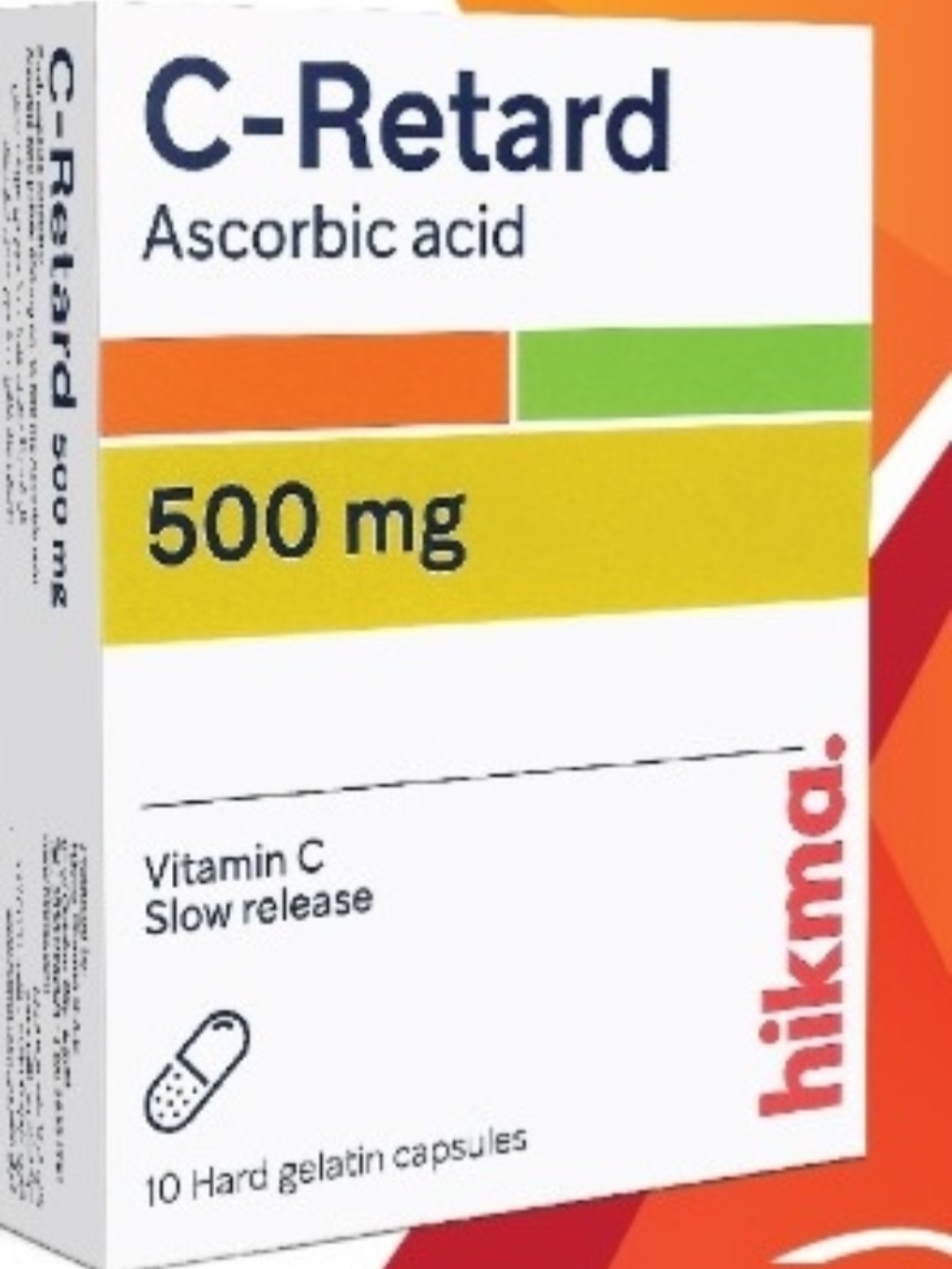
In a modern clinical setting, the management of Scurvy requires a dual approach focusing on immediate therapeutic intervention and long-term nutritional optimization to support systemic recovery. Patients diagnosed with acute deficiency should be stabilized through targeted supplementation, such as C-Retard / سي-ريتارد 500mg, which ensures consistent bioavailability of ascorbic acid to restore collagen synthesis and vascular integrity. Beyond acute treatment, clinicians must emphasize the broader impact of micronutrient status on musculoskeletal stability, as detailed in our Boost Bone & Joint Health: Your Guide to Nutrition in Orthopedic Health resource; this integration ensures that patients transition from deficiency correction to a sustainable, nutrition-focused recovery plan that protects long-term orthopedic health.