Clinical Assessment & Protocol
Typical Presentation (HPI)
EN: A 50-year-old female complains of chronic dry eyes and dry mouth. AR: أنثى تبلغ من العمر 50 عاماً تشتكي من جفاف مزمن في العينين والفم.
General Examination
EN: Reduced tear production (Schirmer's test), dry oral mucosa, enlarged parotid glands. AR: انخفاض إنتاج الدمع (اختبار شيرمر)، جفاف الغشاء المخاطي للفم، تضخم الغدد النكفية.
Treatment Protocol
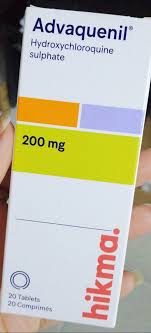
EN: Artificial tears, pilocarpine, and hydroxychloroquine. AR: دموع اصطناعية، بيلوكاربين، وهيدروكسي كلوروكين.
Patient Education
EN: Frequent dental check-ups and hydration. AR: فحوصات الأسنان المتكررة والترطيب المستمر.
Systemic & Specialized Examinations
EN: S1, S2 present. No murmurs. AR: صوتا القلب الأول والثاني طبيعيان. لا توجد نفخات.
EN: Lungs clear to auscultation. AR: الرئتان صافيتان عند التسمع.
EN: Abdomen soft, non-tender. AR: البطن لين ولا يوجد ألم.
EN: Alert, oriented x3. No focal deficits. AR: المريض واعي ومدرك. لا يوجد عجز عصبي بؤري.
EN: Unremarkable or not routinely indicated. AR: طبيعي أو غير مطلوب روتينياً.
EN: Unremarkable or not routinely indicated. AR: طبيعي أو غير مطلوب روتينياً.
EN: Unremarkable or not routinely indicated. AR: طبيعي أو غير مطلوب روتينياً.
EN: Unremarkable or not routinely indicated. AR: طبيعي أو غير مطلوب روتينياً.
EN: Unremarkable or not routinely indicated. AR: طبيعي أو غير مطلوب روتينياً.
Clinical Guide: Primary Sjögren’s Syndrome (pSS)
1. Comprehensive Introduction & Overview
Primary Sjögren’s Syndrome (pSS) is a chronic, systemic, autoimmune inflammatory disease characterized primarily by lymphocytic infiltration of the exocrine glands, most notably the lacrimal and salivary glands. Unlike Secondary Sjögren’s, which occurs in the context of another established connective tissue disease (such as Rheumatoid Arthritis or Systemic Lupus Erythematosus), Primary Sjögren’s exists as a distinct clinical entity.
The hallmark clinical presentation involves keratoconjunctivitis sicca (dry eyes) and xerostomia (dry mouth); however, pSS is a systemic disorder that can involve the skin, lungs, gastrointestinal tract, kidneys, and peripheral/central nervous system. It primarily affects women in the 4th to 6th decades of life, with a female-to-male ratio ranging from 9:1 to 20:1.
2. Deep-Dive: Etiology and Pathophysiology
The pathophysiology of pSS is multifactorial, involving a complex interplay between genetic predisposition, environmental triggers, and hormonal influences.
The Mechanism of Glandular Destruction
- Genetic Susceptibility: Genome-wide association studies (GWAS) have identified strong associations with the Human Leukocyte Antigen (HLA) region, particularly HLA-DRB1 and HLA-DQA1.
- Environmental Triggers: Viral infections (e.g., Epstein-Barr virus, Hepatitis C, or Coxsackievirus) are hypothesized to initiate molecular mimicry, triggering an aberrant immune response.
- The Role of Interferons: Type I interferons (IFN-α) are central to the pathogenesis. Chronic activation of the interferon pathway leads to the upregulation of B-cell activating factor (BAFF), which promotes B-cell survival, maturation, and autoantibody production.
- Lymphocytic Infiltration: The formation of ectopic germinal centers within the salivary glands (focal lymphocytic sialadenitis) leads to acinar cell apoptosis and progressive glandular atrophy.
Immunological Markers
- Ro/SSA and La/SSB Antibodies: These are the diagnostic cornerstones. Ro52 and Ro60 are ribonucleoproteins that, when targeted by autoantibodies, signal profound systemic involvement.
- Hypergammaglobulinemia: Often present due to polyclonal B-cell activation.
3. Clinical Indications & Standard Presentation
Clinicians must maintain a high index of suspicion for patients presenting with non-specific fatigue and mucosal dryness.
Clinical Presentation Table
| Symptom Category | Clinical Manifestation |
|---|---|
| Ocular | Gritty/sandy sensation, photophobia, blurred vision. |
| Oral | Difficulty swallowing dry food, persistent thirst, dental caries. |
| Systemic | Fatigue, arthralgia, myalgia, low-grade fever. |
| Extraglandular | Purpura (vasculitis), Raynaud’s phenomenon, interstitial lung disease. |
Staging and Grading (The ESSDAI)
The EULAR Sjögren’s Syndrome Disease Activity Index (ESSDAI) is the gold standard for clinical assessment. It categorizes activity into 12 domains:
* Constitutional: Fever, weight loss.
* Lymphadenopathy: Size and activity of nodes.
* Glandular: Parotid swelling.
* Articular: Inflammatory arthritis.
* Cutaneous: Vasculitic lesions.
* Pulmonary: ILD or airway disease.
* Renal: Tubular acidosis or glomerulonephritis.
* Muscular: Myositis.
* Peripheral/Central Nervous System: Neuropathy or vasculitis.
* Hematological: Cytopenias.
* Biological: Cryoglobulinemia or C4 levels.
4. Differential Diagnosis
Distinguishing pSS from other mimics is critical for avoiding unnecessary immunosuppression.
- Sjogren’s Mimics:
- Medication-induced xerostomia: Anticholinergics, antidepressants, and antihypertensives.
- IgG4-related disease: Often presents with more pronounced glandular swelling and fibrosis.
- Sarcoidosis: Bilateral parotid enlargement and systemic granulomas.
- Hepatitis C: Can mirror the clinical features of pSS (cryoglobulinemia is common).
- Radiation-induced damage: History of head/neck radiotherapy.
5. Key Diagnostic Tests
The ACR-EULAR 2016 classification criteria are currently the most widely utilized framework for clinical diagnosis.
Diagnostic Criteria (ACR-EULAR)
A score of ≥4 is required for a diagnosis:
1. Labial Salivary Gland Biopsy: Focus score ≥1 (positive).
2. Anti-SSA (Ro) positivity: (3 points).
3. Ocular Staining Score (OSS): ≥5 (1 point).
4. Schirmer’s Test: ≤5 mm/5 min (1 point).
5. Unstimulated Whole Salivary Flow Rate: ≤0.1 mL/min (1 point).
Laboratory Workup
- CBC: To check for cytopenias.
- Inflammatory Markers: ESR (often elevated), CRP (often normal).
- Immunology: ANA (titer >1:320), RF (often positive), Anti-SSA/Ro, Anti-SSB/La.
- Serum Protein Electrophoresis: To screen for monoclonal gammopathy (a risk factor for lymphoma).
6. Risks, Side Effects, and Long-Term Prognosis
Long-Term Complications
- B-cell Lymphoma: Patients with pSS have a 15- to 44-fold increased risk of developing B-cell non-Hodgkin lymphoma (typically MALT lymphoma of the parotid).
- Interstitial Lung Disease (ILD): Causes progressive dyspnea and requires HRCT monitoring.
- Renal Tubular Acidosis (RTA): Can lead to hypokalemic paralysis and nephrocalcinosis.
Management Philosophy
Treatment is symptomatic and targeted at systemic complications.
* Sicca Symptoms: Artificial tears (preservative-free), secretagogues (pilocarpine, cevimeline), and oral hygiene optimization.
* Systemic Disease: Hydroxychloroquine (for arthralgia/fatigue), corticosteroids (for flares), and immunosuppressants (rituximab or cyclophosphamide) for severe organ-threatening involvement.
7. FAQ Section: Frequently Asked Questions
1. Is Sjögren’s Syndrome hereditary?
While it is not strictly "inherited" in a Mendelian fashion, there is a genetic predisposition. Having a first-degree relative with an autoimmune disease increases the risk.
2. Can Sjögren’s cause dental decay?
Yes, absolutely. Saliva is essential for neutralizing acids. A lack of saliva leads to "rampant caries," particularly at the gum line.
3. Why do I feel so tired?
Fatigue is the most common and debilitating symptom. It is likely driven by the systemic inflammatory cytokines produced by the immune system.
4. What is the difference between Primary and Secondary Sjögren’s?
Primary exists alone. Secondary Sjögren’s occurs alongside another disease like Rheumatoid Arthritis.
5. Will I get lymphoma?
While the risk is higher than the general population, it remains a rare complication. Regular monitoring of lymph nodes and blood work is essential.
6. Does the diet affect symptoms?
Some patients find that reducing inflammatory foods (sugar, processed items) helps, though there is no "Sjögren’s diet" proven to reverse the disease.
7. Are there specific medications I should avoid?
Avoid medications that worsen dryness, such as certain antihistamines, unless strictly necessary.
8. Can I have normal blood work and still have Sjögren’s?
Yes. Approximately 30-40% of patients are Anti-SSA/SSB negative. A biopsy is often the definitive diagnostic tool in these "seronegative" cases.
9. Is the disease fatal?
Primary Sjögren’s is rarely fatal. However, severe systemic involvement or the development of lymphoma requires aggressive, life-extending treatment.
10. How often should I see my rheumatologist?
Stable patients are typically seen every 6–12 months. Patients with active extraglandular disease require much more frequent monitoring.
8. Conclusion for Clinical Practice
Primary Sjögren’s Syndrome is a sophisticated systemic autoimmune disease that requires a multidisciplinary approach. The specialist must balance symptomatic relief of sicca symptoms with the vigilant monitoring of systemic organ involvement. Early identification of extraglandular manifestations—specifically vasculitis, peripheral neuropathy, and signs of lymphoproliferative disorders—is the hallmark of effective clinical management. By utilizing the EULAR classification criteria and maintaining a low threshold for biopsy in ambiguous cases, clinicians can significantly improve the quality of life and long-term outcomes for their patients.
Disclaimer: This guide is for educational purposes for healthcare professionals and clinical specialists. It does not replace institutional protocols or individual clinical judgment. Always consult current ACR/EULAR guidelines for the latest updates in pharmacological management.