Clinical Assessment & Protocol
Typical Presentation (HPI)
EN: Intolerable dry mouth and eyes, often co-existing with rheumatoid arthritis. AR: جفاف لا يطاق في الفم والعينين، غالباً ما يتزامن مع التهاب المفاصل الروماتويدي.
General Examination
EN: Reduced tear film breakup time and salivary gland enlargement. AR: انخفاض زمن تمزق غشاء الدمع وتضخم الغدد اللعابية.
Treatment Protocol
EN: Artificial tears, pilocarpine, and immunosuppressants. AR: الدموع الاصطناعية، بيلوكاربين، ومثبطات المناعة.
Patient Education
EN: Use humidifiers and sugar-free lozenges for mouth comfort. AR: استخدم أجهزة ترطيب الهواء وحبوب المص الخالية من السكر لراحة الفم.
Systemic & Specialized Examinations
EN: S1, S2 present. No murmurs. AR: صوتا القلب الأول والثاني طبيعيان. لا توجد نفخات.
EN: Lungs clear to auscultation. AR: الرئتان صافيتان عند التسمع.
EN: Abdomen soft, non-tender. AR: البطن لين ولا يوجد ألم.
EN: Alert, oriented x3. No focal deficits. AR: المريض واعي ومدرك. لا يوجد عجز عصبي بؤري.
EN: Unremarkable or not routinely indicated. AR: طبيعي أو غير مطلوب روتينياً.
EN: Unremarkable or not routinely indicated. AR: طبيعي أو غير مطلوب روتينياً.
EN: Unremarkable or not routinely indicated. AR: طبيعي أو غير مطلوب روتينياً.
EN: Unremarkable or not routinely indicated. AR: طبيعي أو غير مطلوب روتينياً.
EN: Unremarkable or not routinely indicated. AR: طبيعي أو غير مطلوب روتينياً.
Comprehensive Clinical Guide: Secondary Sjögren’s Syndrome
1. Introduction and Clinical Overview
Secondary Sjögren’s Syndrome (sSS) is a chronic, systemic autoimmune disorder characterized by lymphocytic infiltration of exocrine glands, occurring in the context of a pre-existing connective tissue disease (CTD). Unlike Primary Sjögren’s Syndrome (pSS), which exists as a standalone entity, secondary Sjögren’s is defined by its co-morbidity with conditions such as Rheumatoid Arthritis (RA), Systemic Lupus Erythematosus (SLE), Systemic Sclerosis (SSc), or Polymyositis.
While the hallmark symptoms involve keratoconjunctivitis sicca (dry eyes) and xerostomia (dry mouth) due to the destruction of lacrimal and salivary glands, the condition is fundamentally a systemic inflammatory process. The clinical complexity arises from the overlap of symptoms, where glandular hypofunction may be masked by the primary disease’s systemic manifestations.
2. Etiology and Pathophysiology
The pathophysiology of sSS is a multifactorial cascade involving genetic predisposition, environmental triggers, and profound immunological dysregulation.
The Autoimmune Cascade
- Lymphocytic Infiltration: The primary mechanism involves the focal infiltration of exocrine glands by T-cells (specifically CD4+ T-helper cells) and B-cells.
- Epithelial Cell Activation: The glandular epithelial cells are not passive targets; they act as non-professional antigen-presenting cells, expressing MHC class II molecules and secreting pro-inflammatory cytokines like IL-6 and TNF-alpha.
- B-Cell Hyperactivity: A hallmark of the syndrome is the chronic stimulation of B-cells, leading to hypergammaglobulinemia and the production of autoantibodies, most notably anti-Ro (SSA) and anti-La (SSB).
- Apoptosis: Ongoing inflammation leads to the progressive destruction of the acinar cells of the salivary and lacrimal glands, resulting in secretory failure.
Association with Primary Connective Tissue Diseases
In sSS, the immune system’s breakdown is often exacerbated by the underlying primary condition. For instance, in RA-associated Sjögren’s, the systemic cytokine environment (high levels of TNF-alpha) can accelerate the degradation of glandular tissue, creating a synergistic effect between the two diseases.
3. Clinical Staging and Grading
Clinical assessment of sSS relies on quantifying glandular function and systemic burden.
| Grade/Stage | Clinical Presentation | Diagnostic Indicator |
|---|---|---|
| Stage 0 (Subclinical) | Minor glandular involvement; no subjective symptoms. | Positive serology, abnormal minor salivary gland biopsy (MSGB). |
| Stage 1 (Mild) | Occasional dry mouth/eyes; minimal impact on ADLs. | Schirmer’s test < 10mm/5min; Ocular Surface Staining (OSS) score 1-2. |
| Stage 2 (Moderate) | Daily use of artificial tears/saliva substitutes; dental caries. | Unstimulated Whole Salivary Flow (UWSF) < 0.1 mL/min. |
| Stage 3 (Severe) | Recurrent corneal ulcers, severe dental decay, systemic fatigue. | Positive focus score on biopsy (>1 focus/4mm²); systemic organ involvement. |
4. Diagnostic Criteria and Testing
The diagnosis of sSS is complex because it must distinguish between medication-induced sicca (common in RA or SLE patients) and true autoimmune glandular destruction.
Key Diagnostic Tests
- Serological Markers: Testing for Anti-Ro/SSA and Anti-La/SSB antibodies. While highly specific, they are present in only 50-70% of sSS patients.
- Ocular Testing:
- Schirmer’s Test: Measures tear production.
- Ocular Surface Staining (OSS): Uses dyes (Lissamine green or Fluorescein) to visualize corneal/conjunctival damage.
- Salivary Gland Function:
- UWSF (Unstimulated Whole Salivary Flow): A quantitative measure of oral dryness.
- Salivary Scintigraphy: Evaluates the functional uptake and excretion of the salivary glands.
- Histopathology: The gold standard is the Minor Salivary Gland Biopsy (MSGB). A "focus score" of ≥ 1 (defined as a cluster of ≥ 50 lymphocytes per 4mm² of glandular tissue) confirms the diagnosis.
Differential Diagnosis
- Drug-Induced Xerostomia: Common in patients taking anticholinergics, antidepressants, or diuretics.
- IgG4-Related Disease: Can mimic Sjögren’s but often presents with more significant glandular swelling (dacryoadenitis/sialadenitis).
- Sarcoidosis: Granulomatous infiltration of the glands.
- Hepatitis C Infection: Can cause an "Sjögren’s-like" syndrome.
5. Clinical Indications and Management
Management of sSS requires a multidisciplinary approach, focusing on symptom relief and the prevention of long-term sequelae.
Ocular Management
- Preservative-free artificial tears (hypotonic).
- Topical cyclosporine or lifitegrast (immunomodulators) to decrease ocular surface inflammation.
- Punctal plugs to prevent tear drainage.
Oral Management
- Secretagogues: Pilocarpine or cevimeline to stimulate residual salivary gland function.
- Oral Hygiene: Stringent dental care, fluoride varnish, and xylitol-based products to prevent caries.
Systemic/Primary Disease Management
- Management of the primary condition (e.g., DMARDs or biologics for RA/SLE) frequently improves the secondary sicca symptoms.
- Hydroxychloroquine is often used as a first-line agent for systemic symptoms, including arthralgia and fatigue.
6. Risks, Side Effects, and Contraindications
- Infection Risk: Patients on immunosuppressants for their primary disease are at higher risk for opportunistic infections.
- Lymphoma Risk: Patients with Sjögren’s have a significantly higher risk (up to 40-fold) of developing B-cell non-Hodgkin lymphoma, particularly MALT lymphoma. Persistent parotid swelling is a red flag.
- Contraindications: Avoid anticholinergic medications in patients with glaucoma or urinary retention, as these can exacerbate sicca symptoms.
7. Long-term Prognosis
The prognosis for sSS is generally tied to the underlying connective tissue disease. However, the long-term outlook is dominated by:
1. Quality of Life: Chronic pain, fatigue, and visual impairment significantly impact daily functioning.
2. Dental Morbidity: Severe decay and tooth loss are common without aggressive preventative care.
3. Malignancy Monitoring: Long-term surveillance for lymphoproliferative disorders is mandatory.
8. Frequently Asked Questions (FAQ)
1. What is the main difference between Primary and Secondary Sjögren’s?
Primary Sjögren’s occurs in isolation. Secondary Sjögren’s occurs in the presence of another autoimmune disease like Rheumatoid Arthritis or Lupus.
2. Is Secondary Sjögren’s hereditary?
There is a genetic component (HLA-DR3/DQ2 association), but it is not directly inherited in a Mendelian fashion.
3. Does Sjögren’s cause joint pain?
Yes, but in sSS, it is often difficult to distinguish if the joint pain is caused by the primary disease (e.g., RA) or the Sjögren’s itself.
4. Why is the risk of lymphoma so high?
Chronic, uncontrolled B-cell stimulation and lymphocytic infiltration of the glands create an environment prone to malignant transformation.
5. Can I cure Secondary Sjögren’s?
Currently, there is no cure. Management focuses on symptom control and managing the underlying primary disease.
6. Are there specific diets that help?
While no specific diet cures the disease, some patients find that avoiding inflammatory foods (sugar, processed items) reduces systemic fatigue.
7. How often should I see a dentist?
Patients with sSS should be seen every 3–4 months for professional cleaning and fluoride treatments due to the high risk of rapid dental decay.
8. Can I take over-the-counter allergy meds?
Antihistamines dry out the mucous membranes and can make Sjögren’s symptoms significantly worse; consult your rheumatologist first.
9. Is a lip biopsy painful?
It is a minor surgical procedure performed under local anesthesia. Recovery is generally quick, though some patients experience temporary numbness of the lower lip.
10. Does pregnancy affect sSS?
Yes. Women with Anti-Ro/SSA antibodies are at risk for neonatal lupus and congenital heart block in the fetus. High-risk obstetric monitoring is required.
9. Conclusion
Secondary Sjögren’s Syndrome represents a significant clinical challenge that demands a high index of suspicion from rheumatologists, ophthalmologists, and dentists alike. Because it is rarely a fatal condition, its morbidity is measured in the erosion of the patient’s quality of life. Effective management depends on early detection, careful monitoring of glandular function, and a robust treatment plan that balances the needs of the primary connective tissue disease with the specific requirements of the secondary autoimmune sicca. Ongoing research into biological therapies offers hope for more targeted interventions in the future.
Related Clinical Integration
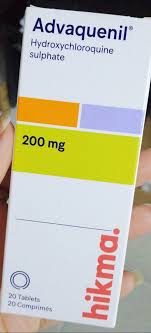
In the management of secondary Sjögren's syndrome, clinical protocols prioritize the mitigation of systemic autoimmune inflammation to preserve glandular function and reduce secondary complications. As part of our comprehensive therapeutic strategy, Advaquenil 200mg 200mg is frequently indicated as a foundational disease-modifying antirheumatic drug (DMARD) to address the underlying connective tissue disease—such as rheumatoid arthritis or systemic lupus erythematosus—that often precipitates the secondary onset of Sjögren's. By stabilizing the immune response, the administration of Advaquenil 200mg 200mg serves as a critical intervention to alleviate systemic symptoms and prevent the further progression of sicca-related manifestations within our hospital’s integrated care framework.