Clinical Assessment & Protocol
Typical Presentation (HPI)
EN: Patient presents with a history of primary Sjögren’s syndrome, now reporting progressive proximal muscle weakness, fatigue, and myalgia. Symptoms involve difficulty rising from a chair, climbing stairs, and overhead reaching. No reported dysphagia or respiratory distress. Symptoms are chronic, insidious in onset, and associated with sicca symptoms (xerostomia, xerophthalmia). AR: يراجع المريض بتاريخ مرضي معروف بمتلازمة شوغرن الأولية، ويشكو حالياً من ضعف عضلي مترقٍ في العضلات القريبة، وتعب، وألم عضلي. تشمل الأعراض صعوبة في النهوض من الكرسي، صعود الدرج، ورفع الذراعين فوق مستوى الرأس. لا توجد شكوى من عسر البلع أو ضيق التنفس. الأعراض مزمنة، بدأت بشكل تدريجي، وتترافق مع أعراض جفاف (جفاف الفم وجفاف العين).
General Examination
EN: General: Patient appears chronically ill but non-toxic. Musculoskeletal: Symmetric proximal muscle weakness (Grade 4/5) in deltoids and iliopsoas. No muscle atrophy or fasciculations noted. Reflexes are symmetric and preserved. Skin: No evidence of Gottron’s papules or heliotrope rash. HEENT: Dry oral mucosa, diminished tear film, no parotid gland enlargement. AR: الحالة العامة: المريض يبدو عليه المرض المزمن ولكن دون علامات تسمم. الجهاز العضلي الهيكلي: ضعف عضلي متناظر في العضلات القريبة (درجة 4/5) في العضلة الدالية والعضلة الحرقفية القطنية. لا يوجد ضمور عضلي أو ارتعاشات حزمية. المنعكسات متناظرة ومحفوظة. الجلد: لا توجد علامات لحطاطات غوترون أو طفح هليوتروبي. الرأس والعنق: جفاف في الغشاء المخاطي للفم، نقص في طبقة الدمع، لا يوجد تضخم في الغدد النكفية.
Treatment Protocol
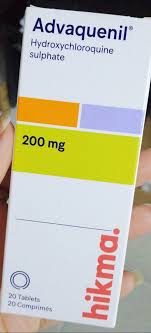
EN: Initiate immunosuppressive therapy (e.g., corticosteroids, hydroxychloroquine, or steroid-sparing agents like methotrexate/azathioprine) based on severity. Physical therapy referral for muscle strengthening and range-of-motion exercises. Continue symptomatic management for sicca symptoms (artificial tears, pilocarpine). Monitor CK levels and inflammatory markers (ESR/CRP) at follow-up. AR: البدء بالعلاج المثبط للمناعة (مثل الكورتيكوستيرويدات، هيدروكسي كلوروكوين، أو الأدوية الموفرة للستيرويد مثل ميثوتريكسات/آزاثيوبرين) بناءً على شدة الحالة. تحويل المريض للعلاج الطبيعي لتقوية العضلات وتمارين المدى الحركي. الاستمرار في العلاج العرضي لأعراض الجفاف (دموع اصطناعية، بيلوكاربين). مراقبة مستويات إنزيم الكرياتين كيناز (CK) وعلامات الالتهاب (ESR/CRP) في المراجعات القادمة.
Patient Education
EN: Sjögren’s syndrome with myopathy is an autoimmune condition where the immune system affects both moisture-producing glands and muscle tissue. Adherence to medication is critical to prevent muscle damage. Report any sudden increase in weakness, dark-colored urine, or difficulty swallowing immediately. Regular follow-ups are required to monitor muscle enzymes and treatment response. AR: متلازمة شوغرن مع اعتلال العضلات هي حالة مناعية ذاتية حيث يؤثر الجهاز المناعي على الغدد المفرزة للرطوبة والأنسجة العضلية معاً. الالتزام بالأدوية ضروري جداً لمنع تلف العضلات. يجب إبلاغ الطبيب فوراً في حال حدوث زيادة مفاجئة في الضعف، أو تغير لون البول إلى الداكن، أو صعوبة في البلع. المراجعات الدورية ضرورية لمراقبة إنزيمات العضلات والاستجابة للعلاج.
Systemic & Specialized Examinations
EN: Distal neurovascular status intact globally. AR: الحالة العصبية والوعائية الطرفية سليمة تماماً.
Orthopedic & Trauma Assessments
EN: Insidious degenerative wear and tear. No acute trauma. AR: تآكل تنكسي تدريجي. لا توجد صدمة حادة.
EN: Antalgic gait. Reduced stance phase on the affected side. Trendelenburg or varus thrust may be present. AR: مشية متألمة. قصر في مرحلة الوقوف على الجانب المصاب. قد يوجد اندفاع تقوسي أو علامة ترندلينبورغ.
EN: Moderate chronic joint effusion/thickening. Obvious malalignment in the coronal plane. Mild surrounding muscle atrophy. AR: انصباب/تسمك مفصلي مزمن. سوء محاذاة واضح. ضمور خفيف في العضلات المحيطة.
EN: Grind tests (Patellar/FABER) strongly positive. Ligament tests negative. AR: اختبارات الطحن (مثل FABER) إيجابية بقوة. اختبارات الأربطة سلبية.
EN: 4/5 strength in proximal muscles due to pain inhibition. Distal strength 5/5. AR: قوة 4/5 في العضلات القريبة بسبب تثبيط الألم. القوة الطرفية 5/5.
EN: Sensation intact to light touch in all dermatomes. AR: الإحساس سليم للمس الخفيف في جميع التوزيعات العصبية.
EN: 2+ symmetric deep tendon reflexes. AR: المنعكسات العميقة 2+ ومتماثلة.
EN: DP and PT pulses 2+ bounding. Capillary refill < 2 seconds. AR: نبضات القدم 2+ قوية. عودة امتلاء الشعيرات < ثانيتين.
Comprehensive Clinical Guide: Sjögren’s Syndrome with Myopathy
1. Introduction & Overview
Sjögren’s Syndrome (SS) is a chronic, systemic autoimmune disorder primarily characterized by lymphocytic infiltration of exocrine glands, leading to the hallmark symptoms of keratoconjunctivitis sicca (dry eyes) and xerostomia (dry mouth). While the glandular manifestations are the most recognized, Sjögren’s is increasingly understood as a multi-systemic disease with significant extra-glandular involvement.
Among these extra-glandular complications, Sjögren’s Syndrome with Myopathy (SSM) represents a clinically distinct and often underdiagnosed presentation. Myopathy in the context of SS can range from subclinical inflammatory changes to severe, debilitating muscle weakness that mimics primary idiopathic inflammatory myopathies (IIM) such as polymyositis or inclusion body myositis. Because patients often attribute muscle fatigue to systemic inflammation or fibromyalgia, the true incidence of SSM is likely underestimated in clinical practice.
2. Deep-Dive: Mechanisms and Pathophysiology
The pathophysiology of SSM is multifactorial, involving a complex interplay between humoral and cell-mediated immune responses.
Immunological Mechanisms
- T-Cell Mediated Cytotoxicity: CD8+ T-lymphocytes infiltrate the perimysium and endomysium of skeletal muscle. These cells release pro-inflammatory cytokines, including Interferon-gamma (IFN-γ) and Tumor Necrosis Factor-alpha (TNF-α), which promote muscle fiber necrosis.
- Autoantibody Interference: While anti-Ro/SSA and anti-La/SSB are hallmark antibodies, their direct role in muscle damage is debated. However, the presence of these antibodies is strongly correlated with the systemic inflammatory state that precedes myopathic onset.
- Complement Activation: Deposits of membrane attack complexes (C5b-9) are frequently observed in the sarcolemma of muscle biopsies in SSM patients, suggesting that complement-mediated microangiopathy plays a role in muscle ischemia and fiber atrophy.
Classification of Myopathy in SS
| Type | Presentation | Underlying Mechanism |
|---|---|---|
| Inflammatory Myositis | Proximal muscle weakness, high CK | T-cell mediated muscle fiber destruction |
| Non-Inflammatory/Metabolic | Fatigue, mild weakness, normal CK | Hypokalemic periodic paralysis (distal RTA) |
| Neurogenic Atrophy | Distal weakness, fasciculations | Secondary to peripheral neuropathy |
3. Clinical Indications & Standard Presentation
Clinical Presentation
The typical patient with SSM is a female (often perimenopausal) presenting with:
* Proximal Muscle Weakness: Difficulty rising from a chair, climbing stairs, or lifting objects overhead.
* Myalgia: Deep, aching pain in the thighs, shoulders, and lower back.
* Systemic Fatigue: Disproportionate to physical exertion, often resistant to rest.
* Glandular History: Pre-existing diagnosis of dry eyes/mouth, though in rare cases, myopathy may be the presenting feature of occult Sjögren’s.
Clinical Staging/Grading (Modified Bohan & Peter Criteria)
While there is no universally accepted "SSM Staging System," clinicians utilize the following severity grading to guide therapeutic intensity:
- Grade I (Subclinical): Elevated CK levels without objective weakness. Normal EMG.
- Grade II (Mild): Mild proximal weakness (MRC grade 4+). Minimal elevation of muscle enzymes.
- Grade III (Moderate): Objective proximal weakness (MRC grade 3-4). EMG evidence of myopathic potentials.
- Grade IV (Severe): Significant weakness (MRC grade <3). Dysphagia, respiratory muscle involvement, or profound muscle wasting.
4. Differential Diagnosis
Differentiating SSM from other conditions is critical to avoid unnecessary immunosuppression.
Primary Differentials:
- Idiopathic Inflammatory Myopathies (IIM): Polymyositis and Dermatomyositis. These lack the specific glandular symptoms of Sjögren's.
- Hypokalemic Periodic Paralysis: Sjögren’s patients are highly susceptible to Distal Renal Tubular Acidosis (dRTA). The resulting hypokalemia can cause profound muscle weakness that mimics inflammatory myopathy.
- Drug-Induced Myopathy: Statin-induced myopathy is common in this demographic and must be ruled out by medication review.
- Endocrine Myopathies: Hypothyroidism and Cushing’s syndrome can present with proximal weakness and fatigue.
5. Key Diagnostic Tests
A rigorous diagnostic workup is essential for confirming SSM.
Laboratory Markers
- Creatine Kinase (CK): Usually elevated in inflammatory types; normal in metabolic/neurogenic types.
- Aldolase: Often more sensitive than CK in early inflammatory myopathy.
- Autoantibody Panel: ANA, Anti-Ro (SSA), Anti-La (SSB), RF.
- Electrolytes: Specifically Potassium (K+) to rule out dRTA-induced weakness.
Imaging and Electrophysiology
- Electromyography (EMG): Shows "myopathic" changes: short-duration, low-amplitude polyphasic motor unit potentials.
- MRI (Muscle): STIR (Short Tau Inversion Recovery) sequences are the gold standard for identifying muscle edema, inflammation, and atrophy.
- Muscle Biopsy: The definitive test. Findings include endomysial lymphocytic infiltration, myofiber necrosis, and upregulation of MHC-I expression on the sarcolemma.
6. Risks, Side Effects, and Contraindications
Treatment typically involves corticosteroids (prednisone) and steroid-sparing agents (methotrexate, azathioprine, or rituximab).
- Corticosteroid Risks: Osteoporosis, hyperglycemia, hypertension, and secondary infections.
- Immunosuppressant Contraindications: Pregnancy (for methotrexate), severe leukopenia, or active systemic infection.
- Clinical Warning: Never initiate high-dose steroids without first checking serum potassium; if the weakness is secondary to dRTA, steroids will exacerbate the hypokalemia and potentially trigger cardiac arrhythmias.
7. Long-Term Prognosis
The prognosis for SSM is generally favorable if treated early. However, it is a chronic condition.
* Maintenance: Long-term monitoring of muscle enzymes and functional status is required.
* Complications: Patients with chronic inflammation are at a higher risk of developing B-cell lymphomas (MALT lymphoma). Persistent muscle inflammation is a risk factor for permanent functional disability.
* Quality of Life: Most patients achieve remission of muscle symptoms with appropriate biologic or immunosuppressive therapy, though glandular symptoms usually persist.
8. Frequently Asked Questions (FAQ)
1. Is myopathy a common symptom of Sjögren’s?
While glandular symptoms are the most common, muscle involvement occurs in approximately 5-10% of patients, though many cases remain subclinical.
2. Can Sjögren’s muscle pain be mistaken for Fibromyalgia?
Absolutely. Both conditions feature widespread pain and fatigue. The presence of elevated CK, MRI findings, or objective weakness helps distinguish SSM from Fibromyalgia.
3. What is the link between Sjögren’s and Potassium?
Sjögren’s causes distal renal tubular acidosis (dRTA), which leads to the kidneys dumping potassium. This causes severe muscle weakness that can be mistaken for myositis.
4. Is a muscle biopsy always necessary?
Not always. If the clinical picture, MRI, and antibody profile are highly suggestive of Sjögren's-associated myositis, a biopsy may be deferred, though it remains the "gold standard."
5. Will my muscle strength return to normal?
With prompt initiation of anti-inflammatory treatment, most patients experience significant recovery of muscle strength.
6. Are men affected by this condition?
Sjögren’s is significantly more common in women (9:1 ratio). Consequently, SSM is also overwhelmingly observed in females.
7. Does Rituximab help with Sjögren’s Myopathy?
Yes. Rituximab is often used as a second-line or steroid-sparing agent for refractory cases, showing efficacy in depleting the B-cells that drive the systemic autoimmune response.
8. Should I stop exercising if I have muscle weakness?
While excessive strain should be avoided during acute flares, physical therapy is vital to prevent disuse atrophy once the acute inflammation is controlled.
9. What is the biggest risk factor for long-term disability?
Delayed diagnosis. Prolonged inflammation leads to irreversible muscle fiber replacement by fatty or fibrotic tissue.
10. Can Sjögren’s myopathy cause breathing problems?
In rare, severe cases (Grade IV), respiratory muscle weakness can occur. This requires urgent rheumatological and pulmonary intervention.
9. Conclusion
Sjögren’s Syndrome with Myopathy is a complex manifestation of a systemic disease that demands a high index of suspicion. For the clinician, the priority is to distinguish between inflammatory muscle destruction and metabolic disturbances like dRTA. Through a combination of targeted serology, advanced MRI imaging, and, when necessary, histological confirmation, practitioners can effectively manage the disease, prevent long-term disability, and significantly improve the patient's quality of life.
Disclaimer: This guide is intended for informational and educational purposes for healthcare professionals and students. It does not replace clinical judgment or institutional protocols. Always consult current rheumatological guidelines (e.g., ACR/EULAR) for standardized clinical practice.