Clinical Assessment & Protocol
Typical Presentation (HPI)
EN: Patient with butterfly rash and joint pain presenting for elective surgery. AR: مريض يعاني من طفح الفراشة وألم مفصلي يتقدم لجراحة اختيارية.
General Examination
EN: Malar rash, arthritis, and pleural effusion signs. AR: طفح وجني، التهاب مفاصل، وعلامات انصباب جنب.
Treatment Protocol
EN: Corticosteroids and disease-modifying antirheumatic drugs (DMARDs). AR: الكورتيكوستيرويدات والأدوية المعدلة لسير المرض الروماتيزمي.
Patient Education
EN: Monitor for renal function and avoid UV exposure. AR: مراقبة الوظيفة الكلوية وتجنب التعرض للأشعة فوق البنفسجية.
Systemic & Specialized Examinations
EN: S1, S2 present. No murmurs. AR: صوتا القلب الأول والثاني طبيعيان. لا توجد نفخات.
EN: Lungs clear to auscultation. AR: الرئتان صافيتان عند التسمع.
EN: Abdomen soft, non-tender. AR: البطن لين ولا يوجد ألم.
EN: Alert, oriented x3. No focal deficits. AR: المريض واعي ومدرك. لا يوجد عجز عصبي بؤري.
EN: Unremarkable or not routinely indicated. AR: طبيعي أو غير مطلوب روتينياً.
EN: Unremarkable or not routinely indicated. AR: طبيعي أو غير مطلوب روتينياً.
EN: Unremarkable or not routinely indicated. AR: طبيعي أو غير مطلوب روتينياً.
EN: Unremarkable or not routinely indicated. AR: طبيعي أو غير مطلوب روتينياً.
EN: Unremarkable or not routinely indicated. AR: طبيعي أو غير مطلوب روتينياً.
1. Comprehensive Introduction & Overview
Systemic Lupus Erythematosus (SLE) is a prototypical multisystem autoimmune disease characterized by a profound loss of self-tolerance, leading to the production of pathogenic autoantibodies and the formation of immune complexes. As a chronic inflammatory condition, it exhibits a highly heterogeneous clinical phenotype, ranging from mild mucocutaneous involvement to life-threatening end-organ damage, particularly within the renal, cardiovascular, and central nervous systems (CNS).
Epidemiologically, SLE predominantly affects women of childbearing age (female-to-male ratio of approximately 9:1), suggesting a complex interplay between hormonal influences, genetic predisposition, and environmental triggers. The disease follows a relapsing-remitting course, necessitating lifelong clinical surveillance and individualized management strategies. While therapeutic advancements—including biologic agents and targeted immunotherapy—have significantly improved five-year survival rates (now exceeding 90%), SLE remains a leading cause of morbidity, including premature cardiovascular disease, end-stage renal disease (ESRD), and chronic fatigue.
2. Technical Specifications & Pathophysiology
The pathophysiology of SLE is multifactorial, rooted in the dysregulation of both innate and adaptive immune pathways.
The Mechanism of Immune Dysregulation
- Defective Clearance of Apoptotic Debris: In SLE, the clearance of apoptotic cells is impaired. This results in the accumulation of nuclear antigens (e.g., DNA, histones, Ro/La proteins) in the extracellular space.
- Loss of B-Cell Tolerance: These autoantigens are processed by antigen-presenting cells, leading to the activation of autoreactive T-cells and the subsequent stimulation of B-cells.
- Immune Complex Deposition: The hallmark of SLE is the formation of circulating immune complexes (antigen-antibody) that deposit in vascular basement membranes, triggering Type III hypersensitivity reactions.
- Interferon Signature: A defining feature of SLE is the "Type I Interferon signature," where overproduction of IFN-alpha drives the differentiation of dendritic cells and promotes further autoimmune activation.
Genetic and Environmental Factors
| Factor Type | Key Contributors |
|---|---|
| Genetic | HLA-DR2, HLA-DR3, IRF5, STAT4, C1q deficiency |
| Hormonal | Estrogen exposure, prolactin levels |
| Environmental | UV light (triggers keratinocyte apoptosis), Epstein-Barr virus (molecular mimicry), silica exposure, smoking |
3. Clinical Indications & Standard Presentation
SLE is often referred to as the "Great Imitator" because its clinical manifestations can mimic numerous other conditions. Diagnosis is clinical, supported by serological evidence.
Common Clinical Manifestations
- Constitutional: Fatigue (90%), low-grade fever, weight loss, and generalized lymphadenopathy.
- Musculoskeletal: Migratory, non-erosive arthritis or arthralgia (Jaccoud’s arthropathy is a classic, though rare, deformity).
- Mucocutaneous: The classic malar "butterfly" rash (sparing the nasolabial folds), discoid lesions, photosensitivity, and painless oral/nasopharyngeal ulcers.
- Renal: Lupus Nephritis (LN) is a critical indicator. It is classified into six stages (ISN/RPS classification) based on biopsy, ranging from minimal mesangial to advanced sclerosing disease.
- Hematologic: Anemia of chronic disease, leukopenia, lymphopenia, and thrombocytopenia.
- Neurological: Neuropsychiatric SLE (NPSLE) can present as seizures, psychosis, cognitive dysfunction, or transverse myelitis.
The ACR/SLICC/EULAR Diagnostic Criteria
Modern practice utilizes the 2019 EULAR/ACR classification criteria. A patient must have an ANA titer of ≥1:80 to be considered for classification, followed by a weighted point system across clinical and immunological domains (e.g., fever, hematologic, neuropsychiatric, serositis, renal, and specific antibodies like anti-dsDNA or anti-Smith).
4. Diagnostic Testing & Clinical Staging
A systematic diagnostic approach is essential to differentiate SLE from other connective tissue diseases.
Key Diagnostic Tests
- ANA (Antinuclear Antibody): The screening test of choice. High sensitivity (95%+), but low specificity.
- Anti-dsDNA: Highly specific for SLE; titers often correlate with disease activity, particularly in lupus nephritis.
- Anti-Smith (Anti-Sm): The most specific marker for SLE.
- Complement Levels (C3, C4): Low levels indicate active disease and immune complex consumption.
- Urinalysis & Protein/Creatinine Ratio: Essential for monitoring renal involvement.
- Renal Biopsy: The gold standard for staging lupus nephritis.
Staging of Lupus Nephritis (ISN/RPS)
- Class I: Minimal mesangial LN.
- Class II: Mesangial proliferative LN.
- Class III: Focal LN (active or chronic).
- Class IV: Diffuse LN (the most severe and common form).
- Class V: Membranous LN (presents with heavy proteinuria).
- Class VI: Advanced sclerosing LN.
5. Risks, Side Effects, and Contraindications
Management of SLE involves a balance between suppressing the hyperactive immune system and minimizing the toxicity of long-term therapy.
Standard Therapeutic Interventions
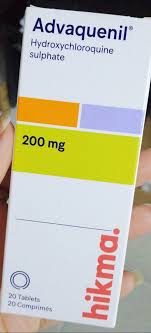
- Hydroxychloroquine (HCQ): The cornerstone of therapy. Indicated for all SLE patients to prevent flares and reduce long-term mortality. Risk: Retinal toxicity (requires annual screening).
- Corticosteroids: Used for acute flares but should be tapered to the lowest possible dose due to risks of osteoporosis, avascular necrosis, hypertension, and weight gain.
- Immunosuppressants (e.g., Mycophenolate, Azathioprine): Used for organ-threatening disease. Risk: Bone marrow suppression, teratogenicity.
- Biologics (e.g., Belimumab, Anifrolumab): Targeted therapies for refractory disease. Risk: Increased risk of serious infections.
Contraindications & Cautions
- Pregnancy: Certain medications (Mycophenolate, Cyclophosphamide) are strictly contraindicated due to teratogenicity.
- Vaccination: Live attenuated vaccines are generally contraindicated in severely immunosuppressed patients.
- Estrogen-containing Contraceptives: Generally avoided in patients with high-titer antiphospholipid antibodies due to thrombotic risk.
6. Long-Term Prognosis
Prognosis has improved drastically with early diagnosis. However, patients face an increased risk of:
* Cardiovascular Disease: The leading cause of death in long-term SLE patients due to accelerated atherosclerosis.
* Infections: Often resulting from the immunosuppressive burden.
* Malignancy: Increased risk of non-Hodgkin lymphoma and cervical dysplasia.
7. Extensive FAQ Section
1. Is Lupus curable?
Currently, there is no cure for SLE. It is a chronic condition that requires lifelong management to control inflammation and prevent organ damage.
2. Is SLE hereditary?
There is a genetic predisposition, but it is not a classic hereditary disease. First-degree relatives of patients with SLE have a slightly higher risk of developing autoimmune disease.
3. Why do I need to stay out of the sun?
UV radiation induces apoptosis of skin cells (keratinocytes). In SLE patients, the debris from these cells is not cleared properly, triggering an immune response that can cause skin rashes or systemic flares.
4. What is the difference between Discoid Lupus and SLE?
Discoid Lupus is a form of Cutaneous Lupus that is limited to the skin. SLE is the systemic form involving internal organs.
5. Can I get pregnant with Lupus?
Yes, but it is considered a high-risk pregnancy. It requires careful planning, medication adjustment (e.g., switching from Mycophenolate to Azathioprine), and close monitoring by a multidisciplinary team.
6. Does Lupus cause joint damage like Rheumatoid Arthritis?
Lupus typically causes non-erosive arthritis, meaning it causes pain and swelling without the bone destruction seen in Rheumatoid Arthritis.
7. What are the most common signs of a flare?
Increased fatigue, joint pain, new rashes, low-grade fevers, and unexplained swelling in the legs (edema).
8. Why is Hydroxychloroquine so important?
Beyond controlling symptoms, it is proven to reduce the risk of organ damage, decrease the frequency of flares, and improve overall long-term survival.
9. How is Lupus Nephritis diagnosed?
It is primarily diagnosed through blood tests (creatinine, anti-dsDNA), urine tests (proteinuria, hematuria), and confirmed via a renal biopsy.
10. What is "Lupus Fog"?
This is a term used by patients to describe the cognitive dysfunction associated with SLE, including memory lapses, difficulty concentrating, and "mental slowing" often linked to NPSLE.
Disclaimer: This guide is intended for educational purposes for healthcare professionals and students. It does not replace clinical judgment or institutional protocols. Always consult current clinical practice guidelines (EULAR/ACR) for patient management.
Related Clinical Integration
In the comprehensive management of Systemic Lupus Erythematosus (SLE), a multidisciplinary approach is essential to address both systemic inflammation and organ-specific complications. Pharmacological intervention typically centers on immunomodulatory therapy, utilizing agents such as Prednisone / بريدنيزون 5 mg for acute flare control and Advaquenil 200mg 200mg as a foundational disease-modifying agent. When lupus nephritis or severe systemic manifestations occur, diagnostic and therapeutic procedures such as Renal biopsy / خزعة الكلى (949e) (خدمات رعاية عامة) and Plasmapheresis / فصادة البلازما (خدمات رعاية عامة) are critical for guiding treatment and managing refractory disease. Specialized surgical interventions may occasionally require precision tools like the Surgical Operating Microscope / مجهر جراحي or the EBUS-TBNA Biopsy Needle (21G / 22G) / إبرة خزعة EBUS-TBNA (21G / 22G) for diagnostic sampling. Clinicians should further integrate these practices with evidence-based literature, including Operative Management of Hand Arthritis: Osteoarthritis, Rheumatoid Arthritis, and SLE, Orthopaedic Management of Systemic Arthropathies: Reiter Syndrome, Gout, and Systemic Lupus Erythematosus,