Clinical Assessment & Protocol
Typical Presentation (HPI)
EN: Paresthesia and weakness in the arm, aggravated by overhead activity. AR: خدر وضعف في الذراع، يتفاقم بسبب الأنشطة التي تتطلب رفع الذراع فوق الرأس.
General Examination
EN: Positive Roos test (EAST) and Adson's maneuver. AR: اختبار روس (EAST) إيجابي ومناورة أدسون.
Treatment Protocol
EN: AR:
Patient Education
EN: AR:
Systemic & Specialized Examinations
EN: S1, S2 present. No murmurs. AR: صوتا القلب الأول والثاني طبيعيان. لا توجد نفخات.
EN: Lungs clear to auscultation. AR: الرئتان صافيتان عند التسمع.
EN: Abdomen soft, non-tender. AR: البطن لين ولا يوجد ألم.
EN: Alert, oriented x3. No focal deficits. AR: المريض واعي ومدرك. لا يوجد عجز عصبي بؤري.
EN: Unremarkable or not routinely indicated. AR: طبيعي أو غير مطلوب روتينياً.
EN: Unremarkable or not routinely indicated. AR: طبيعي أو غير مطلوب روتينياً.
EN: Unremarkable or not routinely indicated. AR: طبيعي أو غير مطلوب روتينياً.
EN: Unremarkable or not routinely indicated. AR: طبيعي أو غير مطلوب روتينياً.
EN: Unremarkable or not routinely indicated. AR: طبيعي أو غير مطلوب روتينياً.
1. Comprehensive Introduction & Overview
Thoracic Outlet Syndrome (TOS) is a complex and often misunderstood clinical entity characterized by the compression of the neurovascular bundle—comprising the brachial plexus, the subclavian artery, and the subclavian vein—as they traverse the narrow space between the base of the neck and the axilla.
Neurogenic Thoracic Outlet Syndrome (nTOS) is the most prevalent form, accounting for approximately 90–95% of all TOS cases. It involves the compression of the lower trunk of the brachial plexus (C8-T1 nerve roots). While often categorized as "Disputed" or "True" nTOS, the clinical reality is a spectrum of nerve-related pathology that can lead to debilitating sensory deficits, motor weakness, and chronic pain. Because the anatomy of the thoracic outlet is highly variable, patients often endure a "diagnostic odyssey" lasting years before receiving definitive clinical management.
2. Deep-Dive: Technical Specifications and Mechanisms
The Anatomy of the Thoracic Outlet
The thoracic outlet is not a single point but a series of three distinct anatomical compartments through which the neurovascular bundle must pass:
- The Interscalene Triangle: Bordered by the anterior scalene muscle (anteriorly), the middle scalene muscle (posteriorly), and the first rib (inferiorly). This is the most common site of brachial plexus compression.
- The Costoclavicular Space: Bounded by the clavicle (superiorly), the first rib (inferiorly), and the costoclavicular ligament (medially).
- The Subcoracoid Space (Pectoralis Minor Space): Located beneath the coracoid process and the pectoralis minor tendon.
Pathophysiology
The pathology typically arises from dynamic or static compression of these nerves.
* Static Compression: Often due to congenital anomalies such as a cervical rib, a fibrous band extending from the C7 transverse process, or an elongated C7 transverse process.
* Dynamic Compression: Often related to repetitive overhead activity, postural deficits (forward head/rounded shoulders), or hypertrophy of the scalene muscles.
* Microtrauma: Repeated stretching and compression lead to intraneural fibrosis, epineural thickening, and eventual axonal degeneration.
3. Clinical Indications, Presentation, and Staging
Standard Presentation
The classic presentation of nTOS involves symptoms in the C8-T1 distribution (medial forearm and hand).
* Sensory Symptoms: Paresthesia, numbness, and tingling, often worse at night or with overhead activity.
* Motor Symptoms: Atrophy of the intrinsic hand muscles (thenar/hypothenar eminence), weakness in grip, and difficulty with fine motor tasks.
* Pain: Deep, aching pain in the supraclavicular fossa, neck, and shoulder radiating down the medial aspect of the arm.
Clinical Staging/Grading (Modified Roos/Peet Framework)
| Grade | Clinical Manifestation | Functional Impact |
|---|---|---|
| I (Mild) | Intermittent paresthesia, no atrophy. | Minimal impact on ADLs. |
| II (Moderate) | Persistent pain, sensory loss, early intrinsic weakness. | Frequent need for work modification. |
| III (Severe) | Profound motor atrophy, sensory loss, claw-hand deformity. | Significant disability; requires surgical intervention. |
4. Diagnostic Workup and Differential Diagnosis
Key Diagnostic Tests
Diagnosis is primarily clinical, supported by exclusionary testing.
- Roos Test (EAST - Elevated Arm Stress Test): Patient abducts shoulders to 90 degrees and flexes elbows, opening and closing hands for 3 minutes. A positive test is the reproduction of symptoms or an inability to maintain the position.
- Adson’s Maneuver: Patient extends the neck and rotates the head toward the affected side while taking a deep breath. A decrease or obliteration of the radial pulse suggests compression.
- Tinel’s Sign (Supraclavicular): Percussion over the brachial plexus in the supraclavicular fossa eliciting radiating paresthesia.
- Imaging:
- Cervical X-rays: To identify cervical ribs or elongated C7 transverse processes.
- MRI/MRA: To evaluate for space-occupying lesions (tumors, cysts) or vascular compromise.
- EMG/NCS: Often normal in early stages but critical for ruling out distal nerve entrapment (like Cubital Tunnel Syndrome).
Differential Diagnosis
Clinicians must rule out pathologies that mimic nTOS:
* Cervical Radiculopathy (C7-T1): Usually associated with neck pain and specific dermatomal patterns.
* Cubital Tunnel Syndrome: Ulnar nerve compression at the elbow.
* Pancoast Tumor: Superior sulcus tumor mimicking nTOS symptoms.
* Rotator Cuff Pathology: Shoulder-specific pain without dermatomal distribution.
5. Management Strategies and Prognosis
Conservative Management (First-Line)
Conservative therapy is the gold standard for at least 3–6 months.
* Physical Therapy: Focus on postural correction, scapular stabilization, and scalene/pectoralis minor stretching.
* Ergonomic Modification: Adjusting workstation setups to reduce repetitive overhead reaching.
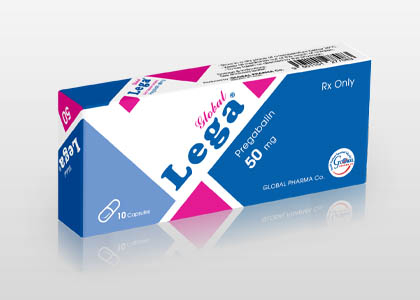
* Pharmacology: NSAIDs for inflammation and neuropathic pain modifiers (Gabapentin/Pregabalin).
Surgical Intervention
Reserved for patients who fail conservative management and exhibit objective neurological deficits.
* Scalenectomy: Removal of the anterior and middle scalene muscles.
* First Rib Resection: Decompression of the costoclavicular space.
* Neurolysis: Micro-surgical freeing of the brachial plexus from fibrotic scar tissue.
Long-Term Prognosis
Prognosis is generally favorable with early detection. However, if nTOS progresses to severe motor atrophy (Gilliatt-Sumner hand), surgical outcomes for functional recovery are significantly guarded. Long-term success is heavily dependent on patient adherence to post-operative physical therapy.
6. Risks, Side Effects, and Contraindications
- Surgical Risks: Potential for injury to the phrenic nerve (diaphragm paralysis), long thoracic nerve (winged scapula), or pneumothorax during rib resection.
- Contraindications for Surgery: Patients with poorly controlled pain syndromes (CRPS) or those without clear anatomical evidence of compression may experience poor surgical outcomes.
- Side Effects of Conservative Care: Over-aggressive stretching can exacerbate neural irritation; therefore, therapy must be titrated to patient tolerance.
7. Massive FAQ Section
Q1: Can I have nTOS without a cervical rib?
Yes. Most cases of nTOS are "soft tissue" related, caused by muscle hypertrophy or fibrous bands rather than bony abnormalities.
Q2: What is the "Gilliatt-Sumner hand"?
It is a classic sign of severe, chronic nTOS characterized by wasting of the thenar eminence and the interosseous muscles of the hand.
Q3: Why is EMG/NCS often normal in nTOS?
Standard EMG/NCS tests measure nerve conduction velocity across long segments. Because nTOS involves intermittent compression, the nerves often appear normal while at rest.
Q4: Is surgery always the cure?
No. Surgery is a last resort. Many patients achieve long-term symptom resolution through dedicated postural retraining and physical therapy.
Q5: Can poor posture cause nTOS?
Absolutely. Forward head posture and rounded shoulders shorten the pectoralis minor and scalene muscles, narrowing the thoracic outlet.
Q6: How long should I do physical therapy before considering surgery?
Standard clinical guidelines suggest a minimum of 3 to 6 months of consistent, high-quality physical therapy.
Q7: Does nTOS affect both sides of the body?
While it usually presents unilaterally based on dominant-hand usage, bilateral nTOS is possible, especially in patients with congenital bony anomalies.
Q8: What is the "disputed" vs. "true" nTOS debate?
"True" nTOS has objective findings (atrophy, EMG changes), while "disputed" nTOS is characterized by subjective pain and paresthesia without objective clinical markers.
Q9: Can nTOS cause cold hands?
While nTOS is neurogenic, severe compression can sometimes involve autonomic nerve fibers, leading to coldness or skin color changes (though these are more common in Vascular TOS).
Q10: What is the best sleeping position for nTOS?
Generally, sleeping on the back with a neutral neck position or on the non-affected side with a pillow supporting the arm is recommended to minimize compression.
Disclaimer: This guide is intended for professional informational purposes and does not constitute medical advice. Consult with a board-certified orthopedic surgeon or neurologist for specific diagnosis and treatment plans.