Clinical Assessment & Protocol
Typical Presentation (HPI)
EN: Patient presents with acute onset of pain at the first metatarsophalangeal (MTP) joint following a hyperextension injury. Reports localized swelling, stiffness, and difficulty with push-off during gait. No history of direct trauma or fracture. Pain exacerbated by dorsiflexion of the hallux. AR: يعاني المريض من ألم حاد في مفصل المشط السلامي الأول بعد إصابة ناتجة عن فرط التمدد. يشكو المريض من تورم موضعي، وتيبس، وصعوبة في دفع القدم أثناء المشي. لا يوجد تاريخ لإصابة مباشرة أو كسر. يزداد الألم سوءاً عند ثني إصبع القدم الكبير للأعلى.
General Examination
EN: Inspection reveals edema and ecchymosis localized to the plantar aspect of the first MTP joint. Palpation demonstrates significant tenderness over the plantar plate and sesamoid complex. Range of motion is limited by pain, specifically during passive and active dorsiflexion. Lachman test of the hallux reveals increased laxity compared to the contralateral side. Neurovascular status intact. AR: يظهر الفحص تورماً وكدمات موضعية في الجانب الأخمصي لمفصل المشط السلامي الأول. يظهر الجس وجود ألم شديد فوق الصفيحة الأخمصية ومجمع العظام السمسمانية. نطاق الحركة محدود بسبب الألم، خاصة أثناء الثني الظهري السلبي والنشط. اختبار لاكمان لإصبع القدم الكبير يكشف عن زيادة في ارتخاء المفصل مقارنة بالجانب الآخر. الحالة العصبية الوعائية سليمة.
Treatment Protocol
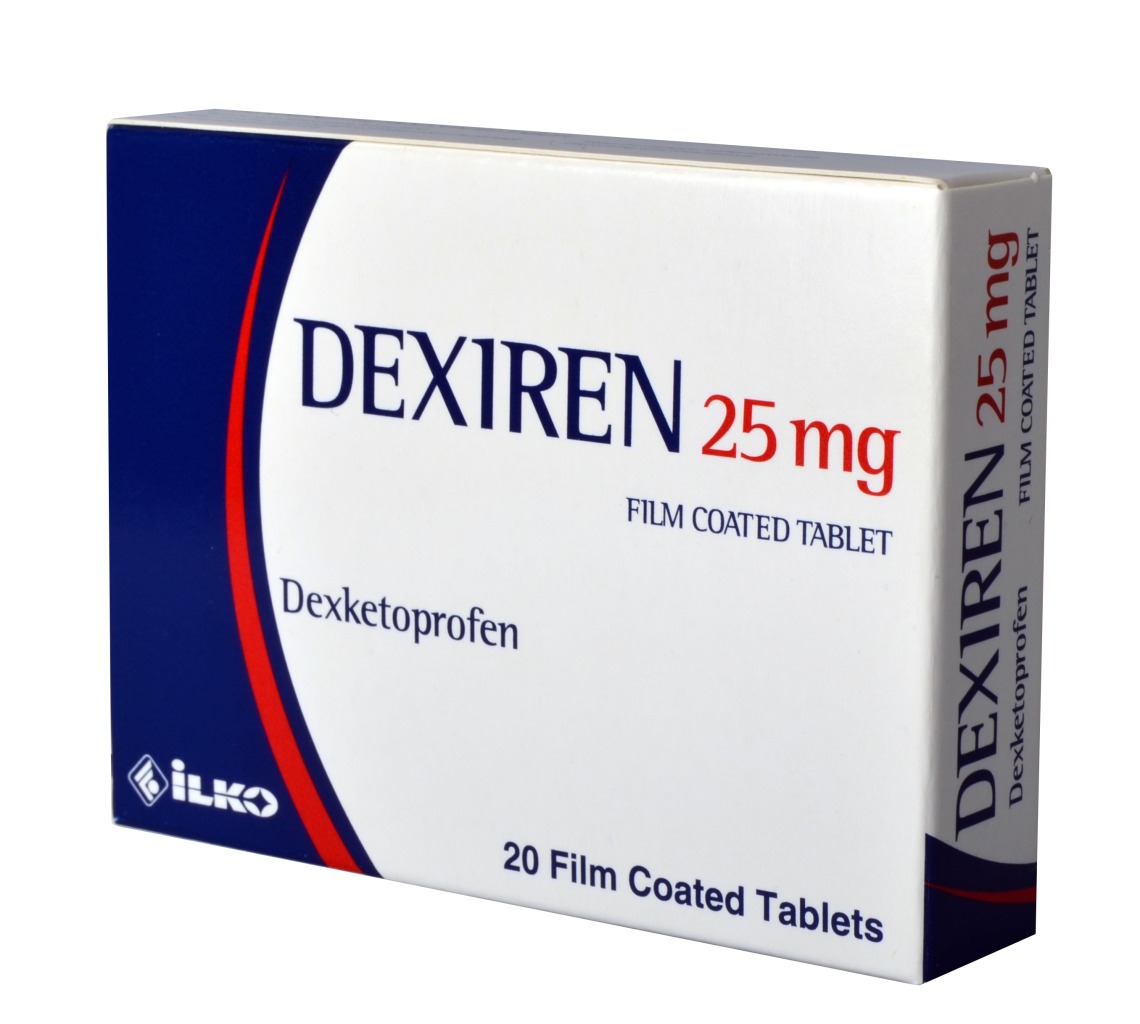
EN: Initiate RICE protocol (Rest, Ice, Compression, Elevation). Immobilization via stiff-soled shoe or walking boot to restrict MTP joint motion. Taping of the hallux to prevent hyperextension. NSAIDs for pain and inflammation management. Physical therapy referral for range of motion exercises once acute phase subsides. AR: البدء ببروتوكول الراحة، الثلج، الضغط، والرفع. تثبيت المفصل باستخدام حذاء ذو نعل صلب أو حذاء طبي لتقييد حركة مفصل المشط السلامي. ربط إصبع القدم الكبير لمنع فرط التمدد. استخدام مضادات الالتهاب غير الستيرويدية للسيطرة على الألم والالتهاب. إحالة للعلاج الطبيعي لتمارين نطاق الحركة بمجرد زوال المرحلة الحادة.
Patient Education
EN: Turf toe is a sprain of the ligaments surrounding the big toe joint. Avoid activities that involve pushing off or bending the toe upward. Wear supportive, rigid footwear to protect the joint during healing. If pain increases or you experience numbness, contact the clinic immediately. Recovery time varies based on grade of injury. AR: إصابة "إصبع العشب" هي التواء في الأربطة المحيطة بمفصل إصبع القدم الكبير. تجنب الأنشطة التي تتضمن الدفع أو ثني إصبع القدم للأعلى. ارتدِ أحذية داعمة وصلبة لحماية المفصل أثناء الشفاء. إذا زاد الألم أو شعرت بتنميل، اتصل بالعيادة فوراً. تختلف فترة التعافي بناءً على درجة الإصابة.
Orthopedic & Trauma Assessments
EN: Gross deformity, marked swelling, and severe pain. High risk of compartment syndrome or neurovascular compromise assessed. AR: تشوه جسيم، تورم ملحوظ، وألم شديد. تم تقييم الخطر العالي لمتلازمة الحيز أو الإصابة الوعائية العصبية.
Comprehensive Clinical Guide: Turf Toe (Metatarsophalangeal Joint Sprain)
Turf toe, clinically classified as a hyperextension injury of the first metatarsophalangeal (MTP) joint, represents a significant orthopaedic concern, particularly among athletic populations. While the term colloquially refers to the injury sustained on artificial surfaces, the pathophysiology involves a complex disruption of the plantar capsuloligamentous complex of the hallux. This guide serves as a definitive resource for clinicians, athletic trainers, and medical professionals managing this condition.
1. Introduction and Clinical Definition
Turf toe is an acute injury resulting from forced dorsiflexion of the hallux. The primary anatomical structure involved is the plantar plate—a fibrocartilaginous structure that provides stability to the MTP joint. When the hallux is forcibly hyperextended, the plantar plate can undergo attenuation, partial tearing, or complete avulsion from the base of the proximal phalanx.
Historically, the incidence of turf toe surged with the introduction of artificial turf in the 1960s and 70s. These surfaces, characterized by increased stiffness and reduced shock absorption compared to natural grass, coupled with the design of flexible athletic footwear, created a "perfect storm" for MTP joint instability.
2. Pathophysiology and Biomechanics
The stability of the first MTP joint is maintained by a dynamic and static restraint system. Understanding the injury mechanism requires a detailed look at these components:
- The Plantar Plate: A dense fibrocartilaginous structure that acts as a structural bridge between the metatarsal head and the proximal phalanx.
- The Sesamoidean Complex: Comprised of the medial and lateral sesamoids embedded within the flexor hallucis brevis (FHB) tendons. This complex acts as a "fulcrum" for the hallux.
- Collateral Ligaments: Provide medial and lateral stability.
The Mechanism of Injury
The injury typically occurs when the athlete’s foot is planted in a fixed position (often with a cleated shoe) while the heel is raised, and a force is applied to the dorsal aspect of the foot or the athlete pushes off forcefully. This induces excessive dorsiflexion, causing the base of the proximal phalanx to impinge against the metatarsal head, effectively "unzipping" the plantar structures from the metatarsal neck.
3. Clinical Staging and Grading (The Clanton Classification)
To guide clinical decision-making, turf toe is generally graded based on the severity of the soft tissue disruption:
| Grade | Severity | Clinical Presentation |
|---|---|---|
| Grade I | Mild | Stretch of the plantar capsule; minimal swelling, point tenderness, ability to bear weight. |
| Grade II | Moderate | Partial tear of the plantar plate/capsule; significant swelling, ecchymosis, limited range of motion. |
| Grade III | Severe | Complete disruption/avulsion of the plantar plate; joint instability, inability to bear weight, severe pain. |
4. Differential Diagnosis
Distinguishing turf toe from other hallux pathologies is critical for appropriate management. Clinicians must rule out the following:
- Sesamoiditis: Inflammation of the sesamoid bones; usually chronic and insidious rather than acute.
- Sesamoid Stress Fracture: Requires imaging (MRI or Bone Scan) to differentiate from acute soft tissue injury.
- Hallux Rigidus: Degenerative arthritis of the MTP joint; typically presents with restricted dorsiflexion and dorsal osteophytes.
- Osteochondral Defect (OCD): Lesions on the articular surface of the metatarsal head.
- Gouty Arthritis: Often mimics the inflammatory presentation of turf toe; requires synovial fluid analysis or serum uric acid testing if clinical suspicion is high.
5. Diagnostic Evaluation
Physical Examination
- Inspection: Look for dorsal edema, ecchymosis, and hallux malposition.
- Palpation: Tenderness is typically located plantar-distal to the first metatarsal head.
- Stress Testing: The "Lachman-type" test for the MTP joint is performed by stabilizing the first metatarsal and applying a dorsal directed force to the proximal phalanx. Increased laxity compared to the contralateral side suggests a Grade II or III injury.
Imaging Protocols
- Radiographs (Weight-Bearing): Essential to rule out avulsion fractures, sesamoid displacement, or proximal phalanx subluxation.
- MRI: The gold standard. It provides high-resolution visualization of the plantar plate, sesamoid complex, and articular cartilage integrity.
- Ultrasound: A useful dynamic, cost-effective tool for assessing the integrity of the plantar plate in real-time.
6. Management and Treatment Protocols
Conservative Management (Grades I and II)
- R.I.C.E: Rest, Ice, Compression, and Elevation.
- Immobilization: Using a stiff-soled shoe, a walking boot, or taping (the "turf toe tape job") to restrict MTP dorsiflexion.
- Pharmacology: NSAIDs for acute inflammatory management.
- Physical Therapy: Focus on early range-of-motion (ROM) exercises once acute pain subsides, progressing to strengthening the flexor hallucis longus and intrinsic foot musculature.
Surgical Intervention (Grade III / Refractory Cases)
Surgery is indicated for:
* Large avulsion fractures involving >25% of the articular surface.
* Complete plantar plate ruptures.
* Persistent joint instability.
* Mechanical block to motion (e.g., loose bodies).
Procedures include primary repair of the plantar plate using suture anchors or debridement of torn soft tissue remnants.
7. Risks, Contraindications, and Long-Term Prognosis
Potential Complications
- Chronic Instability: If not rehabilitated, the MTP joint may remain "sloppy," leading to recurrent pain.
- Post-Traumatic Arthritis: Long-term consequence of articular cartilage damage or chronic malalignment.
- Hallux Valgus/Rigidus: Secondary deformities resulting from altered biomechanics and scar tissue formation.
Prognosis
The prognosis for Grade I and II injuries is generally excellent, with most athletes returning to play within 2–6 weeks. Grade III injuries are more guarded, often requiring 3–6 months of recovery and potentially impacting long-term athletic performance.
8. Frequently Asked Questions (FAQ)
Q1: Can I play through a turf toe injury?
A: It is highly discouraged. Playing on a Grade II or III injury risks permanent joint damage, chronic arthritis, and the development of a permanent limp.
Q2: How long does the "turf toe tape job" last?
A: Taping provides mechanical support for one game or practice session. It must be reapplied daily and is not a substitute for proper healing or orthotic support.
Q3: Is surgery always required for a Grade III injury?
A: Not always. If the joint is stable under stress testing despite a partial tear, conservative treatment may be attempted. However, gross instability almost always necessitates surgical stabilization.
Q4: Will I develop arthritis later in life?
A: There is an increased risk of post-traumatic osteoarthritis, especially if the injury resulted in cartilage damage or if the joint was allowed to heal in a malaligned position.
Q5: What kind of shoes should I wear while recovering?
A: You require a shoe with a rigid sole (carbon fiber inserts are excellent) to prevent the MTP joint from bending during the gait cycle.
Q6: Is turf toe only found in athletes?
A: No, while common in athletes, it can occur in anyone who suffers a forced hyperextension event, such as falling down stairs or tripping while barefoot.
Q7: How does artificial turf contribute to the injury?
A: Artificial turf increases the coefficient of friction, meaning the shoe "sticks" to the ground more effectively than on grass, trapping the foot while the body momentum continues forward.
Q8: Can I use cortisone injections for pain?
A: Cortisone should be used with extreme caution. It can weaken the soft tissue structures (tendons and ligaments), potentially worsening the tear or delaying healing.
Q9: When can I start running again?
A: Running is typically permitted once the athlete can perform a pain-free "toe-off" and has regained 75% of their normal range of motion.
Q10: Does turf toe affect the other toes?
A: While primarily an injury to the first MTP joint, the altered gait (limping) can lead to secondary pain in the second and third metatarsals due to compensatory loading.
9. Conclusion
Turf toe is a deceptive injury; what appears to be a minor sprain can have career-altering consequences if mismanaged. Clinicians must prioritize early, accurate imaging and a structured, phased return-to-play protocol. By respecting the biomechanical importance of the plantar plate and the sesamoidean complex, medical providers can ensure that patients regain full function and minimize the risk of long-term degenerative changes.
Disclaimer: This guide is for educational purposes for medical professionals. Clinical decisions should be based on individual patient assessment and standard institutional protocols.