Clinical Assessment & Protocol
Typical Presentation (HPI)
EN: Patient presents with progressive, symmetric distal paresthesia, burning sensations, and numbness in lower extremities. Symptoms are worse at night, consistent with Restless Leg Syndrome (RLS). Reports associated muscle cramps, weakness, and gait instability. History of advanced CKD (Stage 4/5) with suboptimal dialysis clearance. AR: يعاني المريض من مذل (تنميل) طرفي متماثل متفاقم، إحساس بالحرقان، وخدر في الأطراف السفلية. تزداد الأعراض سوءاً في الليل، بما يتوافق مع متلازمة تململ الساقين (RLS). يشكو المريض من تشنجات عضلية مصاحبة، ضعف، وعدم استقرار في المشية. التاريخ المرضي يشير إلى مرض كلوي مزمن متقدم (المرحلة 4/5) مع كفاءة غسيل كلوي غير مثالية.
General Examination
EN: Neurological exam reveals distal symmetric sensory loss (glove-and-stocking distribution) to pinprick and vibration. Diminished or absent ankle jerks (Achilles reflex). Motor exam shows mild distal muscle atrophy and weakness in dorsiflexion. Gait assessment demonstrates sensory ataxia. AR: يكشف الفحص العصبي عن فقدان حسي طرفي متماثل (توزيع القفاز والجوارب) للإحساس بالوخز والاهتزاز. ضعف أو غياب منعكس وتر أخيل. يظهر الفحص الحركي ضموراً عضلياً طرفياً خفيفاً وضعفاً في الثني الظهري للقدم. تقييم المشية يظهر ترنحاً حسياً.
Treatment Protocol
EN: Optimize dialysis adequacy (Kt/V) to ensure clearance of middle-molecule uremic toxins. Initiate gabapentin or pregabalin for neuropathic pain and RLS symptoms. Consider iron supplementation if ferritin is low. Physical therapy for gait training and fall prevention. AR: تحسين كفاءة الغسيل الكلوي (Kt/V) لضمان التخلص من السموم اليوريمية ذات الجزيئات المتوسطة. البدء في استخدام جابابنتين أو بريجابالين لعلاج الألم العصبي وأعراض تململ الساقين. النظر في مكملات الحديد إذا كان مستوى الفيريتين منخفضاً. العلاج الطبيعي للتدريب على المشي والوقاية من السقوط.
Patient Education
EN: Uremic neuropathy is a complication of advanced kidney disease caused by toxin buildup. Adherence to dialysis schedule is critical. Report any new weakness, balance issues, or worsening nighttime leg discomfort. Maintain skin integrity in distal extremities to prevent ulceration due to sensory loss. AR: الاعتلال العصبي اليوريمي هو أحد مضاعفات مرض الكلى المتقدم الناتج عن تراكم السموم. الالتزام بجدول الغسيل الكلوي أمر بالغ الأهمية. يجب الإبلاغ عن أي ضعف جديد، مشاكل في التوازن، أو تفاقم في انزعاج الساقين ليلاً. حافظ على سلامة الجلد في الأطراف السفلية لمنع التقرحات الناتجة عن فقدان الإحساس.
Systemic & Specialized Examinations
EN: Assess for autonomic neuropathy manifestations, including orthostatic hypotension and resting tachycardia. Monitor blood pressure closely, as autonomic dysfunction may complicate management of hypertension in CKD patients. AR: تقييم مظاهر الاعتلال العصبي اللاإرادي، بما في ذلك انخفاض ضغط الدم الانتصابي وتسرع القلب أثناء الراحة. مراقبة ضغط الدم بدقة، حيث أن الخلل الوظيفي اللاإرادي قد يعقد إدارة ارتفاع ضغط الدم لدى مرضى الكلى المزمن.
EN: Evaluate for uremic gastropathy, including anorexia, nausea, and vomiting, which often correlate with the severity of uremic neuropathy. Monitor nutritional status and ensure adequate protein intake as tolerated. AR: تقييم وجود اعتلال المعدة اليوريمي، بما في ذلك فقدان الشهية، الغثيان، والقيء، والتي غالباً ما ترتبط بشدة الاعتلال العصبي اليوريمي. مراقبة الحالة التغذوية وضمان تناول كمية كافية من البروتين حسب قدرة المريض.
1. Executive Overview: Understanding Uremic Neuropathy
Uremic neuropathy (ICD-10: G62.89) is a debilitating sensory-motor polyneuropathy that occurs as a systemic complication of advanced chronic kidney disease (CKD) and end-stage renal disease (ESRD). It represents the nervous system’s response to the accumulation of uremic toxins—metabolic waste products that the failing kidneys can no longer adequately filter from the bloodstream.
Clinically, this condition is characterized by a "dying-back" axonopathy, typically presenting with symmetric, distal sensory impairment that progresses proximally. While the exact neurotoxic substances remain a subject of active research, middle-molecular-weight compounds and guanidino compounds are primary suspects. For patients with CKD, the onset of neuropathic symptoms often serves as a clinical marker that renal replacement therapy (RRT) or an intensification of conservative management is urgently required.
2. Pathophysiology, Etiology, and Risk Factors
The pathogenesis of uremic neuropathy is multifactorial, stemming from the inability of the nephrons to maintain homeostasis.
Glomerular vs. Tubular Pathology
The progression to uremic neuropathy is rarely linked to a single insult. Whether the primary insult is glomerular (e.g., diabetic nephropathy, focal segmental glomerulosclerosis) or tubular (e.g., polycystic kidney disease, chronic interstitial nephritis), the common end-point is a significant reduction in the glomerular filtration rate (eGFR).
- Glomerular Damage: Often leads to proteinuria and nephrotic-range loss of albumin, accelerating the decline in renal function.
- Tubular Damage: Frequently results in impaired concentration and electrolyte wasting, contributing to systemic metabolic acidosis, which further exacerbates nerve irritability.
Systemic Consequences
- Uremic Toxins: Molecules such as urea, creatinine, and parathyroid hormone (PTH) accumulate. Elevated PTH levels, a hallmark of CKD-Mineral and Bone Disorder (CKD-MBD), have been implicated in the demyelination of peripheral nerves.
- Oxidative Stress: Chronic inflammation and the production of reactive oxygen species (ROS) in uremic patients contribute to axonal degeneration.
- Metabolic Derangements: Hypocalcemia, hyperphosphatemia, and vitamin deficiencies (B-complex) common in CKD patients act as synergistic factors in nerve damage.
| Risk Factor | Clinical Impact |
|---|---|
| eGFR < 15 mL/min/1.73m² | High risk of symptomatic neuropathy. |
| Diabetes Mellitus | Concomitant diabetic neuropathy worsens prognosis. |
| Anemia of CKD | Reduced oxygen delivery to nerve fibers. |
| Secondary Hyperparathyroidism | Direct neurotoxic effects of PTH. |
3. Signs, Symptoms, and Clinical Presentation
Uremic neuropathy typically follows a "stocking-glove" distribution. Patients often report symptoms that start in the toes and gradually move upward.
Key Clinical Features:
- Sensory Symptoms: Burning sensations, paresthesia (tingling), and hyperesthesia (increased sensitivity).
- Motor Symptoms: Muscle cramping, weakness in the distal extremities, and in severe cases, "restless legs syndrome" (RLS), which is highly prevalent in the ESRD population.
- Reflex Changes: Diminished or absent deep tendon reflexes, particularly at the ankles.
- Autonomic Involvement: Though less common, some patients experience orthostatic hypotension, delayed gastric emptying (gastroparesis), and erectile dysfunction.
4. Diagnostic Evaluation and Workup
A definitive diagnosis requires a combination of clinical assessment and laboratory confirmation of renal failure.
Laboratory Assays
- Renal Function Panel: Measurement of serum creatinine and blood urea nitrogen (BUN).
- eGFR Calculation: Using the CKD-EPI equation to stage the degree of renal impairment.
- Electrolytes & Minerals: Checking calcium, phosphate, magnesium, and bicarbonate levels to rule out electrolyte-induced neuropathy.
- Vitamin B12 and Folate: To exclude nutritional deficiencies that mimic uremic symptoms.
Diagnostic Imaging and Procedures
- Nerve Conduction Studies (NCS) and Electromyography (EMG): These are the gold standards. NCS typically shows reduced nerve conduction velocities (NCV) and diminished amplitudes, confirming axonal loss.
- Renal Biopsy: Indicated when the etiology of the CKD is unclear (e.g., rapid decline in eGFR without a known cause, or nephritic vs. nephrotic syndrome differentiation). A biopsy helps distinguish between acute tubular necrosis, glomerulonephritis, or chronic sclerotic changes.
KDIGO Staging Overview
Management is guided by KDIGO (Kidney Disease: Improving Global Outcomes) guidelines, which categorize CKD into five stages based on eGFR and albuminuria. Uremic neuropathy is most frequently associated with Stage 4 and Stage 5 (ESRD).
5. Therapeutic Interventions
The primary treatment for uremic neuropathy is the optimization of renal function.
Pharmacotherapy & Dialysis
- Dialysis Optimization: Initiation of hemodialysis or peritoneal dialysis is the most effective way to clear uremic toxins. In many cases, sensory symptoms improve significantly following the commencement of dialysis.
- Neuropathic Pain Management:
- Gabapentin/Pregabalin: First-line agents, but require strict dose adjustment based on the patient’s residual eGFR to avoid toxicity.
- Tricyclic Antidepressants: Used with caution due to potential cardiovascular side effects.
- Correction of CKD-MBD: Use of phosphate binders and vitamin D analogs to normalize PTH levels.
Surgical & Lifestyle Interventions
- Renal Transplantation: The only definitive "cure" for uremic neuropathy. Post-transplant, nerve function often shows dramatic recovery, provided the neuropathy was not long-standing and irreversible.
- Lifestyle: Strict adherence to a renal-friendly diet (low protein, low potassium, low phosphorus) is essential to slow the progression of CKD.
6. Frequently Asked Questions (FAQ)
1. Is uremic neuropathy reversible?
Yes, in many cases, especially if dialysis is initiated promptly or a kidney transplant is performed. However, if the nerve damage is long-standing, some sensory deficits may be permanent.
2. How is uremic neuropathy different from diabetic neuropathy?
While both cause stocking-glove sensory loss, uremic neuropathy is directly tied to the level of uremic toxins in the blood. Diabetic neuropathy is caused by chronic hyperglycemia and microvascular damage. Many patients with CKD have both.
3. Does dialysis make neuropathy better or worse?
Dialysis generally improves uremic neuropathy by removing toxins. However, "dialysis disequilibrium syndrome" or rapid shifts in electrolytes can sometimes cause transient nerve-related discomfort.
4. What is the role of the renal biopsy?
The biopsy helps the nephrologist determine if the kidney damage is potentially reversible (e.g., vasculitis or glomerular inflammation) or chronic (sclerosis), which dictates the urgency of treatment.
5. Are there specific supplements that help?
Vitamin B-complex supplements are often prescribed, as water-soluble vitamins are frequently lost during dialysis and are essential for nerve health.
6. Can uremic neuropathy cause paralysis?
Severe, untreated cases can lead to significant muscle atrophy and weakness, but complete paralysis is rare.
7. How often should I have nerve conduction studies?
These are usually ordered at the time of diagnosis or if symptoms worsen significantly. Routine screening is not typically required unless clinical symptoms change.
8. Is restless legs syndrome (RLS) a sign of uremic neuropathy?
Yes, RLS is a common manifestation of uremic neuropathy and is often linked to iron deficiency or the accumulation of uremic toxins.
9. Why does my eGFR matter for my nerve pain medications?
Most nerve pain medications are cleared by the kidneys. If your eGFR is low, these drugs can build up in your system, leading to dangerous side effects like sedation or respiratory depression.
10. What is the most important step in preventing nerve damage in CKD?
Strict blood pressure control and meticulous management of blood glucose (if diabetic) are the most effective ways to slow the progression of CKD and prevent the development of secondary complications like neuropathy.
Disclaimer: This guide is for educational purposes and does not constitute medical advice. Always consult with your nephrologist or neurologist regarding your specific clinical presentation and treatment plan.
Related Clinical Integration
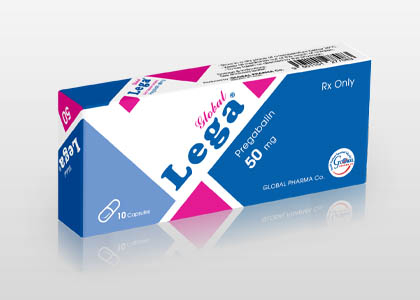
In the management of uremic neuropathy, a multidisciplinary approach is essential to address both the underlying metabolic derangement and the symptomatic burden of peripheral nerve dysfunction. Effective clinical care begins with optimizing renal replacement therapy, where precise Fluid management during hemodialysis / تدبير السوائل أثناء غسيل الكلى الدموي (خدمات رعاية عامة) is critical to prevent hemodynamic instability and minimize the accumulation of neurotoxic uremic solutes. To mitigate the neuropathic pain frequently associated with this condition, clinicians may initiate pharmacological interventions such as Gabantin / غابانتين 400mg or Lega / ليغا 50 mg, both of which are utilized to modulate neuronal hyperexcitability and improve patient quality of life within our integrated hospital framework.