

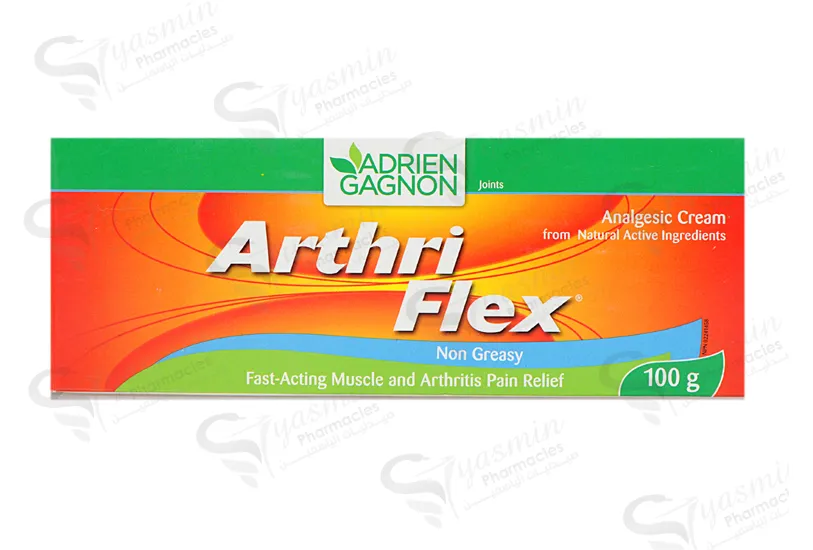
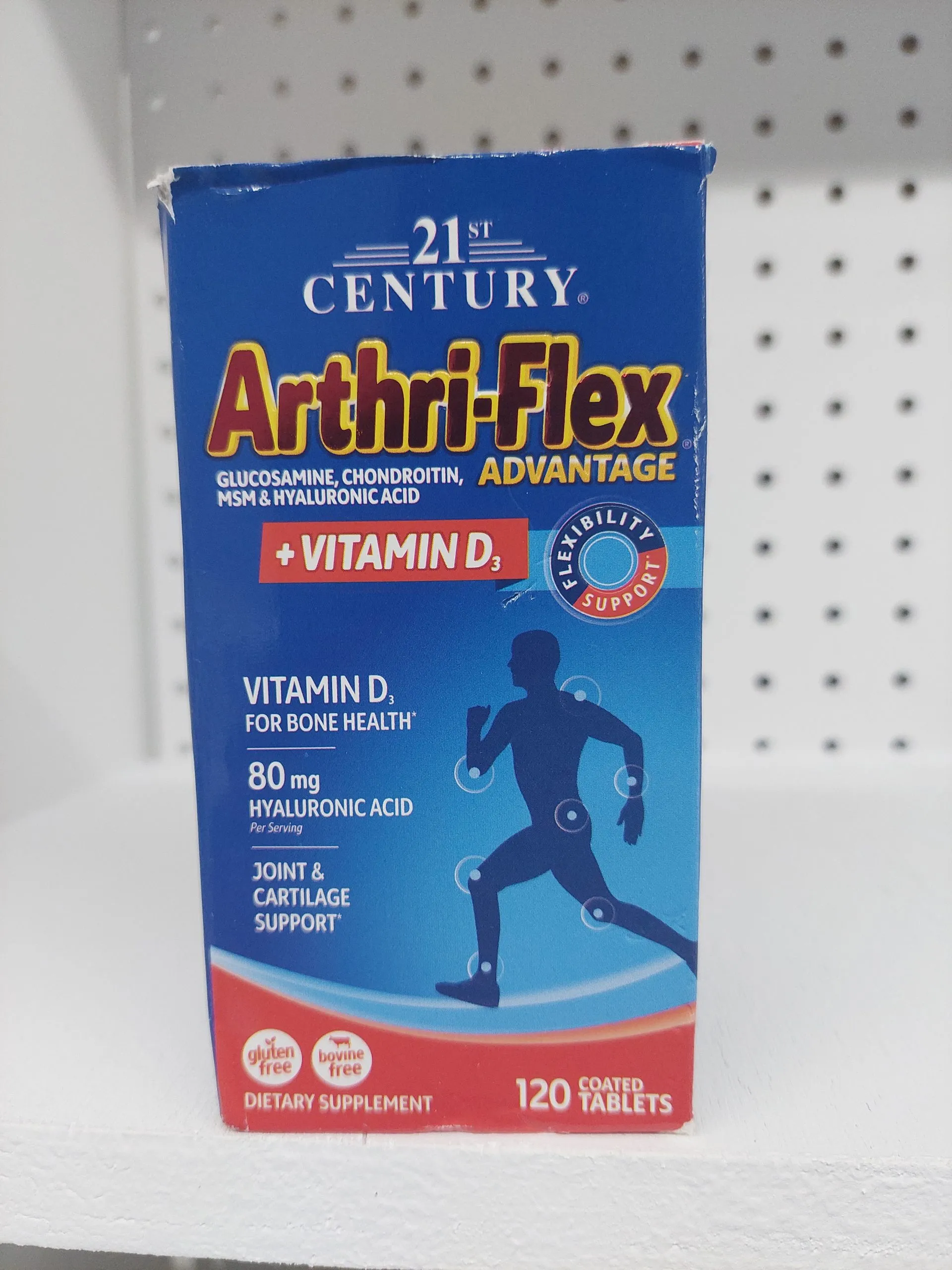
Comprehensive Guide to Arthri-Flex Cream: Clinical Perspectives
Arthri-Flex Cream represents a significant therapeutic option in the management of localized musculoskeletal discomfort. As an orthopedic-focused topical analgesic, it is designed to provide targeted relief for patients suffering from joint stiffness, minor arthritis pain, and soft tissue inflammation. Unlike systemic oral medications that must undergo first-pass metabolism, Arthri-Flex Cream utilizes a transdermal delivery system to provide rapid, localized symptomatic relief with a minimized risk of systemic side effects.
This guide serves as an authoritative resource for healthcare providers and informed patients, detailing the pharmacological profile, clinical application, and safety parameters of Arthri-Flex Cream.
Technical Specifications and Mechanisms of Action
Understanding the efficacy of Arthri-Flex Cream requires a deep dive into its pharmacological composition. Most formulations categorized under this brand leverage a synergistic approach combining counter-irritants, anti-inflammatory agents, and skin-penetration enhancers.
Pharmacodynamics (Mechanism of Action)
The efficacy of Arthri-Flex Cream is largely mediated through the following pathways:
- Counter-Irritation: Ingredients such as menthol or camphor trigger cold-sensing receptors (TRPM8) in the skin. This creates a cooling sensation that distracts the nervous system from underlying pain signals (the "Gate Control Theory" of pain).
- Vasodilation: By stimulating local blood flow, the cream helps in the clearance of metabolic byproducts (such as lactic acid) from the inflamed site, potentially reducing localized tissue edema.
- Transdermal Absorption: The cream is formulated with specific surfactants and lipophilic carriers that facilitate the passage of active ingredients through the stratum corneum, allowing for deeper penetration into the subcutaneous tissues and synovial fluid proximity.
Pharmacokinetics
When applied topically, Arthri-Flex Cream undergoes minimal systemic absorption. The concentration of active ingredients remains localized to the site of application.
* Absorption: Passive diffusion through the epidermal layers.
* Distribution: High affinity for the local adipose and muscular tissues.
* Metabolism: Local enzymatic degradation; limited hepatic involvement.
* Excretion: Primarily via the renal system as inactive metabolites.
Clinical Indications and Usage
Arthri-Flex Cream is indicated for the temporary relief of minor aches and pains associated with various musculoskeletal conditions.
Primary Indications
| Condition | Clinical Application |
|---|---|
| Osteoarthritis | Symptomatic relief of joint stiffness in knees, fingers, and hips. |
| Rheumatoid Arthritis | Adjuvant therapy for managing localized flare-ups. |
| Muscle Strains | Reduction of pain following athletic or occupational overuse. |
| Tendonitis | Targeted relief for inflammation of the connective tissue. |
| Bursitis | Management of pain resulting from synovial sac inflammation. |
Application Guidelines
Proper administration is critical to ensure both safety and efficacy.
1. Preparation: Clean and dry the affected area thoroughly.
2. Application: Apply a thin, uniform layer of the cream.
3. Massage: Gently massage the area until the cream is fully absorbed into the skin.
4. Frequency: Generally recommended to be applied 3 to 4 times daily, or as directed by a healthcare professional.
5. Post-Application: Wash hands immediately after use unless the hands are the target area of treatment.
Risks, Side Effects, and Contraindications
While Arthri-Flex Cream is generally well-tolerated, clinical vigilance is required to mitigate risks.
Potential Adverse Reactions
- Dermatological: Erythema (redness), pruritus (itching), or a localized burning sensation.
- Hypersensitivity: Rare cases of contact dermatitis or allergic rashes.
- Systemic (Extremely Rare): If excessive amounts are applied over large surface areas, systemic absorption may lead to dizziness or nausea.
Contraindications
- Broken Skin: Do not apply to open wounds, infected skin, or severely abraded areas.
- Allergy: History of hypersensitivity to any of the specific ingredients (e.g., salicylates, menthol, or preservatives).
- Pediatric Use: Not recommended for children under 12 without explicit pediatric consultation.
Drug Interactions
Because Arthri-Flex Cream has low systemic bioavailability, significant drug-drug interactions are uncommon. However, caution should be exercised if the patient is using other topical products on the same site, as this may alter absorption rates or cause skin irritation.
Pregnancy and Lactation Warnings
The clinical data regarding the safety of topical analgesics during pregnancy and lactation is limited.
* Pregnancy: It is generally advised to consult with an OB/GYN before use. While systemic exposure is low, the precautionary principle applies.
* Lactation: Avoid application to the breast area to prevent accidental ingestion by the nursing infant.
Overdose Management
Topical overdose is rare but possible if large quantities are ingested or applied over massive surface areas for extended periods.
- Symptoms of Overdose: Excessive cooling/heating sensation, skin blistering, or systemic toxicity (e.g., salicylate poisoning if the cream contains salicylates).
- Management:
- External: Wash the area thoroughly with mild soap and water to remove residual product.
- Ingestion: Seek immediate medical attention. Do not induce vomiting unless instructed by a poison control center.
Frequently Asked Questions (FAQ)
1. How quickly does Arthri-Flex Cream work?
Most patients report a sensation of relief within 15–30 minutes of application due to the rapid action of counter-irritants.
2. Can I use a heating pad with Arthri-Flex Cream?
No. Applying external heat (heating pads, hot water bottles) over the treated area can significantly increase the absorption rate of the medication, potentially causing severe skin irritation or burns.
3. Is this cream a cure for arthritis?
No. Arthri-Flex Cream is a symptomatic treatment designed to manage pain and improve mobility; it does not alter the underlying disease progression of arthritis.
4. How much cream should I apply?
Use a "pea-sized" amount for smaller joints like fingers. For larger areas like the knee or back, a larger amount may be necessary, but only enough to coat the skin thinly.
5. Can I use this cream if I am on blood thinners?
If the cream contains salicylate derivatives, there is a theoretical risk of interaction with oral anticoagulants. Consult your primary care physician before use if you are on blood-thinning medication.
6. What should I do if the cream gets in my eyes?
Flush the eyes immediately with cool water for at least 15 minutes. If irritation persists, seek medical care.
7. Does the cream have a strong odor?
Many topical creams contain menthol or camphor, which possess a characteristic medicinal scent. This is normal and usually dissipates as the product absorbs.
8. Can I apply the cream under a bandage?
Avoid using occlusive dressings (bandages, plastic wrap) over the cream, as this traps the medication and increases the risk of skin irritation or chemical burns.
9. Is it safe for daily long-term use?
While generally safe, if pain persists for more than 7–10 days, you should consult an orthopedic specialist to investigate the root cause of the pain.
10. How should I store the cream?
Store at room temperature (typically 20°C to 25°C), away from direct sunlight and out of the reach of children.
Conclusion
Arthri-Flex Cream serves as a valuable, non-invasive tool in the orthopedic toolkit. By providing localized relief, it empowers patients to maintain activity levels and improve their quality of life. However, its effectiveness is maximized when used as part of a comprehensive management plan that includes physical therapy, exercise, and, when necessary, systemic medical intervention. Always prioritize safety, observe proper application techniques, and consult with medical professionals for persistent or worsening conditions.
Disclaimer: This guide is for educational purposes only and does not constitute professional medical advice, diagnosis, or treatment. Always seek the advice of your physician or other qualified health provider with any questions regarding a medical condition.