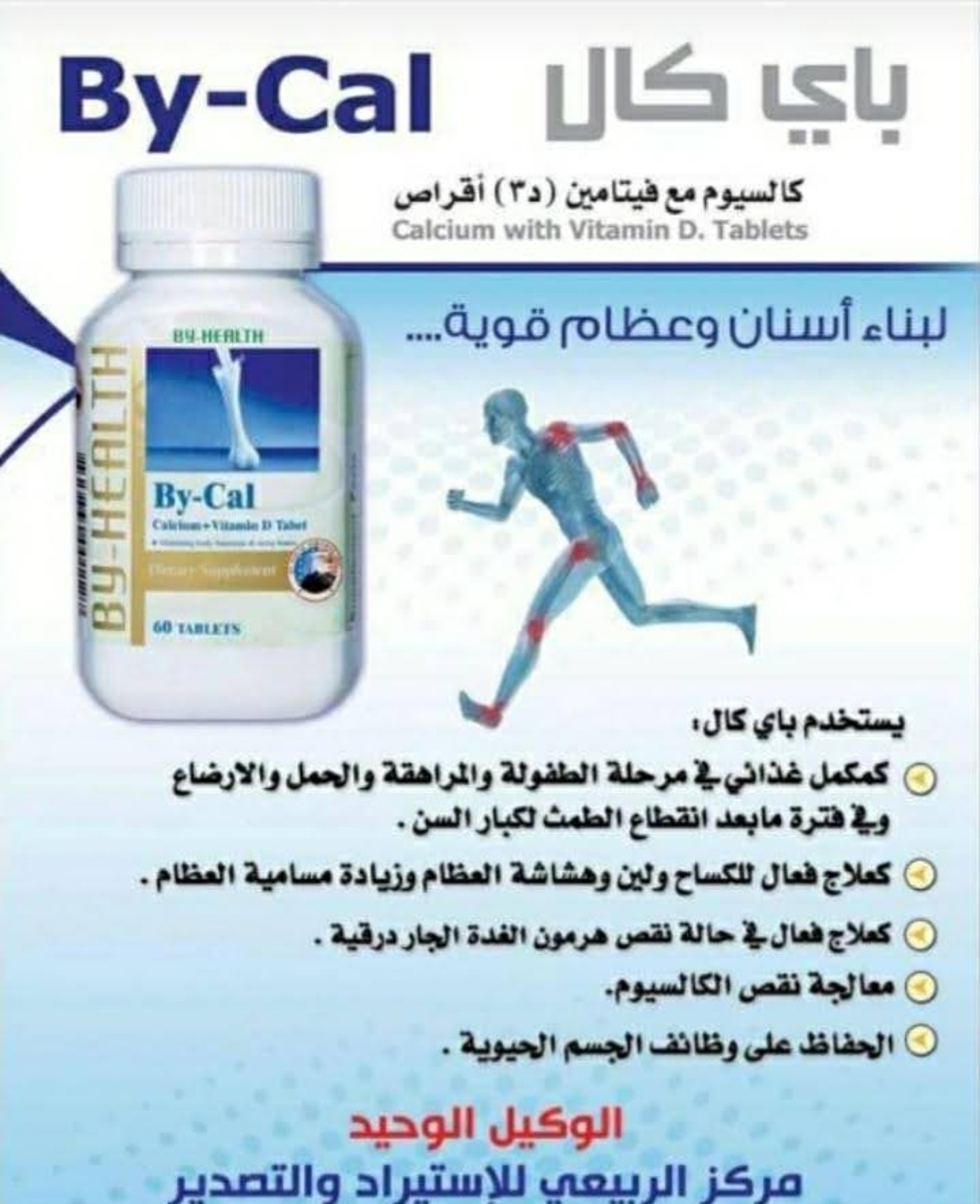
Comprehensive Introduction to By-Cal
In the realm of orthopedic health and metabolic bone disease, calcium supplementation remains a cornerstone of therapeutic intervention. By-Cal is a specialized pharmaceutical-grade calcium formulation designed to address systemic calcium deficiencies, support bone mineral density, and aid in the management of various musculoskeletal conditions.
As an orthopedic specialist, I recognize that calcium is not merely a mineral but a vital electrolyte involved in muscle contraction, nerve signaling, and blood coagulation. By-Cal bridges the gap between dietary insufficiency and clinical necessity, providing a bioavailable source of calcium designed for optimal absorption and patient compliance. This guide serves as an exhaustive resource for clinicians and patients alike, detailing the pharmacodynamics, indications, and safety protocols essential for the responsible use of this medication.
Mechanism of Action and Pharmacokinetics
The Physiological Role of Calcium
By-Cal functions by replenishing depleted serum calcium levels, which in turn regulates the parathyroid hormone (PTH) secretion. When serum calcium is low, the body resorbs calcium from the bone matrix to maintain homeostasis. By-Cal provides the necessary substrate to prevent this resorption, thereby preserving bone structural integrity.
Pharmacodynamics
Upon ingestion, the calcium salt within By-Cal dissociates in the acidic environment of the stomach. The ionized calcium is then absorbed primarily in the small intestine via both active transport (vitamin D-dependent) and passive diffusion.
Pharmacokinetic Profile
- Absorption: Bioavailability varies based on the specific salt form of the calcium in By-Cal and the presence of gastric acid.
- Distribution: Approximately 50% of serum calcium is ionized and physiologically active. The remainder is protein-bound (primarily to albumin) or complexed with anions.
- Metabolism: Calcium is not metabolized; it is an elemental mineral.
- Elimination: Primarily excreted via the kidneys (urinary calcium) and the gastrointestinal tract (fecal).
Clinical Indications and Usage
By-Cal is indicated for the treatment and prevention of several conditions characterized by calcium depletion or increased skeletal demand.
Primary Clinical Indications
| Indication | Clinical Context |
|---|---|
| Osteoporosis | Adjunct therapy to increase bone mineral density in postmenopausal women and men. |
| Hypocalcemia | Treatment of acute or chronic hypocalcemia associated with hypoparathyroidism. |
| Osteomalacia | Supporting mineralization in patients with vitamin D deficiency. |
| Pregnancy/Lactation | Supplementation to meet increased physiological demand for fetal/infant development. |
| Renal Osteodystrophy | Managing bone disease in patients with chronic kidney disease (CKD). |
Dosage Guidelines
Dosage must be individualized based on the patient's baseline serum calcium levels, dietary intake, and the specific clinical condition.
- General Supplementation: Typically 500 mg to 1,000 mg of elemental calcium daily, divided into two doses to maximize absorption.
- Osteoporosis Management: 1,200 mg of elemental calcium daily, often in conjunction with Vitamin D3 (800–2,000 IU).
- Administration Note: By-Cal should be taken with food to enhance absorption, unless otherwise specified by the prescribing physician.
Contraindications and Risks
While By-Cal is generally safe, it is contraindicated in patients with conditions that predispose them to hypercalcemia.
Contraindications
- Hypercalcemia: Elevated serum calcium levels.
- Hypercalciuria: High levels of calcium in the urine, which increases the risk of nephrolithiasis (kidney stones).
- Severe Renal Impairment: Requires close monitoring of serum phosphate and calcium levels.
- Sarcoidosis: Patients with sarcoidosis are at higher risk of hypercalcemia due to increased sensitivity to Vitamin D.
Drug Interactions
By-Cal may interfere with the absorption of other medications. It is recommended to separate the administration of By-Cal from the following by at least 2–4 hours:
* Bisphosphonates: Reduces absorption.
* Tetracycline/Quinolone Antibiotics: Calcium binds to these, reducing their efficacy.
* Thyroid Hormones (Levothyroxine): May reduce absorption of the hormone.
* Iron Supplements: Calcium can inhibit iron uptake.
Pregnancy, Lactation, and Pediatric Use
Pregnancy
Calcium is essential for fetal skeletal development. By-Cal is considered safe during pregnancy, provided the total daily intake (dietary + supplement) does not exceed the recommended upper limit (usually 2,500 mg).
Lactation
Calcium is excreted in breast milk. Supplementation is often recommended for breastfeeding mothers to prevent maternal bone mineral loss.
Pediatric Use
Dosage must be strictly calculated based on the child's weight and serum calcium monitoring. Use in children should only occur under the direct supervision of a pediatrician.
Overdose Management
Acute overdose of By-Cal can lead to hypercalcemia, presenting with symptoms such as nausea, vomiting, constipation, polyuria, polydipsia, and in severe cases, cardiac arrhythmias or renal failure.
Management Steps:
1. Immediate Cessation: Stop all calcium and Vitamin D supplementation.
2. Hydration: Aggressive intravenous hydration with isotonic saline to promote calciuresis.
3. Monitoring: Monitor serum calcium, creatinine, and ECG.
4. Loop Diuretics: Furosemide may be administered to enhance urinary calcium excretion (only after adequate hydration).
Frequently Asked Questions (FAQ)
1. What is the best time of day to take By-Cal?
It is generally recommended to take By-Cal with a meal. This increases the acidity in the stomach, which significantly improves the dissolution and absorption of the calcium.
2. Can I take By-Cal if I have kidney stones?
Patients with a history of calcium-oxalate kidney stones should consult their urologist. While calcium supplementation is often necessary for bone health, excessive amounts can increase urinary calcium, potentially worsening stone formation.
3. Does By-Cal interact with my blood pressure medication?
Calcium channel blockers (CCBs) are used for blood pressure; however, oral calcium supplements generally do not interfere with the mechanism of these drugs. Always consult your pharmacist for your specific medication list.
4. Is By-Cal suitable for vegans?
Depending on the source of the calcium and the manufacturing process (e.g., shell-derived vs. mineral-derived), patients should check the label for vegan certification.
5. Why do I need to take Vitamin D with By-Cal?
Vitamin D is essential for the active transport of calcium across the intestinal wall. Without sufficient Vitamin D, calcium absorption is significantly reduced, rendering the supplement less effective.
6. Can I take all my By-Cal at once?
Absorption of calcium is dose-dependent. The body absorbs smaller doses (500mg or less) much more efficiently than a single large dose. It is best to divide the daily requirement.
7. What are the common side effects?
The most common side effects include constipation, gas, and bloating. Increasing fluid intake and fiber consumption usually mitigates these symptoms.
8. How long does it take to see improvements in bone density?
Bone remodeling is a slow process. Clinical improvements in bone mineral density (measured via DXA scan) are typically assessed after 12 to 24 months of consistent therapy.
9. Can By-Cal be taken with coffee?
Caffeine can have a mild diuretic effect and may slightly increase calcium excretion. It is recommended to separate your By-Cal dose from high-caffeine intake by an hour.
10. What should I do if I miss a dose?
If you miss a dose, take it as soon as you remember. If it is almost time for your next dose, skip the missed one. Do not take a double dose to make up for the one you missed.
Conclusion
By-Cal represents a vital tool in the orthopedic and metabolic toolkit. By understanding its pharmacokinetics and respecting the nuances of its administration, patients can effectively manage bone health and prevent complications associated with deficiency. As with all pharmaceutical interventions, consultation with a qualified medical professional is essential to tailor the dosage and ensure that By-Cal is the right fit for your specific health profile. Always prioritize a balanced diet alongside supplementation to ensure holistic wellness.