

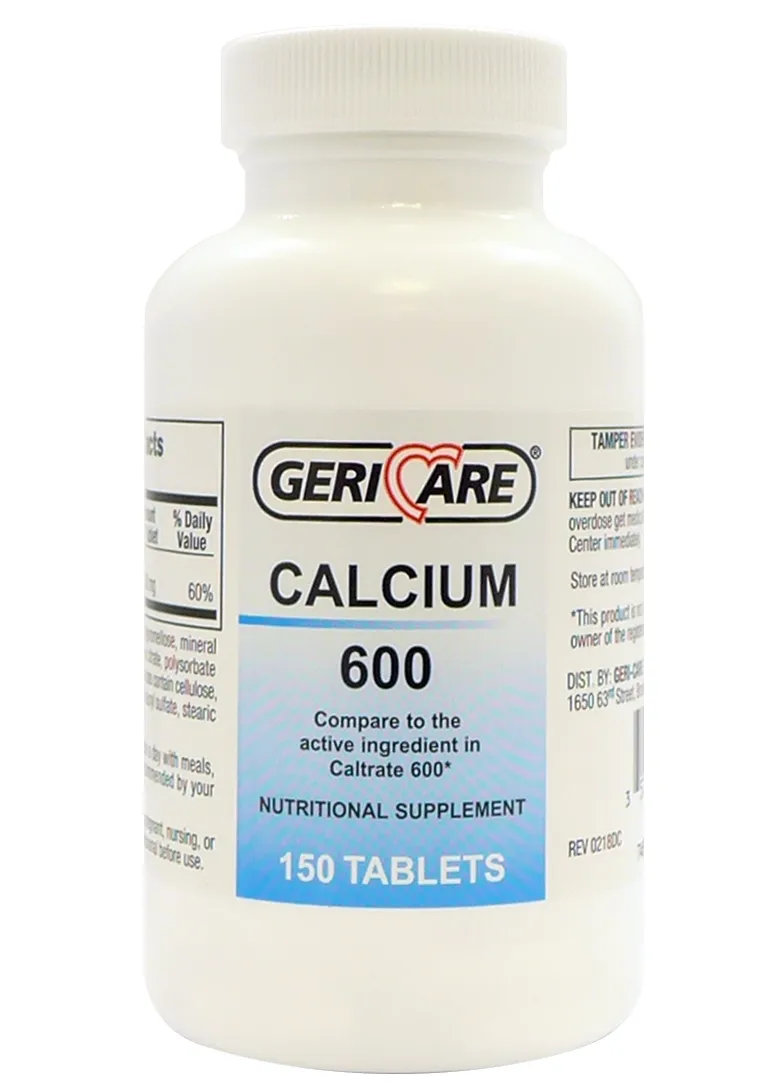

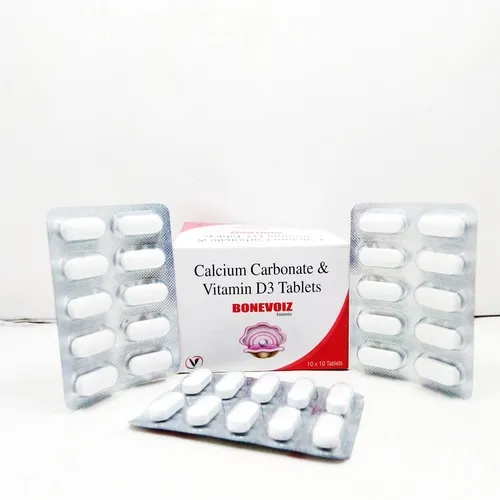
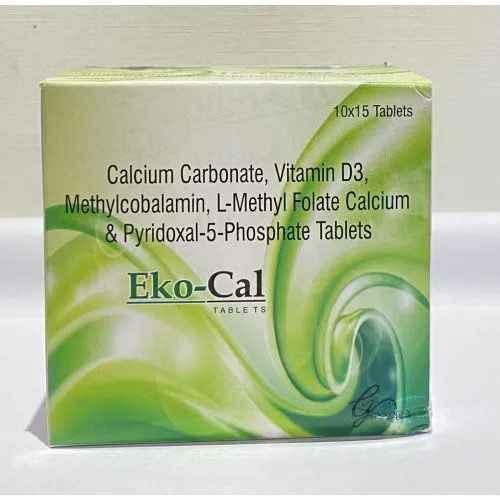

Introduction to Calcium Carbonate: The Foundation of Bone Health
Calcium carbonate is one of the most widely utilized pharmacological agents in modern medicine. As an inorganic salt, it serves as a cornerstone therapy for calcium deficiency, a therapeutic antacid for gastric distress, and a vital adjunct in the management of chronic kidney disease (CKD) and osteoporosis.
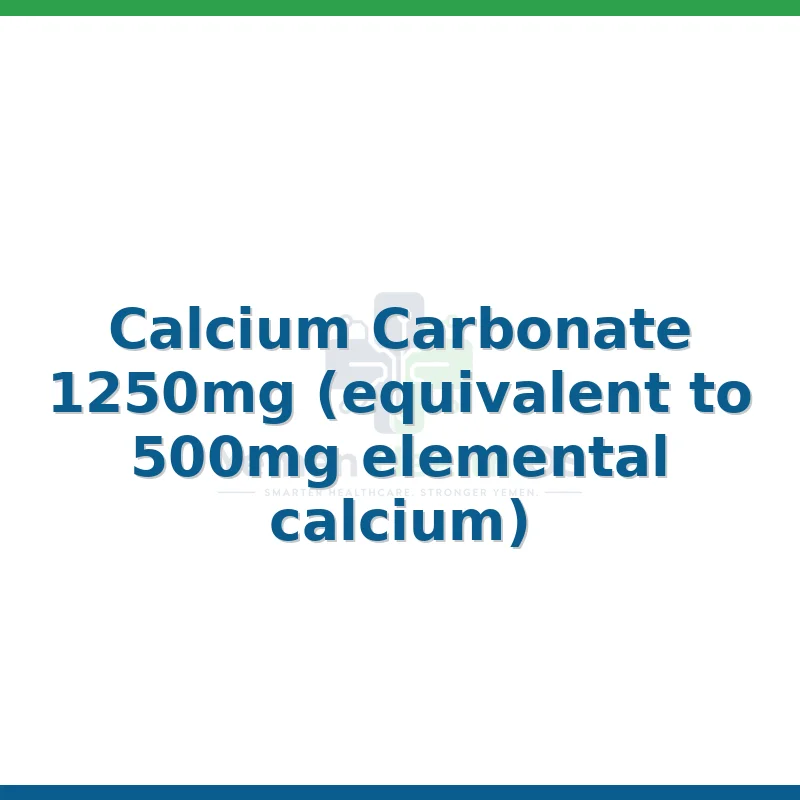
From an orthopedic perspective, calcium homeostasis is non-negotiable. Calcium carbonate represents the most concentrated form of elemental calcium (approximately 40% by weight), making it the gold-standard choice for patients requiring supplementation to maintain bone mineral density (BMD) and neuromuscular function. This guide provides an exhaustive clinical overview of its pharmacological profile, administration protocols, and safety considerations.
Technical Specifications and Mechanisms of Action
Understanding how calcium carbonate functions requires a look at its chemical behavior within the gastrointestinal (GI) tract and the systemic circulation.
Pharmacodynamics
Calcium carbonate is a basic salt. Its mechanism of action is dual-faceted:
- As an Antacid: Upon ingestion, calcium carbonate reacts with hydrochloric acid (HCl) in the gastric lumen to form calcium chloride, water, and carbon dioxide. This neutralization reaction raises the gastric pH, providing rapid symptomatic relief for dyspepsia and gastroesophageal reflux disease (GERD).
- Chemical Equation: CaCO3 + 2HCl → CaCl2 + H2O + CO2
- As a Calcium Supplement: Once dissolved, the ionized calcium ($Ca^{2+}$) is absorbed primarily in the duodenum and proximal jejunum via both active transport (vitamin D-dependent) and passive diffusion. Once absorbed, it enters the systemic circulation, where it plays a critical role in bone mineralization, muscle contraction, nerve transmission, and intracellular signaling.
Pharmacokinetics
- Absorption: Calcium carbonate is highly dependent on gastric acidity for dissolution. Therefore, it is clinically recommended to be taken with food to optimize the acidic environment.
- Distribution: Once in the blood, calcium is roughly 50% ionized (the physiologically active form), 40% bound to albumin, and 10% complexed with anions like phosphate and citrate.
- Excretion: Excess calcium is excreted primarily through the feces (unabsorbed portion) and the kidneys. Renal excretion is tightly regulated by parathyroid hormone (PTH) and calcitriol.
Clinical Indications and Therapeutic Usage
Calcium carbonate is indicated for a variety of clinical conditions. Practitioners must tailor the dosage based on the specific pathology being addressed.
| Indication | Clinical Rationale |
|---|---|
| Hypocalcemia | Restores serum calcium levels in patients with deficiency. |
| Osteoporosis | Adjunct to Vitamin D for preventing bone loss in postmenopausal women. |
| Hyperphosphatemia | Used in CKD patients as a phosphate binder to prevent renal osteodystrophy. |
| Dyspepsia/GERD | Acts as an immediate-release antacid to neutralize gastric acid. |
| Osteomalacia/Rickets | Provides the necessary substrate for bone mineralization. |
Dosage Guidelines
Dosage is highly individualized. The goal is to reach the Recommended Dietary Allowance (RDA) while avoiding hypercalcemia.
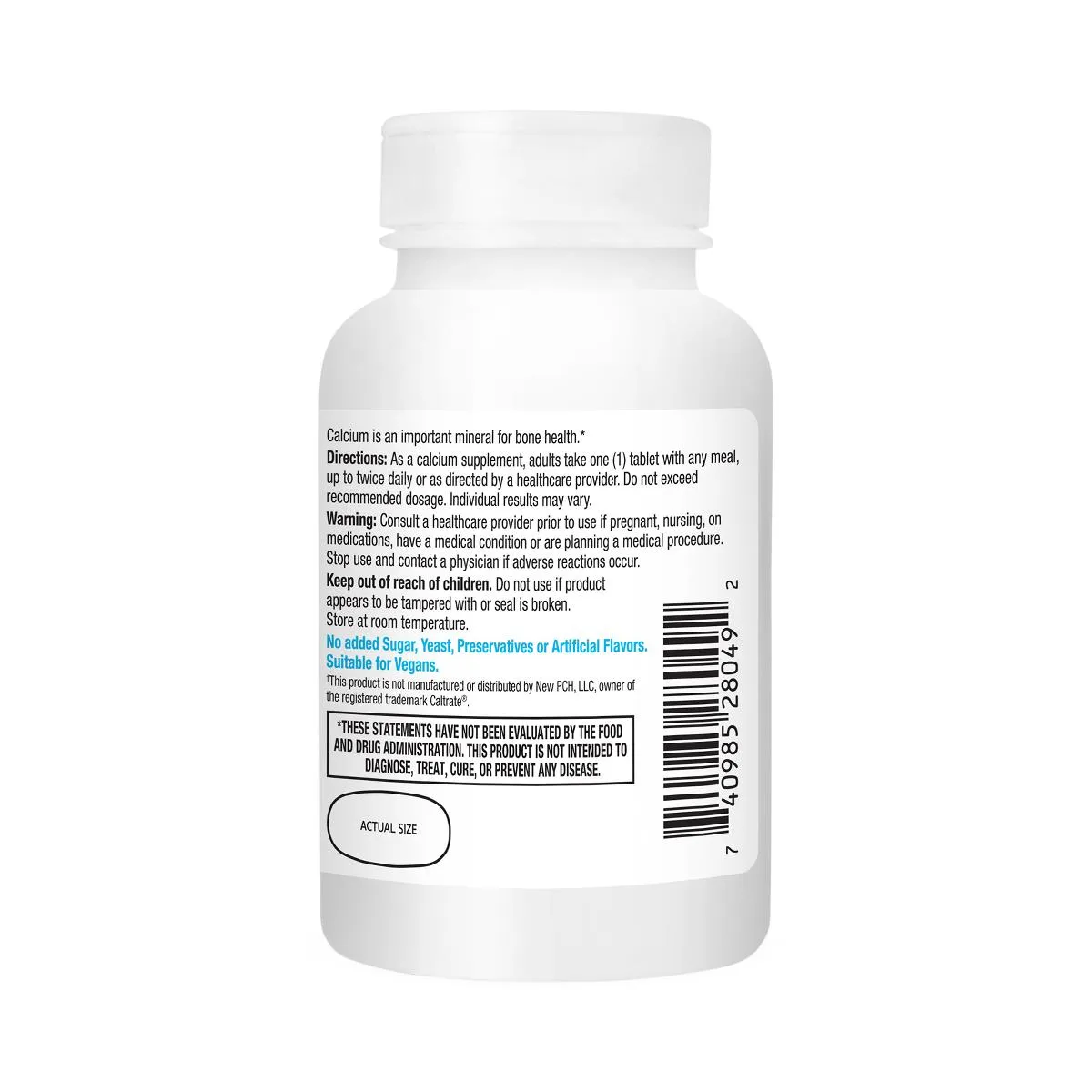
- General Supplementation: 500 mg to 1,200 mg of elemental calcium daily, divided into doses not exceeding 500 mg per serving to maximize absorption.
- Phosphate Binding (CKD): Doses are often higher and must be taken with meals to bind dietary phosphorus. Monitoring of serum calcium-phosphate product is mandatory.
- Antacid Use: 500 mg to 1,500 mg as needed for symptoms, not to exceed the maximum daily limit listed on the product packaging (typically 7,500 mg/day).
Risks, Side Effects, and Contraindications
While generally safe, calcium carbonate is not without risk. Clinicians must screen for contraindications before initiation.
Common Side Effects
- Gastrointestinal: Constipation is the most frequent complaint. Flatulence and bloating may occur due to the release of CO2 in the stomach.
- Hypercalcemia: Excessive intake can lead to elevated serum calcium, manifesting as nausea, vomiting, confusion, and polyuria.
- Nephrolithiasis: While dietary calcium reduces kidney stone risk, excessive supplemental calcium can increase urinary calcium excretion, potentially predisposing susceptible individuals to calcium oxalate stones.
Contraindications
- Hypercalcemia: Absolute contraindication.
- Hypercalciuria: Patients with severe hypercalciuria should avoid supplemental calcium.
- Hypophosphatemia: Unless under strict medical supervision.
- Sarcoidosis/Granulomatous Disease: These conditions often involve unregulated calcitriol production, increasing the risk of hypercalcemia.
Drug Interactions: A Critical Review
Calcium carbonate interacts with several classes of medication, primarily by altering gastric pH or forming insoluble complexes.
- Bisphosphonates: Calcium inhibits the absorption of bisphosphonates. A gap of at least 2 hours is required.
- Levothyroxine: Calcium significantly reduces levothyroxine absorption. Separate administration by 4 hours.
- Tetracycline/Quinolone Antibiotics: Calcium forms chelates with these drugs, rendering them ineffective.
- Iron Supplements: Calcium interferes with iron absorption. Take at different times of the day.
- Thiazide Diuretics: These drugs decrease urinary calcium excretion, which may lead to hypercalcemia when combined with calcium supplements.
Pregnancy and Lactation Warnings
Calcium requirements increase during pregnancy and lactation to support fetal skeletal development and milk production. Calcium carbonate is considered safe (Category A) when used within recommended dietary limits. However, clinicians should ensure that the total daily intake (diet plus supplements) does not exceed the upper tolerable limit to prevent maternal hypercalcemia and potential fetal complications.
Overdose Management
Acute overdose of calcium carbonate is rare but can result in "Milk-Alkali Syndrome" (hypercalcemia, metabolic alkalosis, and renal insufficiency).
- Symptoms: Severe nausea, vomiting, cardiac arrhythmias, lethargy, and mental status changes.
- Management:
- Discontinue the calcium source immediately.
- Hydration with isotonic saline to promote calciuresis.
- Loop diuretics (e.g., furosemide) may be utilized to enhance renal calcium excretion once volume status is restored.
- In severe cases, hemodialysis may be required if renal function is compromised.
Frequently Asked Questions (FAQ)
1. Is Calcium Carbonate better than Calcium Citrate?
Calcium carbonate has a higher percentage of elemental calcium (40%) compared to citrate (21%). However, carbonate requires stomach acid for absorption, making citrate a better choice for patients with achlorhydria or those on proton pump inhibitors (PPIs).
2. Can I take calcium carbonate on an empty stomach?
It is not recommended. Calcium carbonate requires an acidic environment to dissolve. Taking it with a meal ensures optimal absorption and reduces the risk of GI side effects.
3. Does calcium cause kidney stones?
Paradoxically, low dietary calcium can increase the risk of stones because calcium binds with oxalate in the gut. However, excessive supplemental calcium can increase urinary calcium. A balanced intake is key.
4. How long should I wait between taking calcium and other meds?
As a general rule, separate calcium carbonate from other medications by at least 2 to 4 hours to avoid drug-drug interactions.
5. Is there a maximum daily limit for calcium?
For most adults, the tolerable upper intake level (UL) is 2,000–2,500 mg per day from all sources combined.
6. Can calcium carbonate cause constipation?
Yes, constipation is a common side effect. Increasing fluid and fiber intake often helps mitigate this issue.
7. Why is it used for kidney disease patients?
In chronic kidney disease, the kidneys cannot excrete phosphorus efficiently. Calcium carbonate acts as a phosphate binder in the gut, preventing the absorption of dietary phosphorus.
8. Does calcium carbonate help with bone density?
Yes, when used alongside Vitamin D, it is effective in slowing the rate of bone loss and reducing the risk of osteoporotic fractures.
9. What are the symptoms of too much calcium?
Symptoms include nausea, vomiting, increased thirst, frequent urination, constipation, and in severe cases, confusion or heart palpitations.
10. Should I take calcium carbonate with Vitamin D?
Yes. Vitamin D is essential for the active transport of calcium in the gut. Most clinical guidelines recommend co-administration to ensure maximal bone-building efficacy.
Conclusion
Calcium carbonate remains a vital therapeutic tool in the orthopedic and metabolic toolkit. Its efficacy as an antacid, phosphate binder, and bone health supplement is well-documented. However, its dependence on gastric pH and its potential for drug interactions necessitate professional guidance. Patients should always consult with their healthcare provider to determine the appropriate dosage and timing based on their unique medical history and current medication regimen. By following these evidence-based guidelines, patients can safely leverage the benefits of calcium carbonate to support long-term skeletal integrity and metabolic health.