
Comprehensive Overview: The Synergy of Calcium and Vitamin D3
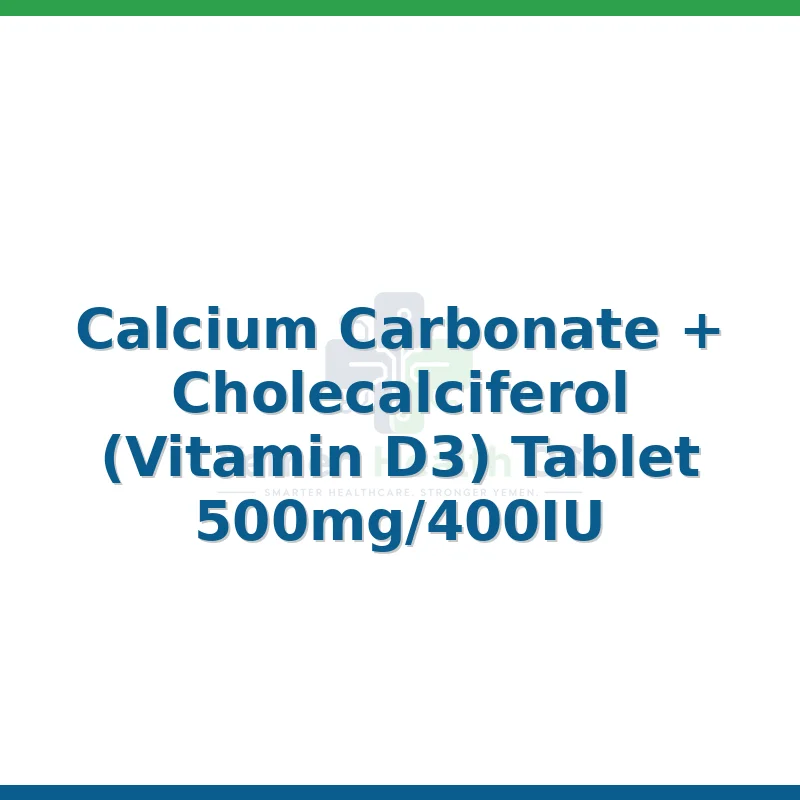
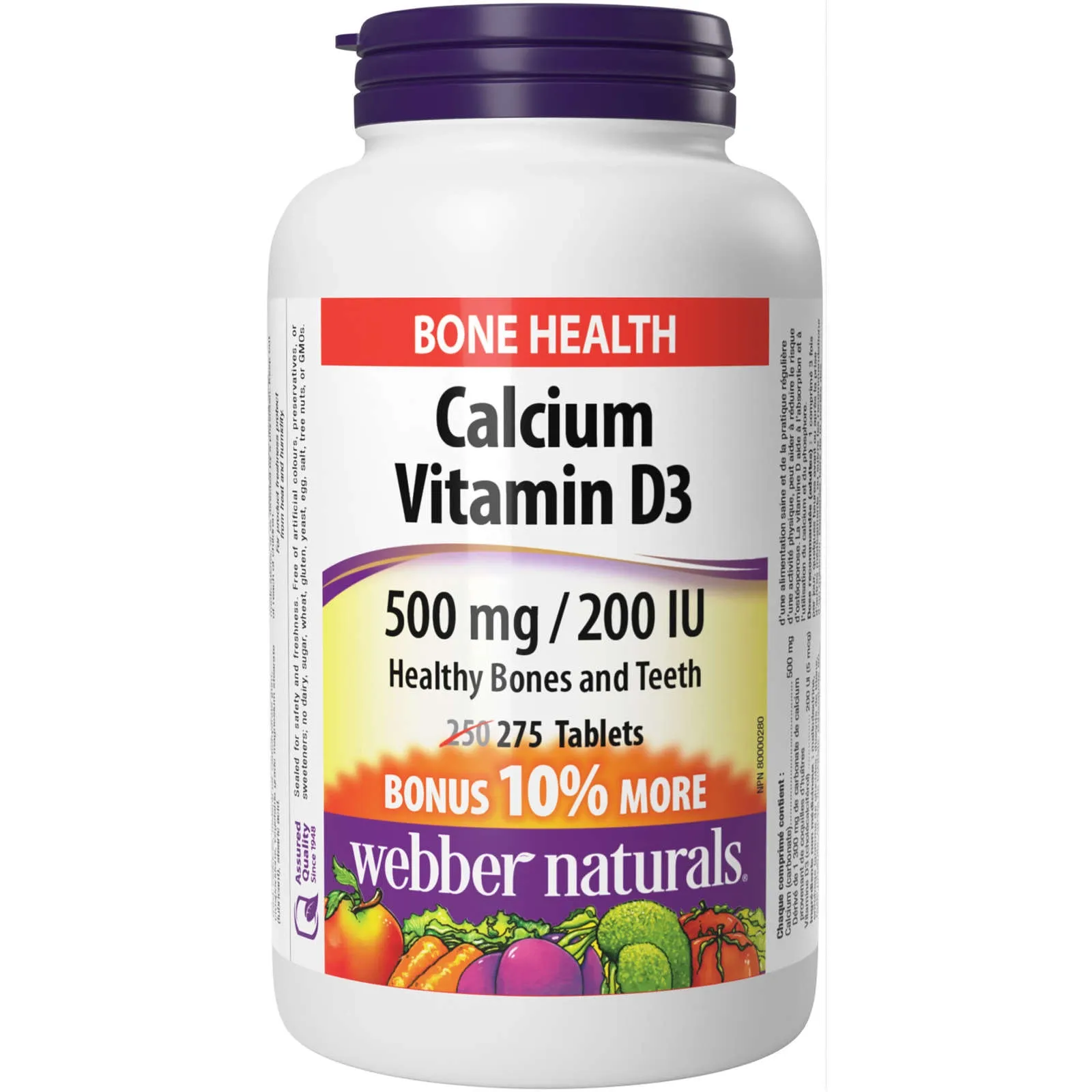
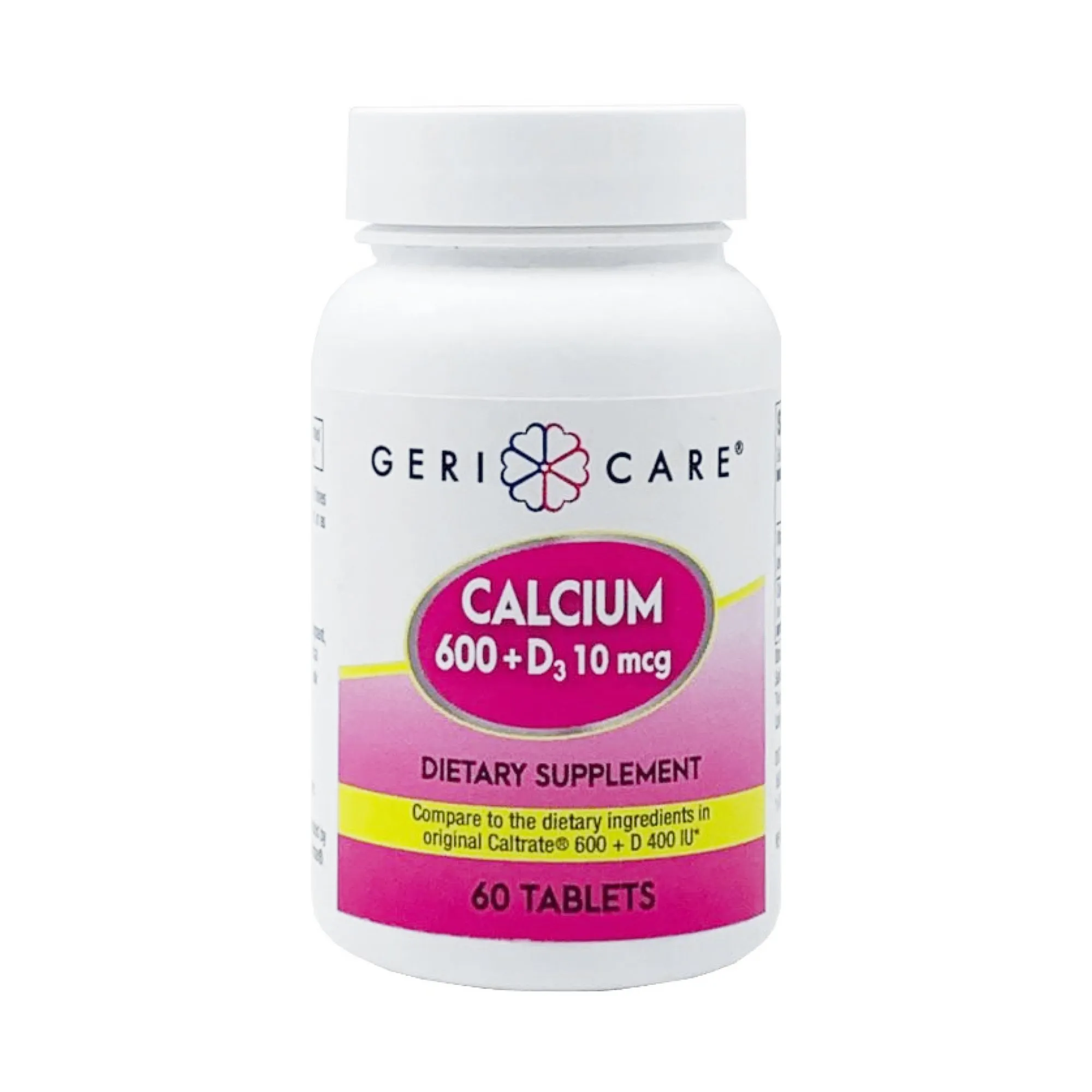
Calcium Carbonate combined with Cholecalciferol (Vitamin D3) represents one of the most frequently prescribed therapeutic interventions in orthopedic and geriatric medicine. As a fixed-dose combination, this medication addresses the fundamental requirements for bone mineral density (BMD) maintenance and musculoskeletal integrity.
Calcium is the most abundant mineral in the human body, serving as the primary structural component of the skeletal system. However, the human body cannot effectively absorb calcium in the absence of adequate Vitamin D3. Cholecalciferol acts as a prohormone that regulates the intestinal absorption of dietary calcium, making this combination a synergistic powerhouse for patients suffering from or at risk of osteoporosis, osteomalacia, and various hypocalcemic conditions.
Technical Specifications and Mechanisms of Action
To understand the clinical utility of this tablet, one must examine the distinct but complementary pharmacological pathways of its two active components.
1. Calcium Carbonate: The Mineral Foundation
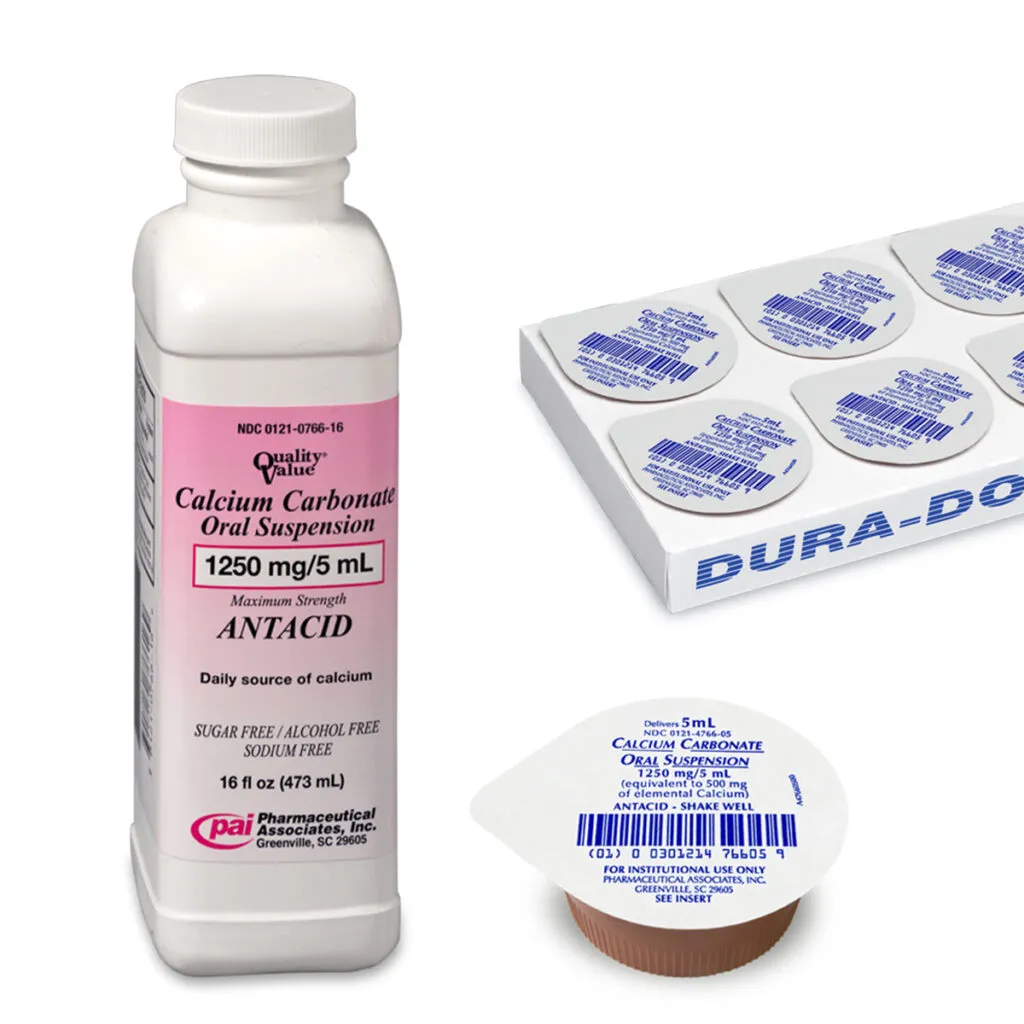
Calcium Carbonate contains the highest percentage of elemental calcium (approximately 40% by weight) among common calcium salts. Upon ingestion, it dissociates in the acidic environment of the stomach into ionized calcium. This ionized form is then available for absorption in the small intestine, primarily through both active transport and passive diffusion.
2. Cholecalciferol (Vitamin D3): The Absorption Catalyst
Vitamin D3 is essential for the upregulation of calcium-binding proteins (calbindins) within the intestinal epithelial cells.
* Mechanism: Once ingested, Cholecalciferol is transported to the liver, where it is hydroxylated to 25-hydroxyvitamin D [25(OH)D]. It then moves to the kidneys, where it is converted into its active form, 1,25-dihydroxyvitamin D [1,25(OH)2D], or calcitriol.
* Effect: Calcitriol binds to the Vitamin D Receptor (VDR), promoting the expression of genes responsible for calcium transport, thereby drastically increasing the efficiency of calcium uptake into the bloodstream.
Pharmacokinetics Summary
| Feature | Calcium Carbonate | Cholecalciferol (D3) |
|---|---|---|
| Absorption | Requires gastric acid for dissolution | Absorbed in the small intestine via bile salts |
| Metabolism | N/A (Mineral) | Liver (25-hydroxylation) & Kidney (1-alpha-hydroxylation) |
| Excretion | Primarily fecal; renal for excess | Biliary and renal |
Clinical Indications and Therapeutic Usage
This medication is primarily indicated for the management of conditions where calcium and Vitamin D homeostasis is compromised.
Primary Indications
- Osteoporosis: Used as an adjunct to bisphosphonates or as a preventative measure in postmenopausal women and elderly men to reduce the risk of vertebral and non-vertebral fractures.
- Osteomalacia and Rickets: Correcting deficiencies that lead to the softening of bones.
- Hypocalcemia: Management of chronic hypocalcemia resulting from hypoparathyroidism or malabsorption syndromes.
- Pregnancy and Lactation: Supplementation to meet the increased physiological demand for calcium during fetal bone development and breastfeeding.
Dosage Guidelines
Dosage must be individualized based on the patient’s serum calcium levels, dietary intake, and underlying pathology.
| Patient Group | Typical Daily Dosage |
|---|---|
| Adults (General Bone Health) | 500mg - 1000mg Calcium / 400-800 IU D3 |
| Postmenopausal Women | 1200mg Calcium / 800-2000 IU D3 |
| Elderly (>65 years) | 1200mg Calcium / 1000-2000 IU D3 |
Note: It is generally recommended to divide calcium doses (e.g., 500mg at a time) to maximize absorption efficiency, as the intestinal absorption of calcium saturates at higher single doses.
Risks, Side Effects, and Contraindications
While generally safe, the administration of Calcium Carbonate + Vitamin D3 is not without risks, particularly regarding gastrointestinal distress and potential hypercalcemia.
Common Side Effects
- Gastrointestinal: Constipation, bloating, gas, and abdominal discomfort. These are often mitigated by increasing water intake and dietary fiber.
- Hypercalcemia: Rare, but possible if dosage exceeds physiological requirements, leading to nausea, vomiting, confusion, and polyuria.
Absolute Contraindications
- Hypercalcemia: Elevated serum calcium levels.
- Hypercalciuria: Excessive calcium in the urine, which increases the risk of nephrolithiasis (kidney stones).
- Nephrolithiasis: Patients with a history of calcium-based kidney stones should exercise caution.
- Severe Renal Impairment: Patients with end-stage renal disease (ESRD) may require specialized monitoring.
Drug Interactions
It is critical to space the administration of Calcium Carbonate from other medications, as it can alter the absorption of several drugs:
1. Bisphosphonates: Take at least 2 hours apart.
2. Tetracycline/Quinolone Antibiotics: Calcium can chelate these drugs, reducing their efficacy.
3. Levothyroxine: Calcium interferes with thyroid hormone absorption; separate by at least 4 hours.
4. Iron Supplements: Calcium can inhibit iron absorption.
Pregnancy and Lactation Warnings
Calcium and Vitamin D requirements increase during pregnancy to support the mineralization of the fetal skeleton.
* Pregnancy: Supplementation is generally considered safe when kept within the Recommended Dietary Allowance (RDA). Excessive intake should be avoided to prevent fetal hypercalcemia.
* Lactation: Calcium is excreted in breast milk. Supplementation is beneficial for the mother to prevent bone density loss during the nursing period.
Overdose Management
Acute overdose of Calcium Carbonate + D3 can lead to "Milk-Alkali Syndrome" or acute hypercalcemia.
- Symptoms: Severe nausea, vomiting, cardiac arrhythmias, lethargy, and in extreme cases, coma.
- Clinical Management:
- Immediate cessation of the supplement.
- Hydration with intravenous saline to promote calciuresis.
- Administration of loop diuretics (e.g., furosemide) if necessary to enhance calcium excretion.
- Monitoring of serum electrolytes and cardiac function (ECG).
Frequently Asked Questions (FAQ)
1. Is it better to take calcium with or without food?
Calcium Carbonate requires stomach acid for optimal absorption. Therefore, it is highly recommended to take this tablet with a meal.
2. Can I take this with my multivitamin?
Check the label of your multivitamin first. Many multivitamins already contain calcium and Vitamin D. Taking both could lead to exceeding the daily upper limit.
3. Will this cause kidney stones?
For most people, normal calcium intake does not increase the risk of stones. However, for those predisposed to calcium-oxalate stones, excessive supplementation without medical supervision can be a risk factor.
4. What is the difference between Calcium Carbonate and Calcium Citrate?
Calcium Carbonate requires acid for absorption (best with food), while Calcium Citrate does not and can be taken on an empty stomach. Carbonate is generally more cost-effective and contains more elemental calcium.
5. Why is Vitamin D3 included in the tablet?
Vitamin D3 is necessary for the active transport of calcium across the intestinal wall. Without D3, only about 10-15% of dietary calcium is absorbed.
6. Can this tablet help with arthritis?
While it strengthens the bone structure around the joint, it is not a direct treatment for the inflammation associated with rheumatoid arthritis or the cartilage degradation of osteoarthritis.
7. How long should I take this supplement?
Long-term use is often required for osteoporosis management. Always follow the duration prescribed by your physician based on your DEXA scan results.
8. What should I do if I miss a dose?
Take it as soon as you remember. If it is nearly time for your next dose, skip the missed dose. Do not "double up" to make up for a forgotten pill.
9. Can I drink coffee while taking this?
Caffeine can slightly increase calcium excretion in the urine. It is best to avoid taking your calcium tablet at the exact same time as your morning coffee.
10. Does this medication have an expiration date?
Yes. Like all pharmaceuticals, the potency of the vitamins and the stability of the mineral compound can degrade over time. Do not consume past the manufacturer's expiry date.
Conclusion
Calcium Carbonate + Cholecalciferol (Vitamin D3) remains the gold standard for foundational bone health. By understanding its mechanism—specifically the reliance on gastric pH and the VDR pathway—patients and providers can optimize its efficacy. As with any pharmacological regimen, adherence, proper timing relative to other medications, and periodic monitoring of serum levels are the pillars of safe and successful treatment. Always consult with your orthopedic specialist or primary care physician before initiating high-dose supplementation to ensure it aligns with your specific metabolic profile and bone health requirements.