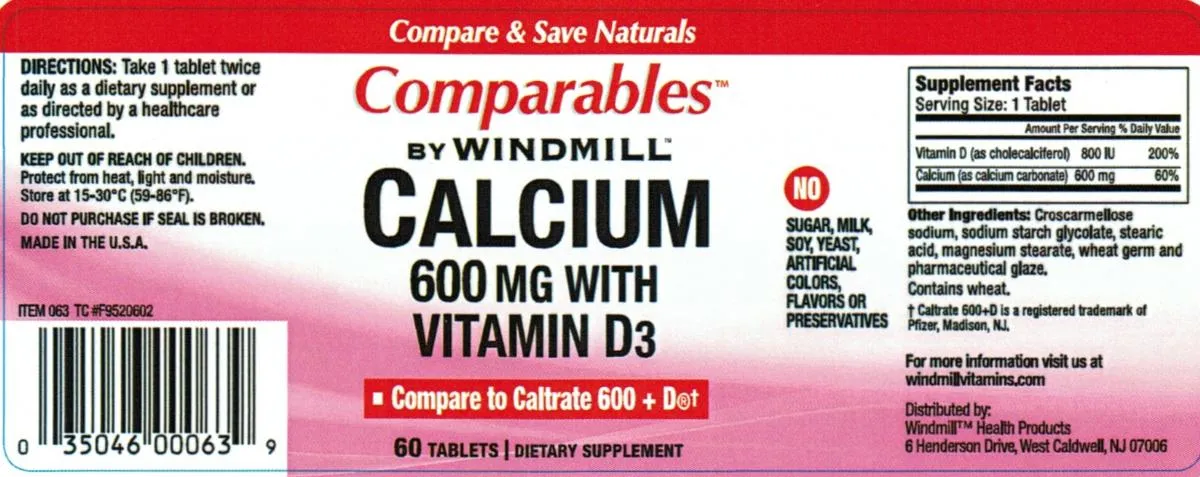
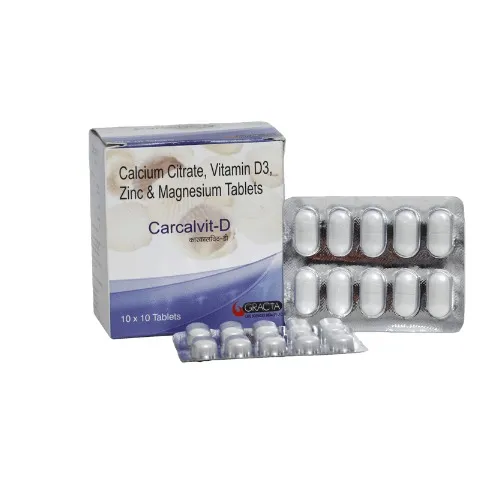

Introduction to Calcium Citrate with Vitamin D3
Calcium Citrate with Vitamin D3 is a cornerstone of modern musculoskeletal medicine. While calcium is the most abundant mineral in the human body, serving as the primary structural component of the skeletal system, Vitamin D3 (cholecalciferol) acts as the essential "gatekeeper" that enables its absorption.
Unlike Calcium Carbonate, which requires an acidic environment for dissolution, Calcium Citrate is highly bioavailable regardless of gastric pH. This makes it the gold-standard therapeutic choice for patients with achlorhydria, those taking proton pump inhibitors (PPIs), or the elderly population experiencing age-related decreases in stomach acid production.
Mechanism of Action: The Synergy of Bone Mineralization
The effectiveness of this formulation lies in the synergistic relationship between the mineral and the hormone-like vitamin.
1. Calcium Citrate Mechanism
Calcium acts as a divalent cation necessary for bone mineralization, signal transduction, and muscular contraction. Calcium Citrate dissociates in the gastrointestinal tract to release free calcium ions. Because it is non-dependent on gastric acid, it provides a consistent blood calcium level, which is critical for maintaining homeostatic serum concentrations and preventing the parathyroid gland from leaching calcium from the bones (a process known as bone resorption).
2. Vitamin D3 (Cholecalciferol) Mechanism
Vitamin D3 is hydroxylated in the liver to 25-hydroxyvitamin D [25(OH)D] and subsequently in the kidneys to its active form, 1,25-dihydroxyvitamin D [1,25(OH)2D] or calcitriol. This active form binds to the Vitamin D Receptor (VDR) in the intestinal mucosa, stimulating the expression of calcium-binding proteins (calbindin), which facilitate the active transport of calcium across the intestinal epithelium into the bloodstream.
Pharmacokinetics
| Parameter | Calcium Citrate | Vitamin D3 |
|---|---|---|
| Absorption | Independent of gastric acid | Absorbed in the small intestine (requires bile) |
| Metabolism | N/A (Ionized mineral) | Liver (25-hydroxylation) & Kidney (1-hydroxylation) |
| Excretion | Renal and Fecal | Bile and feces |
| Bioavailability | Superior to Carbonate | Highly dependent on fat intake |
Clinical Indications and Therapeutic Usage
Calcium Citrate with Vitamin D3 is indicated for the prevention and treatment of various metabolic bone disorders.
- Osteoporosis: Used as an adjunct therapy to bisphosphonates or RANK ligand inhibitors.
- Osteopenia: To prevent the progression of low bone mineral density.
- Hypocalcemia: Treatment of calcium deficiency in patients who cannot meet dietary requirements.
- Post-Gastric Bypass Surgery: Due to altered anatomy and reduced acid production, Calcium Citrate is the only recommended form for bariatric patients.
- Renal Impairment: Often preferred in patients with mild-to-moderate chronic kidney disease who require calcium supplementation.
Recommended Dosage Guidelines
Dosage must be individualized based on serum calcium, 25(OH)D levels, and dietary intake.
- General Adult Maintenance: 500–1,200 mg of Calcium daily, divided into doses of no more than 500 mg to maximize absorption.
- Vitamin D3: 800–2,000 IU daily, depending on baseline serum testing.
- Administration: Can be taken with or without food.
Contraindications and Safety Precautions
While generally well-tolerated, specific clinical scenarios necessitate caution:
Absolute Contraindications
- Hypercalcemia: Elevated serum calcium levels.
- Hypercalciuria: High levels of calcium in the urine (risk of nephrolithiasis).
- Nephrolithiasis: History of calcium-based kidney stones (requires urological consultation).
- Hypervitaminosis D: Excessive Vitamin D levels.
Drug Interactions
Calcium Citrate can interfere with the absorption of several medications. A "gap" of 2–4 hours is recommended between taking calcium and the following:
- Bisphosphonates: Calcium inhibits the absorption of oral bisphosphonates.
- Thyroid Hormone (Levothyroxine): Calcium significantly reduces the bioavailability of thyroid medication.
- Tetracycline/Quinolone Antibiotics: Calcium forms insoluble chelates with these drugs.
- Iron Supplements: Calcium can inhibit iron absorption.
Pregnancy and Lactation
Calcium requirements increase during pregnancy and lactation to support fetal skeletal development and milk production. Supplementation is generally considered safe, but the total daily intake (dietary + supplemental) should not exceed the Tolerable Upper Intake Level (UL) of 2,500 mg per day to avoid fetal hypercalcemia.
Overdose Management
Acute toxicity is rare but manifests as hypercalcemia.
- Symptoms: Nausea, vomiting, constipation, polyuria, polydipsia, confusion, and in severe cases, cardiac arrhythmias.
- Management: Discontinuation of the supplement, hydration (intravenous saline), and potentially the use of loop diuretics or bisphosphonates to lower serum calcium levels under strict medical supervision.
Frequently Asked Questions (FAQ)
1. Is Calcium Citrate better than Calcium Carbonate?
Yes, for many patients. Calcium Citrate does not require stomach acid for absorption, making it superior for patients on acid-reducing medication or the elderly.
2. Can I take my entire daily dose at once?
No. The body can only absorb about 500 mg of elemental calcium at one time. It is best to split the dose throughout the day.
3. Does this supplement cause kidney stones?
While calcium is necessary for bone health, excessive intake can lead to hypercalciuria. Always consult a physician if you have a history of kidney stones.
4. Should I take it with food?
Calcium Citrate is unique because it can be taken with or without food. However, taking it with a meal may help reduce minor gastrointestinal discomfort for sensitive individuals.
5. How long does it take to see results?
Bone mineral density changes slowly. Clinical improvement is usually monitored via DXA scans over 12 to 24-month intervals.
6. Can I take this if I have high blood pressure?
Generally, yes. However, if you are on thiazide diuretics, you should consult your doctor, as these can increase serum calcium levels.
7. What is the role of Vitamin D3 specifically?
Vitamin D3 increases the efficiency of calcium absorption in the gut. Without sufficient D3, only 10–15% of dietary calcium is absorbed.
8. Are there any side effects?
Minor side effects may include constipation, bloating, or gas. Increasing fiber and fluid intake usually resolves these symptoms.
9. Can children take this?
Only under the strict guidance of a pediatrician. Calcium needs for children are usually met through diet.
10. Does this interact with my heart medication?
Calcium can interact with certain calcium channel blockers. Always provide a full medication list to your healthcare provider before starting supplementation.
Conclusion
Calcium Citrate with Vitamin D3 represents a scientifically robust approach to maintaining skeletal integrity. By bypassing the limitations of gastric acidity and leveraging the hormonal power of Vitamin D3, this supplement remains an essential tool in the orthopedic and geriatric medicine toolkit. As with any medical intervention, clinical efficacy is maximized when the supplement is integrated into a comprehensive health plan involving weight-bearing exercise, a balanced diet, and regular monitoring of blood chemistry.
Disclaimer: This guide is intended for informational purposes for healthcare professionals and patients. It does not replace professional medical advice, diagnosis, or treatment. Always seek the advice of your physician or qualified health provider with any questions regarding a medical condition or supplement regimen.