
Comprehensive Guide to Cymbalta (Duloxetine): Clinical Overview
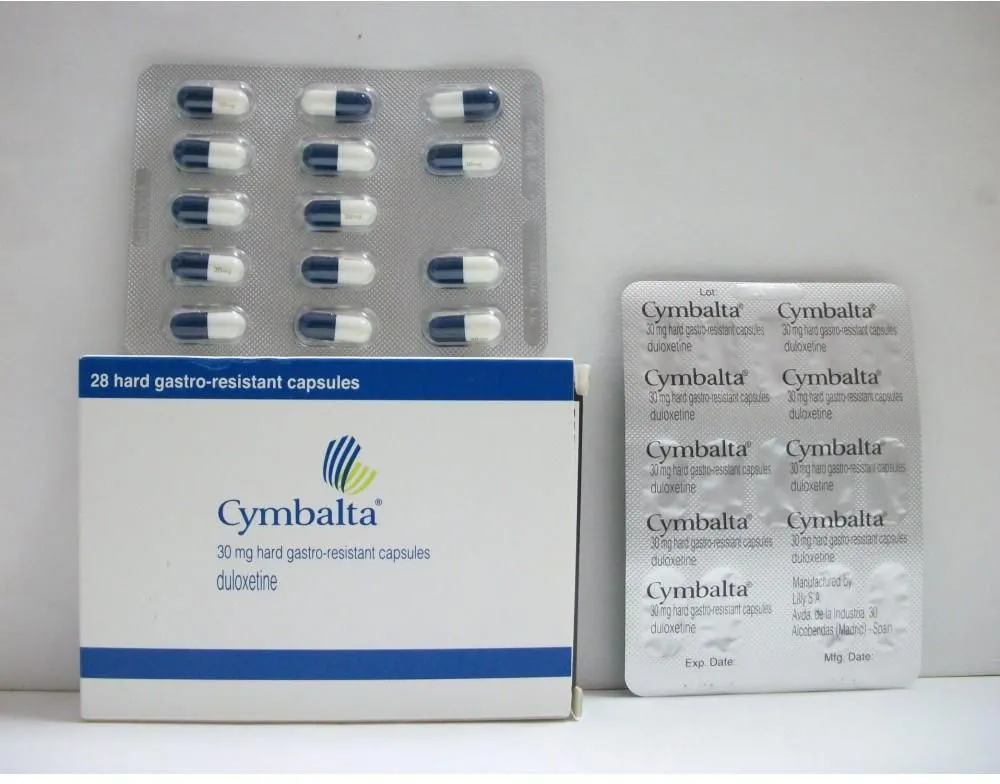
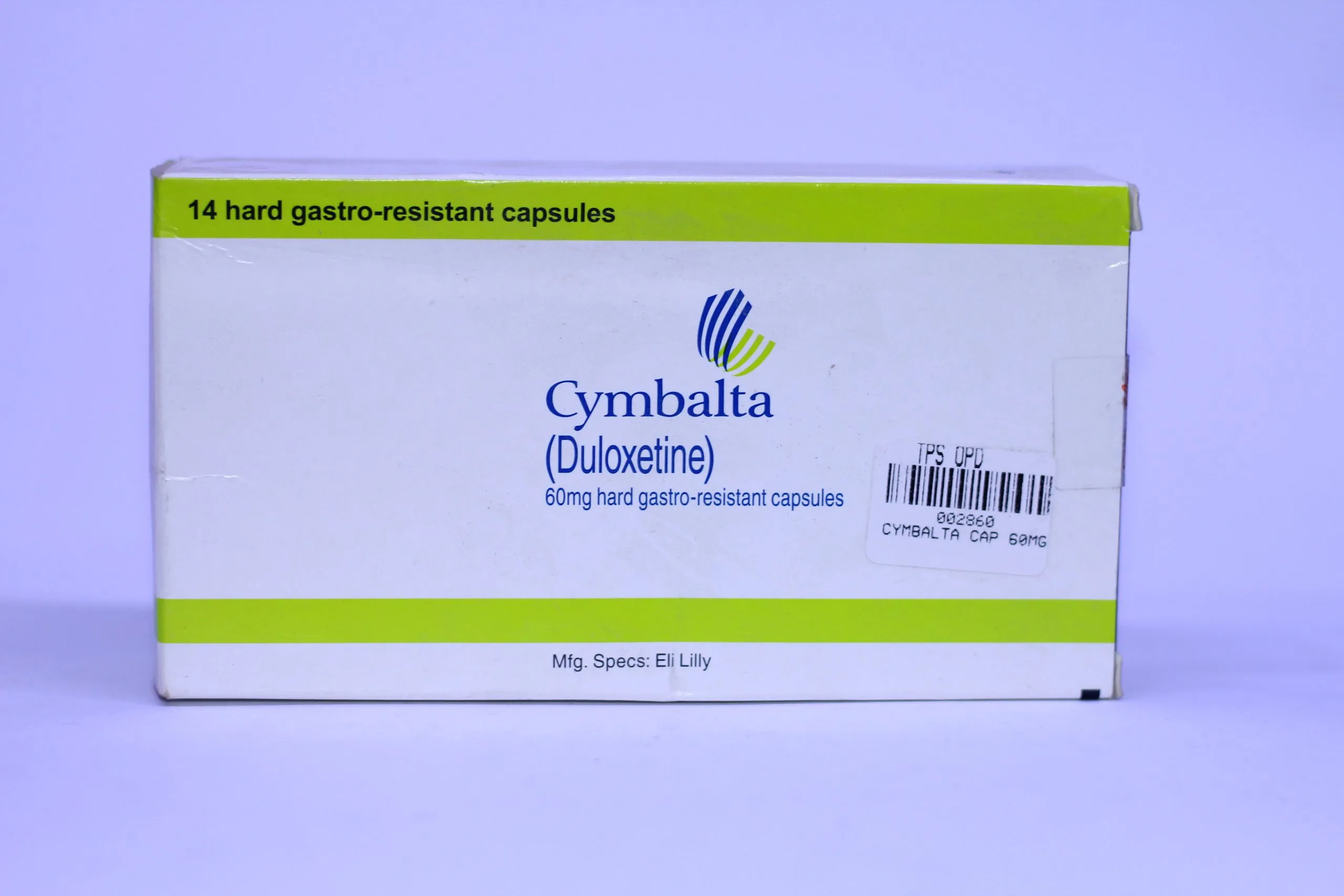
Cymbalta, known by its generic name Duloxetine hydrochloride, is a potent Serotonin-Norepinephrine Reuptake Inhibitor (SNRI). In the field of orthopedics and pain management, it stands as a cornerstone therapy for chronic musculoskeletal pain conditions, in addition to its primary role in psychiatric medicine. This guide provides a deep dive into the pharmacological profile, clinical application, and safety parameters of Duloxetine.
1. Mechanism of Action and Pharmacokinetics
Mechanism of Action
Duloxetine functions as a dual inhibitor of serotonin (5-HT) and norepinephrine (NE) reuptake. Unlike traditional SSRIs, Duloxetine’s ability to increase norepinephrine levels in the central nervous system plays a critical role in its analgesic properties.
- Pain Modulation: By increasing the concentration of neurotransmitters in the descending inhibitory pain pathways of the spinal cord, Duloxetine effectively reduces the perception of pain.
- Affinity: It possesses a high affinity for the serotonin and norepinephrine transporters, with negligible affinity for dopaminergic, cholinergic, or histaminergic receptors.
Pharmacokinetics
Understanding how the body processes Duloxetine is essential for managing drug-drug interactions and dosage adjustments.
| Parameter | Clinical Data |
|---|---|
| Bioavailability | Approximately 50% (ranges from 30% to 80%) |
| Protein Binding | >96% (bound to albumin and alpha-1 acid glycoprotein) |
| Metabolism | Hepatic via CYP1A2 and CYP2D6 |
| Half-life | Average of 12 hours (range 8–17 hours) |
| Excretion | Urine (70%), Feces (20%) |
2. Clinical Indications and Usage
Duloxetine is FDA-approved for a variety of conditions, many of which overlap with orthopedic and chronic pain presentations.
FDA-Approved Indications
- Major Depressive Disorder (MDD): Treatment of acute and maintenance therapy.
- Generalized Anxiety Disorder (GAD): Management of symptoms in adults and pediatric patients (7+ years).
- Diabetic Peripheral Neuropathic Pain (DPNP): Management of neuropathic pain associated with diabetes.
- Fibromyalgia: Treatment of widespread musculoskeletal pain.
- Chronic Musculoskeletal Pain: Specifically indicated for chronic low back pain and osteoarthritis.
Orthopedic Application
In an orthopedic setting, Duloxetine is frequently prescribed when standard NSAIDs or physical therapy have failed to provide adequate relief for chronic osteoarthritis (OA) of the knee or chronic lower back pain. It acts as an "adjuvant" analgesic, helping patients manage the central sensitization aspect of chronic joint pain.
3. Dosage Guidelines and Administration
Dosage titration is essential to mitigate the risk of gastrointestinal side effects, which are common during the initiation phase.
General Dosage Table
| Condition | Starting Dose | Target Dose |
|---|---|---|
| Major Depressive Disorder | 20–30 mg BID | 60 mg QD |
| Generalized Anxiety Disorder | 60 mg QD | 60–120 mg QD |
| Diabetic Peripheral Neuropathic Pain | 60 mg QD | 60 mg QD |
| Fibromyalgia | 30 mg QD | 60 mg QD |
| Chronic Musculoskeletal Pain | 30–60 mg QD | 60 mg QD |
- Administration: Capsules should be swallowed whole. They should not be crushed or chewed, as they are enteric-coated to prevent degradation by gastric acid.
- Renal/Hepatic Impairment: Avoid in patients with severe renal impairment (CrCl <30 mL/min) or chronic liver disease.
4. Risks, Side Effects, and Contraindications
Common Side Effects
- Gastrointestinal: Nausea (most common, especially in the first week), dry mouth, constipation, and decreased appetite.
- Neurological: Somnolence, fatigue, dizziness, and insomnia.
- Sexual Dysfunction: Decreased libido and erectile dysfunction.
Serious Risks
- Suicidality: Increased risk of suicidal ideation in children, adolescents, and young adults (Black Box Warning).
- Hepatotoxicity: Rare but serious cases of elevated liver enzymes or hepatitis.
- Serotonin Syndrome: High risk if combined with other serotonergic agents (e.g., tramadol, SSRIs, MAOIs).
- Withdrawal Syndrome: Abrupt discontinuation can lead to dizziness, irritability, paresthesia, and "brain zaps."
Contraindications
- MAO Inhibitors: Concurrent use or use within 14 days of discontinuing an MAOI is strictly contraindicated.
- Narrow-Angle Glaucoma: Due to potential pupillary dilation.
- Known Hypersensitivity: To Duloxetine or any excipients.
5. Pregnancy, Lactation, and Drug Interactions
Pregnancy and Lactation
- Pregnancy: Category C. Use only if the potential benefit justifies the potential risk to the fetus. Neonates exposed to SNRIs late in the third trimester have developed complications requiring prolonged hospitalization.
- Lactation: Duloxetine is excreted in human milk. Caution is advised, and the decision to breastfeed should involve a risk-benefit analysis.
Major Drug Interactions
- CYP1A2 Inhibitors: (e.g., Fluvoxamine, Ciprofloxacin) significantly increase Duloxetine plasma concentrations.
- NSAIDs/Aspirin: Increased risk of gastrointestinal bleeding when used concomitantly.
- Alcohol: Increased risk of liver injury and CNS depression.
6. Overdose Management
Overdose cases typically involve symptoms of serotonin toxicity, including:
* Serotonin syndrome (tremor, hyperreflexia, agitation).
* Seizures.
* Cardiac arrhythmias (rare).
Management: There is no specific antidote. Treatment involves gastric lavage, activated charcoal, and supportive care with continuous cardiac and vital sign monitoring.
7. Frequently Asked Questions (FAQ)
1. How long does it take for Cymbalta to start working for pain?
While some patients notice improvement within 1–2 weeks, it often takes 4–6 weeks for full therapeutic effect in chronic pain management.
2. Can I stop taking Cymbalta abruptly?
No. Abrupt cessation can lead to severe withdrawal symptoms. Always consult your physician to taper the dosage gradually over several weeks.
3. Is Cymbalta a narcotic or addictive?
No, Cymbalta is not a narcotic (opioid). It is not considered a drug of abuse, although physical dependence (withdrawal) can occur upon cessation.
4. Why does Cymbalta cause nausea?
Nausea is a common side effect due to the stimulation of serotonin receptors in the gastrointestinal tract. Taking the medication with food often mitigates this.
5. Can I drink alcohol while on Cymbalta?
It is generally advised to avoid or limit alcohol intake, as both substances can place stress on the liver and increase the risk of drowsiness.
6. Does Cymbalta cause weight gain?
Unlike some antidepressants, Duloxetine is generally weight-neutral. Some patients may experience weight loss due to decreased appetite.
7. Can I take Cymbalta with ibuprofen?
Generally, yes, but use caution. The combination may slightly increase the risk of gastrointestinal bleeding.
8. Is Cymbalta safe for elderly patients?
Yes, but dose titration should be slower, and patients should be monitored for orthostatic hypotension and hyponatremia.
9. What should I do if I miss a dose?
Take it as soon as you remember. If it is almost time for your next dose, skip the missed dose. Do not take two doses at once.
10. Does Cymbalta affect blood pressure?
Duloxetine can cause a small, sustained increase in blood pressure. Periodic monitoring of blood pressure is recommended for all patients.
Disclaimer: This guide is for educational purposes only and does not constitute medical advice. Always consult with a licensed healthcare provider regarding medication management. If you are experiencing a medical emergency, contact your local emergency services immediately.