
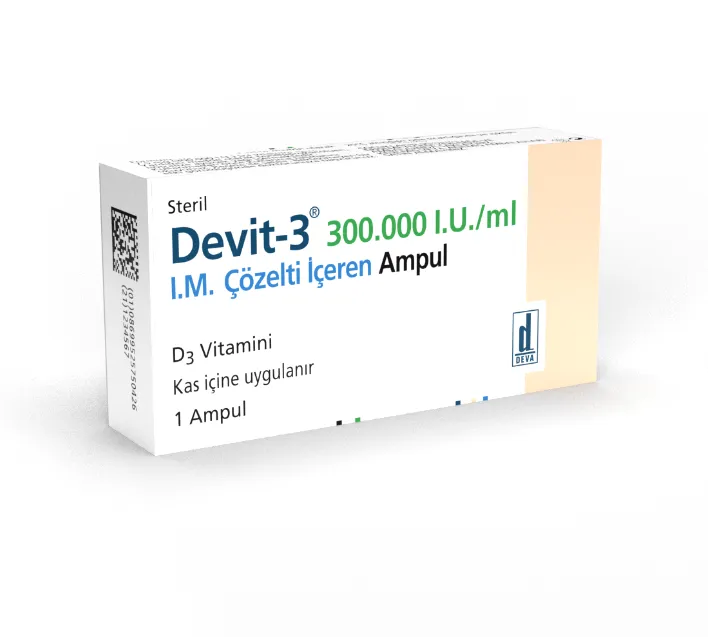
Comprehensive Guide to Devit-3 (Cholecalciferol)
Devit-3 is a pharmaceutical-grade preparation of Cholecalciferol (Vitamin D3), a fat-soluble secosteroid essential for human physiological function. In the field of orthopedics and endocrinology, Devit-3 serves as a foundational therapeutic agent for maintaining musculoskeletal integrity, regulating calcium-phosphate homeostasis, and modulating immune responses. This guide provides an exhaustive clinical overview of its pharmacological profile, therapeutic utility, and safety protocols.
1. Introduction to Devit-3
Vitamin D deficiency is a global health challenge, affecting millions regardless of age or geography. Devit-3 is engineered to provide precise, bioavailable supplementation to bridge the gap between dietary intake and physiological requirement. Unlike Vitamin D2 (ergocalciferol), Cholecalciferol (D3) is the natural form synthesized by the human skin upon exposure to ultraviolet B (UVB) radiation, making Devit-3 the preferred clinical intervention for correcting systemic deficiencies.
2. Mechanism of Action and Pharmacokinetics
Mechanism of Action
Devit-3 functions as a prohormone. Upon ingestion, it undergoes a complex metabolic activation process:
1. Hepatic Hydroxylation: Cholecalciferol is hydroxylated in the liver by the enzyme 25-hydroxylase to form 25-hydroxyvitamin D [25(OH)D], also known as calcifediol.
2. Renal Activation: In the kidneys, 25(OH)D is further hydroxylated by 1-alpha-hydroxylase to form 1,25-dihydroxyvitamin D [1,25(OH)2D], which is the biologically active hormone (calcitriol).
3. Genomic Effect: Calcitriol binds to the Vitamin D Receptor (VDR), a nuclear transcription factor. This complex regulates the expression of genes involved in calcium absorption in the intestines and bone mineralization.
Pharmacokinetics
| Parameter | Description |
|---|---|
| Absorption | Rapidly absorbed in the small intestine, requiring bile salts for emulsification. |
| Distribution | Circulates in the blood bound to Vitamin D-binding protein (DBP). |
| Metabolism | Hepatic and renal pathways (as described above). |
| Half-life | 25(OH)D has a half-life of approximately 15 to 20 days, allowing for intermittent dosing. |
| Excretion | Primarily excreted through bile into feces; minimal renal excretion. |
3. Clinical Indications and Usage
Devit-3 is indicated for the prevention and treatment of conditions resulting from Vitamin D insufficiency or deficiency.
- Osteoporosis: Used as an adjunct to calcium therapy to prevent bone density loss in postmenopausal women and elderly patients.
- Osteomalacia and Rickets: Used to correct defective bone mineralization caused by prolonged Vitamin D deficiency.
- Hypocalcemia: Management of secondary hypocalcemia related to hypoparathyroidism or malabsorption syndromes.
- Musculoskeletal Pain: Addressing chronic non-specific musculoskeletal pain associated with low serum 25(OH)D levels.
- Immune Support: Adjunctive therapy for patients with chronic immune-related vulnerabilities.
4. Dosage Guidelines
Dosage is highly individualized based on serum 25(OH)D levels. The following are general clinical guidelines:
| Patient Group | Recommended Daily Intake (General) | Therapeutic Dose (Deficiency) |
|---|---|---|
| Infants (<1 yr) | 400 IU | 1,000–2,000 IU |
| Children (1-18 yrs) | 600 IU | 2,000–4,000 IU |
| Adults (19-70 yrs) | 600–800 IU | 5,000–10,000 IU |
| Elderly (>70 yrs) | 800–1,000 IU | 5,000–10,000 IU |
Note: Always consult a healthcare provider for blood-test-guided dosage adjustments.
5. Contraindications and Risks
Contraindications
Devit-3 must be avoided or used with extreme caution in patients with:
* Hypercalcemia: Elevated serum calcium levels.
* Hypervitaminosis D: Existing toxicity.
* Severe Renal Impairment: Risk of altered metabolism.
* Nephrolithiasis: History of calcium-based kidney stones.
* Sarcoidosis: Patients with granulomatous diseases may have increased sensitivity to Vitamin D.
Side Effects (Toxicity Risks)
While generally safe, excessive intake leads to hypercalcemia. Symptoms include:
* Gastrointestinal: Nausea, vomiting, constipation, and abdominal pain.
* Neurological: Confusion, lethargy, and polyuria (excessive urination).
* Cardiac: Arrhythmias in severe cases due to calcium deposits in soft tissues.
6. Drug Interactions
Interactions can alter the efficacy of Devit-3 or the co-administered medication:
* Orlistat: Reduces the absorption of fat-soluble vitamins (Vitamin D).
* Corticosteroids: Can interfere with Vitamin D metabolism.
* Thiazide Diuretics: May increase the risk of hypercalcemia by reducing urinary calcium excretion.
* Anticonvulsants (Phenytoin/Carbamazepine): Increase the metabolism of Vitamin D, potentially requiring higher doses.
7. Pregnancy and Lactation
Vitamin D is essential for fetal skeletal development. However, high doses during pregnancy should be monitored by an obstetrician to avoid potential teratogenic risks associated with severe hypercalcemia. Devit-3 is generally considered safe during lactation, but maternal levels should be monitored to ensure the infant receives adequate levels without exceeding safety margins.
8. Overdose Management
In the event of an overdose:
1. Immediate Cessation: Stop all Vitamin D and calcium supplementation.
2. Hydration: Ensure adequate fluid intake to promote renal excretion.
3. Medical Intervention: In severe hypercalcemia, clinicians may administer intravenous saline, loop diuretics, or corticosteroids to lower serum calcium.
4. Monitoring: Serial monitoring of serum calcium and creatinine levels until normalization.
9. Frequently Asked Questions (FAQ)
1. What is the best time of day to take Devit-3?
Devit-3 is fat-soluble. It is best absorbed when taken with a meal containing dietary fat (e.g., breakfast or lunch).
2. Can I take Devit-3 if I have kidney stones?
Consult your doctor. If the stones are calcium-based, your doctor may need to monitor your calcium levels closely to ensure Devit-3 does not exacerbate stone formation.
3. How do I know if I have a Vitamin D deficiency?
A simple blood test measuring "25-hydroxyvitamin D" is the gold standard. Levels below 20 ng/mL are generally considered deficient.
4. Is Devit-3 safe for long-term use?
Yes, when taken at appropriate maintenance doses determined by a physician, it is safe for long-term use to maintain bone health.
5. Can I get enough Vitamin D from the sun instead of Devit-3?
While possible, factors like skin pigmentation, latitude, sunscreen use, and age significantly limit natural synthesis. Devit-3 provides a controlled, predictable dose.
6. Does Devit-3 interact with blood pressure medication?
Generally, no. However, always inform your doctor of your full medication list to rule out specific interactions with diuretics.
7. What happens if I miss a dose?
Take it as soon as you remember. If it is nearly time for your next dose, skip the missed one. Do not take a double dose.
8. Is Devit-3 suitable for vegetarians/vegans?
Check the product label. Some formulations use lanolin (from sheep's wool) as the source of Vitamin D3, while others use lichen-based sources.
9. Will Devit-3 help with weight loss?
There is no clinical evidence that Vitamin D3 causes weight loss, though it is vital for metabolic health.
10. Can I take Devit-3 with Calcium supplements?
Yes, they are often prescribed together because Vitamin D is required for the intestinal absorption of calcium.
Conclusion
Devit-3 (Cholecalciferol) is a vital pharmacological tool in modern medicine. By facilitating calcium absorption and supporting skeletal integrity, it remains the standard of care for preventing and treating Vitamin D deficiency. As with any medication, adherence to professional medical advice, regular blood monitoring, and awareness of potential interactions are the cornerstones of safe and effective therapy. Always store in a cool, dry place and keep out of reach of children.