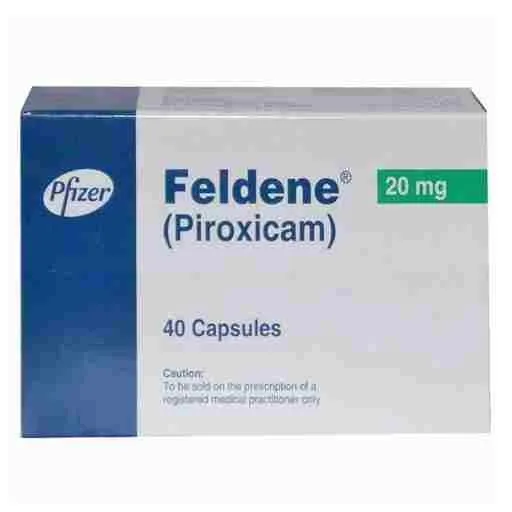

Comprehensive Guide to Feldene (Piroxicam): Clinical Overview
Feldene, known generically as Piroxicam, is a potent nonsteroidal anti-inflammatory drug (NSAID) belonging to the oxicam class. It is widely utilized in orthopedic and rheumatological medicine for its efficacy in managing chronic pain and inflammation associated with various musculoskeletal conditions. Unlike many other NSAIDs, Piroxicam possesses a long half-life, allowing for once-daily dosing, which can improve patient compliance in chronic pain management.
This guide provides an in-depth clinical analysis of Piroxicam, intended for medical professionals and patients seeking a granular understanding of its pharmacodynamics, therapeutic applications, and safety profile.
Mechanism of Action and Pharmacokinetics
Pharmacodynamics
Feldene functions primarily through the inhibition of the cyclooxygenase (COX) enzymes, specifically COX-1 and COX-2. By inhibiting these enzymes, Piroxicam prevents the synthesis of prostaglandins—lipid compounds that act as local mediators of inflammation, pain, and fever.
- COX-1 Inhibition: Generally associated with gastrointestinal mucosal protection and platelet aggregation.
- COX-2 Inhibition: Primarily responsible for the anti-inflammatory and analgesic effects.
Pharmacokinetics
The pharmacokinetic profile of Piroxicam is distinct due to its extended residence in the body.
| Parameter | Clinical Characteristic |
|---|---|
| Bioavailability | Almost 100% following oral administration. |
| Protein Binding | Highly bound to plasma albumin (approx. 99%). |
| Half-life | Long duration, averaging 30 to 86 hours. |
| Metabolism | Hepatic via cytochrome P450 (CYP2C9). |
| Excretion | Primarily via urine as inactive metabolites. |
The long half-life allows for the attainment of steady-state plasma concentrations within 7 to 12 days, maintaining consistent therapeutic levels.
Clinical Indications and Usage
Feldene is indicated for the relief of signs and symptoms of osteoarthritis and rheumatoid arthritis. It is typically reserved for patients who have not responded adequately to other NSAIDs or who require a once-daily dosing regimen.
Primary Indications
- Osteoarthritis (OA): Management of joint pain, stiffness, and swelling associated with degenerative joint disease.
- Rheumatoid Arthritis (RA): Reduction of inflammation and pain in patients with chronic inflammatory polyarthritis.
- Ankylosing Spondylitis: Alleviation of spinal inflammation and associated mobility restriction.
Dosage Guidelines
Dosage must be individualized based on the patient's clinical response and tolerance. The fundamental principle of NSAID therapy is to use the lowest effective dose for the shortest duration necessary.
- Standard Adult Dose: 20 mg administered orally once daily.
- Maximum Dose: 20 mg per day. Exceeding this dose increases the risk of serious gastrointestinal and cardiovascular side effects without providing additional therapeutic benefit.
- Administration: It is recommended to take the medication with food or milk to minimize gastrointestinal irritation.
Risks, Side Effects, and Contraindications
As with all NSAIDs, Feldene carries a "black box" warning regarding potential cardiovascular and gastrointestinal risks.
Cardiovascular Risks
Clinical trials have shown an increased risk of serious cardiovascular thrombotic events, including myocardial infarction and stroke, which can be fatal. This risk may increase with duration of use and in patients with pre-existing cardiovascular disease.
Gastrointestinal Risks
Piroxicam increases the risk of serious gastrointestinal adverse events, including inflammation, bleeding, ulceration, and perforation of the stomach or intestines. These events can occur at any time during use and without warning symptoms.
Contraindications
Feldene should not be used in the following populations:
* Patients with a history of asthma, urticaria, or allergic-type reactions after taking aspirin or other NSAIDs.
* Patients in the peri-operative period of coronary artery bypass graft (CABG) surgery.
* Patients with active peptic ulcer disease or gastrointestinal bleeding.
* Patients with severe renal or hepatic impairment.
Pregnancy and Lactation Warnings
- Pregnancy (Category C/D): Use of NSAIDs, including Piroxicam, at about 20 weeks gestation or later may cause rare but serious fetal kidney problems leading to oligohydramnios. Avoid use after 30 weeks gestation due to the risk of premature closure of the ductus arteriosus.
- Lactation: Piroxicam is excreted in human milk. While the amounts are generally low, caution is advised, and the risks versus benefits should be discussed with a healthcare provider.
Drug Interactions
The metabolic pathway of Piroxicam involves the CYP2C9 enzyme, making it susceptible to interactions with other medications:
- Warfarin/Anticoagulants: Increased risk of bleeding due to interference with platelet function and potential displacement of protein-bound drugs.
- ACE Inhibitors/Diuretics: Reduced antihypertensive effect; increased risk of renal impairment, particularly in the elderly.
- Corticosteroids: Increased risk of gastrointestinal ulceration.
- Lithium/Methotrexate: Decreased renal clearance, leading to potential toxicity.
Overdose Management
Symptoms of acute NSAID overdose are typically limited to lethargy, drowsiness, nausea, vomiting, and epigastric pain, which are generally reversible with supportive care. Gastrointestinal bleeding may occur.
Management Protocol:
* Gastric Decontamination: Activated charcoal may be administered if the patient presents within 1-2 hours of ingestion.
* Supportive Care: Maintain airway, breathing, and circulation. Monitor renal and hepatic function.
* Symptomatic Relief: Use of proton pump inhibitors (PPIs) may be indicated to manage gastric irritation.
Frequently Asked Questions (FAQ)
1. How long does it take for Feldene to start working?
While some patients experience relief within a few days, it may take up to two weeks of consistent daily dosing to reach steady-state plasma levels and full therapeutic effect.
2. Can I take Feldene with other pain relievers?
It is generally recommended to avoid taking Feldene with other NSAIDs (like ibuprofen or naproxen) or high-dose aspirin, as this significantly increases the risk of gastrointestinal bleeding and kidney damage.
3. Is Feldene safe for long-term use?
Feldene is intended for chronic conditions; however, long-term use requires regular monitoring of kidney function, blood pressure, and gastrointestinal health by a physician.
4. What should I do if I miss a dose?
Take the missed dose as soon as you remember. If it is almost time for your next dose, skip the missed dose and resume your regular schedule. Do not take two doses at once.
5. Does Feldene affect blood pressure?
Yes, like many NSAIDs, Piroxicam can cause fluid retention and increase blood pressure, which may interfere with the efficacy of antihypertensive medications.
6. Is it necessary to take Feldene with food?
Yes, taking Feldene with food or a glass of milk is highly recommended to protect the stomach lining and reduce the incidence of dyspepsia.
7. Who should avoid taking Feldene?
Individuals with a history of stomach ulcers, severe heart disease, kidney disease, or those who are allergic to aspirin should avoid this medication.
8. Can Feldene cause skin reactions?
While rare, severe skin reactions, including Stevens-Johnson syndrome, have been reported. Seek immediate medical attention if you develop a rash, blistering, or mucosal lesions.
9. Does Piroxicam interact with alcohol?
Concurrent use of alcohol and Piroxicam can increase the risk of gastrointestinal mucosal damage and bleeding. It is best to limit or avoid alcohol consumption.
10. Is Feldene available over the counter?
In most jurisdictions, Feldene is a prescription-only medication due to its potency and potential for serious side effects. Always consult a healthcare professional before starting treatment.
Disclaimer: This guide is for educational purposes only and does not constitute medical advice. Always consult with a licensed healthcare professional regarding your specific medical conditions and the appropriateness of any medication.