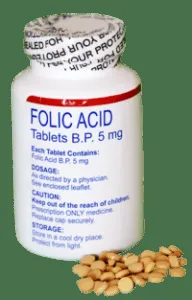
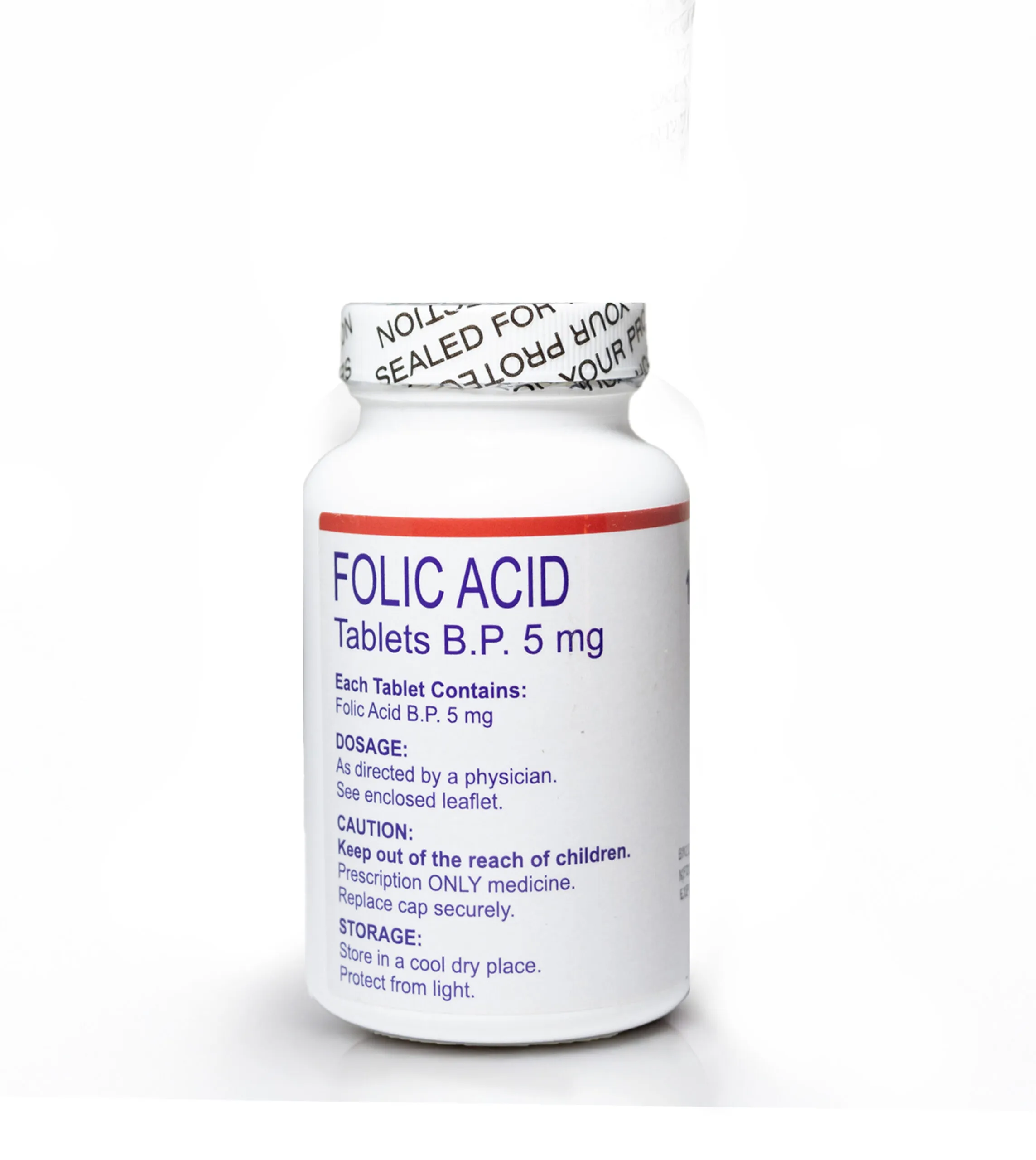
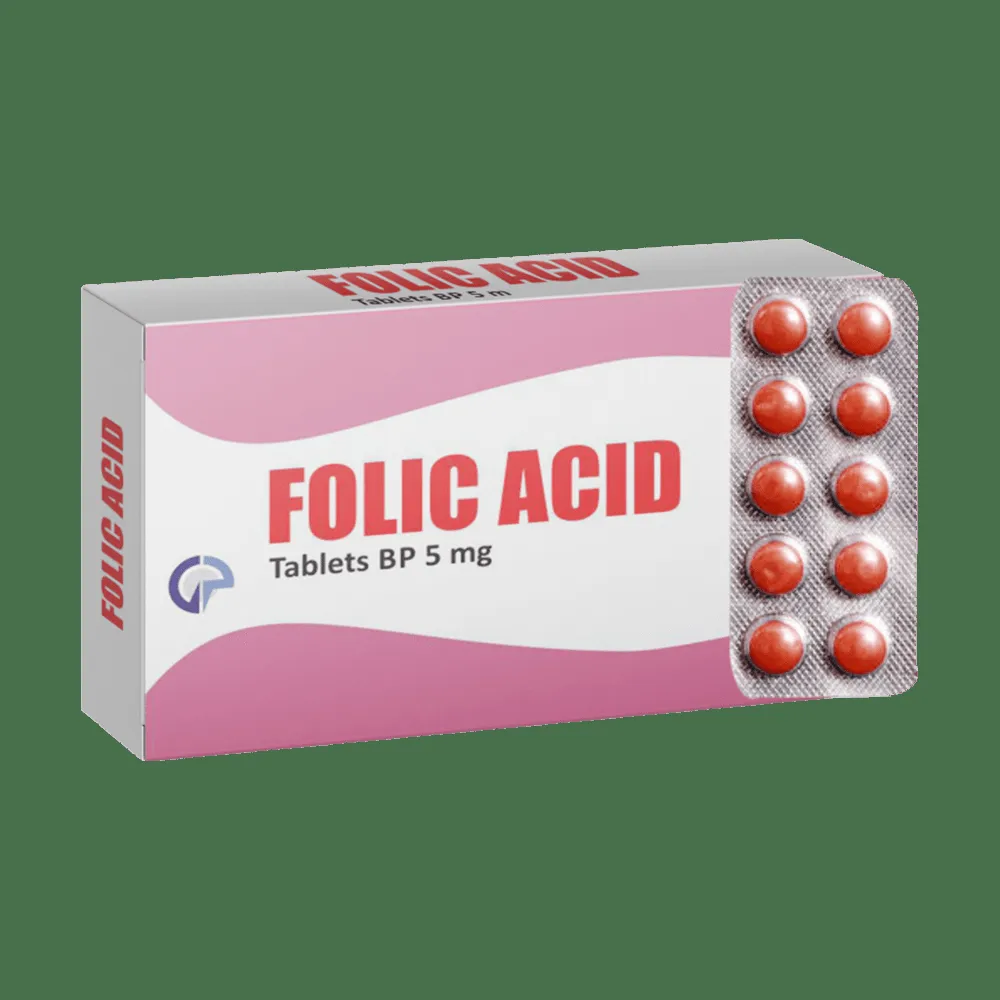

Comprehensive Introduction to Folic Acid (Vitamin B9)
Folic acid, a synthetic form of the essential B-vitamin folate (Vitamin B9), is a cornerstone of modern preventative medicine and hematological therapy. While folate occurs naturally in leafy greens, legumes, and liver, the synthetic form—folic acid—is highly bioavailable and stable, making it the gold standard for supplementation.
In the context of orthopedics and general medicine, folic acid is critical for DNA synthesis, repair, and methylation cycles. Its deficiency is a common cause of megaloblastic anemia and is profoundly linked to neural tube defects during fetal development. This guide provides an exhaustive clinical overview of its pharmacological properties, therapeutic applications, and safety protocols.
Technical Specifications and Mechanism of Action
Pharmacodynamics: The One-Carbon Metabolism
Folic acid functions as a coenzyme in various metabolic processes. Its primary role is the transfer of one-carbon units, which is essential for the synthesis of nucleotides (DNA/RNA) and the metabolism of amino acids.
- DNA Synthesis: Folic acid is converted into tetrahydrofolate (THF). THF is essential for the conversion of deoxyuridine monophosphate (dUMP) to deoxythymidine monophosphate (dTMP), a rate-limiting step in DNA synthesis.
- Amino Acid Metabolism: It facilitates the conversion of homocysteine to methionine. Elevated homocysteine levels are a clinical marker for cardiovascular risk and potential skeletal health complications.
Pharmacokinetics
The pharmacokinetic profile of folic acid is characterized by efficient absorption and rapid distribution.
| Parameter | Description |
|---|---|
| Absorption | Rapidly absorbed in the proximal small intestine via active transport. |
| Bioavailability | Near 100% when taken on an empty stomach; ~85% with food. |
| Metabolism | Converted to active 5-methyltetrahydrofolate in the liver. |
| Distribution | Widely distributed; stored primarily in the liver. |
| Excretion | Primarily renal (via urine) as metabolites. |
Extensive Clinical Indications and Usage
Folic acid is indicated for a variety of conditions ranging from hematological disorders to prophylactic health maintenance.
1. Megaloblastic Anemia
Folic acid is the primary treatment for nutritional folate deficiency, which manifests as megaloblastic anemia (characterized by large, immature red blood cells).
2. Pregnancy and Neural Tube Defect (NTD) Prevention
Periconceptional supplementation is the standard of care to reduce the risk of spina bifida and anencephaly. The U.S. Preventive Services Task Force (USPSTF) recommends that all women planning or capable of pregnancy take a daily supplement.
3. Methotrexate Therapy (Orthopedic/Rheumatologic Context)
In patients undergoing long-term Methotrexate therapy for rheumatoid arthritis or psoriatic arthritis, folic acid is co-administered to mitigate side effects like stomatitis, gastrointestinal distress, and liver enzyme elevation.
4. Homocysteine Management
Supplementation is often utilized in patients with hyperhomocysteinemia, as elevated levels are associated with increased risk of cardiovascular disease and osteoporosis-related fractures.
Dosage Guidelines
Dosage must be individualized based on the clinical indication.
- General Maintenance: 400 mcg daily.
- Pregnancy: 600–800 mcg daily.
- Methotrexate Mitigation: Typically 1–5 mg daily (excluding the day of Methotrexate administration), depending on the prescribing physician’s protocol.
- Megaloblastic Anemia: 1 mg daily (higher doses may be required under strict supervision).
Risks, Side Effects, and Contraindications
While generally considered safe, folic acid is not without clinical considerations.
Contraindications
- Vitamin B12 Deficiency: Folic acid can mask the hematological symptoms of B12 deficiency (pernicious anemia) while allowing the neurological damage to progress. This is the most critical contraindication.
- Hypersensitivity: Known allergy to folic acid or any component of the formulation.
Potential Side Effects
Side effects are rare at standard dosages but may include:
* Gastrointestinal: Nausea, abdominal bloating, or gas.
* Dermatological: Allergic rash or pruritus (rare).
* Neurological: Irritability or sleep disturbances (typically at very high doses).
Drug Interactions
| Drug Class | Interaction Effect |
|---|---|
| Anticonvulsants | Folic acid may decrease serum concentrations of phenytoin, phenobarbital, and primidone. |
| Methotrexate | Folic acid acts as an antagonist to methotrexate efficacy; timing of doses is critical. |
| Sulfonamides | May interfere with folate absorption. |
| Zinc | High doses of folic acid may inhibit the absorption of zinc supplements. |
Pregnancy and Lactation Warnings
- Pregnancy: Folic acid is classified as Category A (or generally safe) by the FDA. It is highly recommended and essential for fetal development.
- Lactation: Folic acid is excreted in breast milk. It is considered safe during breastfeeding and is often recommended for the mother to maintain healthy folate stores.
Overdose Management
Folic acid has low toxicity due to its water-soluble nature; excess is typically excreted in the urine. However, extreme, acute ingestion requires medical evaluation.
- Symptoms: Rare, but may include gastrointestinal distress.
- Management: Discontinue usage. If ingestion is recent, consider activated charcoal. Monitor for signs of masked B12 deficiency in patients with chronic high-dose exposure.
- Supportive Care: Focus on hydration and monitoring serum electrolyte levels.
Frequently Asked Questions (FAQ)
1. Does folic acid help with hair growth?
While it supports cell division (necessary for hair follicle health), there is no strong clinical evidence that it causes hair growth in individuals who are not already deficient.
2. Can I take folic acid with my morning coffee?
Yes, but it is best absorbed on an empty stomach. Caffeine does not significantly inhibit the absorption of folate, though it is a diuretic.
3. What is the difference between folate and folic acid?
Folate is the natural form found in food; folic acid is the synthetic, more stable form used in supplements and fortified foods.
4. How long does it take for folic acid to work?
Hematological markers usually begin to improve within 1–2 weeks of consistent supplementation.
5. Does folic acid interact with birth control pills?
Some oral contraceptives have been linked to lower folate levels, making supplementation advisable for those on birth control.
6. Can I take too much folic acid?
Yes. Excessive intake (over 1,000 mcg/day for adults) can mask Vitamin B12 deficiency, potentially leading to irreversible nerve damage.
7. Should men take folic acid?
Yes, men require folate for DNA synthesis and heart health. It is not exclusively a "women’s vitamin."
8. Does folic acid cause weight gain?
No, there is no clinical evidence suggesting that folic acid supplementation leads to weight gain.
9. Is folic acid necessary if I eat a healthy diet?
While a diet rich in leafy greens is ideal, supplementation is often recommended to ensure adequate levels, especially for those with specific health conditions or pregnancy.
10. Can folic acid help with joint pain?
Indirectly, yes. By reducing homocysteine levels, it may support overall musculoskeletal health, and it is a vital part of managing joint inflammation in patients on Methotrexate.
Disclaimer: This guide is for informational purposes only and does not constitute medical advice. Always consult with a licensed healthcare provider or orthopedic specialist before beginning any new supplement regimen.