Clinical Assessment & Protocol
Typical Presentation (HPI)
EN: Glossitis and fatigue. AR: التهاب اللسان وتعب.
General Examination
EN: Unremarkable or not routinely indicated. AR: طبيعي أو غير مطلوب روتينياً.
Treatment Protocol
EN: Folic acid supplementation. AR: مكملات حمض الفوليك.
Patient Education
EN: AR:
Systemic & Specialized Examinations
EN: S1, S2 present. No murmurs. AR: صوتا القلب الأول والثاني طبيعيان. لا توجد نفخات.
EN: Lungs clear to auscultation. AR: الرئتان صافيتان عند التسمع.
EN: Atrophic glossitis and tachycardia. AR: التهاب لسان ضموري وتسرع قلب.
EN: Alert, oriented x3. No focal deficits. AR: المريض واعي ومدرك. لا يوجد عجز عصبي بؤري.
EN: Unremarkable or not routinely indicated. AR: طبيعي أو غير مطلوب روتينياً.
EN: Unremarkable or not routinely indicated. AR: طبيعي أو غير مطلوب روتينياً.
EN: Unremarkable or not routinely indicated. AR: طبيعي أو غير مطلوب روتينياً.
EN: Unremarkable or not routinely indicated. AR: طبيعي أو غير مطلوب روتينياً.
EN: Unremarkable or not routinely indicated. AR: طبيعي أو غير مطلوب روتينياً.
1. Comprehensive Introduction & Overview
Post-Bariatric Folate Deficiency Anemia (PBFDA) represents a significant hematological complication following metabolic and bariatric surgery (MBS). As the prevalence of bariatric procedures—including Roux-en-Y gastric bypass (RYGB), sleeve gastrectomy (SG), and biliopancreatic diversion with duodenal switch (BPD-DS)—continues to rise globally, the incidence of micronutrient deficiencies has become a primary concern for clinical management.
Folate (Vitamin B9) is an essential water-soluble vitamin involved in DNA synthesis, repair, and methylation. In the post-bariatric population, the physiological alterations to the gastrointestinal tract—specifically the reduction in gastric acid production, the bypass of the proximal small intestine, and the reduction in overall oral intake—create a "perfect storm" for malabsorption. PBFDA is characterized as a macrocytic, megaloblastic anemia resulting from the inadequate absorption or intake of folate, which impairs erythropoiesis.
This guide serves as a clinical reference for surgeons, gastroenterologists, hematologists, and primary care providers managing the long-term nutritional health of post-bariatric patients.
2. Technical Specifications & Pathophysiological Mechanisms
The Anatomy of Malabsorption
Folate absorption primarily occurs in the proximal jejunum. Several factors contribute to the development of deficiency post-surgery:
- Reduction in Gastric Acid: Folate exists in food as polyglutamates. Deconjugation by brush-border enzymes (folate hydrolases) requires a specific pH range. Hypochlorhydria, common after RYGB, impairs this conversion.
- Reduced Transit Time: Surgical alteration of the anatomy decreases the contact time between dietary folate and the mucosal absorptive surface.
- Bacterial Overgrowth: Small Intestinal Bacterial Overgrowth (SIBO), a frequent complication of anatomical rearrangement, can result in bacteria utilizing folate for their own metabolic processes, further depleting the host.
- Reduced Dietary Intake: Patients often report aversion to folate-rich foods (e.g., leafy greens, legumes) due to post-prandial discomfort or altered satiety cues.
Biochemical Pathway
Folate is a crucial cofactor for the conversion of homocysteine to methionine and for the synthesis of deoxythymidine monophosphate (dTMP) from deoxyuridine monophosphate (dUMP). A deficiency leads to:
1. Impaired DNA Synthesis: The inability to synthesize dTMP halts nuclear maturation in erythroblasts.
2. Megaloblastic Change: The cytoplasm continues to grow while the nucleus lags, leading to macrocytic red blood cells (RBCs).
3. Ineffective Erythropoiesis: Premature destruction of RBC precursors within the bone marrow.
3. Clinical Indications, Staging, and Presentation
Clinical Staging of Deficiency
The progression from folate adequacy to overt anemia occurs in distinct stages:
| Stage | Serum Folate | Red Cell Folate | MCV | Hemoglobin |
|---|---|---|---|---|
| Depletion | Low | Normal | Normal | Normal |
| Deficient Erythropoiesis | Low | Low | Normal/Slightly High | Normal |
| Megaloblastic Anemia | Low | Low | Elevated (>100 fL) | Low |
Standard Presentation
Patients may remain asymptomatic for months due to hepatic folate stores. When symptoms manifest, they are often non-specific:
* Hematological: Fatigue, pallor, exercise intolerance, tachycardia.
* Gastrointestinal: Glossitis (sore tongue), cheilosis, diarrhea.
* Neuropsychiatric: Irritability, depression, and cognitive impairment (often comorbid with B12 deficiency).
4. Differential Diagnosis
Distinguishing PBFDA from other causes of anemia is critical, as treatment protocols differ significantly.
- Vitamin B12 Deficiency: Often co-occurs with folate deficiency. Crucially, folate supplementation can "mask" the hematological signs of B12 deficiency while allowing neurological damage to progress.
- Iron Deficiency Anemia (IDA): The most common post-bariatric anemia. Presents with microcytosis, whereas folate deficiency presents with macrocytosis.
- Copper Deficiency: Can present with pancytopenia and macrocytosis, often overlooked in the post-bariatric workup.
- Myelodysplastic Syndromes (MDS): Must be considered if anemia is refractory to high-dose supplementation.
5. Key Diagnostic Tests
To ensure an accurate diagnosis, a comprehensive laboratory panel is required:
- Complete Blood Count (CBC): Focus on Mean Corpuscular Volume (MCV) and Red Cell Distribution Width (RDW).
- Serum Folate: Reflects recent intake; can be transiently elevated by recent meals.
- Red Cell Folate (RBC Folate): The gold standard for long-term tissue stores.
- Serum B12 and Methylmalonic Acid (MMA): Mandatory to rule out concurrent B12 deficiency.
- Homocysteine Levels: Elevated in both folate and B12 deficiency; a sensitive marker of functional status.
- Peripheral Blood Smear: Look for hypersegmented neutrophils and macro-ovalocytes.
6. Treatment and Management Protocols
Standard Supplementation
- Prophylaxis: All post-bariatric patients should be on a bariatric-specific multivitamin containing at least 400–800 mcg of folic acid daily.
- Treatment of Deficiency: 1 mg to 5 mg of oral folic acid daily until hematological parameters normalize.
- Parenteral Administration: Rarely required unless there is severe malabsorption or non-compliance.
Monitoring
- Baseline: Pre-surgery and every 3–6 months in the first year.
- Long-term: Annual screening for all post-bariatric patients.
7. Risks, Side Effects, and Contraindications
Risks of Untreated Deficiency
- Permanent neurological deficits (if B12 is also deficient).
- Hyperhomocysteinemia, which is associated with increased cardiovascular risk.
- Congenital anomalies (if the patient becomes pregnant).
Contraindications
- B12 Deficiency: Never treat folate deficiency with high-dose folic acid without confirming B12 status.
- Active Malignancy: Folate is essential for DNA synthesis; in some cases of active cancer, high-dose folate may theoretically accelerate tumor growth (though this is debated).
8. Frequently Asked Questions (FAQ)
1. Why does my MCV stay high even after taking a multivitamin?
It is possible that you have a concurrent B12 deficiency, or the dosage of folic acid in your multivitamin is insufficient for your specific malabsorptive anatomy.
2. Is there a difference between folic acid and folate?
Yes. Folic acid is the synthetic form used in supplements, while folate is the natural form found in food. Post-bariatric patients generally require the synthetic form for better bioavailability.
3. Can I get enough folate from food alone?
Following surgery, the volume of food intake is highly restricted. It is clinically impossible for most post-bariatric patients to meet daily requirements through diet alone.
4. Does PBFDA cause hair loss?
Anemia itself can contribute to telogen effluvium. Correcting the deficiency is a standard part of the protocol for managing post-bariatric hair loss.
5. How long does it take to correct the anemia?
Typically, reticulocytosis (new red blood cell production) begins within 3–5 days of supplementation, and hematological normalization occurs within 6–8 weeks.
6. Are there any medications that interfere with folate absorption?
Yes, proton pump inhibitors (PPIs) and metformin (often used for T2DM) can interfere with folate metabolism.
7. Is hyperhomocysteinemia dangerous?
Yes, elevated homocysteine levels are a pro-thrombotic risk factor, which is particularly concerning for post-bariatric patients who may already have other cardiovascular risk factors.
8. Should I take folate if I am planning a pregnancy?
Absolutely. Folate is critical for neural tube development. Post-bariatric patients require higher doses (often 4–5 mg) during preconception and pregnancy.
9. Can I overdose on folate?
Folate is water-soluble and low in toxicity. However, excessive intake can mask B12 deficiency, which is the primary clinical safety concern.
10. What is the difference between serum and red cell folate?
Serum folate represents what you ate yesterday; red cell folate represents the folate status of the body over the last 3–4 months.
9. Long-term Prognosis and Clinical Outlook
The prognosis for PBFDA is excellent, provided the patient adheres to lifelong nutritional surveillance. Because bariatric surgery is a permanent anatomical alteration, the risk of deficiency is lifelong. Patients who engage in consistent follow-up, undergo annual lab monitoring, and maintain strict adherence to bariatric-specific supplementation protocols rarely suffer from the long-term sequelae of folate deficiency.
The clinical focus must remain on early detection. By shifting from reactive treatment to proactive, scheduled biochemical monitoring, clinicians can ensure that folate levels remain within the optimal range, thereby supporting hematological health, neurological function, and overall metabolic success.
Disclaimer: This guide is intended for educational purposes for healthcare professionals. It does not replace individual clinical judgment or institutional protocols. Always consult current clinical practice guidelines from the American Society for Metabolic and Bariatric Surgery (ASMBS) for the most recent updates on nutritional management.
Related Clinical Integration
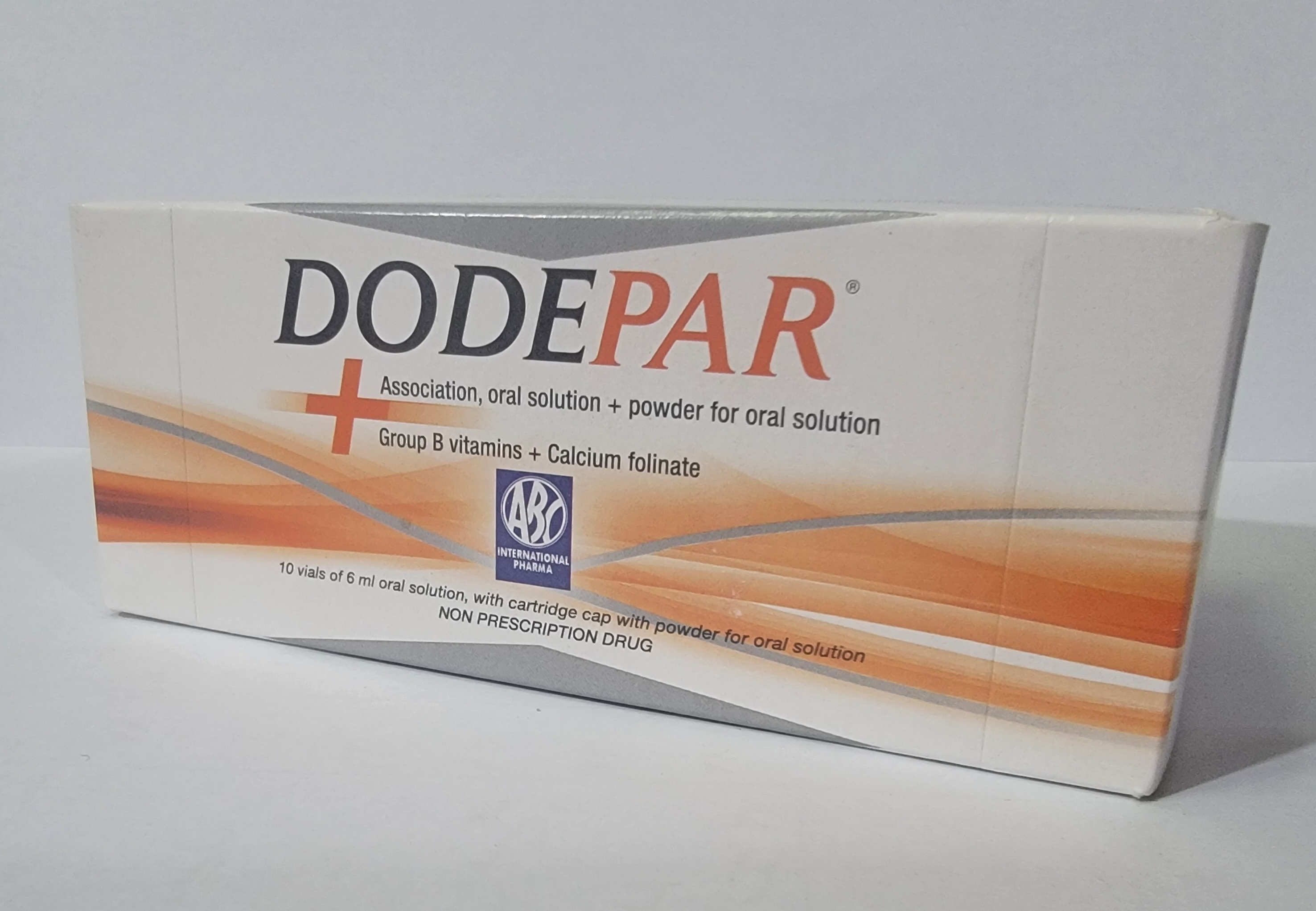
In the management of post-bariatric folate deficiency anemia, clinical protocols must address the frequent co-occurrence of multi-micronutrient malabsorption, necessitating targeted supplementation strategies such as Mecovit DT / ميكوفيت دي تي Methylcobalamin 1500mcg, Alpha Lipoic Acid 100mg, and DODEPAR ORAL VIAL / دوديبار فيال فموي 1000mcg/500mcg/5mg/6.1mg/10mg to correct concurrent B12 and folate deficits. Beyond hematological stabilization, clinicians must adopt a holistic approach to patient recovery, as chronic nutritional deficiencies following bariatric surgery can significantly impact long-term skeletal integrity; therefore, integrating insights from Boost Bone & Joint Health: Your Guide to Nutrition in Orthopedic Health is essential to mitigate the secondary risks of metabolic bone disease and ensure comprehensive musculoskeletal health throughout the post-operative continuum.