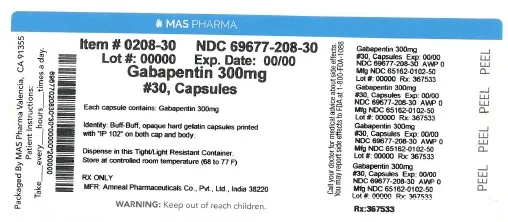
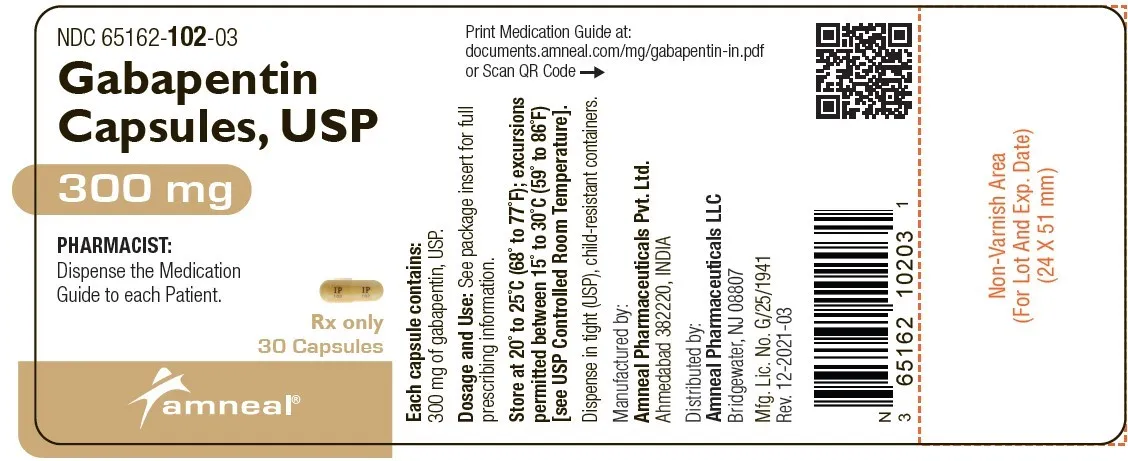

Comprehensive Guide to Gabapentin Enacarbil (Horizant)
Gabapentin enacarbil, marketed under the brand name Horizant, represents a significant evolution in the therapeutic approach to specific neurological and pain-related conditions. As a prodrug of gabapentin, it was engineered to overcome the pharmacokinetic limitations of traditional gabapentin formulations. This guide provides a deep dive into the clinical utility, pharmacological profile, and safety considerations surrounding this medication.
1. Introduction and Overview
Gabapentin enacarbil is a second-generation anticonvulsant and analgesic agent. Unlike standard gabapentin, which relies on the L-amino acid transport system (LAT1) for absorption—a system that becomes saturated at higher doses—gabapentin enacarbil is designed for more efficient systemic delivery.
It is primarily indicated for the treatment of:
* Moderate-to-severe Primary Restless Legs Syndrome (RLS): Addressing the chronic urge to move the legs, particularly during periods of rest or inactivity.
* Postherpetic Neuralgia (PHN): Managing the persistent, often debilitating neuropathic pain that follows an outbreak of shingles (herpes zoster).
By optimizing the bioavailability of the active moiety (gabapentin) in the bloodstream, Horizant provides a more predictable pharmacokinetic profile, which is essential for managing chronic conditions effectively.
2. Deep-Dive: Mechanism of Action and Pharmacokinetics
Mechanism of Action
The precise mechanism by which gabapentin enacarbil exerts its therapeutic effect is not fully elucidated. However, it is understood that the prodrug is rapidly hydrolyzed by non-specific esterases in the blood into gabapentin, carbon dioxide, acetaldehyde, and isobutyric acid.
Once converted to gabapentin, the molecule binds to the alpha-2-delta (α2δ) subunit of voltage-gated calcium channels in the central nervous system. This binding modulates the release of several excitatory neurotransmitters, including:
* Glutamate
* Norepinephrine
* Substance P
By inhibiting the calcium influx through these channels, gabapentin reduces neuronal hyperexcitability, which is the hallmark of the neuropathic pain seen in PHN and the sensory-motor disturbances observed in RLS.
Pharmacokinetics
The pharmacokinetic superiority of Horizant lies in its absorption profile:
* Absorption: Gabapentin enacarbil utilizes the high-capacity monocarboxylate transporter (MCT-1) and the sodium-dependent multivitamin transporter (SMVT), which are expressed throughout the length of the small intestine. This allows for sustained absorption compared to the L-amino acid transporter used by standard gabapentin.
* Distribution: It has low protein binding (<5%).
* Metabolism: Hydrolysis occurs in the blood, not the liver, making it less prone to hepatic drug-drug interactions.
* Elimination: Primarily excreted unchanged in the urine. The half-life is approximately 4.5 to 7 hours.
3. Clinical Indications and Usage
Postherpetic Neuralgia (PHN)
PHN is a chronic pain condition resulting from nerve damage caused by the varicella-zoster virus. Horizant is indicated for the management of this condition in adults. It is typically dosed to provide steady-state levels that minimize the "peaks and troughs" associated with immediate-release gabapentin.
Restless Legs Syndrome (RLS)
For RLS, Horizant is indicated to treat moderate-to-severe symptoms. It is essential to note that Horizant is not indicated for patients who are required to sleep during the day and remain awake at night.
Dosage Guidelines
| Indication | Recommended Dosage |
|---|---|
| Postherpetic Neuralgia | 600 mg twice daily. |
| Restless Legs Syndrome | 600 mg once daily, taken at approximately 5:00 PM. |
Note: Dosage adjustments are required for patients with renal impairment (CrCl < 60 mL/min).
4. Risks, Side Effects, and Contraindications
Common Adverse Reactions
Clinical trials have identified several common side effects associated with the use of Horizant:
* Somnolence (drowsiness)
* Dizziness
* Headache
* Fatigue
* Nausea
Serious Risks and Warnings
- Somnolence/Sedation: Patients should be warned about the potential for extreme drowsiness, which may impair the ability to drive or operate heavy machinery.
- Suicidal Behavior and Ideation: Like all antiepileptic drugs, gabapentin enacarbil may increase the risk of suicidal thoughts. Patients should be monitored for any unusual changes in mood or behavior.
- Respiratory Depression: Concomitant use with opioids or other CNS depressants can lead to life-threatening respiratory depression.
- Discontinuation: Abrupt withdrawal may cause increased seizure frequency (if used for epilepsy) or rebound symptoms. A gradual taper is recommended.
Contraindications
- Hypersensitivity: Known hypersensitivity to gabapentin enacarbil or any components of the formulation.
5. Pregnancy, Lactation, and Special Populations
Pregnancy
There are no adequate, well-controlled studies in pregnant women. Animal data have shown delayed ossification and increased risk of fetal death at high doses. Horizant should only be used during pregnancy if the potential benefit justifies the potential risk to the fetus.
Lactation
Gabapentin is excreted into human milk. The effect on the breastfed infant and milk production is unknown. Use caution when administering to nursing mothers.
Renal Impairment
Because gabapentin is excreted renally, dosage must be reduced in patients with kidney disease.
* CrCl 30–59 mL/min: 300 mg once daily.
* CrCl 15–29 mL/min: 300 mg every other day.
* CrCl < 15 mL/min: Not recommended.
6. Drug Interactions
While gabapentin enacarbil has a relatively clean interaction profile, caution is advised with the following:
* Opioids (e.g., Morphine, Hydrocodone): Co-administration can increase the plasma concentration of gabapentin and increase the risk of CNS depression.
* CNS Depressants: Alcohol, benzodiazepines, and sedatives may potentiate the sedative effects of Horizant.
* Antacids: Magnesium or aluminum-containing antacids may reduce the absorption of gabapentin; administer at least 2 hours apart.
7. Overdose Management
There is limited experience with Horizant overdose. Symptoms of acute toxicity would likely include dizziness, double vision, slurred speech, drowsiness, lethargy, and diarrhea.
Management:
* There is no specific antidote.
* Supportive care should be provided.
* Hemodialysis may be considered in patients with severe renal impairment, as gabapentin can be removed from the blood via dialysis.
* Contact a poison control center immediately in the event of an overdose.
8. Frequently Asked Questions (FAQ)
1. How is Horizant different from regular Gabapentin?
Horizant is a prodrug that uses a more efficient transport system (MCT-1) in the gut, allowing for more consistent and predictable absorption compared to standard gabapentin, which is limited by the LAT1 transporter.
2. Can I crush or split Horizant tablets?
No. Horizant is an extended-release formulation. Crushing or splitting the tablet will destroy the delivery mechanism and could lead to a toxic dose spike.
3. Does Horizant cause weight gain?
Weight gain is a known side effect of many gabapentinoids. While less common with Horizant than with some other agents, patients should monitor their weight during therapy.
4. How long does it take for Horizant to start working for RLS?
Patients often report symptom relief within the first few days of treatment, but it may take up to 2 weeks to reach full therapeutic effect.
5. Can I take Horizant with food?
Yes, Horizant should be taken with food, as this has been shown to improve the bioavailability of the medication.
6. Is Horizant addictive?
While it is not a controlled substance in the same category as opioids, gabapentinoids have shown potential for misuse. It should be used strictly as prescribed by your physician.
7. What should I do if I miss a dose?
Take the missed dose as soon as you remember. If it is almost time for your next dose, skip the missed dose and resume your regular schedule. Do not double the dose.
8. Will Horizant show up on a drug test?
Standard workplace drug tests typically do not screen for gabapentinoids. However, specific clinical urine screens can detect gabapentin.
9. Why does my doctor want me to take it at 5:00 PM for RLS?
Taking the medication at 5:00 PM allows the concentration to reach its peak in the blood just as RLS symptoms typically begin to worsen in the evening and during the night.
10. Can I stop taking Horizant abruptly?
No. Abrupt cessation can lead to withdrawal symptoms, including agitation, anxiety, and insomnia. Always consult your doctor before stopping the medication.
Disclaimer: This guide is for educational purposes only and does not constitute medical advice. Always consult with a qualified healthcare professional regarding any medical condition or treatment plan. If you are experiencing a medical emergency, contact your local emergency services immediately.