

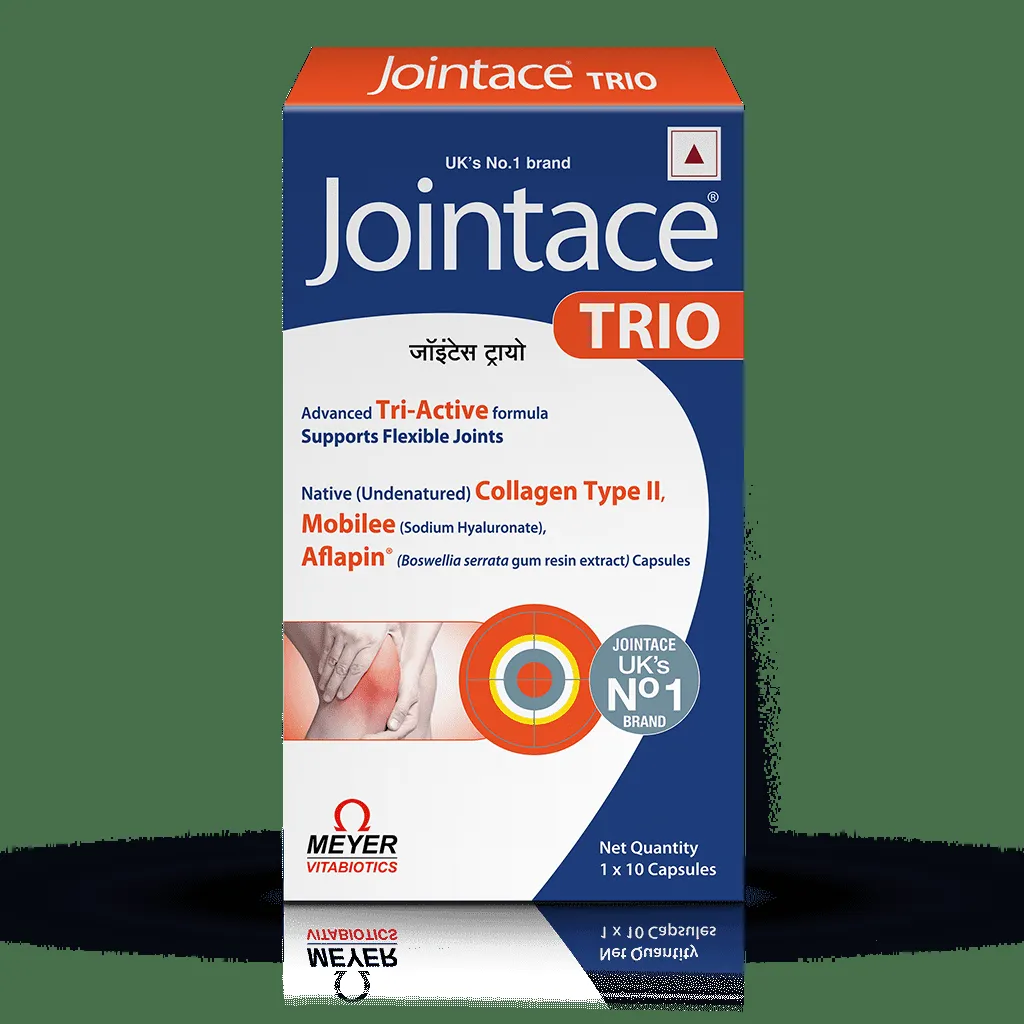

Comprehensive Introduction to Jointace
Jointace is a specialized nutritional supplement formulation meticulously designed to support joint health, cartilage integrity, and musculoskeletal function. As a leading product in the orthopedic support category, Jointace is frequently recommended as part of a holistic approach to managing joint discomfort, stiffness, and the degenerative changes associated with aging or high-impact physical activity.
Unlike conventional analgesic medications that merely mask pain, Jointace acts as a structural support system. By delivering a curated blend of micronutrients, minerals, and compounds like Glucosamine and Chondroitin, it aims to nourish the synovial fluid and support the repair processes of articular cartilage. This guide provides an authoritative, clinical-grade overview of Jointace, intended for patients and healthcare providers seeking a deeper understanding of its therapeutic role in orthopedic care.
Mechanism of Action: How Jointace Works
The efficacy of Jointace lies in its synergistic formulation. To understand how it functions, one must examine the individual contributions of its primary components to the physiological repair of connective tissues.
1. Glucosamine Sulfate
Glucosamine is an amino sugar and a foundational building block for glycosaminoglycans (GAGs). These molecules are essential for the formation and repair of cartilage. By providing the body with exogenous glucosamine, Jointace helps maintain the structural matrix of cartilage, potentially slowing the rate of degradation in osteoarthritic conditions.
2. Chondroitin Sulfate
Chondroitin acts as a "water magnet" within the cartilage matrix. It helps retain moisture, which provides elasticity and shock-absorbing properties to the joints. It also inhibits the activity of enzymes that break down cartilage, thereby protecting existing tissue from further damage.
3. Trace Minerals (Copper, Manganese, Zinc)
These minerals act as co-factors for various enzymes involved in the synthesis of collagen and connective tissue.
* Manganese: Essential for bone formation and cartilage synthesis.
* Copper: Vital for the cross-linking of collagen and elastin fibers.
* Zinc: Plays a role in DNA synthesis and cell division, supporting the repair of damaged tissue.
4. Vitamin D3
Vitamin D is critical for calcium absorption and bone density. By ensuring adequate levels of Vitamin D, Jointace supports the underlying bone structure upon which the joints rely.
Detailed Clinical Indications
Jointace is indicated for individuals looking to maintain long-term joint health or those experiencing the early signs of wear and tear.
| Condition/Indication | Therapeutic Goal |
|---|---|
| Osteoarthritis | Slowing cartilage degradation and reducing stiffness. |
| Joint Stiffness | Improving synovial fluid viscosity and joint mobility. |
| Athletic Recovery | Supporting connective tissue repair after high-impact training. |
| Age-related Wear | Maintaining structural integrity of aging cartilage. |
| Post-Injury Support | Providing nutritional building blocks for tissue regeneration. |
Pharmacokinetics and Absorption
While Jointace is a supplement rather than a pharmaceutical drug, its pharmacokinetics are defined by the bioavailability of its components.
- Absorption: Glucosamine sulfate is rapidly absorbed in the gastrointestinal tract, with bioavailability estimated at approximately 90%. Chondroitin has a lower absorption rate, typically relying on the uptake of its constituent disaccharides.
- Distribution: Once absorbed, these compounds are distributed primarily to the synovial fluid and cartilage tissues.
- Metabolism: Glucosamine is metabolized in the liver, while trace minerals are processed through standard homeostatic pathways.
- Excretion: Waste products are primarily excreted through renal filtration.
Dosage Guidelines
Adherence to recommended dosage is critical for achieving optimal therapeutic outcomes. While individual needs may vary, the general clinical recommendation is as follows:
- Standard Dosage: 1 to 2 tablets per day, typically taken with a main meal.
- Administration: It is advised to take Jointace with a full glass of water to assist with the dissolution and absorption of the tablet.
- Duration: Consistent use over 8 to 12 weeks is generally required to observe clinical improvements in joint comfort and mobility.
Risks, Side Effects, and Contraindications
While Jointace is generally well-tolerated, users should be aware of potential adverse reactions, particularly those with underlying health conditions.
Common Side Effects
- Mild gastrointestinal discomfort (bloating or nausea).
- Heartburn or indigestion.
- Drowsiness (in rare cases).
Contraindications
- Shellfish Allergy: Since many glucosamine sources are derived from shellfish, individuals with severe shellfish allergies must avoid standard Jointace formulations.
- Diabetes: Glucosamine may impact blood sugar levels in some patients; diabetics should monitor glucose levels closely.
- Anticoagulant Therapy: Individuals on blood thinners (e.g., Warfarin) should consult their physician, as there is a potential (though rare) interaction that may affect clotting times.
Pregnancy and Lactation Warnings
There is insufficient robust clinical data regarding the safety of high-dose glucosamine and chondroitin supplementation during pregnancy and breastfeeding. Therefore, the precautionary principle applies:
- Pregnancy: It is generally advised to avoid Jointace during pregnancy unless specifically prescribed by an obstetrician.
- Lactation: Consult with a healthcare provider before use, as the transfer of concentrated trace minerals and supplements into breast milk has not been fully evaluated for safety in infants.
Overdose Management
While toxicity is rare due to the nature of the ingredients, accidental ingestion of large quantities can lead to:
* Severe gastrointestinal distress (diarrhea, abdominal cramps).
* Hypercalcemia or toxicity related to excessive mineral intake (particularly if other multivitamins are being taken concurrently).
Management: If an overdose is suspected, induce hydration and seek medical attention. There is no specific antidote; treatment is purely supportive and symptomatic.
Frequently Asked Questions (FAQ)
1. How long does it take for Jointace to work?
Most clinical studies on glucosamine and chondroitin suggest that users begin to notice a difference in joint mobility and stiffness after 8 to 12 weeks of consistent daily usage.
2. Can I take Jointace with other medications?
In most cases, yes. However, if you are on blood thinners, insulin, or immunosuppressants, you must consult your doctor first to rule out potential drug-nutrient interactions.
3. Is Jointace suitable for vegans?
Standard Jointace contains glucosamine derived from shellfish. Always check the product label for "Vegan" or "Vegetarian" certifications, as non-shellfish alternatives exist but are not standard in all formulations.
4. What is the best time of day to take Jointace?
It is best taken with your largest meal of the day. This minimizes the risk of stomach upset and utilizes the digestive process to aid the absorption of the minerals.
5. Does Jointace help with inflammation?
Jointace supports the structural health of the joint, which can indirectly reduce inflammation caused by grinding or friction. However, it is not a direct anti-inflammatory drug (NSAID).
6. Can I take more than the recommended dose for faster results?
No. Exceeding the recommended dose will not accelerate the repair process and may increase the risk of gastrointestinal side effects or mineral toxicity.
7. Should I take breaks from using Jointace?
There is no clinical requirement to "cycle" the supplement. It is designed for long-term nutritional support.
8. Is Jointace effective for rheumatoid arthritis?
Jointace is primarily designed for osteoarthritis (wear and tear). Rheumatoid arthritis is an autoimmune condition requiring disease-modifying antirheumatic drugs (DMARDs). Always consult a rheumatologist for RA management.
9. Are there any interactions with Vitamin K?
Some formulations of Jointace contain nutrients that may interact with anticoagulant medications. Always review the supplement facts label if you are on blood-thinning therapy.
10. Does Jointace expire?
Yes. Like all nutritional supplements, Jointace has a shelf life. Check the packaging for the expiration date, as the potency of the vitamins and minerals degrades over time.
Conclusion
Jointace represents a sophisticated approach to joint care, combining essential structural components with supportive micronutrients. By focusing on the biological requirements for cartilage maintenance, it serves as an excellent adjunct to physical therapy and lifestyle modifications.
However, it is not a "magic bullet." For best results, Jointace should be integrated into a comprehensive orthopedic plan that includes regular low-impact exercise, weight management, and professional medical oversight. Always ensure you are purchasing authentic products from reputable sources and consult with your healthcare provider before beginning any new supplement regimen to ensure it aligns with your unique medical history.