
Understanding the Rigid Knee Brace: A Comprehensive Clinical Guide
In the field of orthopedic rehabilitation and sports medicine, the rigid knee brace stands as a cornerstone of conservative management and postoperative stabilization. Unlike soft sleeves or prophylactic braces, the rigid knee brace is engineered to provide structural support, limit range of motion, and offload mechanical stress from compromised anatomical structures.
This guide serves as a clinical reference for healthcare providers, physical therapists, and patients seeking to understand the biomechanics, indications, and safety protocols associated with rigid knee bracing.
1. Mechanism of Action and Technical Specifications
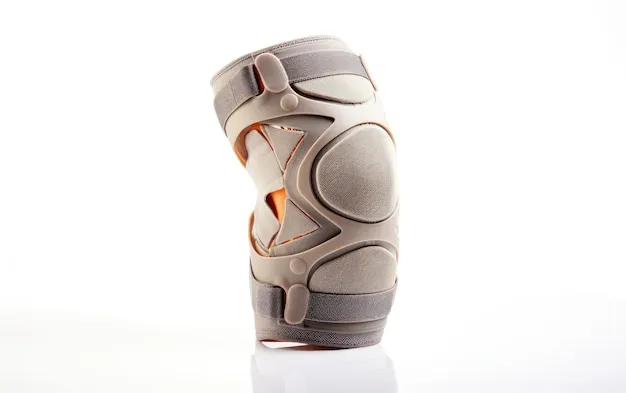
The primary function of a rigid knee brace is to provide external mechanical stabilization to the knee joint. By utilizing a rigid exoskeleton—typically constructed from aircraft-grade aluminum, carbon fiber, or high-density thermoplastic polymers—the device creates a counter-force system that protects ligaments and articular surfaces.
Biomechanical Principles
- Three-Point Pressure System: The brace utilizes a three-point force configuration to stabilize the joint. This system reduces shear forces and prevents abnormal translation of the tibia relative to the femur.
- Range of Motion (ROM) Control: Integrated hinges allow for the adjustment of flexion and extension limits. This is critical for protecting surgical repairs (e.g., ACL reconstruction) by preventing hyperextension or excessive flexion.
- Offloading (Valgus/Varus Correction): In cases of unicompartmental osteoarthritis, rigid braces can be configured to apply a corrective force, shifting the weight-bearing axis away from the damaged compartment.
Components of a Rigid Brace
| Component | Function |
|---|---|
| Rigid Shell/Frame | Provides the structural integrity and skeletal support. |
| Hinge System | Regulates the ROM and mimics the natural pivot of the knee. |
| Strapping System | Ensures intimate fit and prevents migration of the device. |
| Condylar Pads | Distribute pressure around the femoral condyles for comfort. |
2. Clinical Indications and Usage
Rigid knee braces are indicated when the knee joint requires external support to prevent further injury or to facilitate tissue healing.
Primary Indications
- Ligamentous Instability: Post-surgical management of ACL, PCL, MCL, or LCL ruptures.
- Severe Osteoarthritis: Offloading braces for patients with symptomatic medial or lateral compartment disease.
- Meniscal Repairs: Protection during the initial 6–12 weeks of tissue integration.
- Osteochondral Defects: Shielding the joint from compressive loading during the healing phase.
- Post-Traumatic Immobilization: Stabilization following complex fractures or joint dislocations.
"Dosage" and Usage Guidelines
While not a chemical medication, the "dosage" of a brace refers to the duration and intensity of wear.
* Acute Phase: Often worn 24/7, including during sleep, to prevent accidental joint stress.
* Rehabilitation Phase: Worn primarily during weight-bearing activities, ambulation, and physical therapy sessions.
* Return to Sport: Worn during high-impact activities to provide proprioceptive feedback and mechanical security.
3. Contraindications and Safety Considerations
Despite the benefits, rigid bracing is not without risks. Improper use can lead to muscle atrophy, skin breakdown, and dependency.
Contraindications
- Severe Vascular Insufficiency: Compression from straps may exacerbate peripheral artery disease.
- Active Deep Vein Thrombosis (DVT): External pressure may interfere with blood flow or dislodge a thrombus.
- Skin Infections: Open wounds or cellulitis in the area of the brace contact points.
- Improper Size/Fit: A brace that is too tight can cause nerve compression (specifically the peroneal nerve).
Potential Side Effects
- Quadriceps Atrophy: Prolonged immobilization can lead to muscle wasting. Concurrent physical therapy is mandatory.
- Skin Irritation/Dermatitis: Accumulation of sweat and friction under the pads.
- Migration: If not fitted correctly, the brace may slide, causing focal pressure points.
4. Interaction and Pregnancy Warnings
Drug-Device Interactions
While the brace does not interact chemically with pharmaceuticals, patients on anticoagulant therapy (e.g., Warfarin, Rivaroxaban) must be monitored closely for hematoma formation if the brace causes excessive skin pressure.
Pregnancy and Lactation
There are no contraindications for the use of a rigid knee brace during pregnancy. However, as fluid retention (edema) is common in pregnancy, the fit of the brace must be monitored frequently to ensure straps do not impede circulation.
5. Overdose and Management of Improper Usage
In the context of bracing, "overdose" refers to the overuse of the device to the point of physiological detriment.
Signs of Overuse/Improper Use
- Numbness or tingling in the lower leg (nerve impingement).
- Visible skin ulceration or blistering.
- Significant increase in swelling (indicating the brace is acting as a tourniquet).
Management Protocol
- Immediate Removal: Loosen all straps to restore circulation.
- Skin Assessment: Inspect for pressure sores.
- Refitting: Consult with an orthotist to adjust the frame geometry.
- Gradual Reintroduction: Slowly transition back to wear, ensuring that muscle-strengthening exercises are prioritized to prevent atrophy.
6. Frequently Asked Questions (FAQ)
1. Should I wear my rigid knee brace while sleeping?
Only if specifically instructed by your surgeon. In most cases, the knee should remain free during sleep to prevent stiffness, unless you are in the immediate post-operative phase.
2. Can I get a rigid knee brace wet?
Most frames are waterproof, but the padding and straps are absorbent. If exposed to water, remove the pads and air-dry thoroughly to prevent skin irritation and bacterial growth.
3. How tight should the straps be?
The brace should be snug enough to prevent rotation on the leg but not so tight that it restricts blood flow or causes nerve compression. You should be able to slide a finger under the straps comfortably.
4. Will wearing a brace make my knee muscles weak?
Yes, if used exclusively without physical therapy. It is vital to perform isometric exercises and quadriceps strengthening to compensate for the support provided by the brace.
5. How often should I clean the brace?
Wipe the frame down daily with a damp cloth. Wash the pads weekly with mild soap and water to prevent skin breakdown.
6. Can I return to sports immediately with a rigid brace?
A brace provides mechanical stability, but it does not replace the need for proprioceptive training and neuromuscular control. Always seek clearance from your orthopedic specialist before returning to high-impact sports.
7. Why is my calf swelling while wearing the brace?
Swelling is often caused by straps that are too tight at the proximal calf level, which can impede venous return. Loosen the straps and elevate your leg. If swelling persists, contact your doctor.
8. What is the difference between a rigid brace and a sleeve?
A sleeve provides compression and proprioceptive feedback but offers zero mechanical stability for ligamentous injuries. A rigid brace provides structural protection that a sleeve cannot.
9. How do I know if my brace is the right size?
The hinge centers should align with the joint line of your knee. If the hinges are too high or too low, the brace will not function correctly and may cause pain.
10. Can I wear the brace over my pants?
While some braces are designed to be worn over clothing, wearing them directly against the skin (or over a thin, moisture-wicking sleeve) provides the best grip and prevents the brace from sliding down.
Conclusion
The rigid knee brace is a powerful tool in the orthopedic arsenal, bridging the gap between injury and functional recovery. By understanding its biomechanical mechanisms, respecting its limitations, and adhering to strict fitting protocols, patients can maximize their therapeutic outcomes. Always treat the brace as a component of a broader recovery plan that includes physical therapy, proper nutrition, and regular clinical follow-ups. If you experience persistent pain, numbness, or skin issues, consult your orthopedic specialist immediately to refine your bracing strategy.