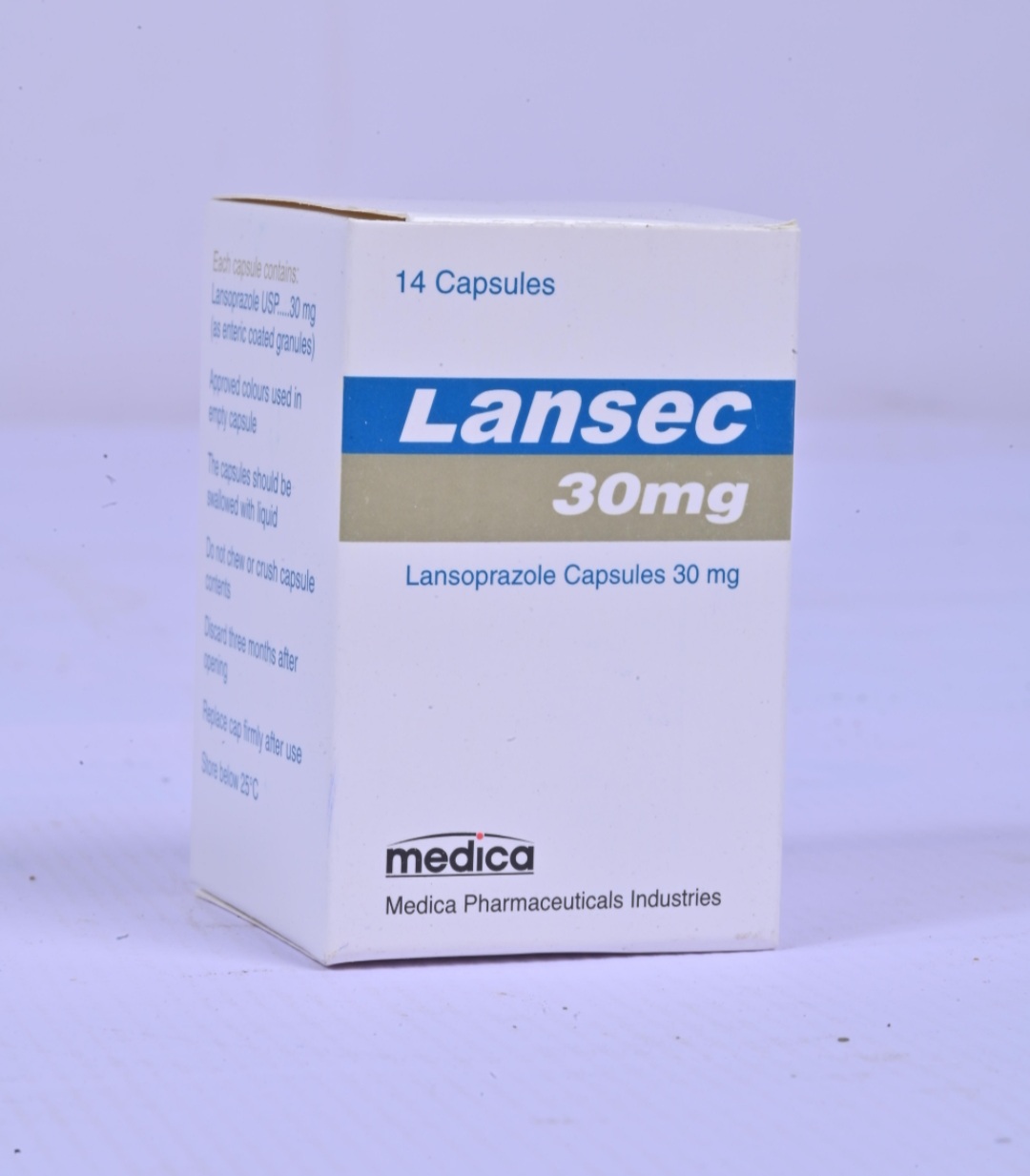
Comprehensive Guide to Lansec 30mg (Lansoprazole)
Lansec 30mg, known generically as Lansoprazole, is a potent proton pump inhibitor (PPI) widely utilized in the management of acid-related gastrointestinal disorders. In the context of orthopedic care, it is frequently prescribed to patients undergoing long-term Non-Steroidal Anti-Inflammatory Drug (NSAID) therapy to prevent the development of gastric ulcers and gastrointestinal erosions.
This guide provides an exhaustive clinical overview of Lansec 30mg, intended for healthcare providers and informed patients seeking detailed pharmacological insights.
1. Mechanism of Action: How Lansec 30mg Works
Lansec 30mg functions as a gastric H+/K+ ATPase inhibitor. Unlike H2-receptor antagonists, which merely block histamine receptors, Lansec inhibits the final step of acid production in the gastric parietal cells.
The Pharmacodynamic Process
- Binding: The active metabolite of lansoprazole binds covalently to the H+/K+ ATPase enzyme system (the "proton pump") located at the secretory surface of the gastric parietal cell.
- Inhibition: This binding inhibits both basal and stimulated gastric acid secretion, regardless of the stimulus (e.g., gastrin, acetylcholine, or histamine).
- Duration: Because the inhibition is irreversible, acid secretion remains suppressed until new proton pumps are synthesized by the parietal cells, providing a long duration of action despite a relatively short plasma half-life.
2. Pharmacokinetics and Metabolism
Understanding the pharmacokinetic profile of Lansec is essential for optimizing patient outcomes.
| Parameter | Clinical Characteristic |
|---|---|
| Bioavailability | 80–90% (decreased by food intake) |
| Peak Plasma Time | 1.5 to 2.2 hours |
| Protein Binding | 97% |
| Metabolism | Hepatic (CYP2C19 and CYP3A4 enzymes) |
| Half-life | 1.5 to 2 hours |
| Excretion | Primarily renal (metabolites) and biliary |
3. Clinical Indications and Usage
Lansec 30mg is indicated for a variety of acid-related pathologies. In orthopedic medicine, its primary utility is the prophylaxis of NSAID-induced gastropathy.
Primary Indications
- Gastroesophageal Reflux Disease (GERD): Short-term treatment of symptomatic GERD and healing of erosive esophagitis.
- Duodenal Ulcers: Short-term treatment and maintenance of healing.
- Gastric Ulcers: Short-term treatment of active benign gastric ulcers.
- NSAID-Associated Gastric Ulcer: Prophylaxis and treatment in patients requiring long-term NSAID therapy (e.g., for chronic osteoarthritis or rheumatoid arthritis).
- Hypersecretory Conditions: Long-term treatment of pathological hypersecretory conditions, including Zollinger-Ellison syndrome.
- H. pylori Eradication: Used in combination with specific antibiotics (e.g., clarithromycin and amoxicillin) to reduce the risk of duodenal ulcer recurrence.
4. Dosage Guidelines
Dosage must be individualized based on the specific condition being treated and the patient's hepatic function.
Standard Adult Dosing
- Erosive Esophagitis: 30mg once daily for up to 8 weeks.
- Duodenal Ulcer: 15mg to 30mg once daily for 4 weeks.
- NSAID-Induced Ulcer Prophylaxis: 15mg to 30mg once daily.
- Hypersecretory Conditions: Starting dose is typically 60mg daily, titrated based on patient response.
Administration Note: Lansec 30mg should be taken at least 30 minutes before a meal, preferably in the morning, to ensure maximum efficacy as the proton pumps are most active during the post-prandial phase.
5. Contraindications and Risks
While Lansec 30mg is generally well-tolerated, clinical vigilance is required regarding contraindications and potential adverse effects.
Contraindications
- Hypersensitivity: Known hypersensitivity to lansoprazole or any component of the formulation.
- Concomitant use with Rilpivirine: PPIs significantly decrease the plasma concentration of rilpivirine, which may lead to loss of therapeutic effect.
Potential Side Effects
- Common: Diarrhea, abdominal pain, nausea, constipation, and headache.
- Serious/Rare:
- Clostridium difficile-associated diarrhea: Long-term PPI use may increase the risk of GI infections.
- Bone Fractures: Increased risk of hip, wrist, or spine fractures in patients on high-dose, long-term therapy.
- Hypomagnesemia: Usually associated with therapy exceeding one year.
- Vitamin B12 Deficiency: Chronic acid suppression can impair B12 absorption.
6. Drug Interactions
Lansec 30mg is metabolized by the cytochrome P450 system, leading to several clinically significant interactions.
- Drugs Dependent on Gastric pH: Lansec may interfere with the absorption of medications like ketoconazole, atazanavir, and iron salts.
- Warfarin: Patients on warfarin should be monitored for changes in INR when starting or stopping Lansec.
- Methotrexate: Concomitant use may elevate methotrexate levels, particularly in high-dose therapy.
- Clopidogrel: PPIs may reduce the antiplatelet effect of clopidogrel by inhibiting the CYP2C19 enzyme.
7. Pregnancy and Lactation
- Pregnancy: Category B. Animal studies have shown no evidence of impaired fertility or harm to the fetus. However, use should be limited to cases where the benefit outweighs the risk.
- Lactation: It is unknown if lansoprazole is excreted in human milk. Caution is advised, and breastfeeding should be discussed with a specialist.
8. Overdose Management
There is no specific antidote for lansoprazole overdose. In the event of an overdose:
* Treatment: Primarily supportive and symptomatic.
* Dialysis: Lansoprazole is not significantly removed by hemodialysis due to high protein binding.
* Action: Contact a poison control center immediately. Monitor the patient for potential gastrointestinal or neurological symptoms.
9. Frequently Asked Questions (FAQ)
1. Should I take Lansec 30mg with food?
No. Lansec 30mg should be taken on an empty stomach, preferably 30–60 minutes before breakfast, to maximize its inhibitory effect on the proton pumps.
2. Can I crush or chew Lansec 30mg capsules?
Generally, no. Lansec 30mg capsules contain enteric-coated granules. Crushing or chewing them destroys the coating, which protects the medication from stomach acid, rendering it ineffective.
3. How long can I safely take Lansec 30mg?
The duration depends on the underlying condition. While short-term use is common, long-term use should be under strict medical supervision due to risks like bone density loss and nutrient malabsorption.
4. Does Lansec 30mg interact with my arthritis medication?
It often helps protect the stomach from NSAIDs. However, always consult your physician to ensure no specific interactions exist with your unique NSAID regimen.
5. What should I do if I miss a dose?
Take the missed dose as soon as you remember. If it is almost time for your next dose, skip the missed dose and resume your regular schedule. Do not double the dose.
6. Can Lansec 30mg cause weight gain?
Weight gain is not a standard side effect. However, if symptoms of GERD improve, some patients may notice an increase in appetite.
7. Is Lansec 30mg safe for children?
Pediatric use is restricted and must be determined by a pediatrician based on weight and age. It is not approved for all pediatric age groups.
8. Will Lansec 30mg affect my liver?
In rare cases, liver enzyme elevations can occur. Patients with pre-existing hepatic impairment may require dosage adjustments.
9. Can I drink alcohol while on Lansec 30mg?
Alcohol can increase gastric acid secretion and irritate the stomach lining, potentially negating the benefits of the medication. It is best to avoid alcohol during treatment.
10. Does Lansec 30mg affect vitamin levels?
Yes. Chronic use can lead to reduced absorption of Vitamin B12, Magnesium, and Calcium. Your doctor may suggest supplements if long-term therapy is necessary.
10. Conclusion
Lansec 30mg is a cornerstone of modern gastroenterology and is indispensable for patients requiring long-term anti-inflammatory therapy. By effectively suppressing gastric acid, it mitigates the risk of ulceration and allows patients to maintain their orthopedic treatment plans without debilitating gastrointestinal side effects. As with all medications, adherence to clinical guidelines and regular monitoring by a healthcare professional is paramount for safety and efficacy.
Disclaimer: This guide is for educational purposes only and does not constitute medical advice. Always consult with a licensed physician or pharmacist before starting, stopping, or altering your medication regimen.